
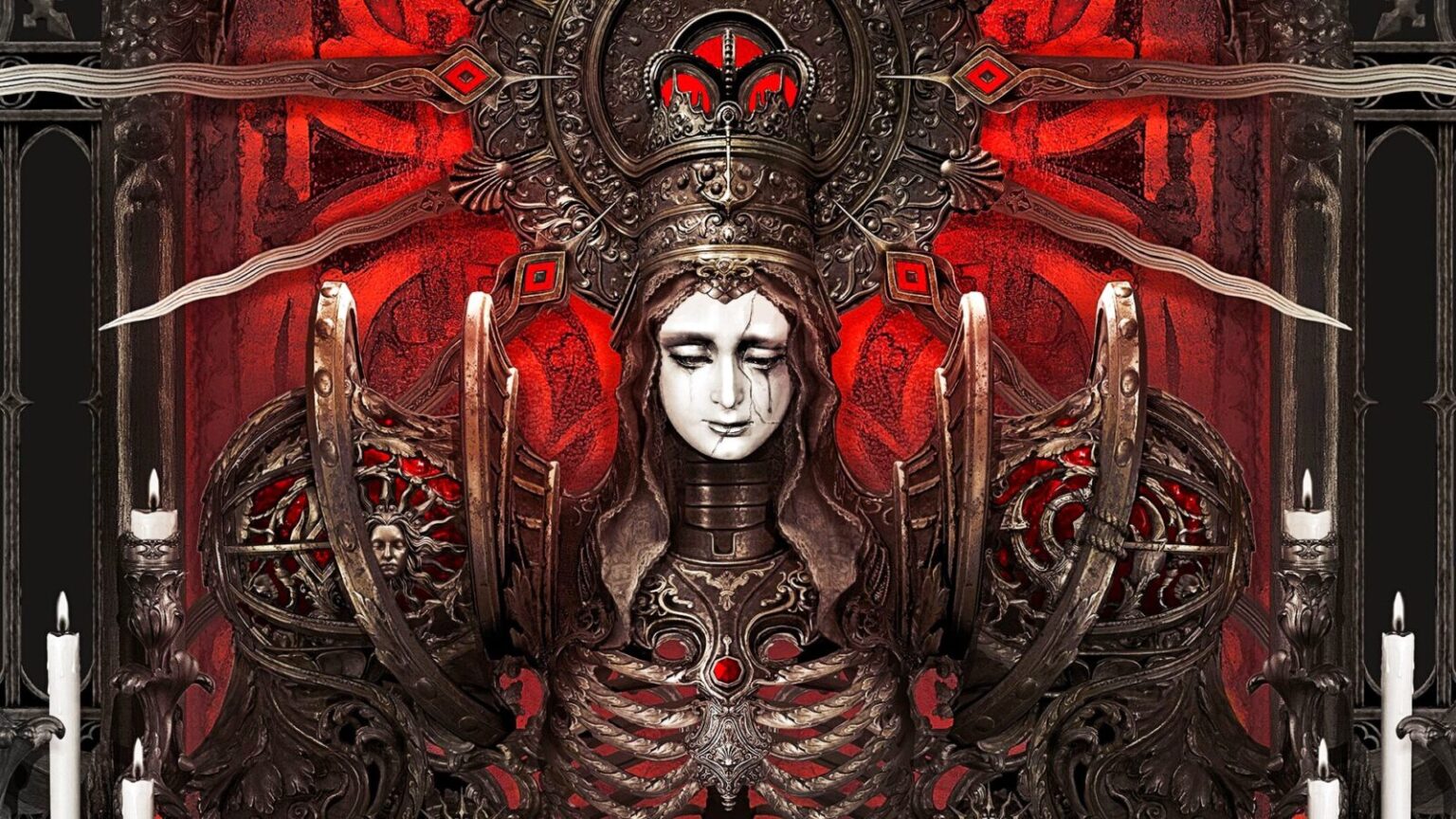
TL;DR: A first-person survival-horror game with excellent combat ideas, messy level design, and a killer blood-based reload system. Rough around the edges, but worth your time if you love tense, action-driven horror.
Crisol: Theater of Idols
I didn’t expect to be thinking about haunted marionettes and Catholic guilt at two in the morning, controller warm in my hands, muttering “oh no, absolutely not” at my TV. Yet here we are. Crisol: Theater of Idols snuck up on me in that very specific way mid-budget horror games sometimes do, where you boot it up out of curiosity and suddenly realize you’ve been playing for three hours straight, ignoring texts, snacks untouched, pulse just a little too elevated for comfort.
Coming from Blumhouse Productions’s gaming arm, Blumhouse Games, this feels like a studio still figuring out what it wants to be, but doing so with genuine personality. Their earlier release, Fear the Spotlight, leaned hard into old-school survival horror nostalgia. Crisol swings in a different direction. This is louder, bloodier, and much more interested in forward momentum. If Fear the Spotlight was a candlelit séance, Crisol is a cathedral on fire.
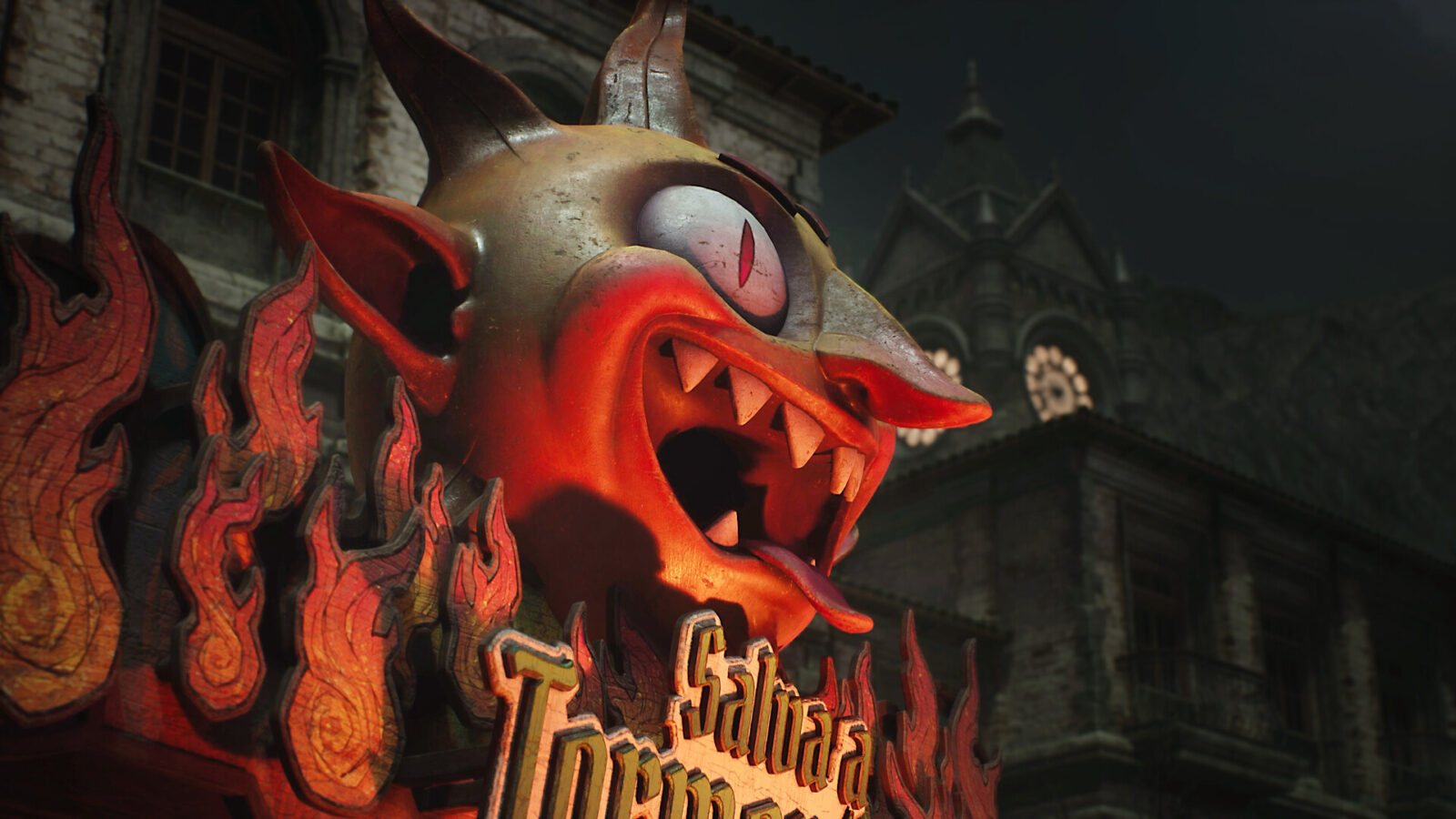
From the opening moments, it’s impossible not to clock the influences. A cursed, Spain-inspired island crawling with fanatical horrors instantly brings Resident Evil 4 to mind, right down to the unsettling mix of religious imagery and rural decay. But instead of following Leon S. Kennedy over the shoulder, Crisol drops you directly behind the eyes of Gabriel in first person. The result feels like Resident Evil 4 filtered through the oppressive, art-deco dread of BioShock, then soaked in blood for good measure.
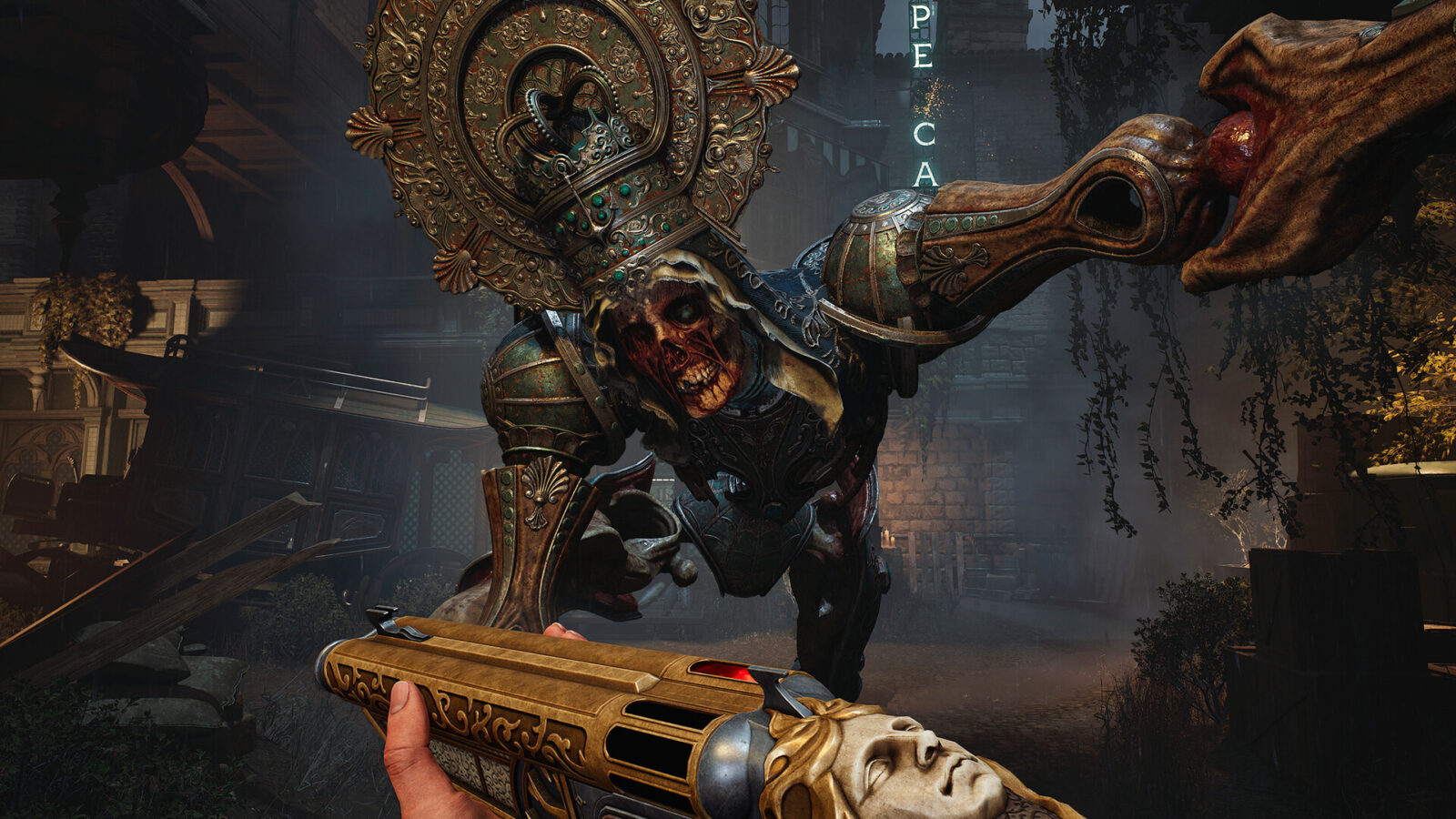
That first-person shift does a lot of heavy lifting. Combat feels intimate in a way third-person games rarely manage. Enemies aren’t just targets; they’re in your face, shrieking, clattering forward with knives, pitchforks, and crossbows like they crawled out of a blasphemous puppet show. The statue enemies are genuinely unnerving at first, especially when you realize they don’t politely die just because you shot them “enough.”
Crisol’s combat system is where I really fell in love. It understands the joy of tactical violence. Blowing off a head to stun an enemy, shooting limbs to disarm them, or panicking and unloading into a torso when things go sideways all feel meaningfully different. One early encounter sold me completely: I blasted a statue clean in half, watched its upper body crumble, and relaxed for half a second too long. Then the legs stood back up and kicked me half to death. I laughed, swore, and immediately respected the game more.
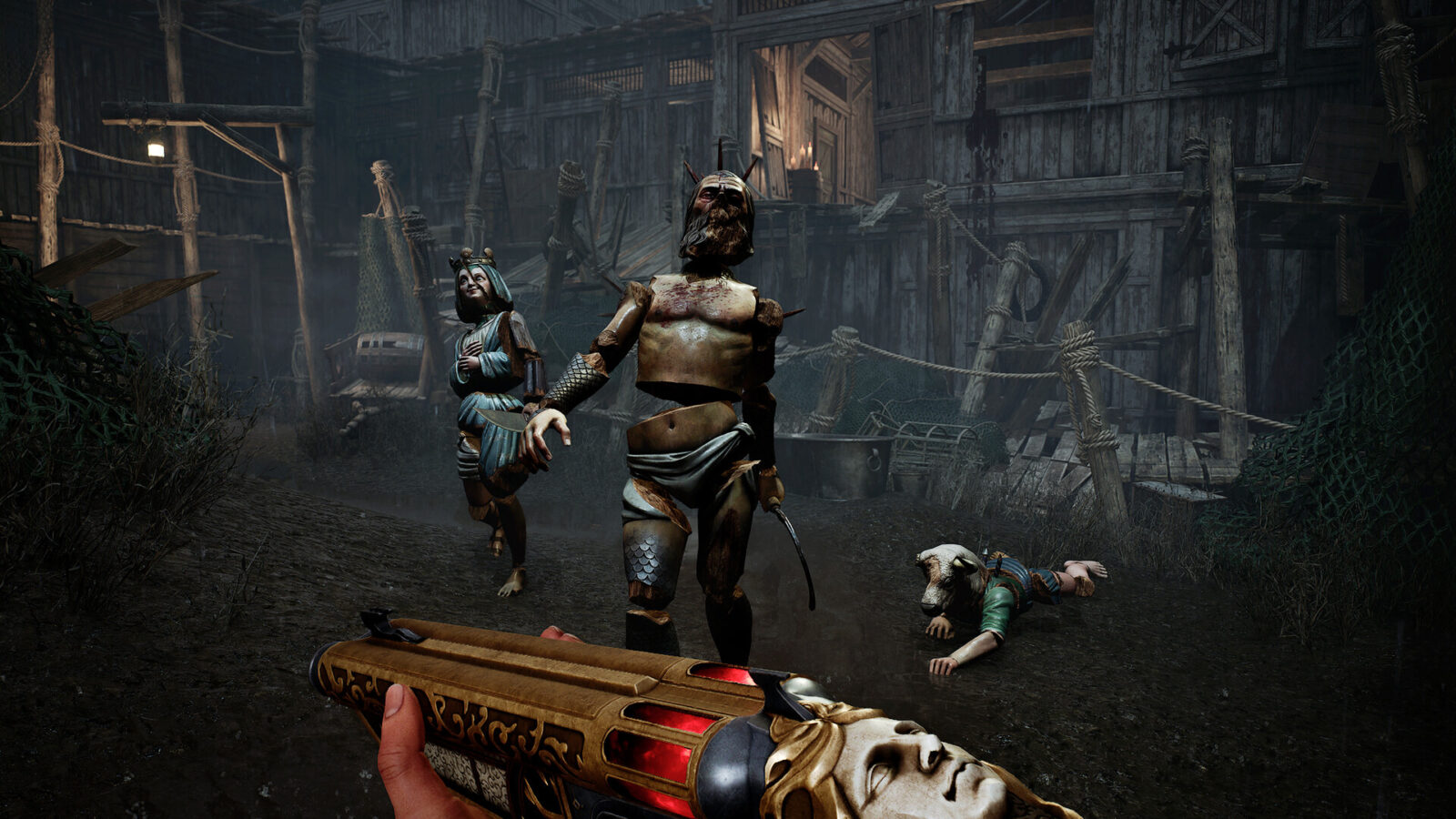
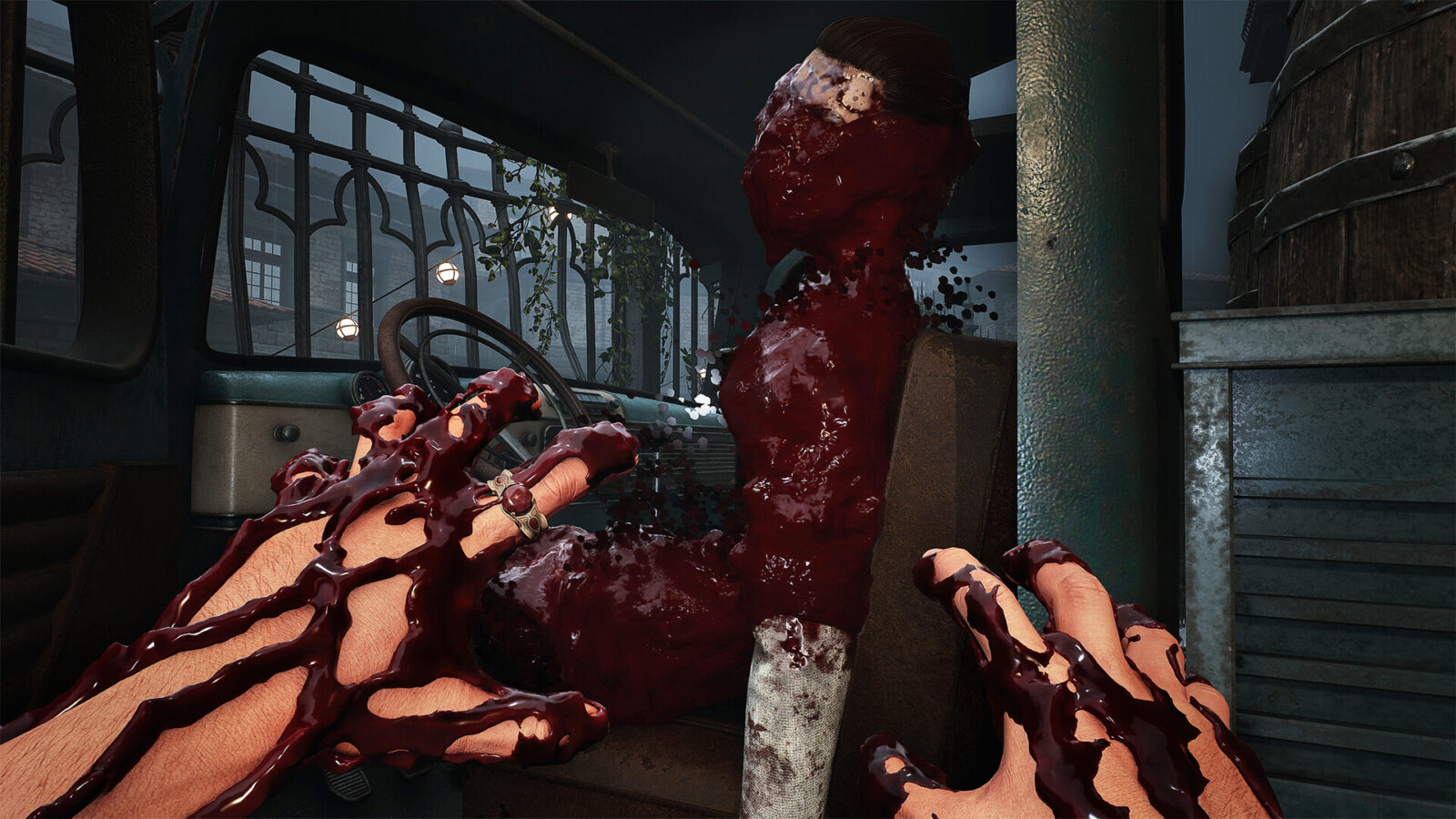
The real hook, though, is how the game treats ammo. Every reload costs Gabriel blood. Literally. Your weapons are powered by you, and topping them off means shaving off your own health. It’s a brilliant little twist on survival-horror resource management. Every reload becomes a quiet negotiation with yourself. Do I really need a full magazine, or can I risk limping forward with what I’ve got? It turns even routine encounters into tense little moral dilemmas, and it fits the game’s themes far better than a generic ammo scarcity system ever could.
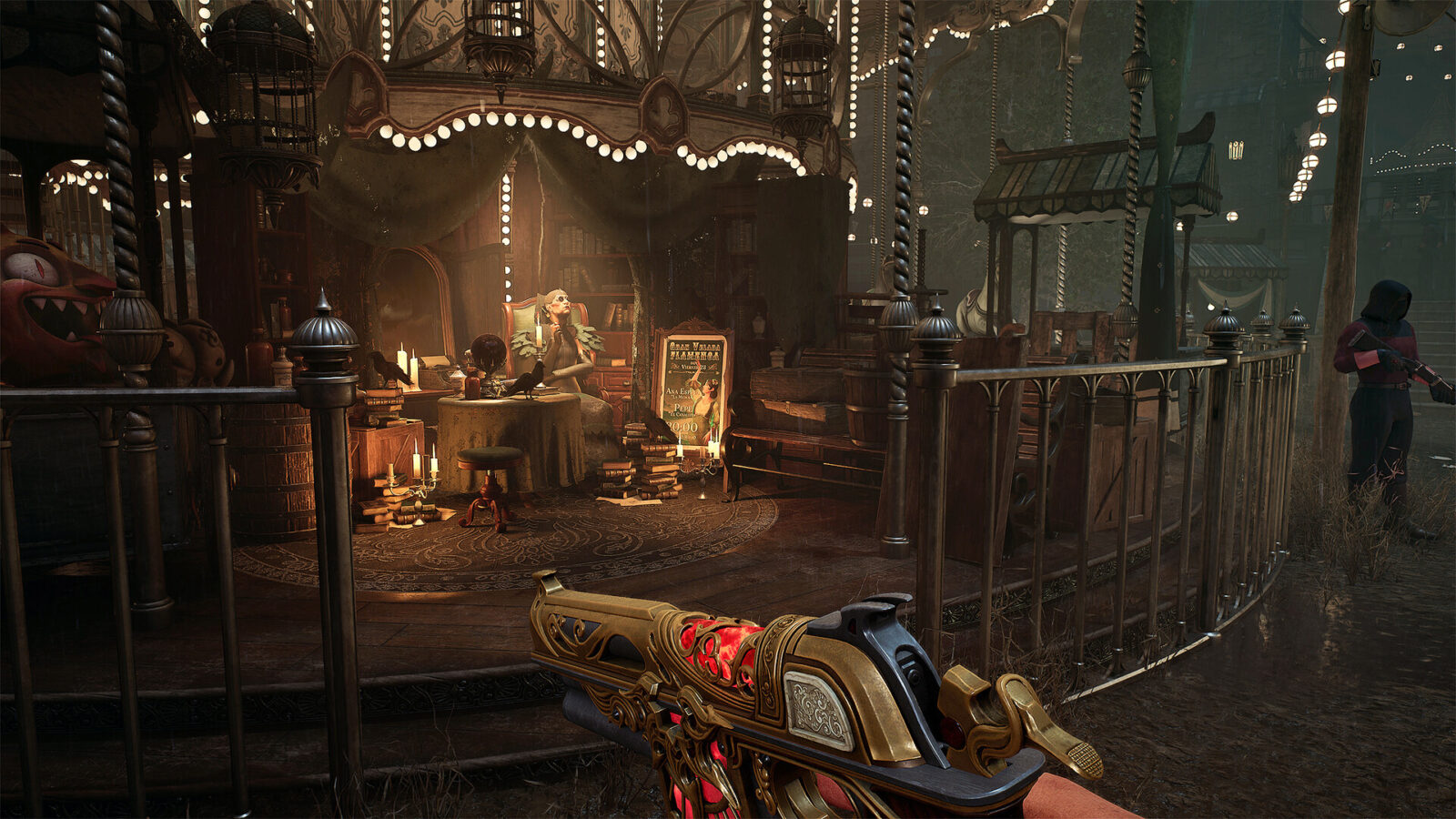
Between fights, Crisol asks you to explore, and this is where things get messier. The island is visually striking, all crumbling stone, warped idols, and oppressive architecture, but the level design doesn’t always know when to stop. Areas are often too large for their own good, stitched together with long, samey corridors that exist more to pad runtime than build atmosphere. I got turned around more than once, even with the map, not because the spaces were cleverly labyrinthine, but because they blurred together.
Puzzles, thankfully, are a bright spot. They land in that sweet survival-horror zone where you feel clever for solving them without feeling insulted or stonewalled. They’re rarely the highlight of the experience, but they never overstay their welcome. Optional puzzles, which reward health upgrades or currency, are especially worthwhile, nudging you to engage with the environment instead of sprinting through it.
Progression borrows liberally from genre staples. There’s a merchant system straight out of Resident Evil 4, letting you upgrade weapons and unlock perks that soften the game’s rougher edges. It’s familiar, maybe too familiar, but it works. Watching Gabriel slowly become more capable is satisfying, especially as enemy variants ramp up the pressure.
Unfortunately, Crisol never quite shakes the feeling that it needed a few more months in the oven. The jank is real. Performance hiccups during enemy deaths, strange movement bugs that lock you into a slow walk, and one memorable elevator ride where Gabriel clipped halfway through the ceiling all chipped away at the immersion. None of it is game-breaking, but it’s frequent enough to be distracting.
Then there are the radio conversations. On paper, they’re meant to deepen the story. In practice, they grind exploration to a halt by forcing your movement speed to a crawl and disabling interaction entirely. You can skip them, sure, but that feels like choosing between narrative context and basic playability. It’s a clumsy solution to a solvable problem.
The game’s attempt at a stalker enemy is another missed opportunity. Horror history has set a high bar with figures like Nemesis in Resident Evil 3 or Mr. X in Resident Evil 2, and Crisol’s lumbering pursuer never quite clears it. The first encounter is tense. After that, it’s mostly an inconvenience. Run, hide, wait, repeat. The fear evaporates fast.
I rolled credits after about eight hours, and despite the complaints, I walked away mostly satisfied. Crisol: Theater of Idols isn’t a landmark survival-horror release, but it is a confident, occasionally inspired one. Its combat system alone does enough interesting things to justify the journey, and when the atmosphere clicks, it really clicks. You just have to be willing to forgive some rough edges and design decisions that don’t always serve the experience.
Verdict
Crisol: Theater of Idols is a scrappy, blood-soaked love letter to action-forward survival horror that occasionally trips over its own ambition. When it’s firing on all cylinders, it’s tense, clever, and genuinely memorable. When it falters, it reminds you that inspiration isn’t the same thing as polish. Fans of Resident Evil 4-style horror will find a lot to like here, as long as they can tolerate some jank along the way.