
TL;DR: Stunning to look at, fun to fight in, but underneath all that spectacle is a grind-heavy, checklist-driven experience that feels suspiciously like a very expensive Candy Crush.
Crimson Desert
I knew something was off with Crimson Desert the moment it hit me with not one, not two, but three loading screens before I could even properly exist inside its world. That’s not a complaint so much as a warning shot. This is a game that really, really wants you to feel the weight of its scale before you’ve done anything remotely interesting. It’s like being handed a 900-page fantasy novel and told, “Don’t worry, it gets good after the first hundred.”
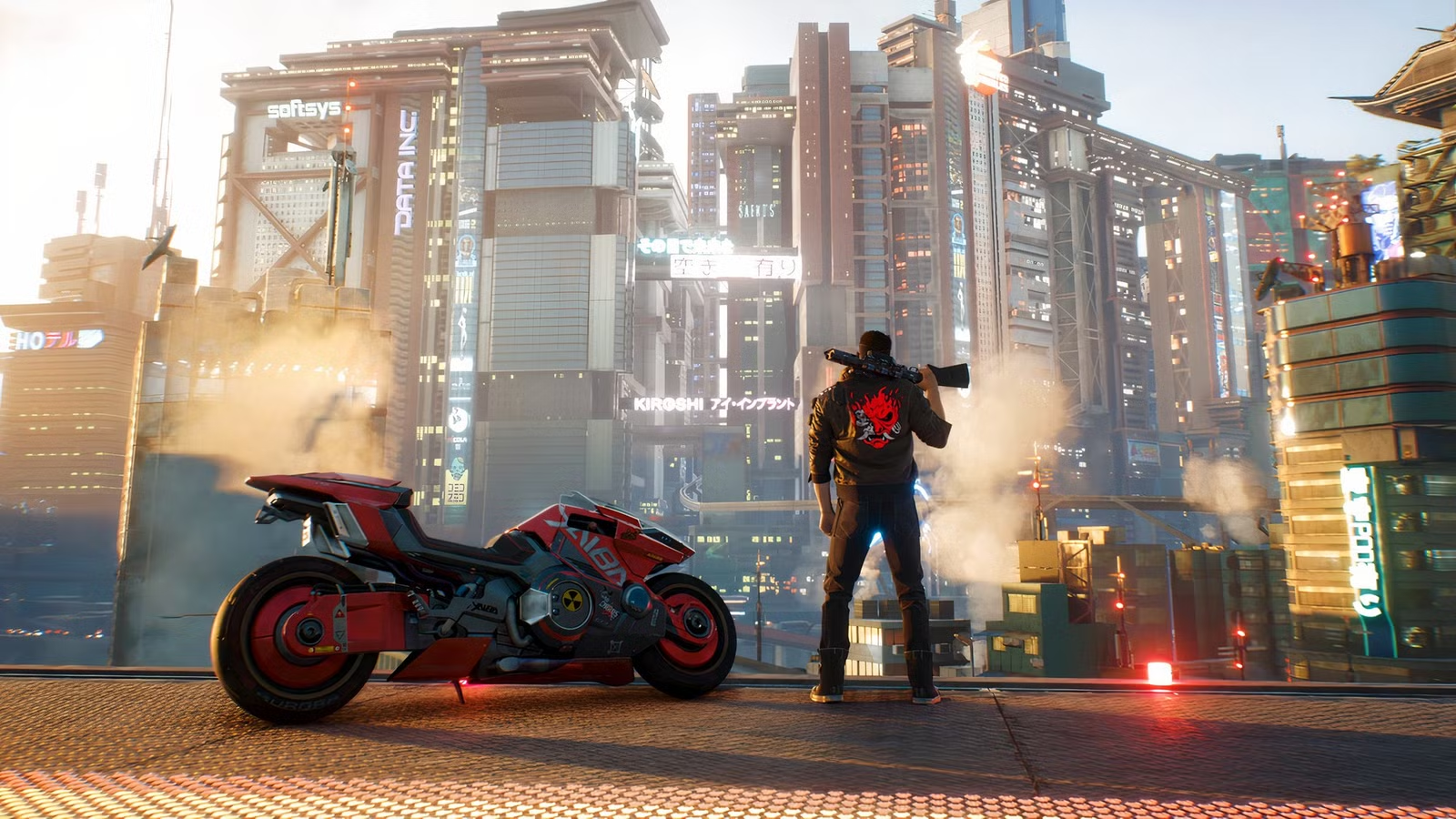
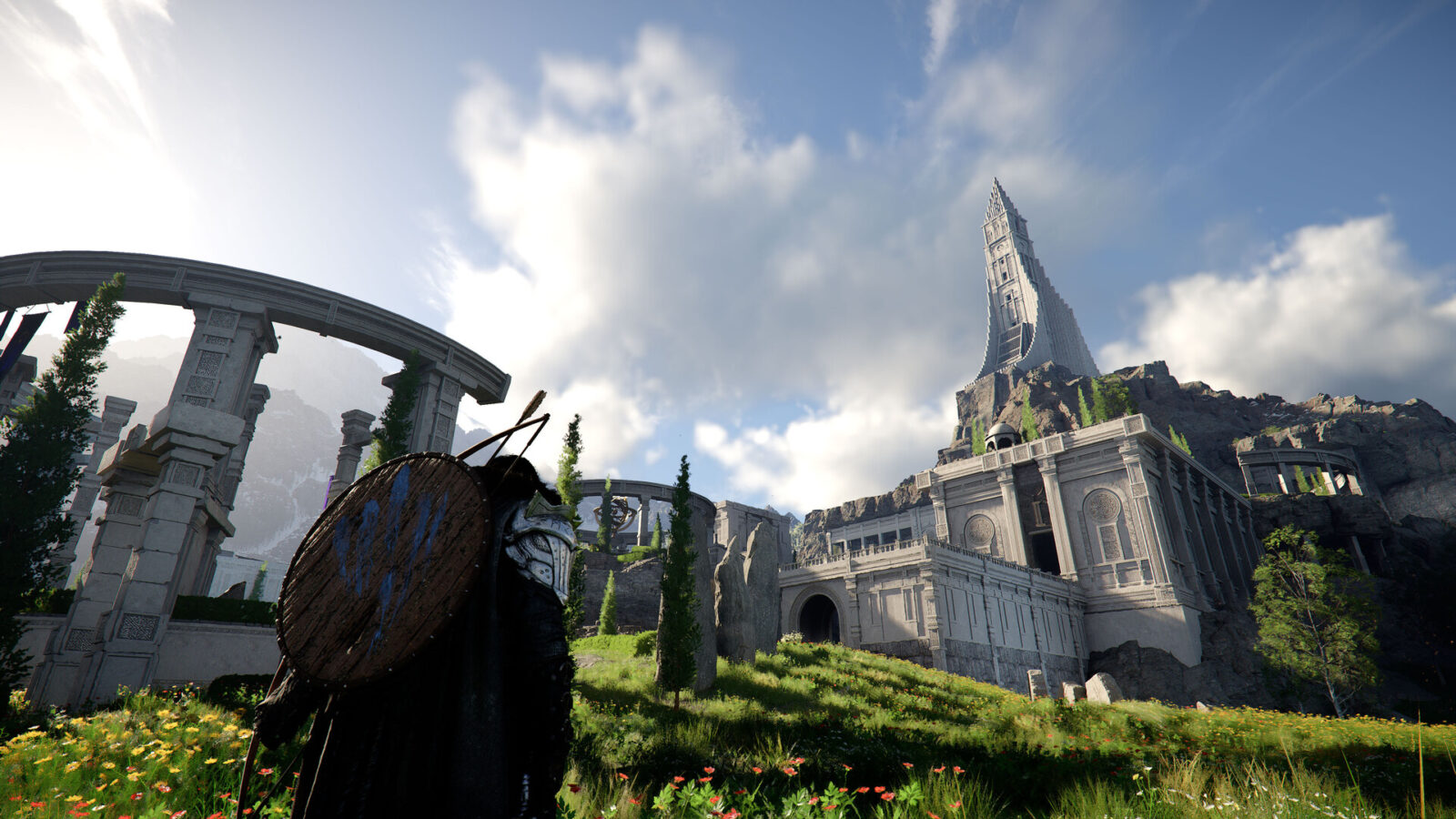
And to be fair, those opening moments do have a kind of hypnotic pull. When I finally stepped into Pywel, I felt that familiar open-world buzz—that low hum of possibility you get when a game promises you everything at once. Rolling hills, quiet rivers, peasants doing peasant things in a way that feels suspiciously curated for maximum coziness. It’s aggressively pretty. Not just “nice graphics” pretty, but the kind of pristine, almost artificial beauty that makes you pause and go, “Okay… this is a tech demo flex.”
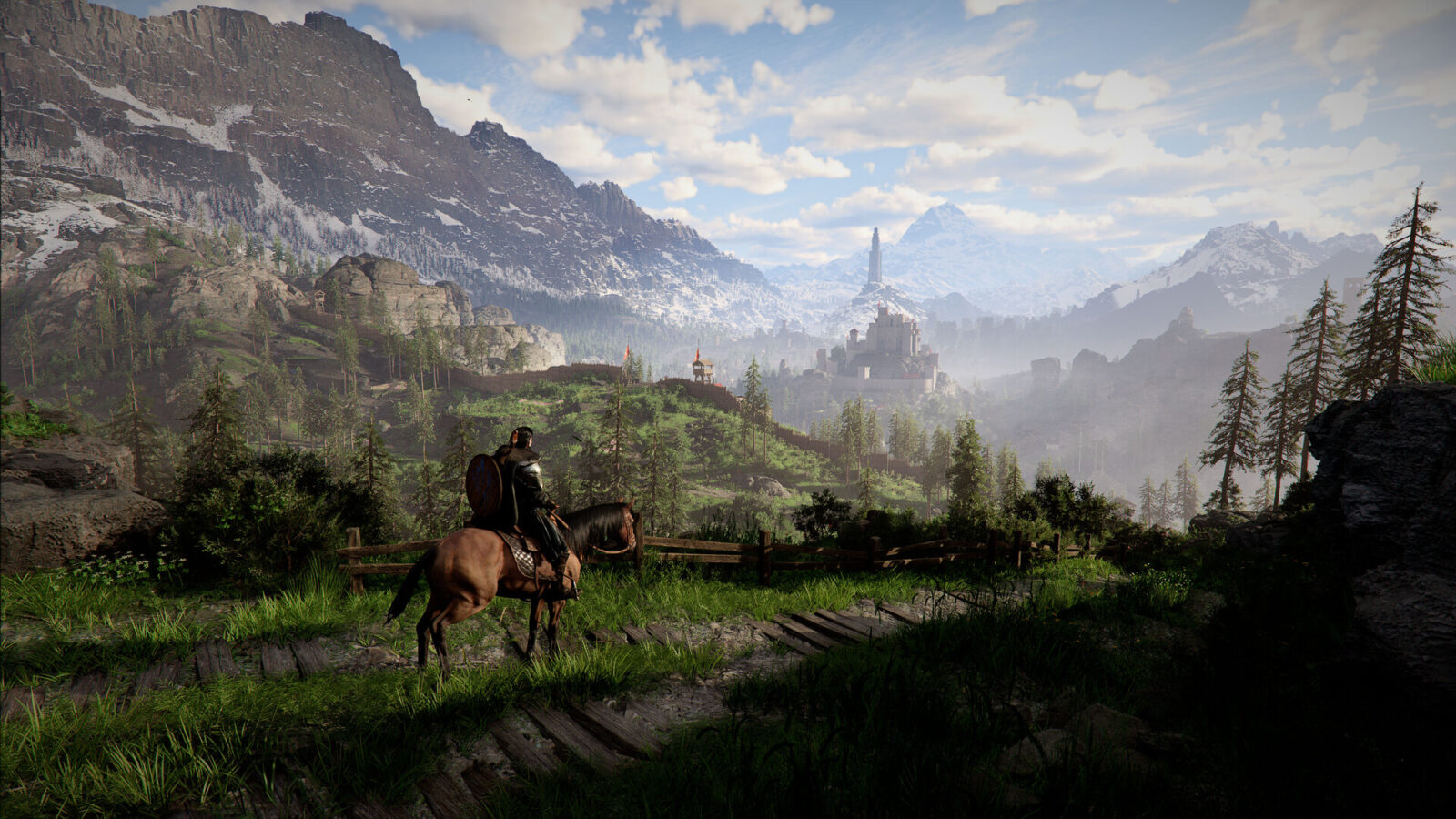
But here’s the thing about Crimson Desert as an open-world RPG: the longer I stayed in it, the more it started to feel less like a living world and more like an extremely expensive screensaver that occasionally asks you to press buttons.
Playing Crimson Desert is a bit like eating gourmet junk food. At first, it’s incredible. Everything sparkles. Everything feels indulgent. There’s so much going on that your brain kind of short-circuits in a good way. Within the first few hours, I had a grappling hook, mystical powers, a weird bird transformation, and the ability to dropkick enemies like I’d accidentally wandered into a medieval Tekken spin-off. It’s chaotic in that “throw everything at the wall and see what sticks” way that almost feels genius.
And sometimes, it is genius.
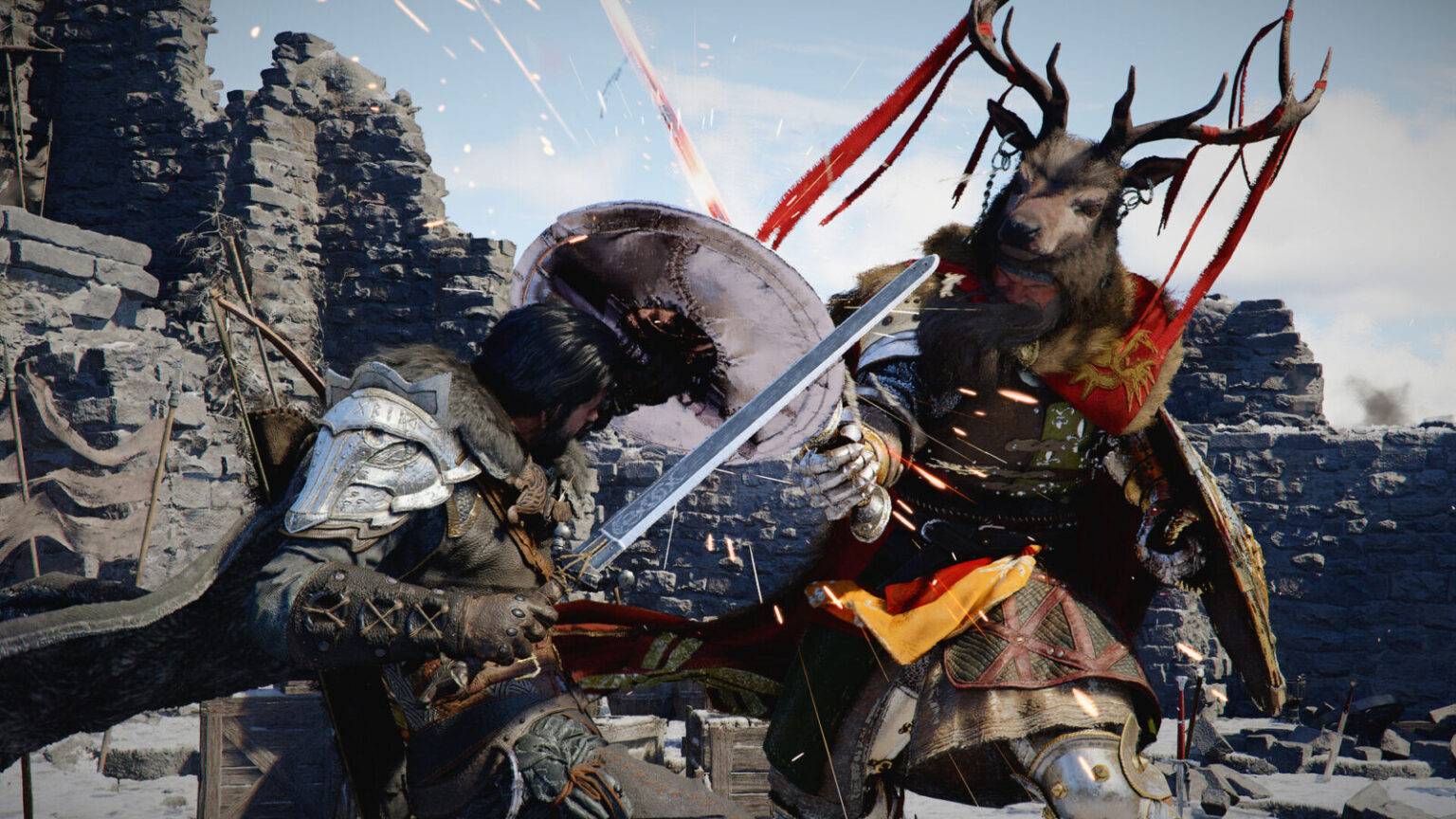
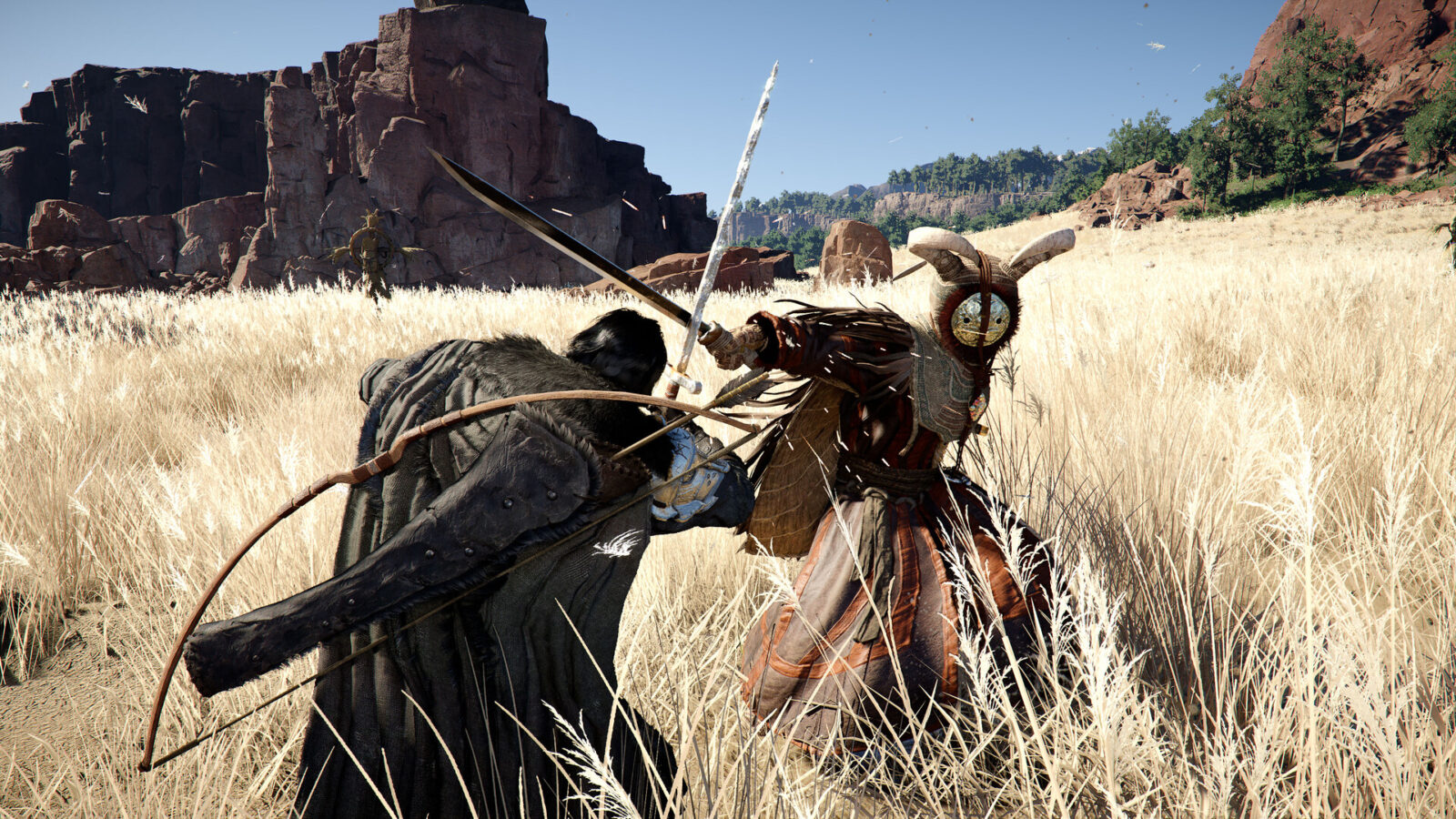
Combat, when it clicks, is absurdly satisfying. There’s a real physicality to it—hits land with that crunchy, exaggerated impact that reminds me of the best parts of Devil May Cry, except Kliff fights like he’s been secretly training in a martial arts dojo between cutscenes. I’d go from swinging a sword to launching into a flurry of kicks, then grappling someone into the dirt like I was choreographing my own action movie. Every now and then, I’d stumble into a fight that felt less like a system and more like a performance.
Those are the moments Crimson Desert wants to be remembered for.
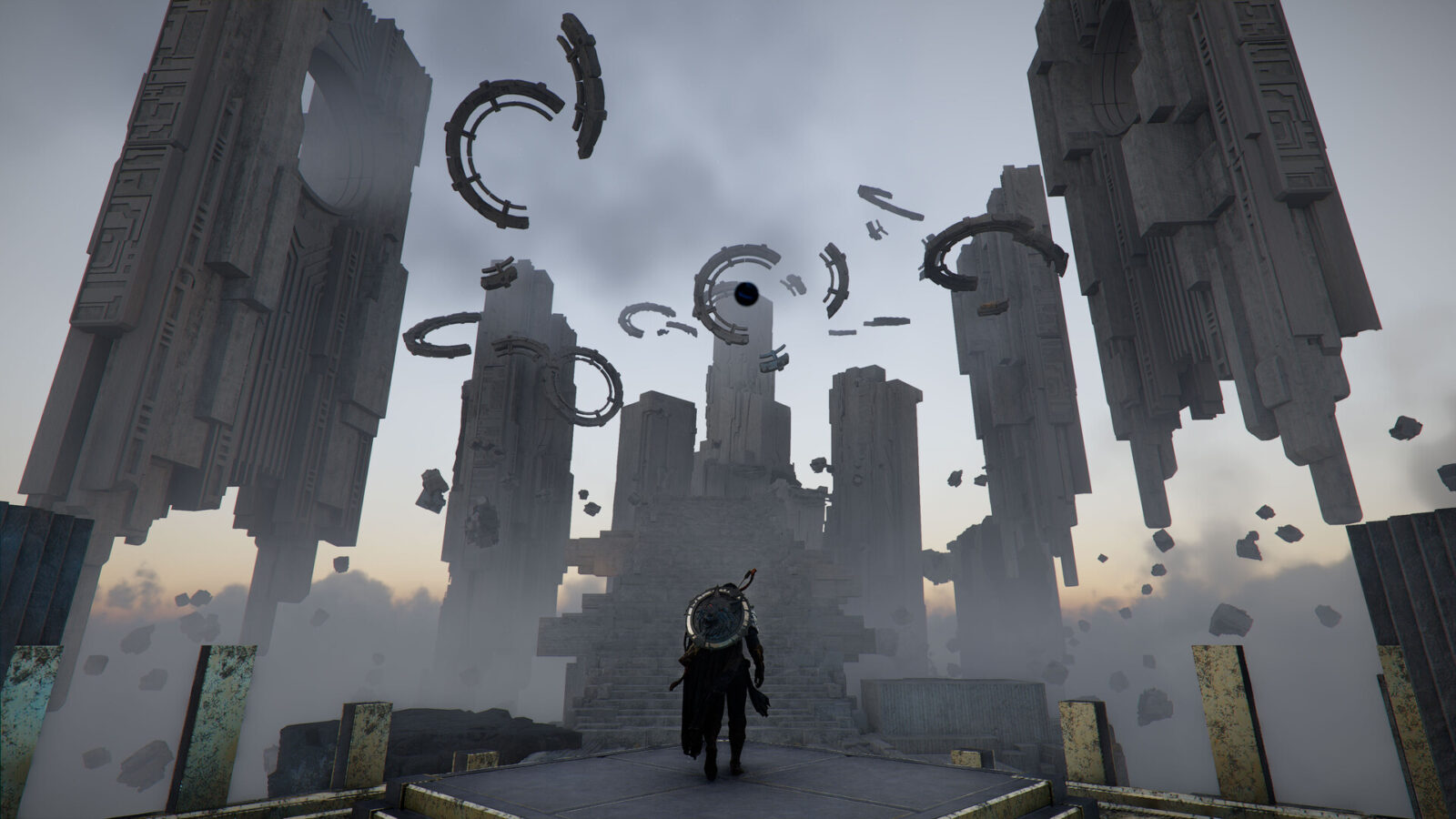
The problem is everything surrounding those moments feels like it was designed by an algorithm that studied “engagement” instead of “fun.”
Because once the noise settles, once the spectacle becomes routine, you start to see the structure underneath. And that structure? It’s not elegant. It’s not thoughtful. It’s grindy in a way that feels almost aggressively modern. The kind of design that assumes you have infinite time and a dangerously high tolerance for repetition.
There’s a point, maybe ten or fifteen hours in, where it hit me: I wasn’t really playing an open-world fantasy RPG anymore. I was clearing checklists. Killing enemies to fill progress bars. Running errands for NPCs I couldn’t describe five seconds after walking away from them. Harvesting materials like I’d accidentally clocked into a part-time job as a medieval resource manager.
That’s where the “prestige Candy Crush” feeling creeps in.
Not literally, of course—but structurally? Emotionally? Absolutely.
Everything is designed to keep you moving, keep you ticking boxes, keep you engaged in that low-effort, high-repetition loop. Clear the camp. Fill the meter. Collect the thing. Upgrade the gear. Repeat. It’s the same psychological treadmill, just dressed up in absurdly high production values and a fantasy skin that screams “serious video game.”
And the worst part is… it works. For a while.
I’d find myself saying, “Just one more objective,” the same way you say “just one more level” in a mobile game you swore you didn’t care about. Except here, that “one more” can stretch into an hour of doing things that feel weirdly empty once you step back and think about them.
What doesn’t help is that Crimson Desert desperately wants you to care about its story, but gives you almost nothing to hold onto.
Kliff, our brooding protagonist, has all the ingredients of a compelling lead—gruff voice, tragic past, loyal-to-a-fault energy—but none of the actual personality. He exists in that strange space where a character looks like a main character, sounds like a main character, but feels like a placeholder. The supporting cast doesn’t fare much better. They shout, they swear, they posture like they’re auditioning for a darker, edgier fantasy epic, but none of it sticks.
It’s all surface-level intensity. No texture. No flavor.
And that’s kind of the defining issue with Crimson Desert as a whole.
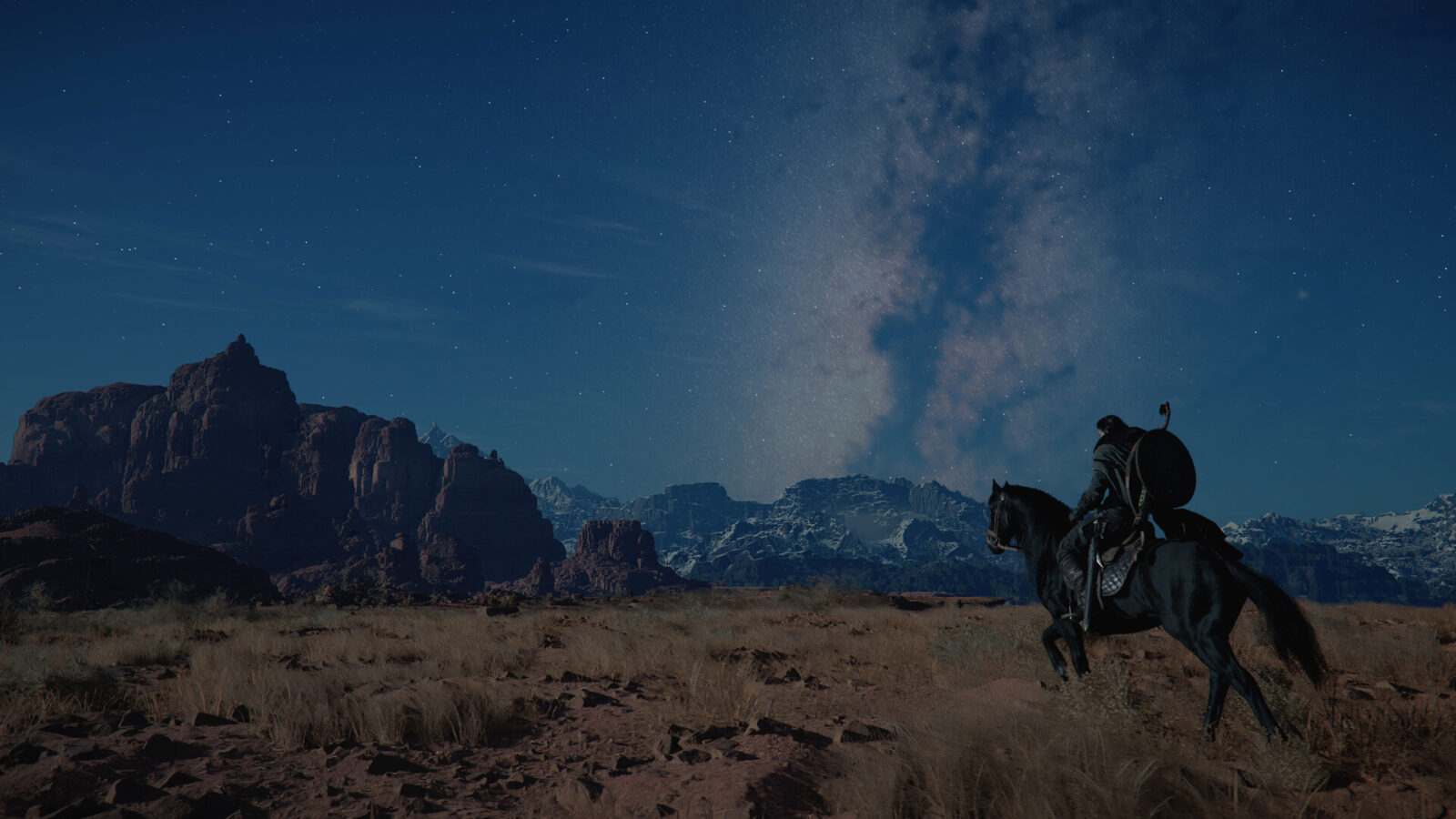
Because visually, this game is ridiculous. In a good way. There are moments where I genuinely stopped just to take it in—sunlight cutting through trees, distant mountains that look like matte paintings come to life, entire regions that feel handcrafted for that perfect “wow” shot. But unlike something like The Witcher, where the world feels lived-in and messy and specific, Pywel feels… curated. Sanitized. Like it was designed to impress, not to convince.
It’s a beautiful place that never quite feels real.
And the longer you play, the more that lack of identity starts to weigh on everything else. The systems pile up—crafting, camp management, cooking, exploration, combat, side activities, random mechanics that feel borrowed from five different genre-defining games—but they never quite come together into something cohesive. It’s less a finely tuned RPG and more a maximalist fever dream of “what if we included everything?”
At times, I admired the sheer audacity of it. There’s something almost charming about how unhinged it can be. One minute I’m in a grounded sword fight, the next I’m launching myself into the air, transforming into a bird, and dive-bombing enemies like this is some lost Assassin’s Creed fever dream.
But admiration isn’t the same as enjoyment.
Because eventually, the cracks become impossible to ignore. The pacing drags. The repetition sets in. The sense of discovery fades. And what you’re left with is a game that looks incredible, plays well in short bursts, but struggles to justify the sheer amount of time it demands from you.
By the end of my time with Crimson Desert, I felt weirdly conflicted. There’s a version of this game—somewhere buried under all that excess—that could have been phenomenal. A tighter, more focused experience that leaned into its strengths instead of trying to be everything at once.
Instead, what we got is something stranger.
A massive, technically impressive, occasionally thrilling open-world RPG that feels less like an adventure and more like a beautifully disguised grind.
Verdict
Crimson Desert is a spectacle-first open-world RPG that dazzles with its scale, combat, and visual fidelity, but loses itself in bloated systems, repetitive design, and a world that lacks true personality. It’s ambitious to a fault—sometimes brilliant, often exhausting.