
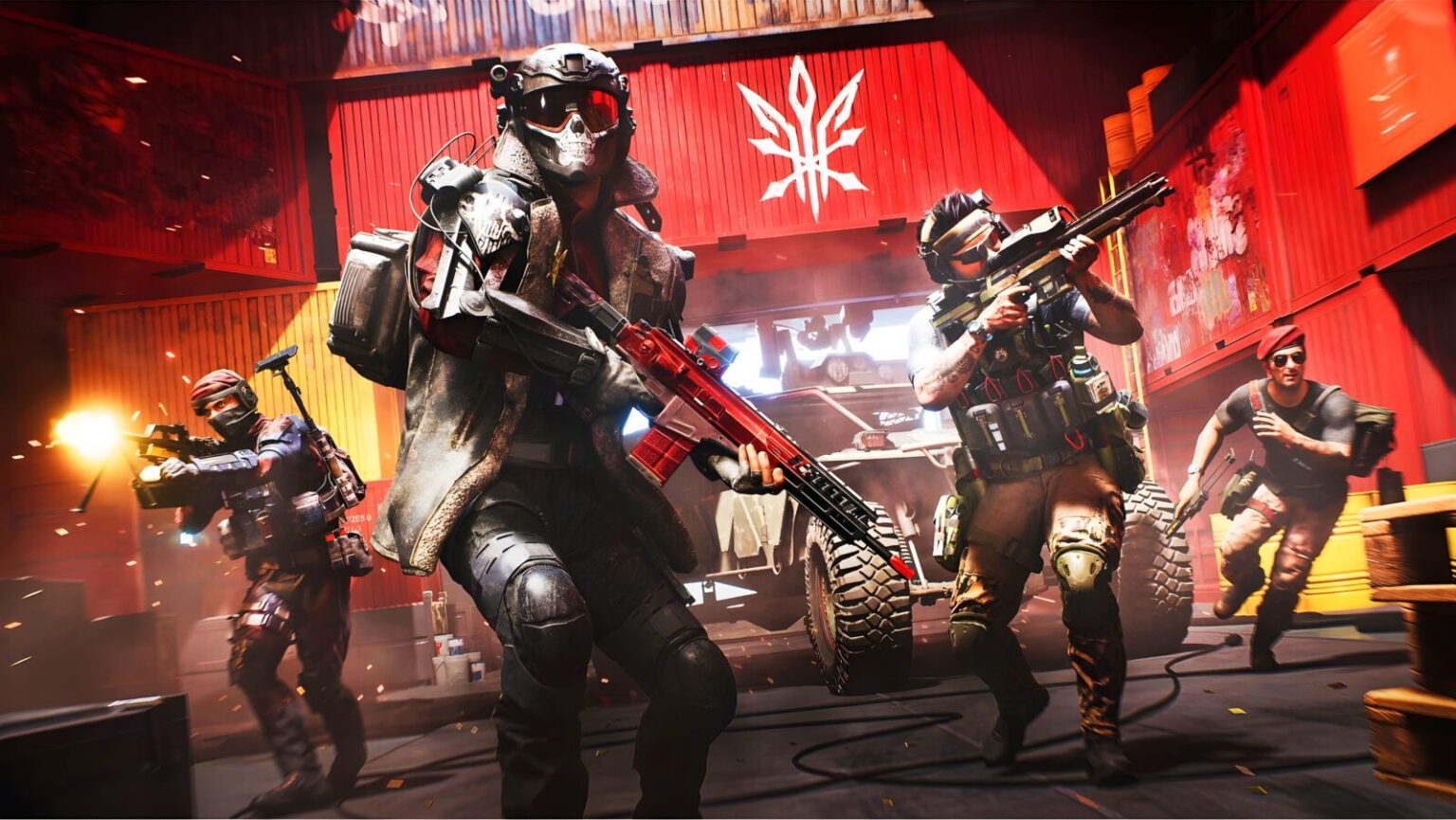
TL;DR: Battlefield 6 Season 2 delivers meaningful new maps, aggressive close-quarters weapons, experimental gas and night gameplay mechanics, and the return of the Little Bird — and that alone makes it worth dropping back in.
Battlefield season 2
If you’ve logged into Battlefield 6 Season 2 and immediately felt like you wandered into a chemical weapons testing facility halfway up a German mountain, congratulations — that’s the point. Season 2 doesn’t just add content. It shifts the mood. The lighting is harsher. The air is toxic. Helicopter rotors slice through pine trees. And somewhere in the distance, a Little Bird pilot is about to ruin your entire squad’s evening.
The Battlefield Season 2 roadmap isn’t subtle. It’s structured, deliberate, and clearly designed to escalate over time. Three monthly drops. New maps. New weapons. New vehicles. Limited-time modes that lean into atmosphere harder than a prestige HBO drama. And unlike some live-service seasons that feel like filler arcs, Battlefield 6 Season 2 actually pushes the sandbox forward in ways that matter.
Let’s break down what’s here, what’s coming, and why this season feels like DICE finally remembered what makes Battlefield chaos beautiful.
Battlefield 6 Season 2 Timeline and Structure
Battlefield 6 Season 2 runs for 12 weeks, ending on May 12, 2025. That’s the runway. Everything in the roadmap either lands before that date or rotates through as a limited-time experience. If Season 3 launches on schedule, it should take off immediately after, assuming no delays sneak in like an enemy recon with a suppressed SMG.
The season is divided into three distinct drops: Extreme Measures, Nightfall, and Hunter/Prey. Extreme Measures is the heavyweight opener. Nightfall narrows the focus and dims the lights. Hunter/Prey ties everything together with a narrative-style limited-time mode. The cadence mirrors Season 1 structurally, but the content here feels far more thematic. Season 2 isn’t just adding toys. It’s creating a tone.
Extreme Measures: Gas, Aggression, and the Return of the Little Bird
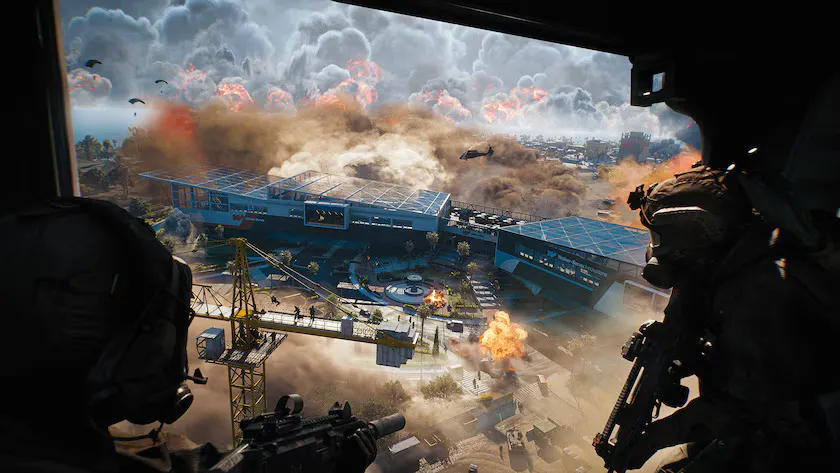
Extreme Measures is where Battlefield 6 Season 2 plants its flag. The new Contaminated map drops players into a German mountainside airbase wrapped in forest, cliffs, and military infrastructure. It’s big enough to breathe but tight enough to feel personal. Vehicles matter here. Elevation matters. And air control absolutely matters.
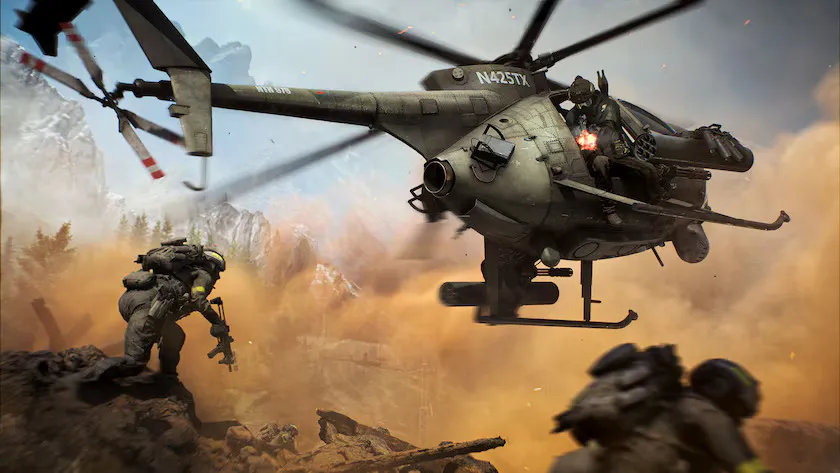
Which brings us to the headline act: the AH-6 Little Bird scout helicopter.
If you’ve played older Battlefield titles, you already know how this story goes. In skilled hands, the Little Bird is surgical. Agile but fragile, fast but unforgiving. It carries a full squad and mounts miniguns and light rockets that can dismantle careless infantry pushes. Watching a good pilot strafe a treeline feels like witnessing a speedrunner break your lobby.
On the ground, the weapon additions push the meta toward close-quarters aggression. The VCR-2 assault rifle behaves like it drank too much espresso and decided recoil was optional. It melts at short range but demands discipline. The M121 A2 LMG follows the same high fire rate philosophy, rewarding suppression-heavy players who enjoy turning corridors into bullet tunnels. The GRT-CPS DMR sits in an interesting middle ground, firing fast enough to stay competitive without losing its precision identity.
Engineers receive the 9K38 IGLA launcher, a lock-on system that requires active tracking rather than pure fire-and-forget laziness. It can reacquire targets after flares, which means pilots can’t just pop countermeasures and escape. Recon players get the HTI-MK2 gadget, a pulse-based countermeasure tool that disables enemy gadgets in bursts. It’s essentially electronic warfare in a backpack, and it adds a layer of tactical denial that rewards thoughtful timing.
Extreme Measures also introduces VL-7 Strike, a mode built around psychoactive gas clouds that distort vision and audio. If you’re not wearing a gas mask, you’re essentially fighting inside a fever dream. It’s chaotic in a way that feels experimental but intentional. Battlefield has always flirted with environmental hazards. Season 2 weaponizes them.
Nightfall: Darkness as a Design Choice
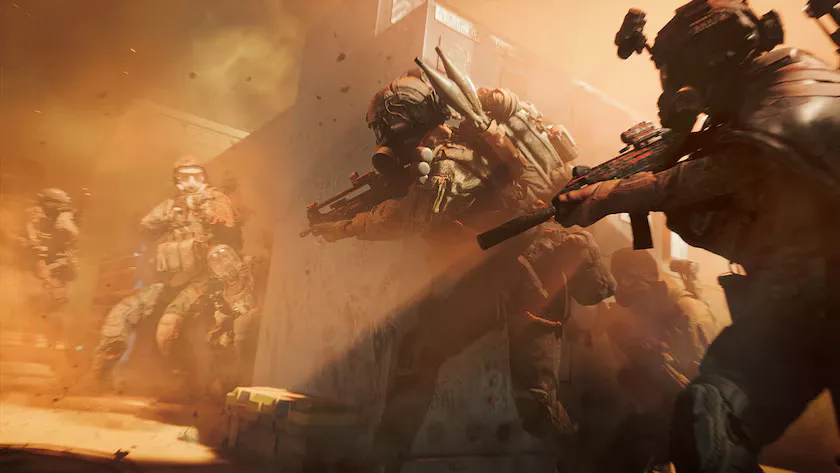
If Extreme Measures is loud and explosive, Nightfall is tense and claustrophobic. Hagental Base takes players underground into tunnel systems beneath the same mountain range introduced in Contaminated. It’s infantry-only. No tanks. No helicopters. Just boots, bullets, and destructible walls that let you carve new pathways through concrete and steel.
This is where Battlefield 6 Season 2 slows your breathing.
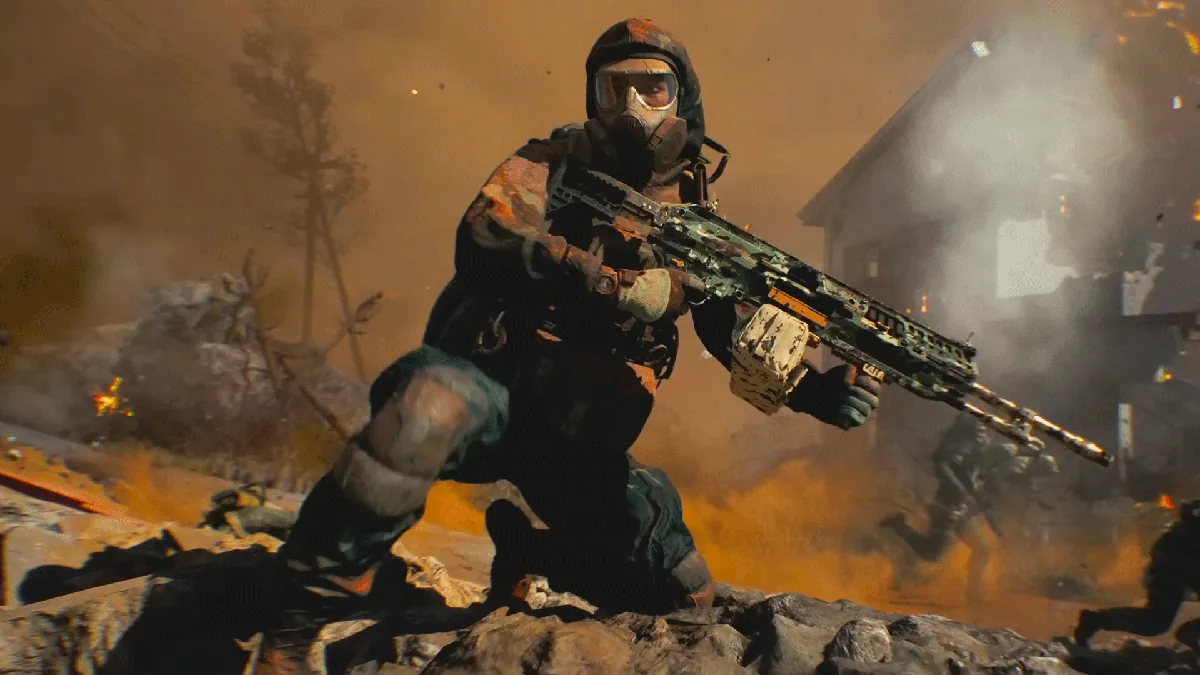
Nightfall’s limited-time mode equips everyone with night vision goggles. They have limited battery life. They can be countered by bright lights. Thermal optics suddenly become terrifyingly effective. Visibility becomes a mechanic rather than a given. You’re not just reacting to gunfire; you’re scanning shadows.
Weapon additions during Nightfall reinforce this tighter, faster combat loop. The MZ3A1 SMG, clearly inspired by the Scorpion Evo platform, is built for aggressive tunnel fights. It’s fast, controllable, and unforgiving at close range. The VZ. 61 machine pistol arrives as a sidearm option that feels almost nostalgic in its raw, compact lethality. Both weapons lean into Nightfall’s meat-grinder identity.
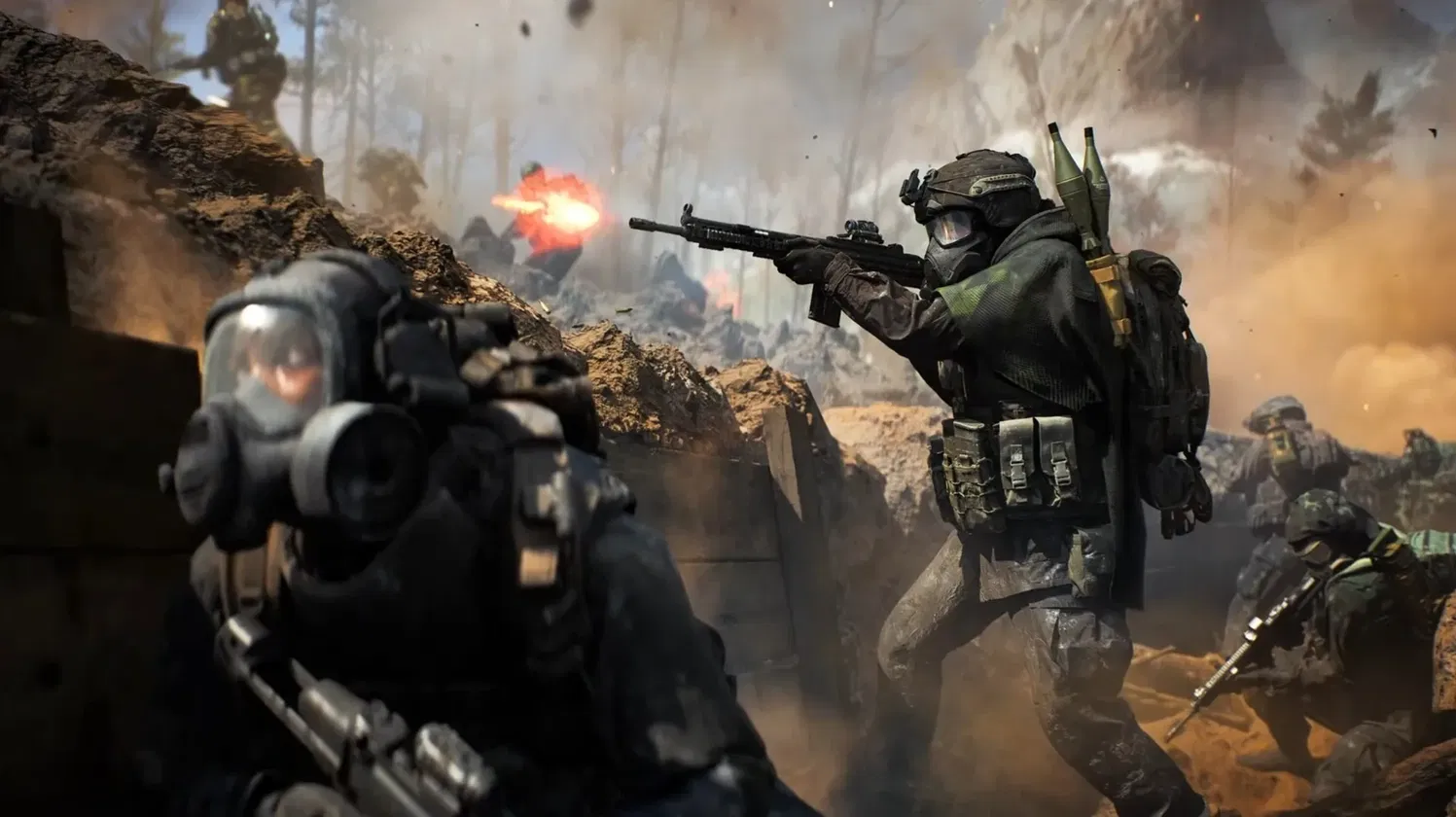
Redsec also gets attention during this phase, with altered Gauntlet playlists and a new underground point-of-interest on Fort Lyndon. Even the battle royale layer of Battlefield 6 Season 2 embraces the darkness theme, which shows a rare consistency across modes.
Hunter/Prey: Narrative Returns to the Battlefield
Hunter/Prey closes the season with Operation Augur, a limited-time mode that connects Contaminated and Hagental Base into a multi-stage assault experience. If you remember the Operations mode from Battlefield 1, you can almost hear the dramatic announcer voice already. One team pushes. The other defends. Success on the mountain transitions into combat underground.
This is Battlefield leaning back into large-scale narrative warfare rather than just playlist rotation.
Hunter/Prey also introduces the Light Tactical Vehicle, a fast transport option that prioritizes mobility and protection over firepower. It’s less about dominating and more about repositioning squads effectively. The season’s final weapon addition, the Kapok 14-inch machete, is gloriously theatrical. It’s impractical, dramatic, and comes with unique takedown animations. It exists purely to create moments. And honestly, that’s enough.
Redsec Evolves Alongside the Core Game
One of the more interesting aspects of Battlefield 6 Season 2 is how consistently Redsec evolves in parallel. The gas mechanic bleeds into battle royale with BR – Synthesis, forcing players to loot masks and manage exposure. High-value loot zones inside gas clouds create risk-reward scenarios that actually change how squads rotate.
There are also internal tests for a Redsec solo playlist. If implemented, it could significantly reshape pacing and survival dynamics. Season 2 isn’t just adding content; it’s experimenting with structure.
What’s Being Tested for the Future
Battlefield Labs has teased future changes that extend beyond Season 2. Aircraft radar systems are under evaluation, potentially restoring a dedicated radar experience reminiscent of older Battlefield entries. Missile tuning is planned, with RPG and TOW adjustments in the pipeline. Hit registration improvements are actively being validated, which is critical for long-term competitive health.
And then there’s Golmud Railway.
It’s being rebuilt for Battlefield 6 and is expected to become the largest map in the game when it arrives in a future season. For veterans, that name alone carries weight. Open vehicle combat. Long sightlines. Classic Battlefield sandbox energy. Season 2 doesn’t deliver it yet, but it sets the stage.
How Battlefield Season 2 Feels Compared to Season 1
Season 1 felt foundational. It stabilized systems. It delivered expected content.
Battlefield 6 Season 2 feels braver.
Gas hallucinations. Night vision warfare. Underground infantry chaos. The Little Bird’s triumphant return. There’s more personality here. More risk. More willingness to bend the formula slightly without breaking it.
The weapon pool shifts toward high fire rate engagements. The maps contrast scale and claustrophobia. The modes lean into environmental storytelling. It feels curated rather than assembled.
Real-World Impressions From the Front Lines
After several hours on Contaminated, one thing is clear: air superiority matters again. A strong Little Bird pilot changes the flow of an entire match. The VCR-2 dominates short lanes but punishes sloppy recoil control. The IGLA forces pilots to think twice before hovering.
Hagental Base delivers exactly what infantry-focused players crave: relentless engagements, creative flanking through destructible walls, and the constant paranoia of limited visibility. Nightfall’s goggles mechanic adds just enough friction to make every firefight feel intentional.
Battlefield 6 Season 2 isn’t flawless. Some balancing will inevitably be required. But the foundation is compelling.
Verdict
It doesn’t reinvent the franchise. It doesn’t fix every lingering issue overnight. But it meaningfully expands the sandbox with distinct maps, impactful weapons, thematic limited-time modes, and vehicles that genuinely change the flow of matches. The Battlefield Season 2 roadmap feels cohesive rather than scattered.
If this is the direction Battlefield 6 is heading into Season 3 and beyond, I’m cautiously optimistic — and more importantly, I’m having fun again.