
TL;DR: Looks great, sounds great, starts strong—then collapses into shallow combat, missed narrative potential, and a whole lot of wasted promise.
1348 Ex Voto
I went into 1348 Ex Voto expecting something grim, intimate, and maybe even a little transformative—the kind of historical action game that lingers in your head long after the credits roll. The opening minutes really sell that fantasy. There’s a quiet confidence in how it presents its plague-ravaged world: mist clinging to jagged hillsides, performances that feel unusually grounded for a hack-and-slash, and combat animations that initially suggest a heavier, more deliberate system than your average button-masher. For a brief, almost cruel stretch of time, I thought I had stumbled onto something special.
And then, slowly but unmistakably, that illusion collapses.
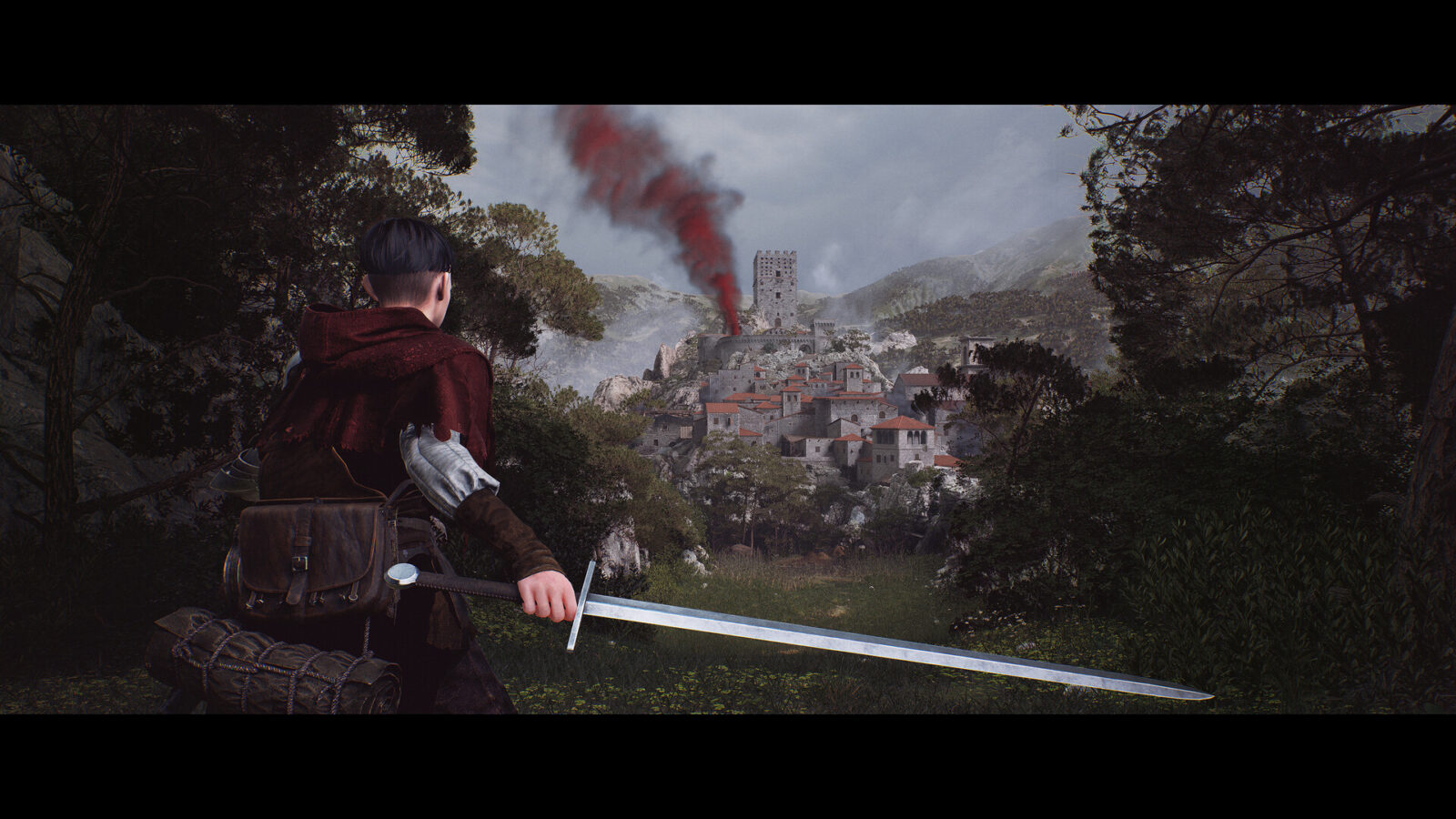
What hurts the most about 1348 Ex Voto isn’t that it’s outright terrible—it’s that it keeps teasing the idea that it could have been great. You can feel the ambition buried under everything, like a cathedral foundation that never quite got built upon. It’s a game constantly gesturing toward depth and then immediately backing away from it.
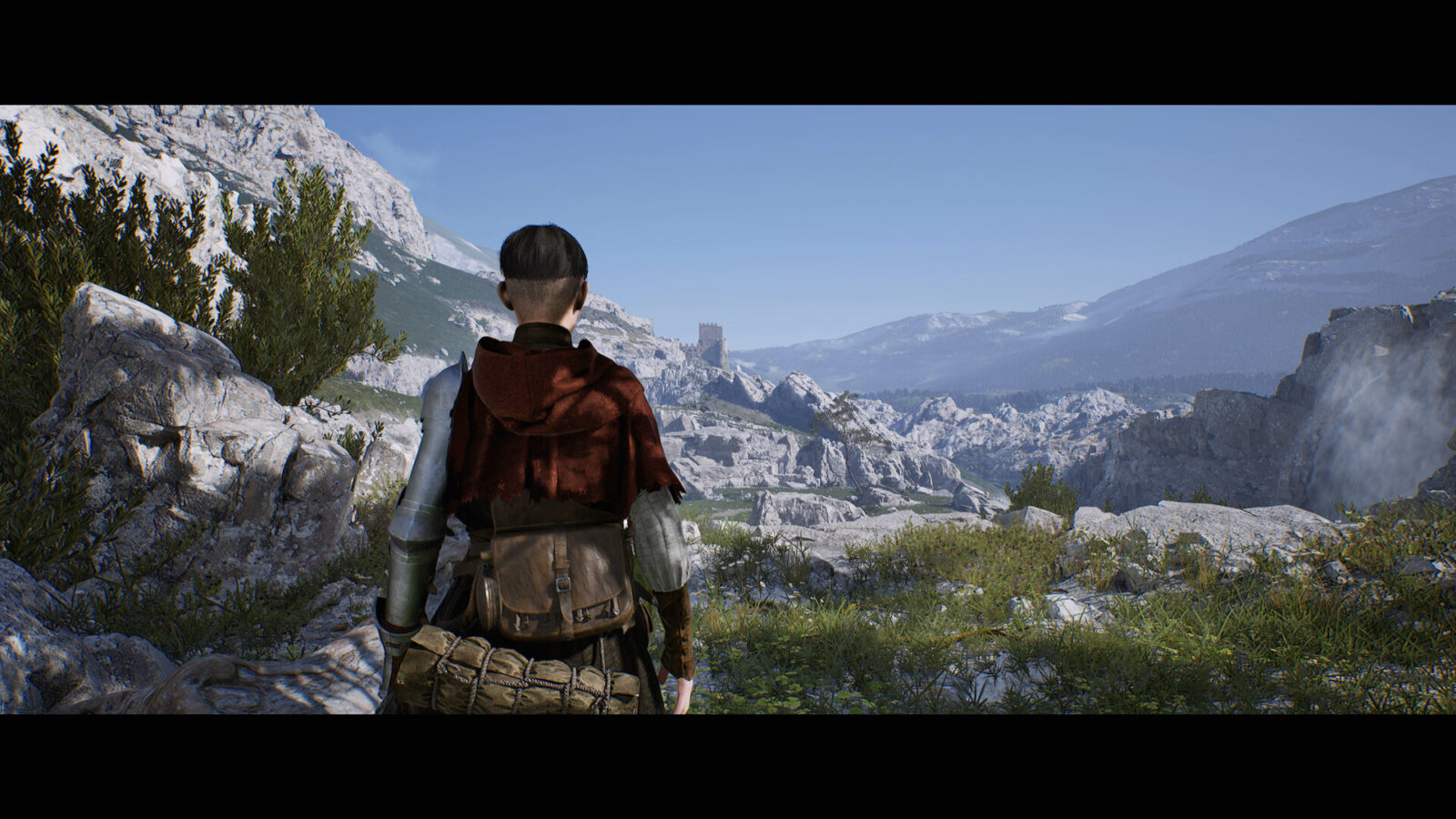
I spent most of my time with Aeta, our knight errant, feeling like I was chasing a version of the game that only exists in its own opening act. Her journey through a plague-stricken land to rescue Bianca should feel urgent, desperate, maybe even mythic. Instead, it settles into something oddly flat. The premise itself is solid enough—village destroyed, child kidnapped, lone warrior in pursuit—but the storytelling never finds a rhythm that elevates it beyond “go there, kill that, repeat.”
There are glimpses of something more interesting. Aeta’s identity, for example, is introduced with just enough intrigue to make you lean forward. The way others misread her, the way she chooses not to correct them—it hints at something layered, something personal. But just when it feels like the narrative might actually engage with that tension, it drops the thread entirely. It’s like watching a show set up a compelling subplot and then forget it exists halfway through the season.
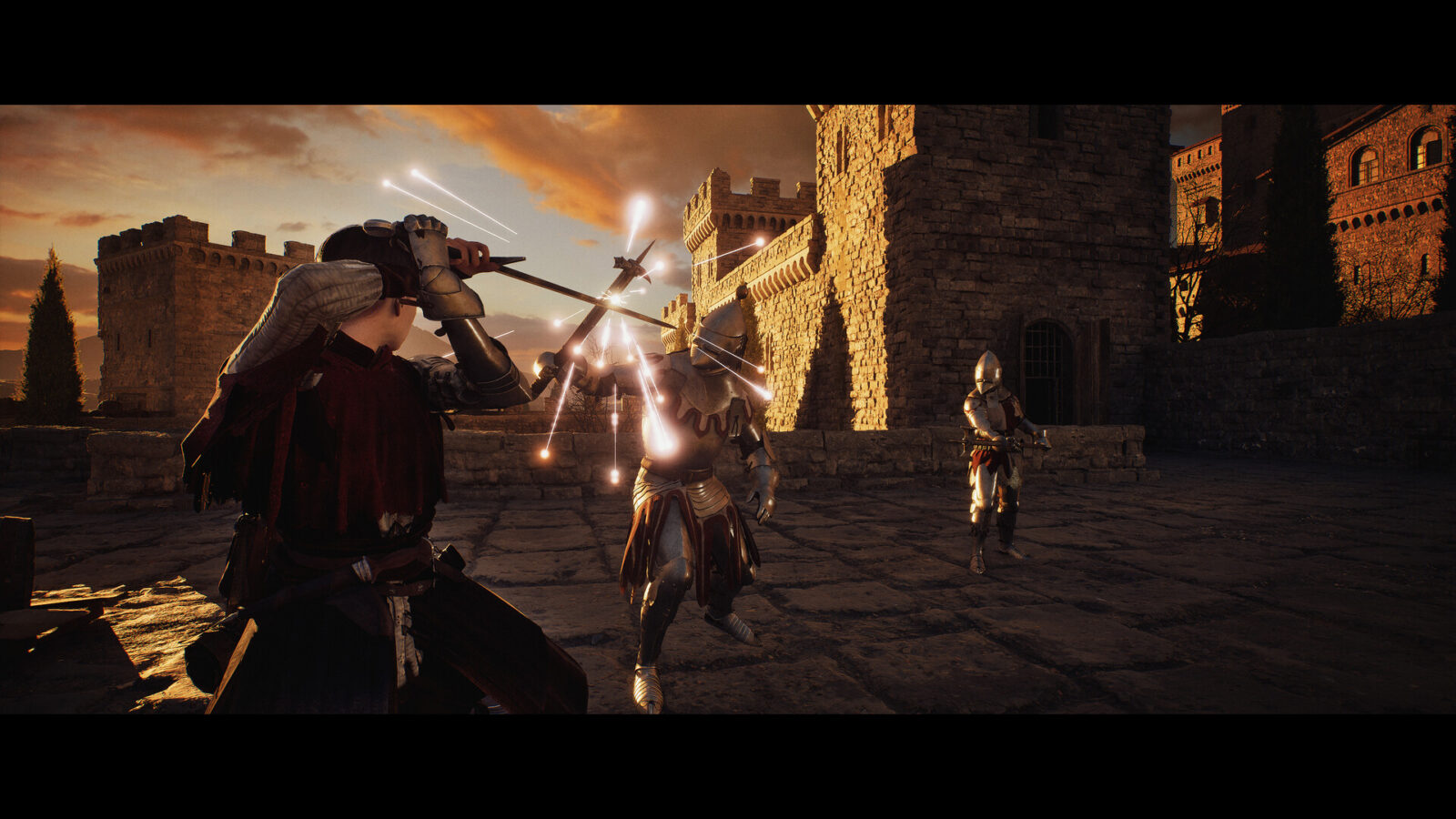
The same goes for the relationship between Aeta and Bianca. There’s a flicker of emotional complexity early on, something that could have evolved into either a nuanced bond or a quietly tragic romance. Instead, it drifts into ambiguity and then into nothing. By the end, I wasn’t moved—I was just confused about what the game wanted me to feel.
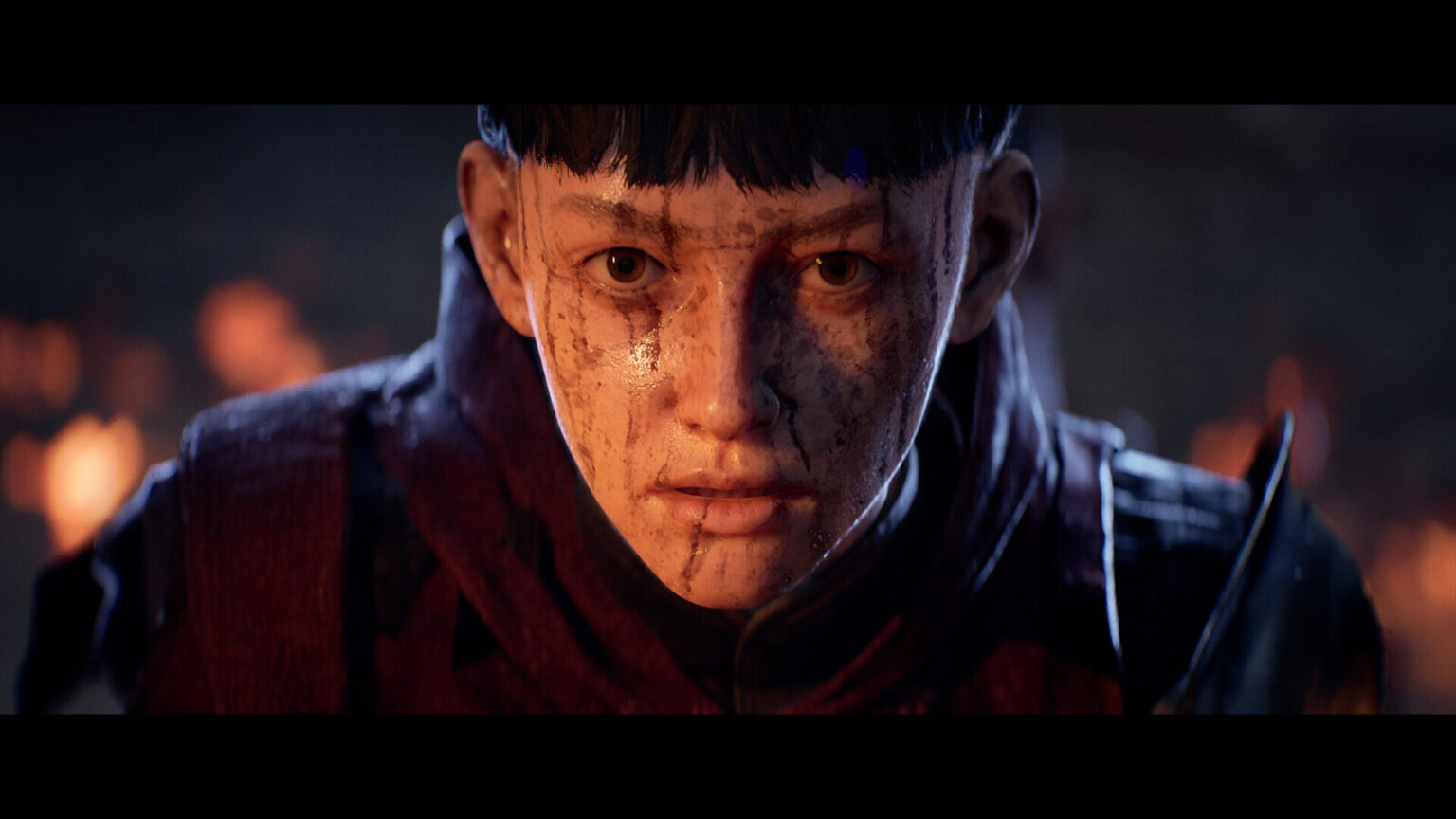
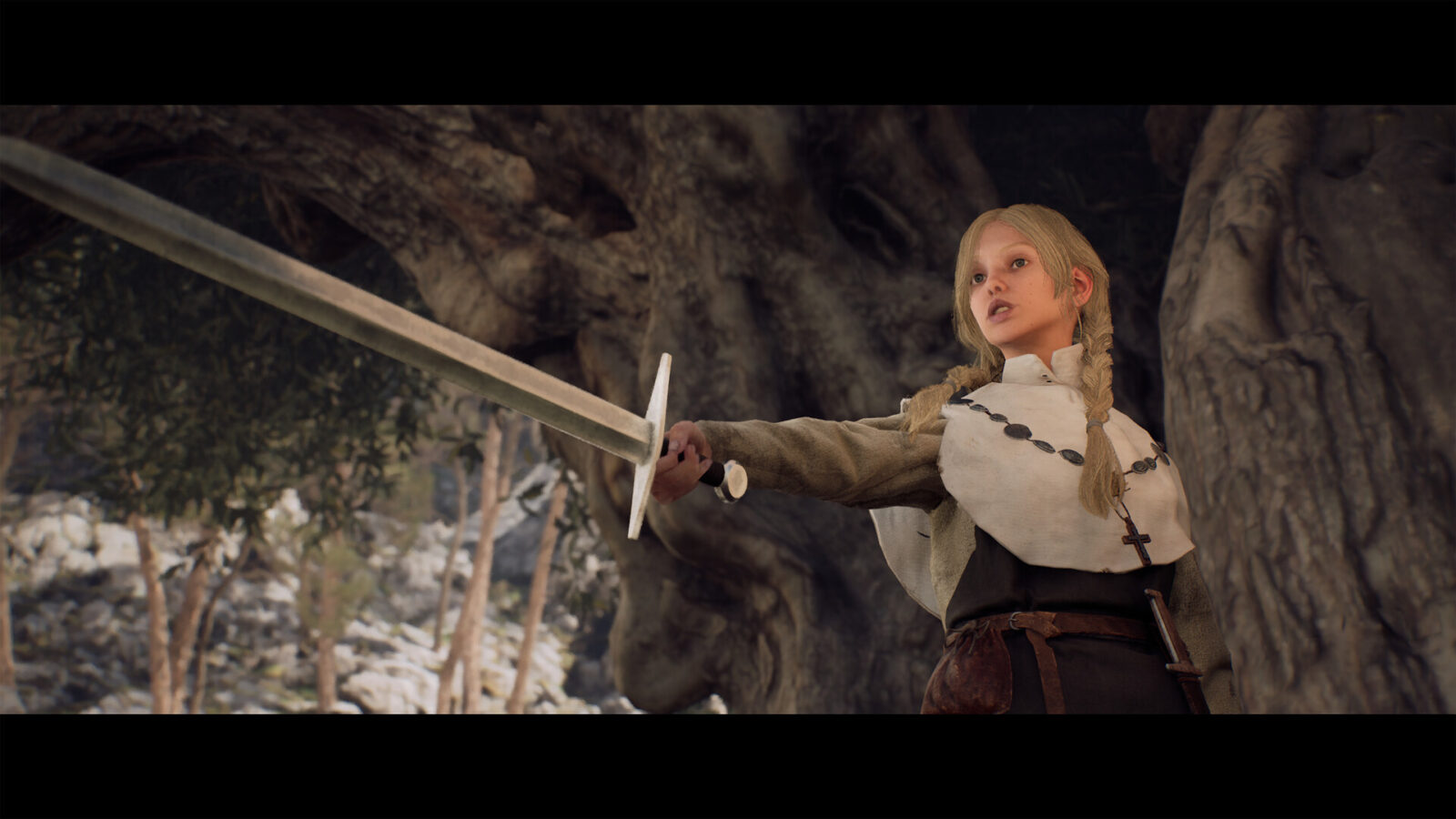
Oddly enough, the performances almost save it. There’s a sincerity in the voice acting that carries scenes further than the writing deserves. I found myself invested in individual moments purely because the actors commit so hard to the material. The cinematography, too, deserves credit. There are stretches where the camera framing and pacing feel closer to a prestige drama than a mid-budget action game. It’s not quite arthouse, but it’s trying—and I respect that.
But then a character’s face glitches mid-monologue, their expression twisting into something unintentionally horrifying, and the illusion shatters again.
That push-and-pull between promise and disappointment defines the entire experience, especially once the game hands control over to you.
Because actually playing 1348 Ex Voto is… a slog.
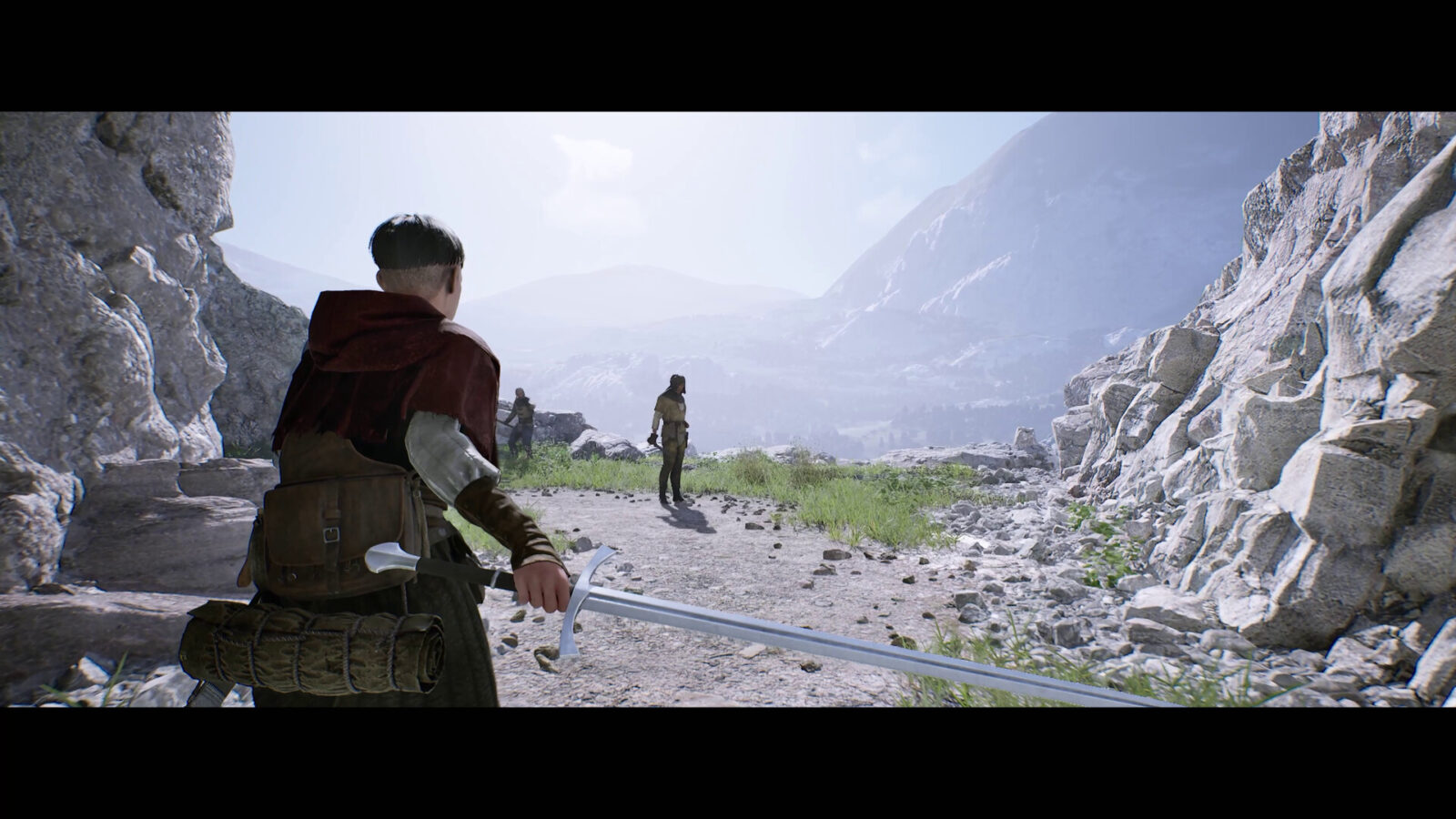
The structure is aggressively predictable. Every chapter feels like it was stamped out using the same template: spot a distant landmark, walk toward it, get interrupted by combat arenas that exist purely because the game needs something for you to do. There’s no real sense of discovery, no meaningful deviation. It’s linear in the least interesting way possible—not focused, not curated, just rigid.
Exploration should be a highlight, especially with environments that look as striking as these from a distance. And to be fair, when you’re standing on a hillside looking out over forests or pale stone cliffs, it can be genuinely beautiful. But the closer you get, the more it falls apart. Textures smear, edges jag, and the illusion of detail gives way to something noticeably rough.
Even the act of exploring feels clunky. I lost count of how many times I knew an item was nearby but couldn’t pick it up because I wasn’t standing at exactly the right angle, like some invisible geometry was gatekeeping basic interaction. Simple actions—ducking under obstacles, dropping from ledges—turned into awkward little battles with the controls. It’s the kind of friction that doesn’t ruin a game outright but slowly erodes your patience until you realize you’re just not having fun anymore.
And then there’s the combat, which ends up being the biggest disappointment of all.
At first glance, it seems like there’s some depth here. You’ve got different stances, light and heavy attacks, guard-breaking mechanics. It gestures toward complexity. But after a couple of encounters, you start to see the pattern—and once you see it, you can’t unsee it.
Every fight becomes a variation of the same routine. Hit enemies until their guard breaks, unload a combo, repeat. There’s a rhythm, sure, but it’s a dull one. Switching between attack styles rarely feels meaningful, and enemy behavior doesn’t evolve enough to force you to adapt. Even the skill upgrades, which should inject some excitement into the system, just make you better at doing the same thing you were already doing.
I kept waiting for the combat to open up—for a new mechanic, a surprising enemy type, anything that would force me to rethink my approach. It never came. Instead, the game leans on minor modifiers and equipment bonuses that tweak numbers without changing the underlying experience. You can build around certain playstyles, technically, but the game never demands it. You can coast through most encounters by sticking to the basics, which makes all that customization feel optional in the least satisfying way.
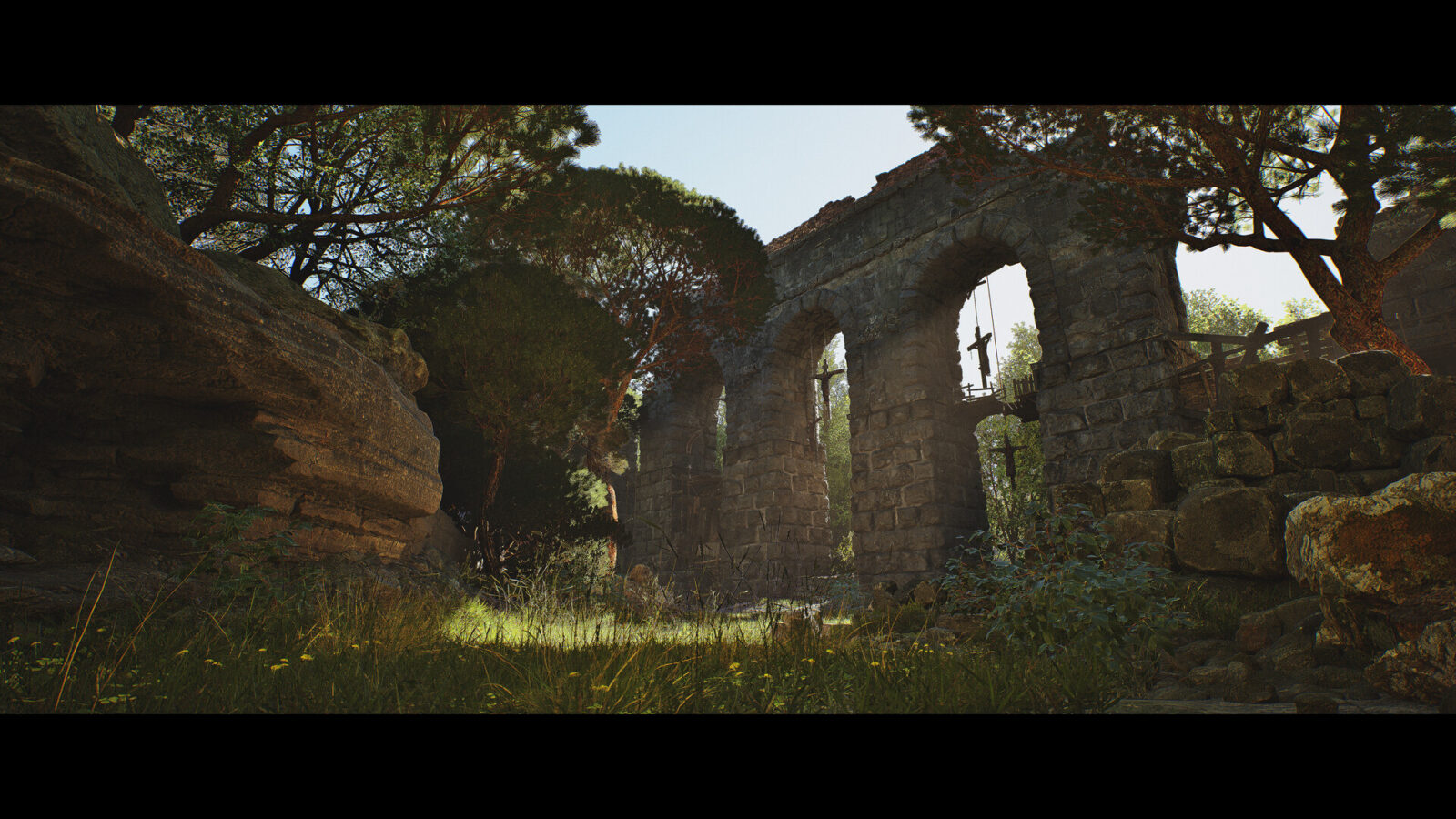
There were moments—brief, fleeting moments—where everything almost clicked. A well-acted cutscene leading into a fight, the wind cutting across a ruined landscape, the sense that maybe this next section would finally deliver on the game’s early promise. But those moments never lasted. They always gave way to another repetitive skirmish, another awkward interaction prompt, another reminder that the game’s ambition far outstrips its execution.
By the time I reached the end of its relatively short runtime, I wasn’t angry. I was just tired.
1348 Ex Voto isn’t broken beyond recognition, and it’s not devoid of merit. There’s real talent here—in the performances, in the visual direction, in the initial concept. But it feels like a project that ran out of time, or focus, or maybe just conviction. It sets up ideas it doesn’t explore, builds systems it doesn’t deepen, and creates a world it doesn’t fully utilize.
It’s a game that wants to be remembered for its story and atmosphere, but insists on being played like a shallow action title—and that mismatch drags everything down.
Verdict
1348 Ex Voto is a frustratingly beautiful misfire. It opens with confidence, hinting at a richer, more thoughtful experience, but quickly settles into repetitive combat and underdeveloped storytelling. Strong performances and striking environments can’t carry a game that never fully commits to its own ideas.