

The Game Awards 2025 unfolded as a familiar blend of celebration, promotion, and industry signaling, but this year’s event stood out for how decisively one title shaped the narrative. Held on December 11 at the Peacock Theater in Los Angeles, the show balanced its usual flood of trailers and announcements with an awards slate that reflected both creative ambition and the current commercial realities of big-budget game development. While dozens of projects were showcased, the ceremony ultimately became a referendum on a handful of key games that defined the year and, in some cases, the years ahead.
At the center of the night was Clair Obscur: Expedition 33 from Sandfall Interactive. Entering the ceremony with a record-breaking number of nominations, the game went on to claim Game of the Year along with best narrative, best RPG, best game direction, best art direction, best score and music, best indie game, and best debut indie game. Jennifer English also received best performance for her role in the game. Clair Obscur stood out not because of technical excess or blockbuster scale, but due to its cohesive artistic identity. Drawing heavily from European art, surrealist themes, and turn-based combat systems that feel deliberately paced rather than nostalgic, the game positioned itself as an alternative to the dominant open-world formula. Its success suggests that critics and juries remain receptive to tightly focused, stylistically confident projects, even in a market dominated by sequels and live-service titles.
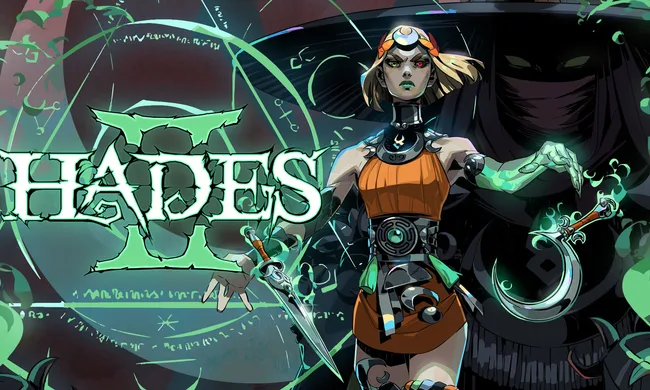
Hades II, which won best action game, represented a different kind of continuity. Supergiant Games’ sequel builds directly on the structure of the original Hades while expanding its systems, cast, and mythological scope. Rather than reinventing its core loop, Hades II refined what already worked, adding depth to progression systems and narrative branching. The award reflects a broader trend: sequels that respect their foundations while introducing enough mechanical nuance to justify their existence are still highly valued.
Hollow Knight: Silksong, one of the most anticipated releases of the decade, took home best action and adventure game. Despite its long development cycle, the game has largely avoided backlash by maintaining a clear identity and steady communication. Its recognition at The Game Awards reinforces how sustained anticipation, when paired with consistent quality, can translate into critical goodwill rather than fatigue.
In the ongoing games category, No Man’s Sky continued its unlikely second life by winning best ongoing game. Nearly a decade after its original release, the title remains a case study in long-term post-launch support. While the award does not erase the game’s troubled debut, it acknowledges the scale and persistence of its updates, which have steadily transformed it into something closer to its original pitch.
Mario Kart World claimed best sports and racing game, reflecting Nintendo’s continued dominance in accessible multiplayer design. While not revolutionary, the game benefits from strong fundamentals, broad appeal, and a franchise that remains culturally resilient across generations.
Baldur’s Gate 3, now well into its post-launch lifecycle, won best community support. The award highlights Larian Studios’ ongoing engagement with players through updates, balance changes, and responsiveness to feedback. It also underscores how community trust has become a measurable metric of success alongside sales and review scores.
South of Midnight received the Games for Impact award, signaling recognition for titles that prioritize thematic weight and social commentary. Meanwhile, Doom: The Dark Ages won innovation in accessibility, reflecting a growing industry emphasis on inclusive design beyond surface-level options.
Beyond the awards, the announcements carried much of the night’s momentum. Capcom confirmed that Pragmata will finally launch on April 24, ending years of uncertainty around the project. The new footage emphasized its science fiction tone and slower, more deliberate pacing, setting it apart from Capcom’s more action-heavy franchises. Capcom also revealed Mega Man Dual Override and Resident Evil Requiem, reinforcing its strategy of rotating between legacy franchises rather than relying on a single pillar.
Crystal Dynamics’ double reveal of Tomb Raider: Legacy of Atlantis and Tomb Raider: Catalyst outlined a long-term plan for the series. Legacy of Atlantis is positioned as a modern remake of the original Tomb Raider, rebuilt in Unreal Engine 5 with updated controls and level design, while Catalyst is a full sequel set in Northern India. Together, they suggest a dual-track approach: revisiting the franchise’s roots while pushing its narrative forward.
Larian Studios confirmed its return to the Divinity series, a move that signals continuity after the success of Baldur’s Gate 3 rather than a radical shift. Remedy showcased Control Resonant, expanding the Control universe with heavier anime-inspired visual influences, while Housemarque delayed Saros to April 30, acknowledging the ongoing challenges of polishing large-scale projects.
Star Wars maintained a strong presence throughout the show. Fate of the Old Republic, an action RPG led by veterans of Mass Effect and Knights of the Old Republic, aims to reintroduce narrative depth to the franchise’s gaming output. Star Wars Galactic Racer, meanwhile, leans into nostalgia with a modern take on podracing, targeting a 2026 release.
Other notable announcements included Jonathan Blow’s Order of the Sinking Star, Frictional Games’ Ontos, and Total War: Warhammer 40,000 from Creative Assembly. The night also made room for lighter or stranger moments, such as Werner Herzog’s involvement in Warframe content and a Super Mario Galaxy movie trailer, reinforcing how The Game Awards increasingly function as a cross-media showcase rather than a games-only event.
Taken together, The Game Awards 2025 presented an industry that is cautious but not stagnant. While sequels, remakes, and established franchises dominated the announcements, the awards themselves showed a willingness to recognize originality when it arrives fully formed. Clair Obscur: Expedition 33’s sweep may prove to be the exception rather than the rule, but it served as a reminder that creative risk, when executed with discipline, still has a place on gaming’s biggest stage.