
Nintendo is moving ahead with plans to expand its internal development network, announcing that it will acquire a majority stake in Bandai Namco Studios Singapore. Once the transaction is completed, the studio will operate as a Nintendo subsidiary under the new name Nintendo Studios Singapore. The move aligns with Nintendo’s recent signals to investors that it intends to bring more partner studios in-house as it prepares for the transition to its next hardware generation, widely referred to as Nintendo Switch 2.
The acquisition structure is incremental: Nintendo intends to hold 80% of the studio’s shares by April 2026, with the remaining shares to be purchased later once operations stabilize under the new ownership. Rather than pursuing large-scale, industry-altering acquisitions, Nintendo’s strategy remains consistent with its historical pattern—integrating teams that have collaborated closely with the company over long periods. This approach mirrors previous acquisitions of Retro Studios, Next Level Games, and Brownie Brown, each of which already had deep working relationships with Nintendo before becoming full subsidiaries.
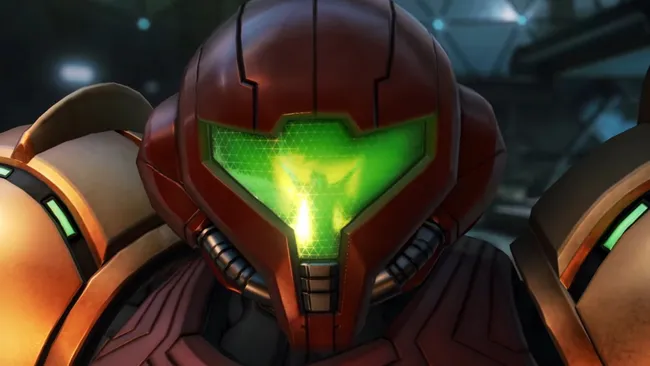
Bandai Namco Studios Singapore has supported several Nintendo projects in recent years, contributing art, animation, character work, and environments for titles such as Splatoon 3. It has also been credited on games developed collaboratively between Nintendo and Bandai Namco Studios, including Mario Sports Superstars and New Pokémon Snap. The studio has circulated in industry discussions for some time due to persistent but unconfirmed rumors that it initially worked on Metroid Prime 4 before development shifted to Retro Studios in 2019. Nintendo never acknowledged those reports, but the speculation has kept the studio’s name in the wider conversation about its relationship with the company.
Leadership ties also continue to overlap. Studio CEO Makoto Ishii has appeared in credits across multiple Nintendo titles, including Kirby Air Riders and Mario Kart World, as well as in special thanks sections for Super Smash Bros. for 3DS/Wii U and Super Smash Bros. Ultimate. These cross-project connections highlight why Bandai Namco Studios Singapore fits Nintendo’s established acquisition philosophy: integrating teams that already function within its ecosystem.
Nintendo’s stated priority is strengthening development capacity as it shifts focus toward its next console while still supporting the existing Switch audience. With the industry moving through a period of consolidation and shifting production demands, the company appears to be reinforcing its pipeline rather than expanding it dramatically. The acquisition of Bandai Namco Studios Singapore gives Nintendo another dedicated team with experience on major franchises and internal workflows, potentially increasing stability as it navigates a multiyear hardware transition.