


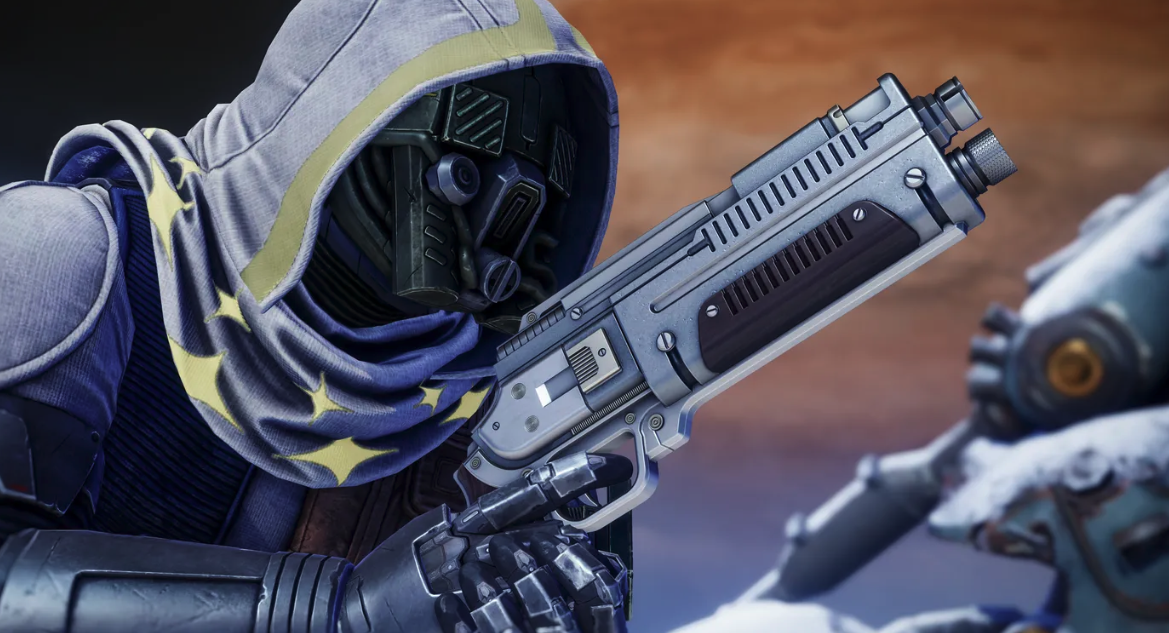
Destiny 2 is closing in on a decade, and the game’s age is beginning to show in ways longtime players know well: a sprawling saga that can be difficult to follow, a power grind that demands constant catch-up, and seasonal rhythms that have struggled to maintain momentum. After The Final Shape and the first steps into The Edge of Fate era, many Guardians found 2025 to be a year of stop-and-start progress. Yet the core appeal of Bungie’s shared-world shooter—the mix of cooperative chaos, sharp gunplay, and deep lore—still gives the studio room to rethink how Destiny evolves from here.
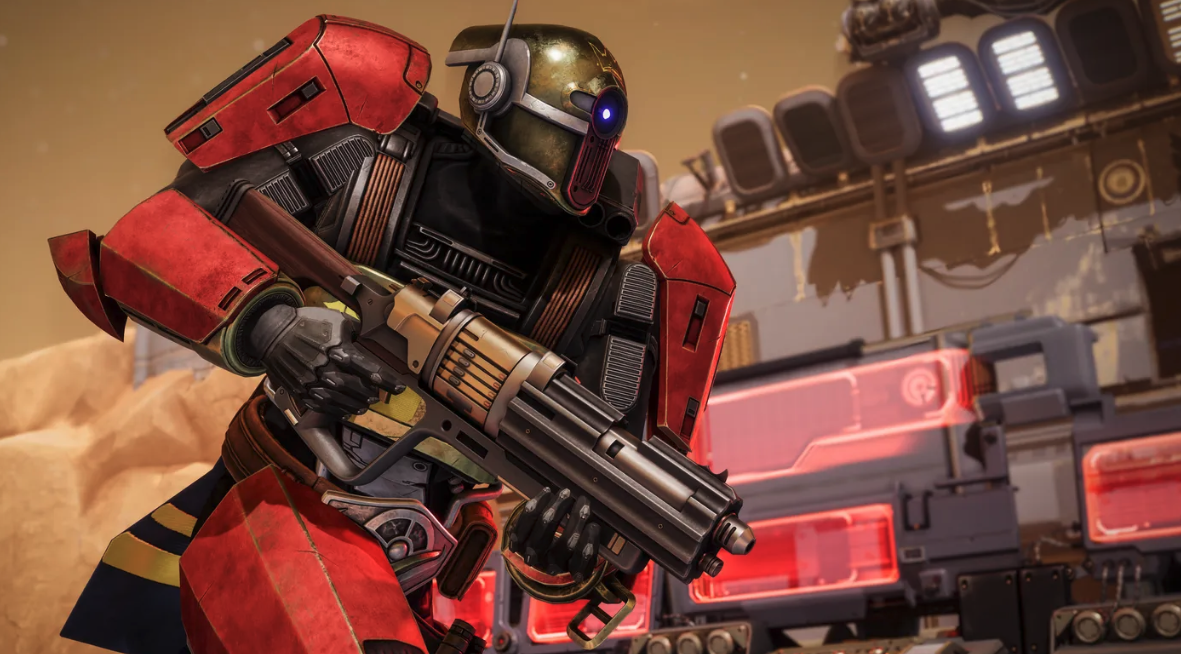
Renegades, the next expansion, appears to be Bungie’s attempt to course-correct by shifting tone more than rewriting the formula. Instead of another existential crisis revolving around cosmic powers, the story drops players into the Lawless Frontier, where alliances are fluid and the rules are written by whoever survives long enough to enforce them. The Drifter steps back into focus, warning of the Barrant Imperium, a Cabal faction aligned with a fallen Guardian named Bael. Without the Vanguard’s oversight, players are nudged into working with syndicates that operate far outside the usual military hierarchy, giving the expansion a different texture than the galaxy-spanning arcs that dominated recent years.
The influence of Star Wars is not subtle, but it’s also not a direct crossover. Renegades borrows the mood—the scoundrel’s path, the shifting loyalties, the frontier politics—more than the iconography. Where Fortnite leaned into direct mashups, Bungie instead uses its own worldbuilding as a scaffold to explore the familiar rhythms of a space opera. It’s an approach that feels deliberate rather than ornamental, drawing on the same impulses behind Forsaken’s space-western framing but now supported by a formal collaboration with Lucasfilm. The result reads less like a franchise tie-in and more like an opportunity to tighten tone and structure within Destiny’s own boundaries.
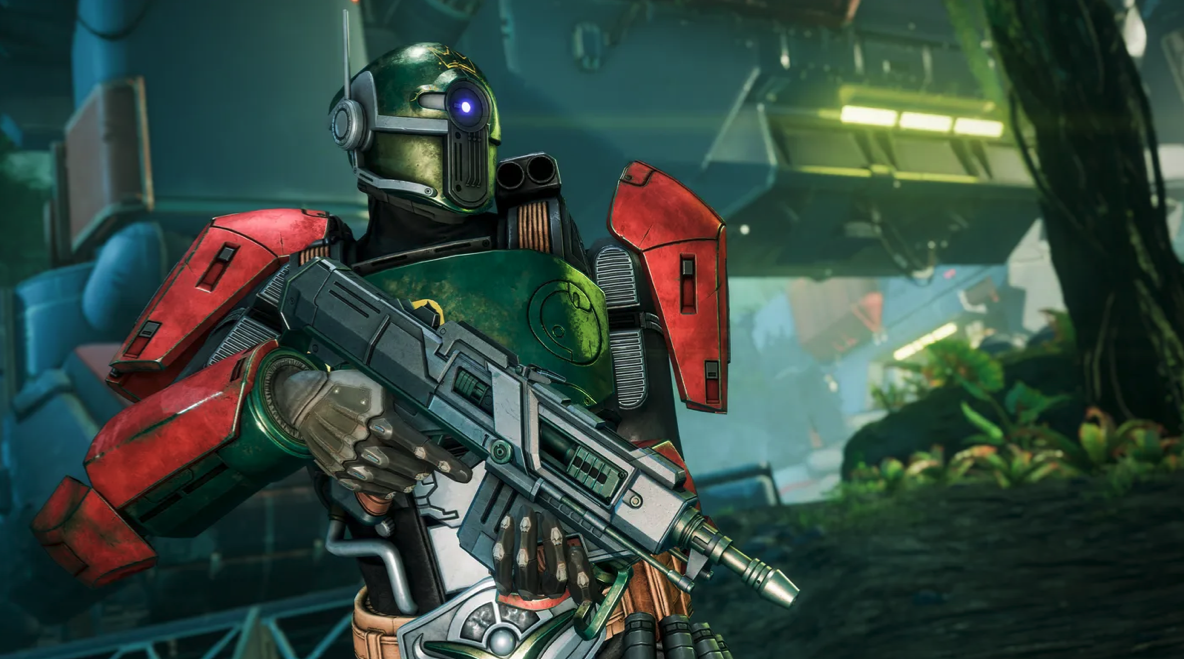
According to game director Tyson Green, the studio’s faster release model enables these kinds of experiments. With two expansions a year, each release can take a sharper thematic angle without carrying the weight of an annual reset. Renegades uses that flexibility to push toward a pulpier, more character-driven story while also rethinking the power climb that has frustrated returning players. Whether that shift becomes a new standard will depend on how the expansion feels in extended play, but the early direction signals a desire to make Destiny 2’s next phase easier to enter and more varied in style.
Renegades may not solve every long-standing issue, but it marks a departure from Destiny’s usual narrative scale, trading cosmic stakes for rough-edged adventure. As the game approaches its tenth anniversary, that kind of reframing might be exactly what it needs: not a reinvention, but a reminder that the universe is big enough for more than one kind of story.