

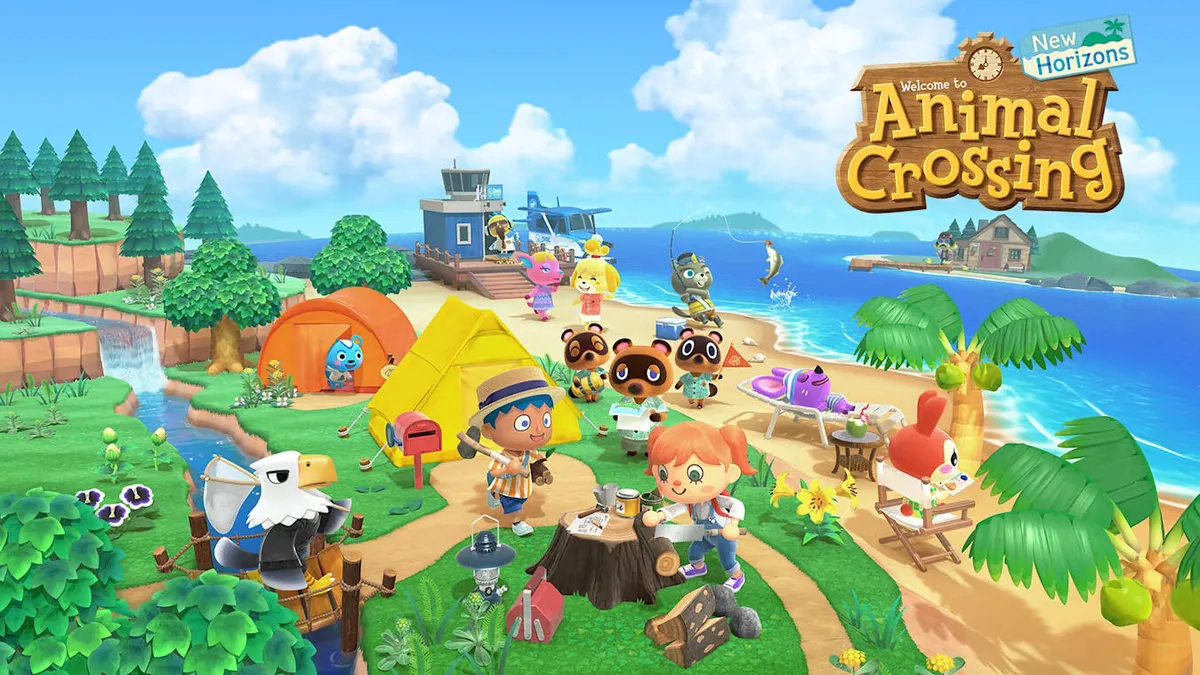
Animal Crossing: New Horizons received an unexpected boost this week when Nintendo released its long-promised version 3.0 update a day earlier than scheduled. Originally slated for Thursday, the free update became available Wednesday, giving players an earlier return to island life than anticipated. For a game many assumed had reached the end of its major development cycle, the release feels less like a routine patch and more like a quiet reversal of earlier messaging.
The update introduces a new resort hotel operated by the family of Kapp’n, the familiar sea turtle known for ferrying players between islands. At the hotel, players can decorate guest rooms, manage interior layouts, and purchase new furniture and clothing items. The feature expands on New Horizons’ long-running emphasis on interior design, offering more structured creative tasks beyond the player’s main island.
Several quality-of-life improvements also arrive with version 3.0. Players can now access Resetti’s Reset Service to help clean up their island, while home storage capacity has been expanded to hold up to 9,000 items. Notably, plants and flowers can now be stored as well, reducing the need to micromanage overgrown islands. These changes address long-standing player complaints about inventory limitations, particularly for those who treat the game as a long-term creative sandbox.
The update adds a mix of cosmetic and crossover content. New Lego-themed items are available, alongside characters and objects inspired by The Legend of Zelda and Splatoon. Nintendo Switch Online subscribers gain access to in-game versions of classic Nintendo consoles, which can be interacted with to play select retro titles online. While these features are limited to subscribers, they reinforce Nintendo’s broader effort to tie New Horizons into its wider ecosystem.
Online-focused players also receive a new feature called Slumber Island, available to Nintendo Switch Online members. This mode allows players to design and save up to three separate islands, collaborate with friends in real time, and invite residents from their primary island to visit. It effectively turns Animal Crossing into a more flexible multiplayer design space, rather than a single persistent location.
The early release is notable because Nintendo had previously positioned version 2.0, released in late 2021, as the final major free update. Version 3.0 quietly contradicts that stance, suggesting either a shift in strategy or renewed confidence in the game’s long-term engagement. With the Nintendo Switch now well into its successor era, the update also raises questions about how long Nintendo plans to support New Horizons before announcing a full sequel.
Installing the update requires little effort, though returning players may find their in-game homes less than pristine. Cockroaches, overgrown rooms, and pointed comments from villagers remain part of the experience, a reminder that Animal Crossing still tracks time whether players do or not. For a title once thought to be winding down, version 3.0 signals that New Horizons is not quite ready to fade into maintenance mode.