TL;DR: The new Fable is fully open world, deeply reactive, and unapologetically chaotic. If the systems hold together over time, this could be the series’ strongest outing yet.
Fable
I didn’t realize how much I missed Albion until the Fable reboot finally sat me down and showed its cards. Not a teaser. Not a vibes-only trailer. An actual, extended look at what this new Fable wants to be. And somewhere between the gossiping villagers, the dangerously casual approach to morality, and the promise of a truly open world from minute one, it clicked for me: this isn’t just a nostalgia play. This is Playground Games trying to rebuild a mischievous RPG soul with modern muscles.
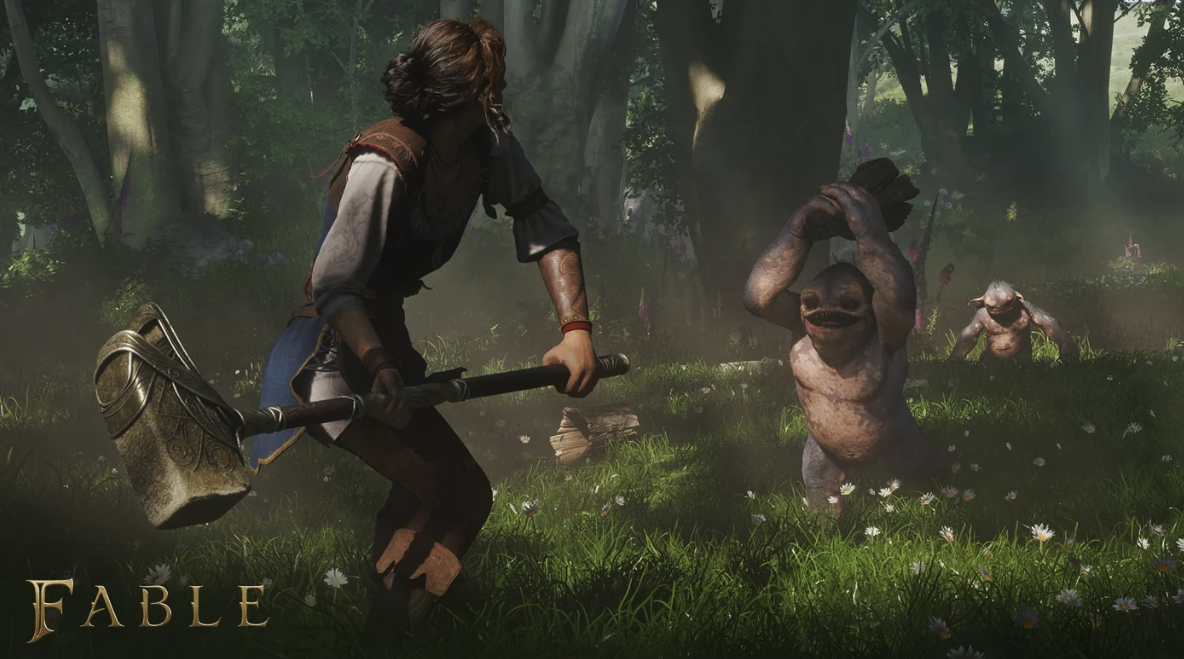
This new take on Fable feels less like a museum piece and more like a restless reinvention. Yes, the bones are familiar. Choices matter. People remember. You can be a hero, a menace, or a deeply confusing mix of both. But the scale has changed, and so has the confidence. Albion is no longer a sequence of carefully gated regions you politely unlock. It’s a place you spill into, early and often, and then live with the consequences of being a little too curious for your own good.
The preview opens with a childhood prologue, a nod to Fable tradition that still works because it grounds you emotionally before handing you the keys. Then there’s a jump to adulthood in Briar Hill, your home village, rendered with the kind of lived-in detail that immediately made me want to poke at things I probably shouldn’t. When crisis inevitably hits, the game doesn’t funnel you down a single heroic highway. Once you leave Briar Hill, Albion is basically yours. That freedom isn’t just marketing talk either. Playground Games has explicitly tuned progression and difficulty so you’re not bouncing off invisible walls because a boar five miles away is secretly level 40.

That design choice alone tells me a lot about the intent here. This Fable wants you to wander. To get distracted. To stumble into trouble because you felt like taking a shortcut or following a rumor. It’s the kind of open-world philosophy that works best when the world actually reacts to you, and that’s where the reboot’s most interesting idea comes in.
Morality, as a clean binary meter, is gone. In its place is reputation, messy and situational. People judge you based on what they see or hear about, not on some omniscient moral spreadsheet. Steal something in public and word spreads. Help someone quietly and maybe only a few people know. Different towns can form completely different opinions of you, which means you can be beloved in one settlement and absolutely unwelcome in another. That’s a very Fable idea, but it’s finally being expressed with systems that feel modern rather than quaint.
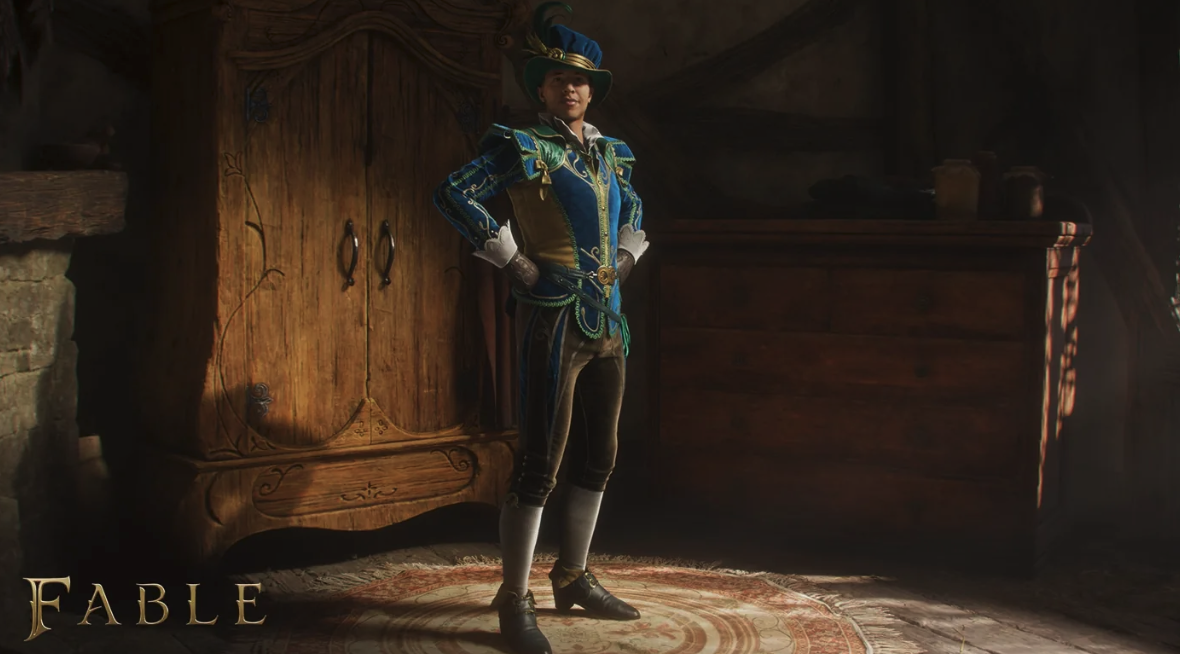
What I love about this approach is how human it sounds. Gossip matters. Context matters. Being a hero isn’t just about slaying monsters; it’s about who notices and how stories get told after you leave. Conversations change. Social opportunities open or close. You’re not just roleplaying a character, you’re roleplaying a reputation, and those are notoriously hard to control once they’re out in the wild.
The preview also leans heavily on liveliness, and I mean that in the best way. Towns aren’t just hubs with static quest givers. NPCs have routines. They move, work, argue, relax, and occasionally remember that weird thing you did hours ago. Small actions can echo back through quests, offhand comments, or chance encounters later. That unpredictability is where Fable has always shined, and seeing it scaled up for a fully open Albion feels like the series finally catching up to its own ambitions.
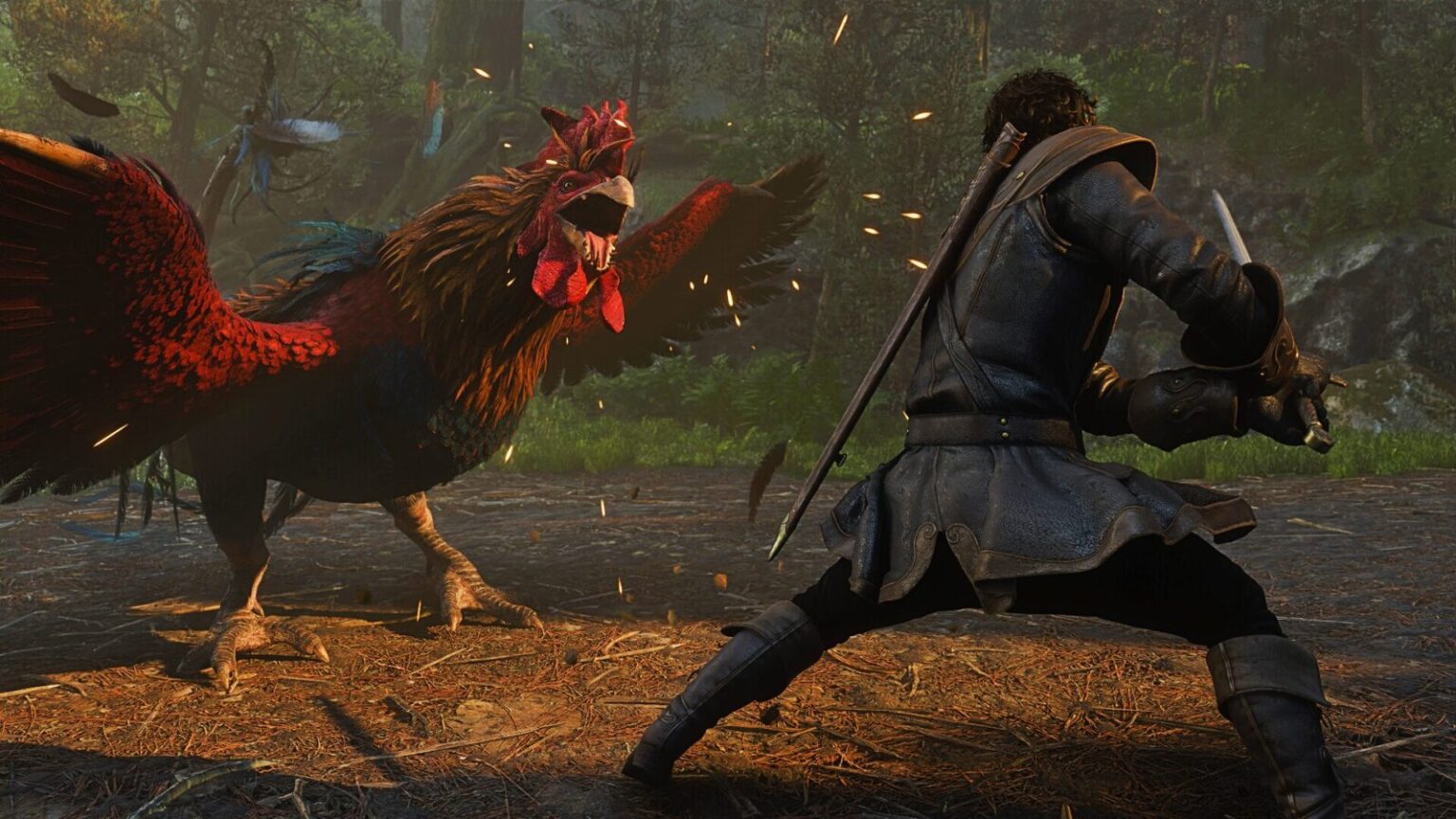
Combat, meanwhile, looks like it’s aiming for expressive chaos. The “style-weaving” system encourages swapping fluidly between melee, ranged attacks, and magic, rewarding experimentation instead of specialization. On paper, that’s exactly what I want. Fable has never been about pristine, Souls-like precision. It’s about improvisation and personality. The risk, of course, is that looser combat can feel mushy if enemy reactions aren’t tight. This is one area where I’ll reserve judgment until I can see extended, uncut gameplay, because theory only gets you so far.
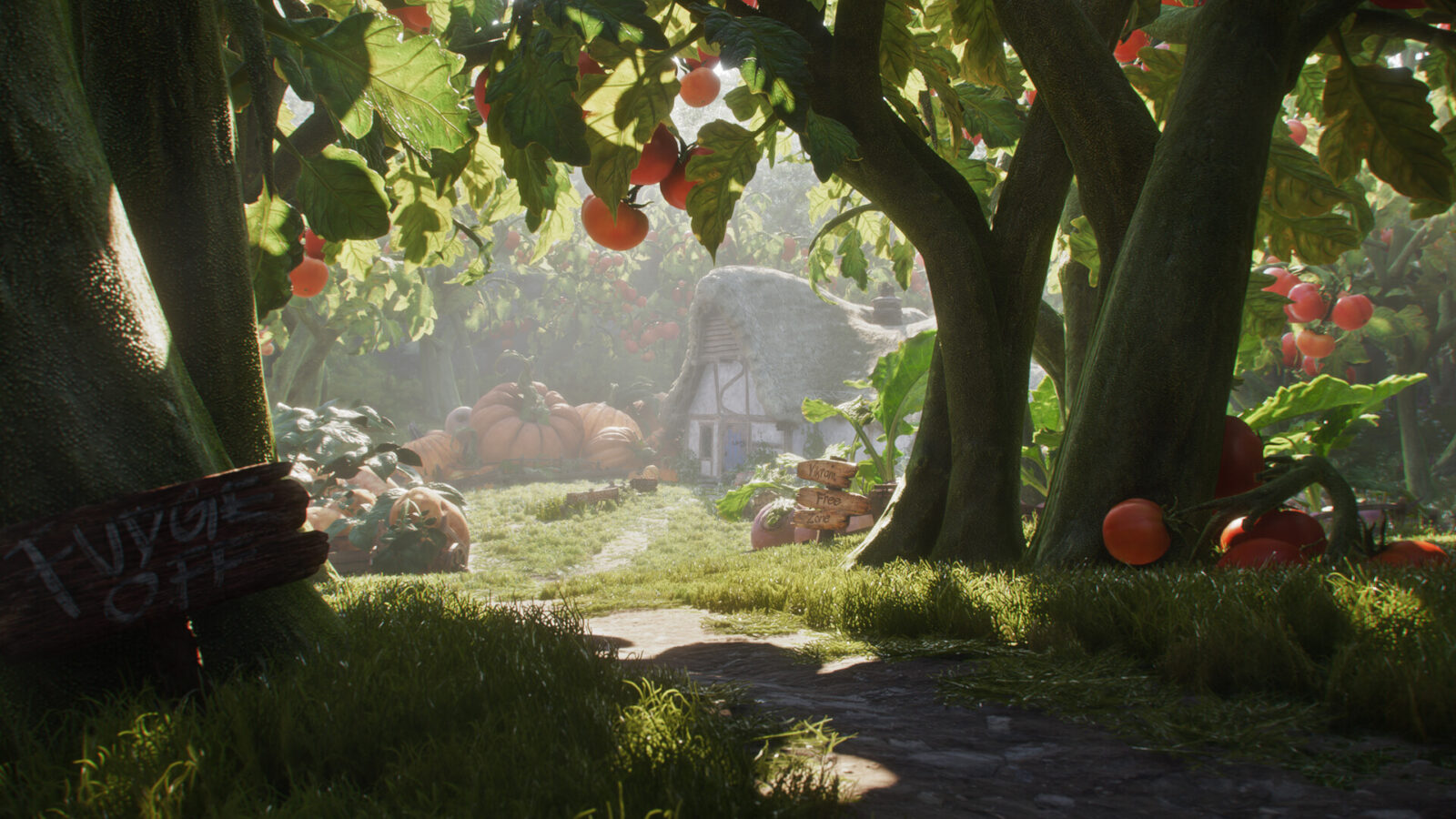
Platform-wise, the game is positioned to be everywhere you’d expect. Launch is currently set for autumn 2026 on PS5, Xbox Series X and S, and PC, with support across Xbox’s broader ecosystem including Cloud and Play Anywhere. It’s clearly being framed as something you can sample easily, which feels smart for a reboot that wants to win over skeptics as much as old fans.
What’s missing is the thing everyone actually wants: a real date and a sense of long-term feel. How does progression hold up after ten hours? Does the humor stay sharp or wear thin? Do systems meaningfully intertwine, or do they start to feel like parallel gimmicks? Those answers will matter far more than any carefully edited deep-dive.
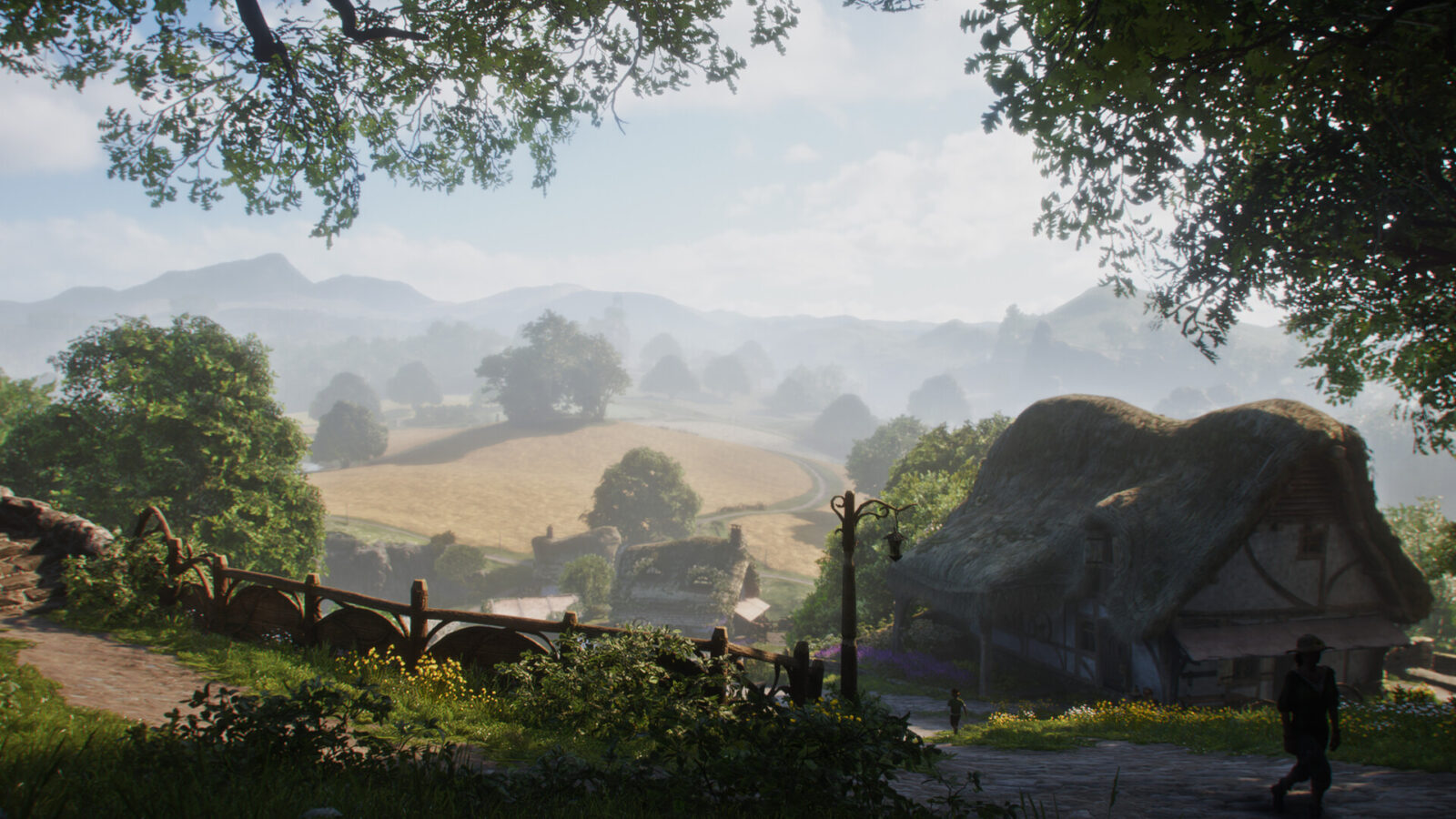
Still, walking away from this preview, I felt something I didn’t expect: cautious excitement. Not hype for hype’s sake, but genuine curiosity about how it will feel to exist in this version of Albion. If Playground Games can land the tone and make the world as reactive as promised, this could be the Fable that finally justifies rebooting the series instead of embalming it.
Verdict
The Fable reboot looks like a thoughtful, ambitious return to Albion that understands what made the series special while refusing to be trapped by it. Its open-world structure, reputation-driven morality, and emphasis on liveliness feel like natural evolutions rather than forced reinventions. There are still questions around combat feel and long-term progression, but based on this preview, Fable isn’t just back. It’s trying to grow up without losing its sense of humor.