
Nintendo’s February 2026 Direct Partner Showcase offered a broad and methodical look at what third-party publishers have planned for both the Nintendo Switch and the newer Nintendo Switch 2 throughout the year. As expected, the presentation avoided first-party Nintendo announcements entirely, instead focusing on ports, sequels, and mid- to high-profile releases from external studios. Rather than a headline-grabbing reveal, the showcase functioned as a roadmap, clarifying how Nintendo intends to support two generations of hardware in parallel.
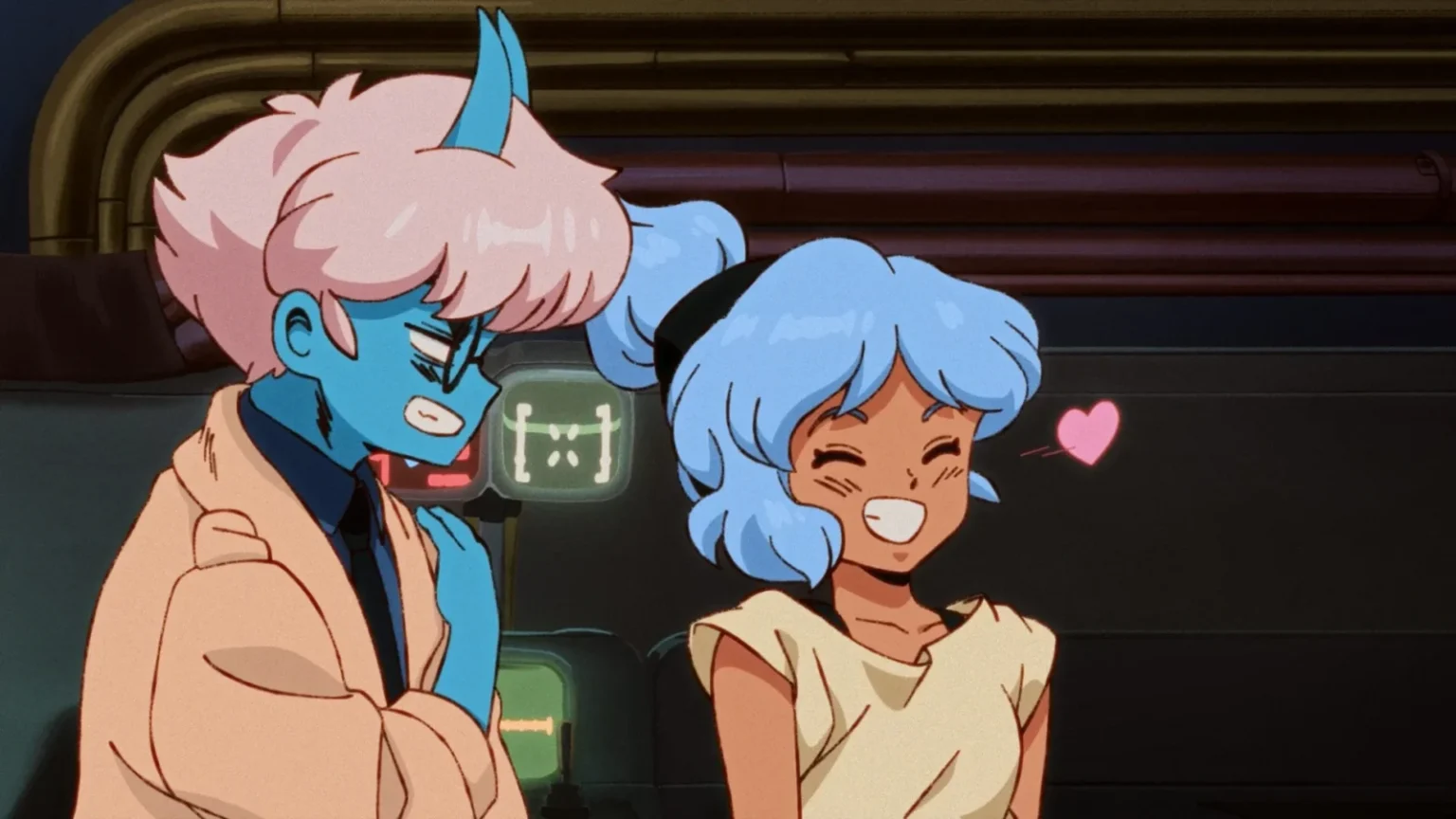
The event opened with Orbitals, a co-op adventure that leans heavily into retro anime influences and stylized visuals. Previously announced, the new footage reinforced its emphasis on shared play, positioning it as a Switch 2 exclusive scheduled for summer 2026. The focus on cooperative design continued a recurring theme throughout the Direct, with several titles emphasizing multiplayer or shared systems.
PARANORMASIGHT: The Mermaid’s Curse followed, expanding on the visual novel that gained a cult following in 2023. The sequel maintains its narrative-driven structure and supernatural themes and is arriving on the original Switch on February 19. Its presence early in the show signaled that Nintendo has not abandoned narrative-heavy, lower-budget titles for its older hardware.
Sports fans were served two very different interpretations of football. Captain Tsubasa 2: World Fighters is heading to Switch in 2026, bringing exaggerated anime-style presentation and a large roster of characters. In contrast, eFootball Kick-Off! is arriving on Switch 2 this summer as a more conventional, licensed football experience, continuing the rebranded evolution of Konami’s former Pro Evolution Soccer series.
Horror and survival titles played a notable role. Tokyo Scramble, a Switch 2 exclusive launching February 11, takes a restrictive approach to survival horror by removing traditional combat options. Players must evade subterranean creatures and rely on traps, with an unusual cooperative mode that assigns different control responsibilities to up to four players. Later in the showcase, a new trailer for Resident Evil Requiem appeared, though it offered limited new information beyond reaffirming its tone and direction.
Ports formed a significant portion of the presentation. Valheim, which gained widespread attention during its early access phase on PC, is coming to Switch 2 in 2026 with expanded features and support for up to 10-player online multiplayer. Hollow Knight is receiving a Switch 2 edition with visual improvements, and Nintendo confirmed that current Switch owners will be able to upgrade at no additional cost, a rare but consumer-friendly move.
Role-playing games were especially prominent. The Adventures of Elliot: The Millennium Tales returned with a confirmed June 18 release date on Switch 2, continuing the HD-2D visual style popularized by recent Square Enix projects. Digimon Story: Time Stranger is arriving on both Switch and Switch 2 on July 10 after debuting on other platforms last year, while Monster Hunter Stories 3 launches March 13 on Switch 2 with a free demo available immediately.
Larger-scale releases rounded out the lineup. Final Fantasy VII Rebirth is coming to Switch 2 on June 3, marking one of the most technically ambitious titles announced for the platform so far. Granblue Fantasy Relink is also set for a Switch 2 release in July, adding another substantial action RPG to the system’s growing library.
Nintendo closed the presentation with several high-profile Bethesda ports. Fallout 4: Anniversary Edition arrives February 24, Indiana Jones and the Great Circle follows on May 12, and The Elder Scrolls IV: Oblivion Remastered is scheduled for later in 2026. Together, these releases underscore Nintendo’s strategy of positioning the Switch 2 as a viable home for large, previously non-Nintendo console experiences.
Taken as a whole, the February 2026 Nintendo Direct did not attempt to redefine Nintendo’s future. Instead, it outlined a cautious but deliberate transition period, where the original Switch continues to receive meaningful support while the Switch 2 steadily builds its catalogue through familiar franchises, strategic ports, and select exclusives.