
TL;DR: A dense, atmospheric action RPG that values skill, patience, and smart design over spectacle. Tough, thoughtful, and deeply rewarding if you’re willing to meet it on its terms.
Blightstone
I went into Blightstone expecting another moody action RPG to politely file away in my brain under “soulslike but fine.” What I didn’t expect was a game that would slowly crawl under my skin, unpack a sleeping bag, and refuse to leave. Blightstone isn’t loud about what it’s doing. It doesn’t open with bombastic set pieces or cinematic excess. Instead, it hands you a sword, drops you into a wounded world, and quietly dares you to pay attention.
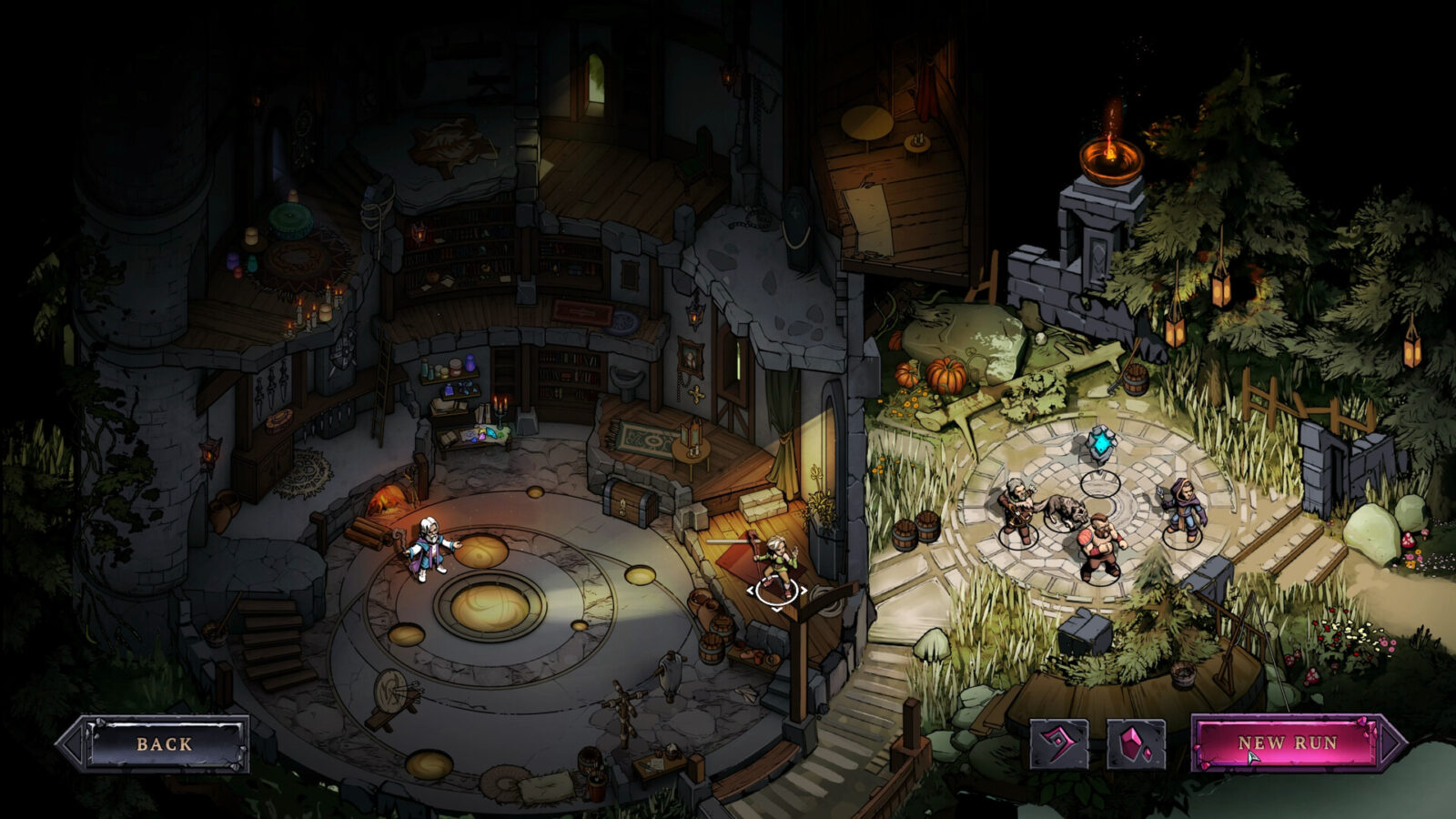
This is a game that trusts the player. Maybe too much, depending on your tolerance for friction. But for me, that trust became the core of its identity. In a landscape dominated by massive maps bloated with icons and side quests that feel like contractual obligations, Blightstone’s compact, intentional design felt like a deep exhale.
The world itself feels less like a backdrop and more like a scar. Everywhere you go, the blight has already won some battles. Towns are hollowed out. Pathways crumble into half-remembered routes. The corruption isn’t just environmental flavor; it informs how enemies move, how regions connect, and how the story reveals itself. There’s no narrator walking you through lore like a museum tour guide. Instead, you’re piecing together meaning from ruined architecture, item descriptions, and the quiet implication that whatever happened here wasn’t quick or merciful.
I found myself slowing down, not because the game demanded it mechanically, but because the atmosphere did. There’s a weight to Blightstone that encourages lingering. I read scraps of text I might normally skip. I stopped to watch enemy patrol patterns just to understand how they existed in this world, not just how to kill them. It’s environmental storytelling done with restraint, and it works precisely because it doesn’t beg for your attention.
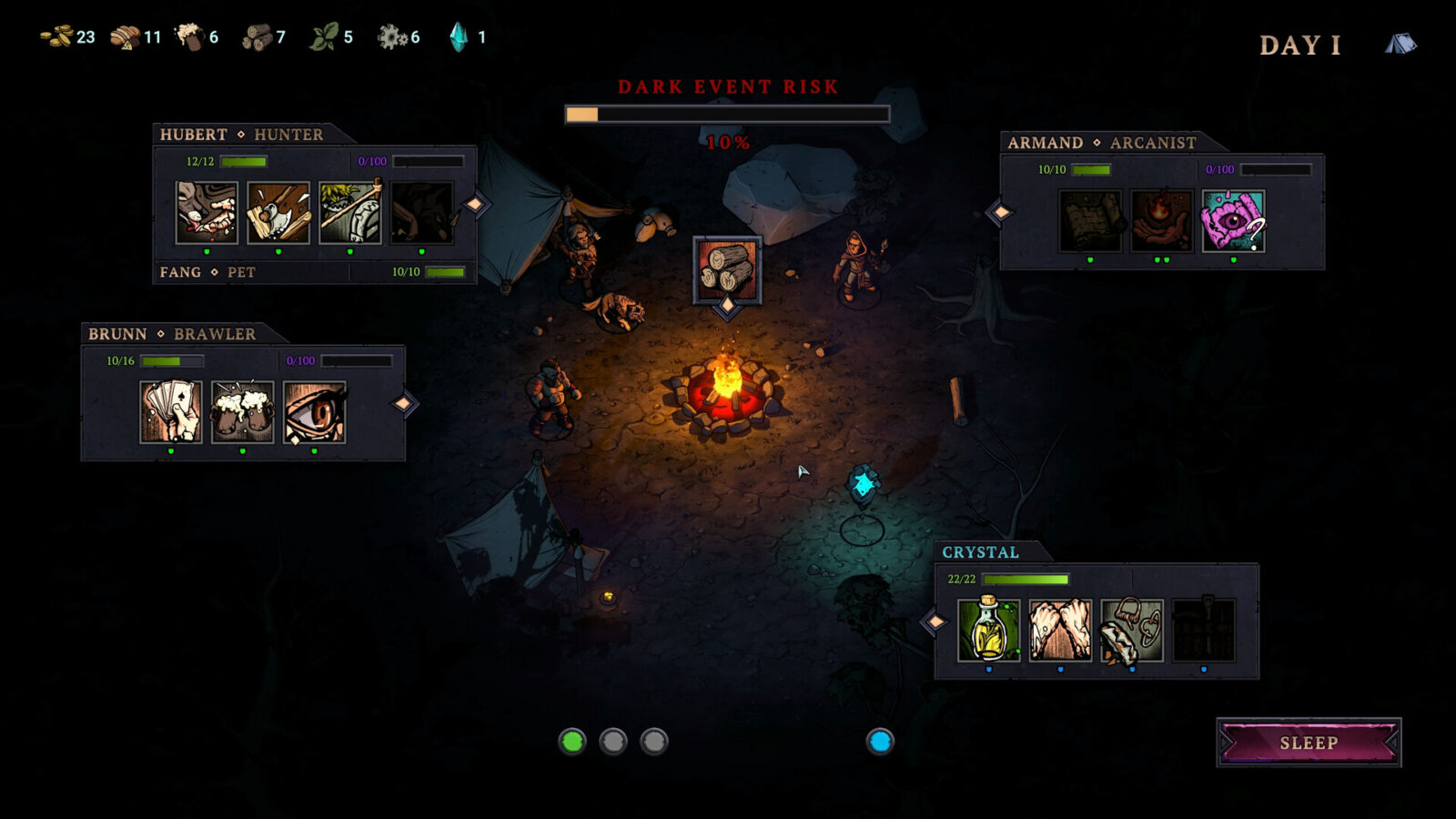
Combat is where Blightstone locks in its personality. Yes, the DNA is familiar if you’ve spent any time dancing with stamina bars and dodge rolls, but this isn’t a shallow imitation. Every fight feels like a conversation where enemies are speaking clearly, and you’re punished only when you refuse to listen. Positioning matters. Timing matters. Panic absolutely matters, because the moment you start mashing buttons like you’re trying to brute-force a vending machine, the game calmly folds you in half.
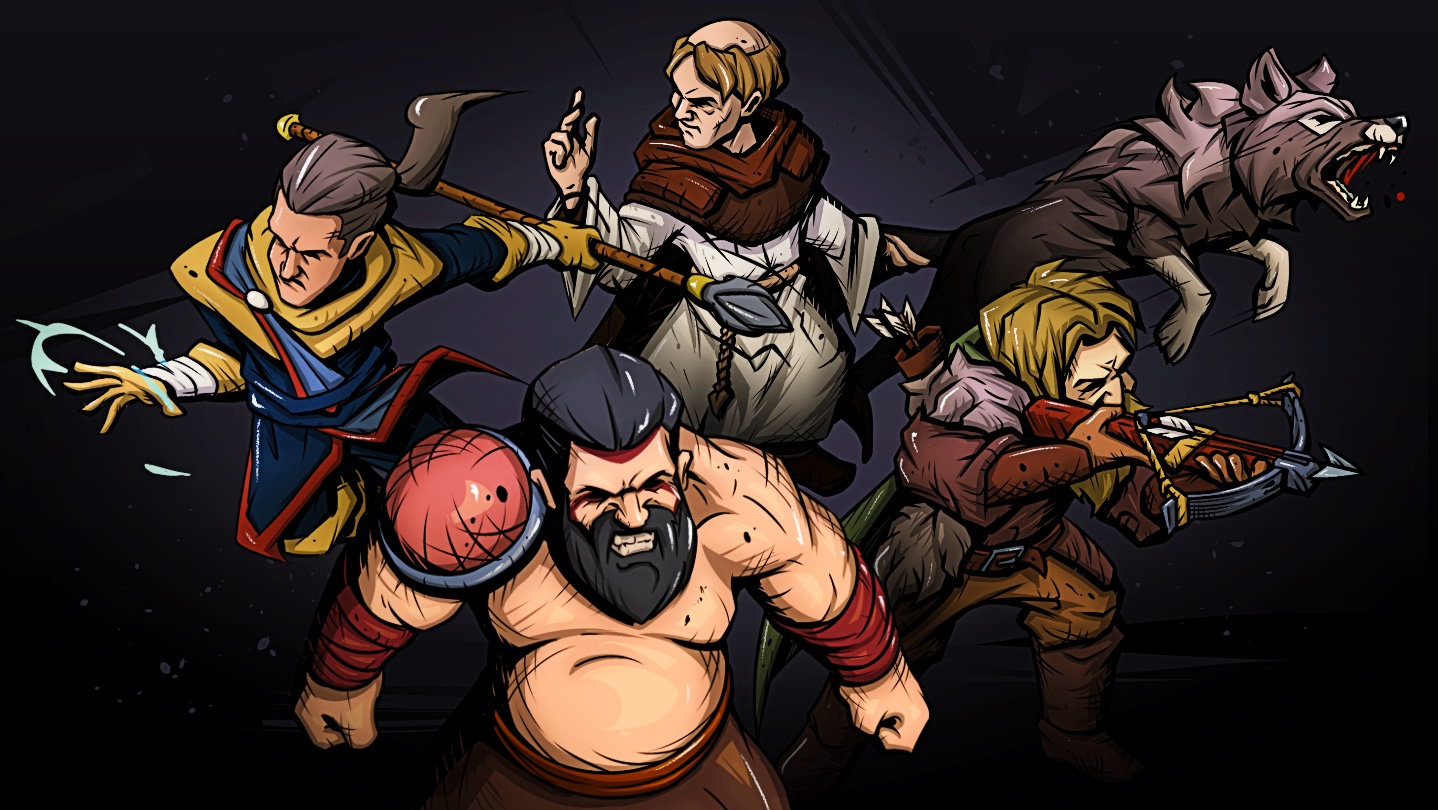
What surprised me most was how physical everything feels. Weapons don’t just differ in numbers; they have personalities. A heavy axe isn’t simply slower, it’s declarative. It commits you to decisions. Faster blades feel nimble but demand precision. I spent hours tinkering with builds not because the game told me to, but because it genuinely felt like different philosophies of combat rather than stat rearrangements. Progression doesn’t inflate your power so much as refine it, and that distinction is crucial.
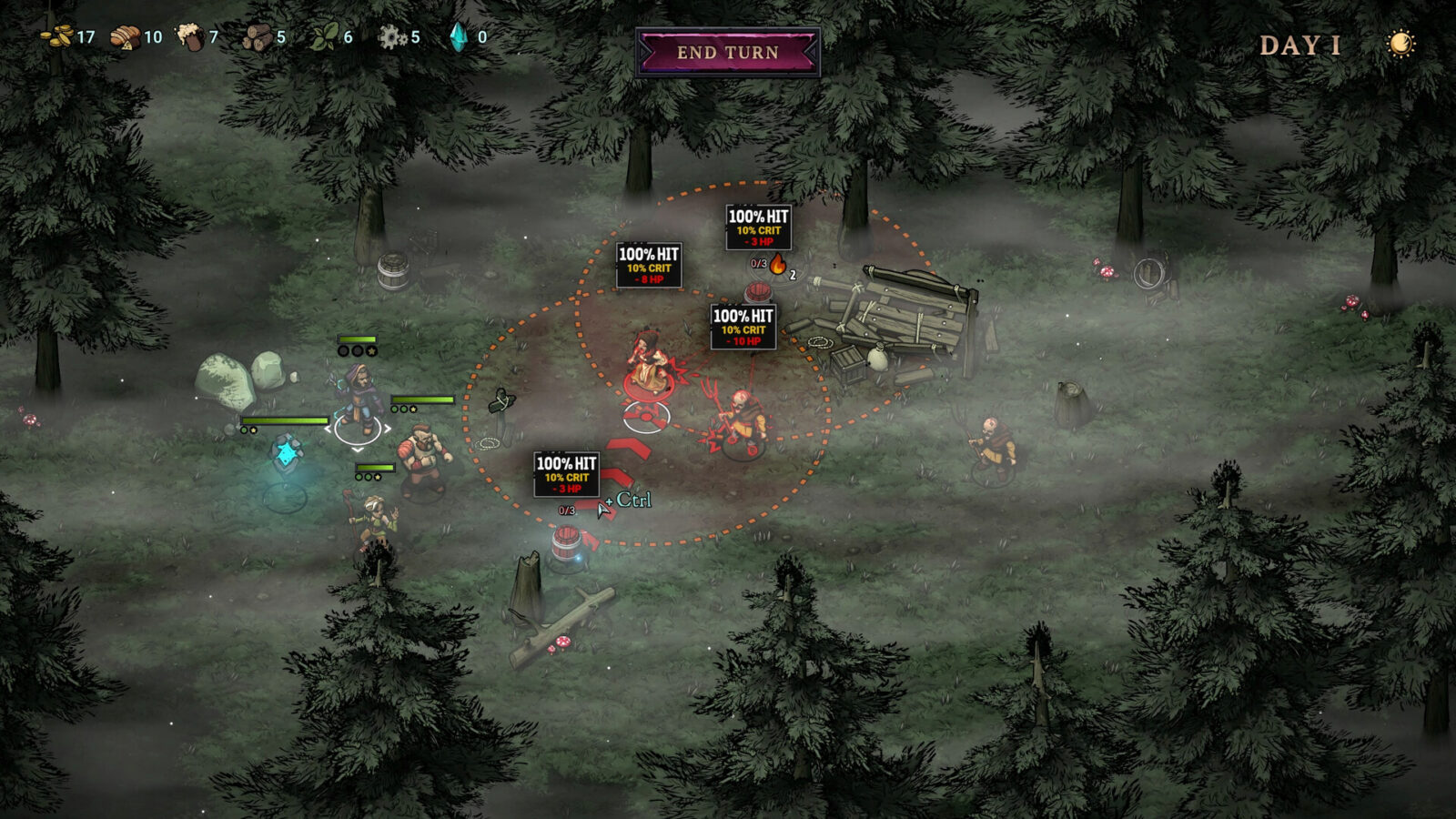
Magic, thankfully, doesn’t turn into an “I win” button. It’s powerful but needy, demanding awareness and restraint. I loved weaving spells into melee encounters, not as a crutch, but as punctuation. A well-timed enchantment or ranged burst felt earned, especially when a mistake could leave me exposed and scrambling. Blightstone consistently reinforces the idea that versatility is strength, but recklessness is death.
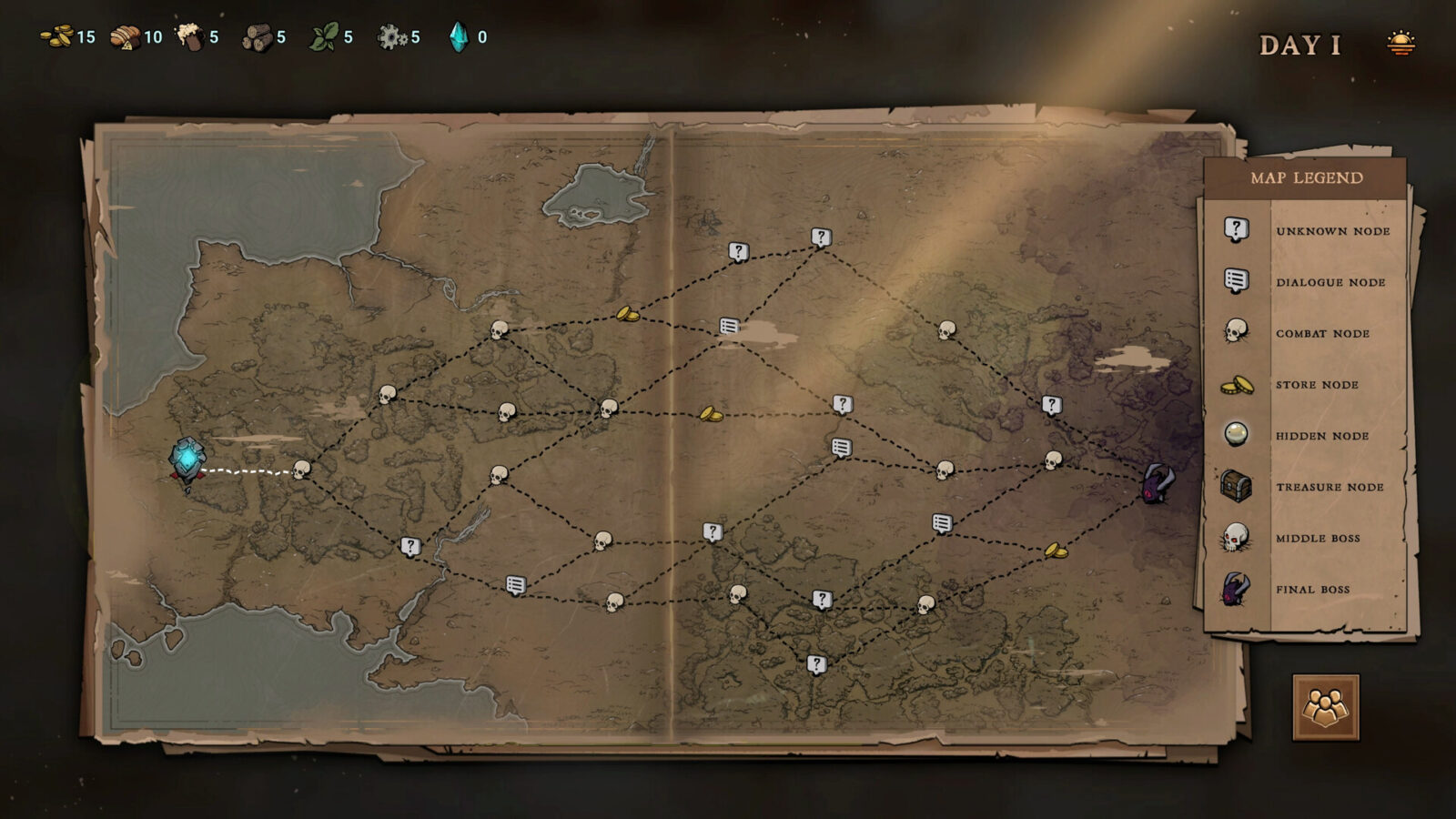
Level design deserves its own quiet applause. Instead of endless fields stitched together with fast travel excuses, Blightstone offers interlocking regions that feel purposeful. Shortcuts matter. Spatial memory matters. Discovering a hidden path that loops back to a familiar hub felt genuinely rewarding, like I’d earned a secret handshake with the game itself. Exploration isn’t mandatory, but curiosity is constantly paid back with knowledge, resources, or optional encounters that feel handcrafted rather than procedurally obligated.
Progression follows that same philosophy. Leveling up never felt automatic. Every attribute point came with a pause, a moment of reflection about who I wanted my character to be and what I was willing to sacrifice. Gear reinforces that tension. There’s no endless treadmill of bigger numbers, just trade-offs. Defense for mobility. Raw damage for survivability. Crafting supports intention rather than replacing it, which made every adjustment feel personal instead of mechanical.
Boss fights are where Blightstone teaches its hardest lessons. They’re not just tests of reflexes but of comprehension. Each one introduces a wrinkle, a behavioral pattern that forces adaptation. Beating a boss rarely felt like luck. It felt like understanding finally clicking into place. That sense of growth, of internalizing the game’s language, is where Blightstone is at its most confident.
Visually, the game leans into grit without tipping into monotony. The color palette is muted but expressive, filled with decayed stone, sickly growths, and skies that feel perpetually exhausted. Animations are smooth and purposeful, making combat readable even in tense moments. The sound design deserves credit too. Steel rings with the right kind of cruelty. Silence is used as a weapon. Music knows when to retreat, letting atmosphere do the heavy lifting.
That said, Blightstone isn’t without friction. The learning curve is steep, especially early on, and the game doesn’t bend over backwards to ease you in. There are stretches in the mid-game where momentum dips, where you can feel the connective tissue between major moments a bit more than intended. Accessibility options are present but limited, which feels like a missed opportunity given how thoughtful the rest of the design is.
Still, those complaints feel small compared to the experience as a whole. Blightstone doesn’t want to be consumed quickly. It wants to be learned. It respects patience, rewards attention, and never pretends challenge is the same thing as cruelty. By the time I reached the later stages, I wasn’t just playing the game. I was fluent in it.
Verdict
Blightstone is a deliberate, confident action RPG that strips away excess and replaces it with meaning. Its combat is demanding but fair, its world haunting without being melodramatic, and its progression systems reward thought over grinding. It’s not designed for everyone, but for players who crave mastery, atmosphere, and genuine agency, it’s one of the most satisfying journeys the genre has offered in years.