


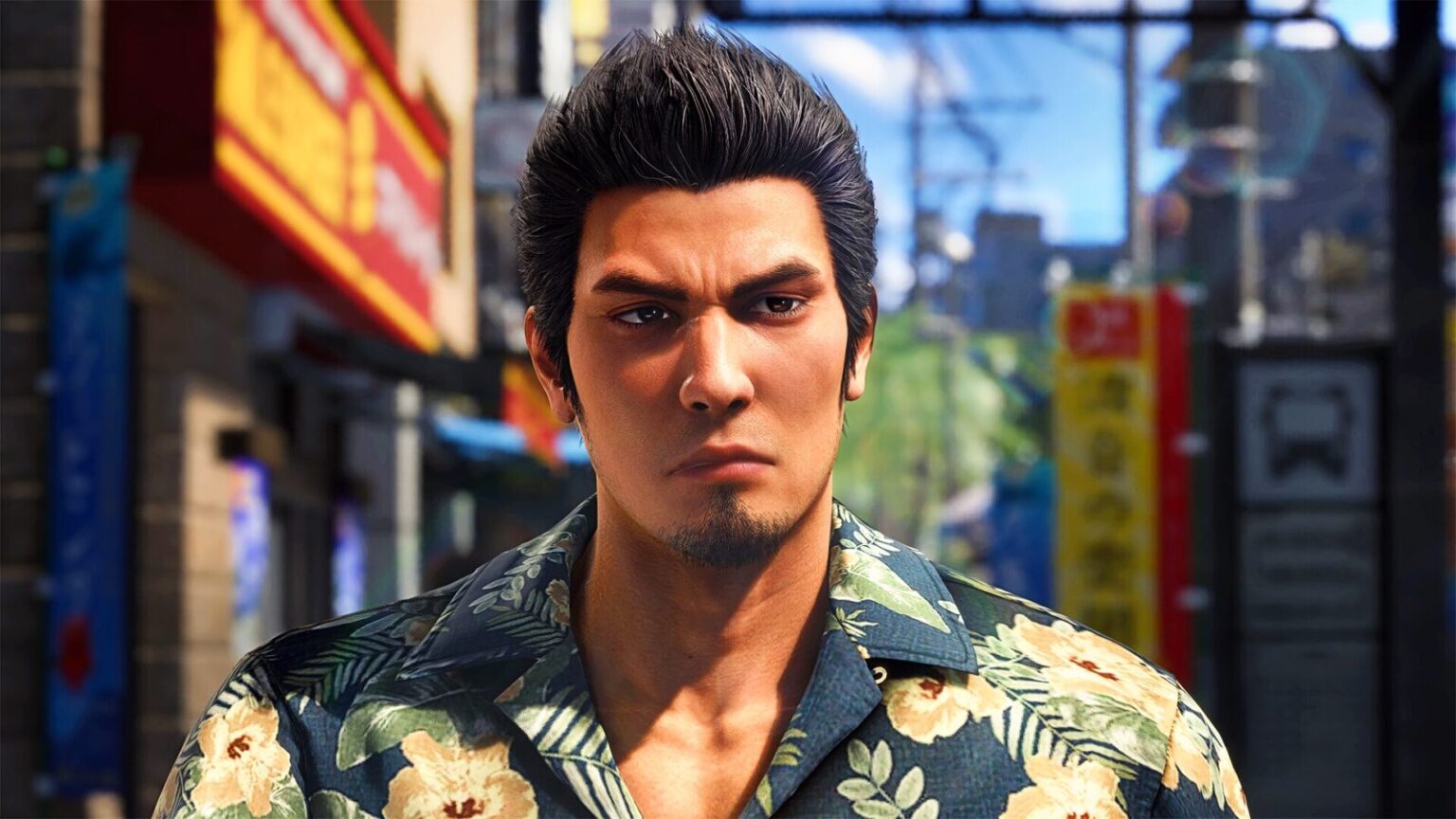
TL;DR: Yakuza Kiwami 3 transforms a slow, controversial classic into a reflective, emotionally loaded remake that hits harder the more Yakuza you’ve played.
Yakuza Kiwami 3
I went into Yakuza Kiwami 3 expecting a glow-up. Sharper textures, smoother combat, a little nostalgia dust sprinkled on an old favorite. What I didn’t expect was to feel like the game was quietly staring back at me, fully aware that I know how Kiryu’s life turns out, and daring me to sit with that knowledge. This isn’t just a remake in the traditional sense. It’s a conversation between past and future, a knowing remix that leans hard into the emotional context built by nearly two decades of storytelling. If Final Fantasy VII Remake cracked the door open for meta remakes, Yakuza Kiwami 3 kicks it off its hinges—politely, while offering you tea.
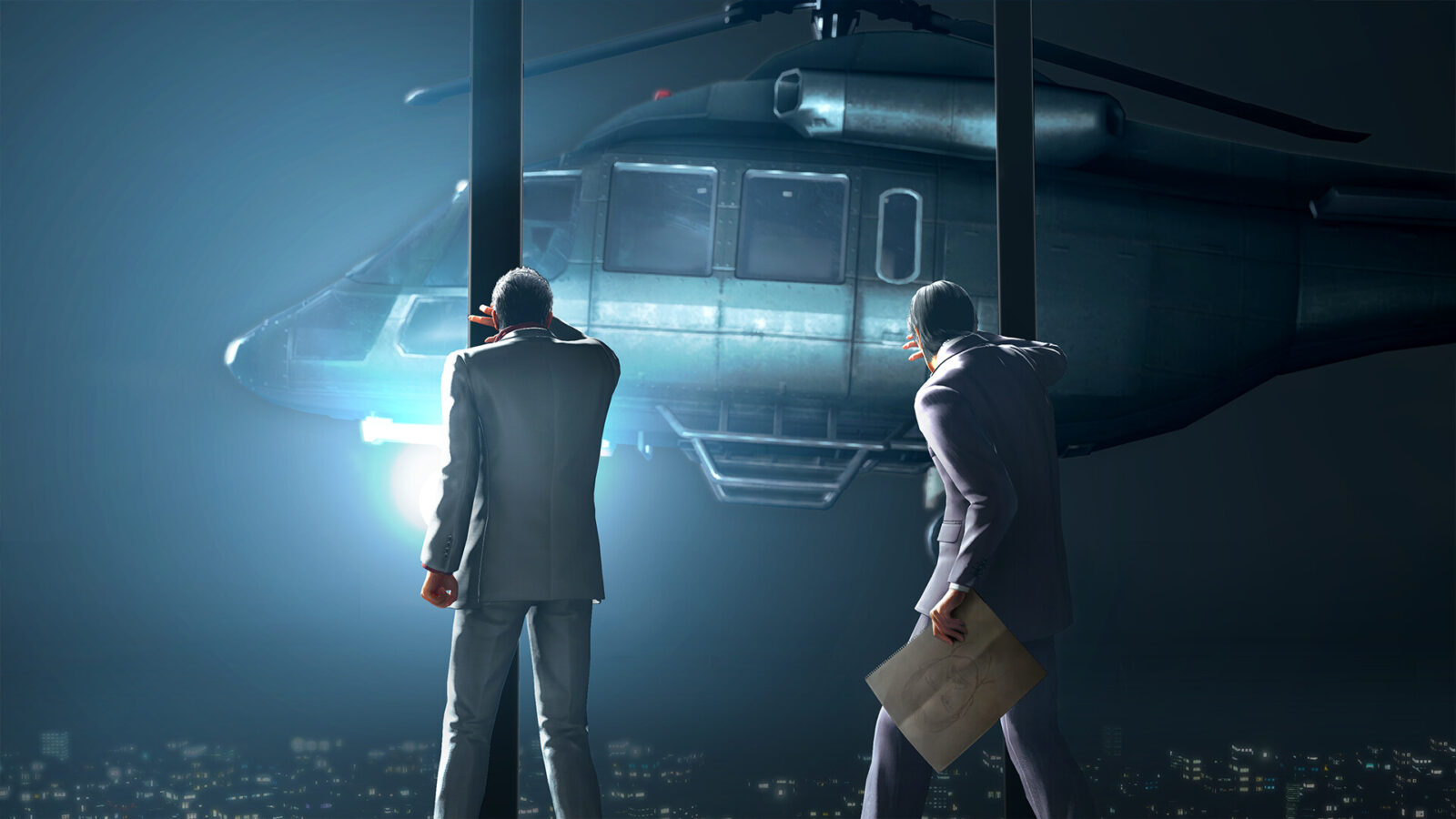
From the jump, it’s clear that Ryu Ga Gotoku Studio isn’t interested in rushing me back to Kamurocho chaos. Okinawa takes center stage, and not as a tutorial island you sprint through on the way to the real plot. This version of the game wants me to breathe the place in. I wander through fish markets, help local businesses get their footing, and get pulled into side activities that feel aggressively mundane. And somehow, that mundanity lands harder than any melodramatic cutscene. This is Kiryu’s dream life. Not the Dragon of Dojima, not the myth. Just a guy in sandals trying to keep his corner of the world intact.
There’s a long-running joke that the original Yakuza 3 was basically Orphanage Simulator, and honestly? Kiwami 3 leans into that reputation with a smirk. The difference is that now, it feels intentional. Teaching kids how to sew, helping with homework, cooking dinner—these moments aren’t padding anymore. They’re framing devices. The game quietly reframes Kiryu’s domestic bliss as something fragile, something borrowed. When I was raising Kiryu’s Daddy Rank, which is a real system and not a bit, I wasn’t laughing at the absurdity. I was bracing myself. The series has trained me too well. Happiness here always comes with an expiration date.
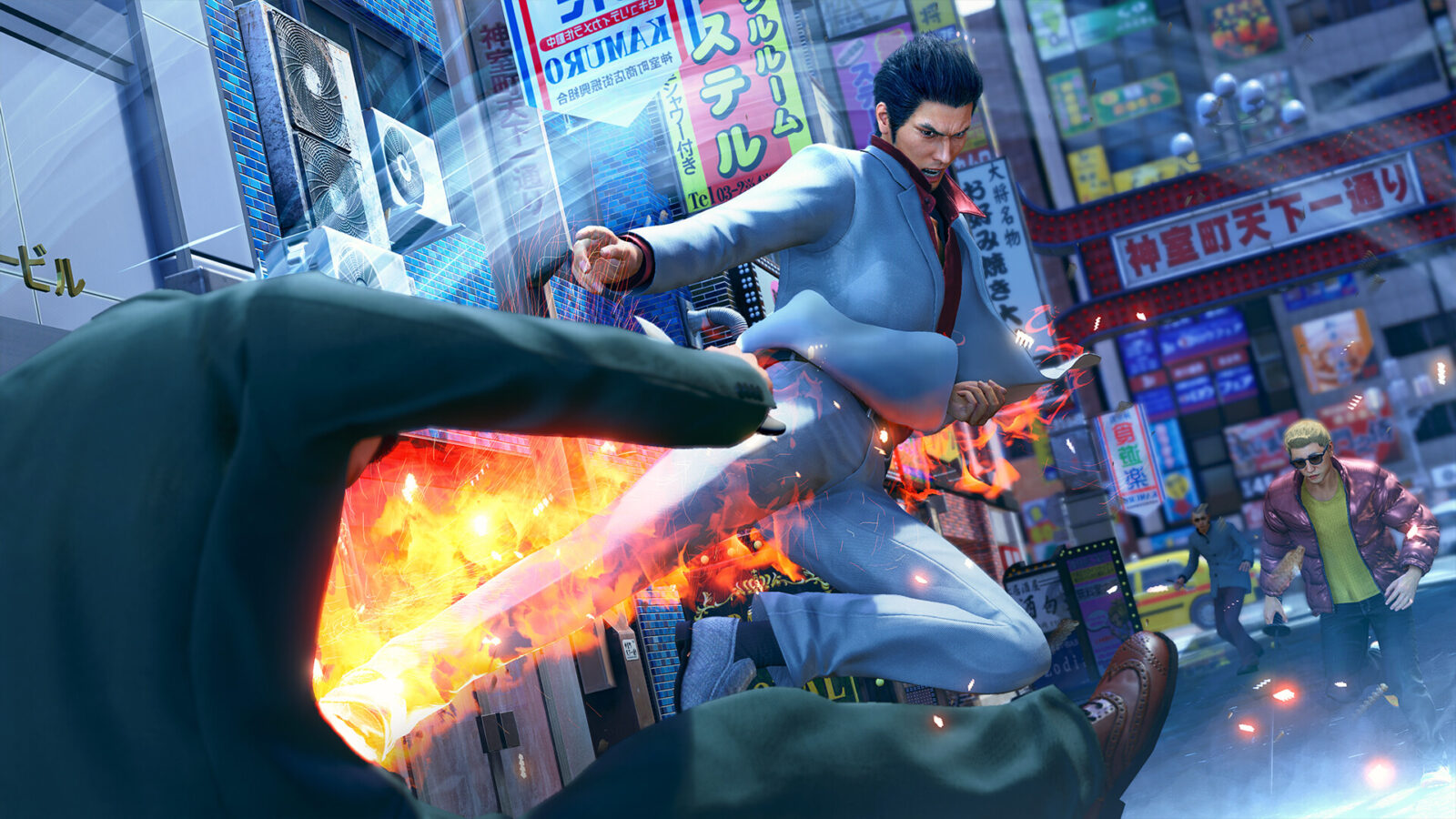
One of the first substories I tripped over involved Kiryu escorting Akko-san, played by Wada Akiko, around Okinawa like a proud local guide. It ends, of course, with the option to ask her to sing Baka Mitai, because Yakuza knows exactly which emotional buttons to mash. It’s fan service, sure, but it’s also deeply on theme. This remake is obsessed with memory—how characters remember their past, and how players do too.
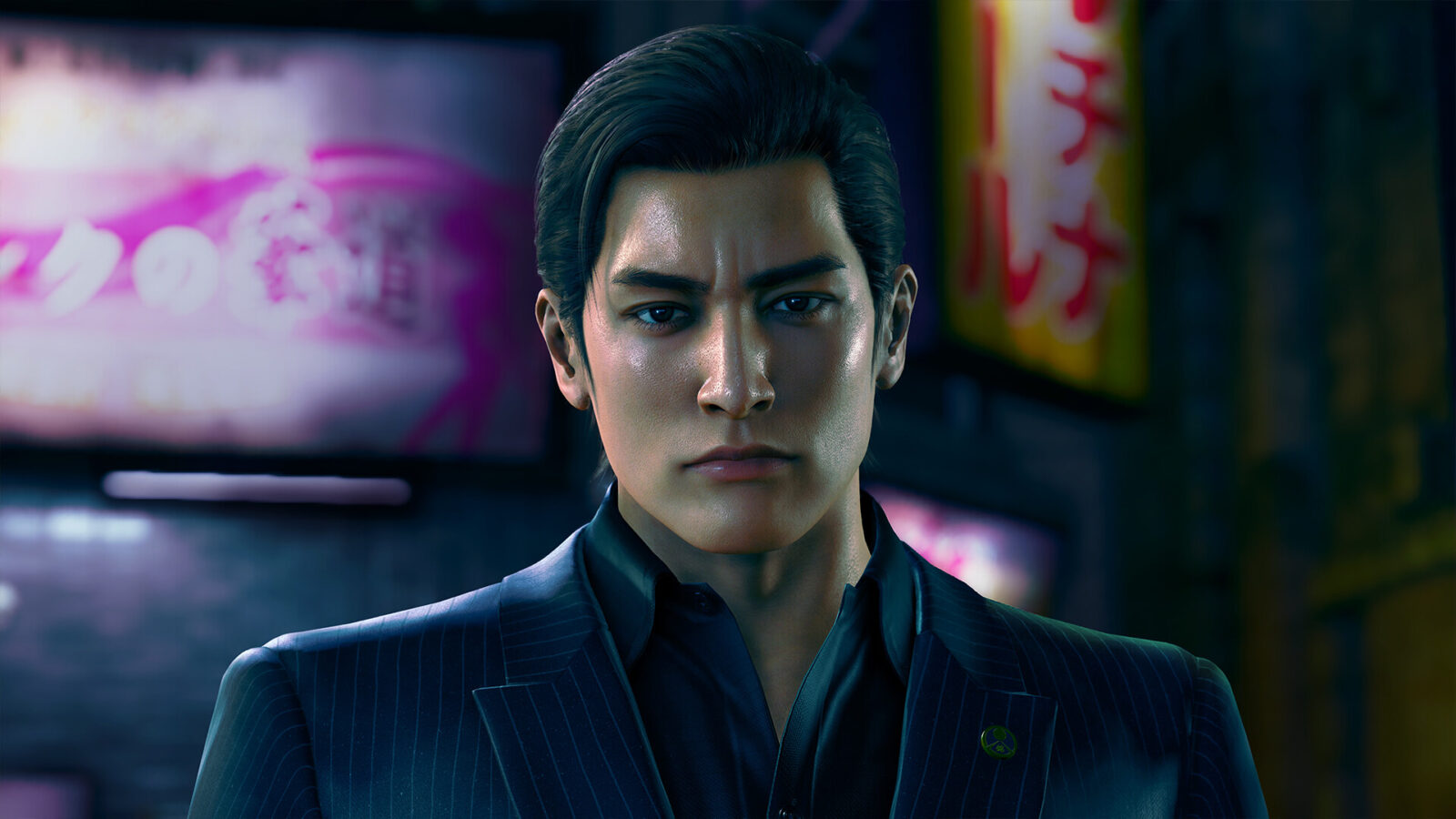
That obsession bleeds into the new Dark Ties content, which acts as a prequel-slash-expansion centered on Yoshitaka Mine. I’ve always thought Mine got a raw deal in the original game, written more as an obstacle than a person. Dark Ties feels like RGG finally circling back to say, hey, maybe there’s more here worth exploring. The structure is quest-based, focused on reputation-building and problem-solving in Kamurocho, and it immediately reminded me of The Man Who Erased His Name, with a dash of coliseum chaos thrown in for good measure.
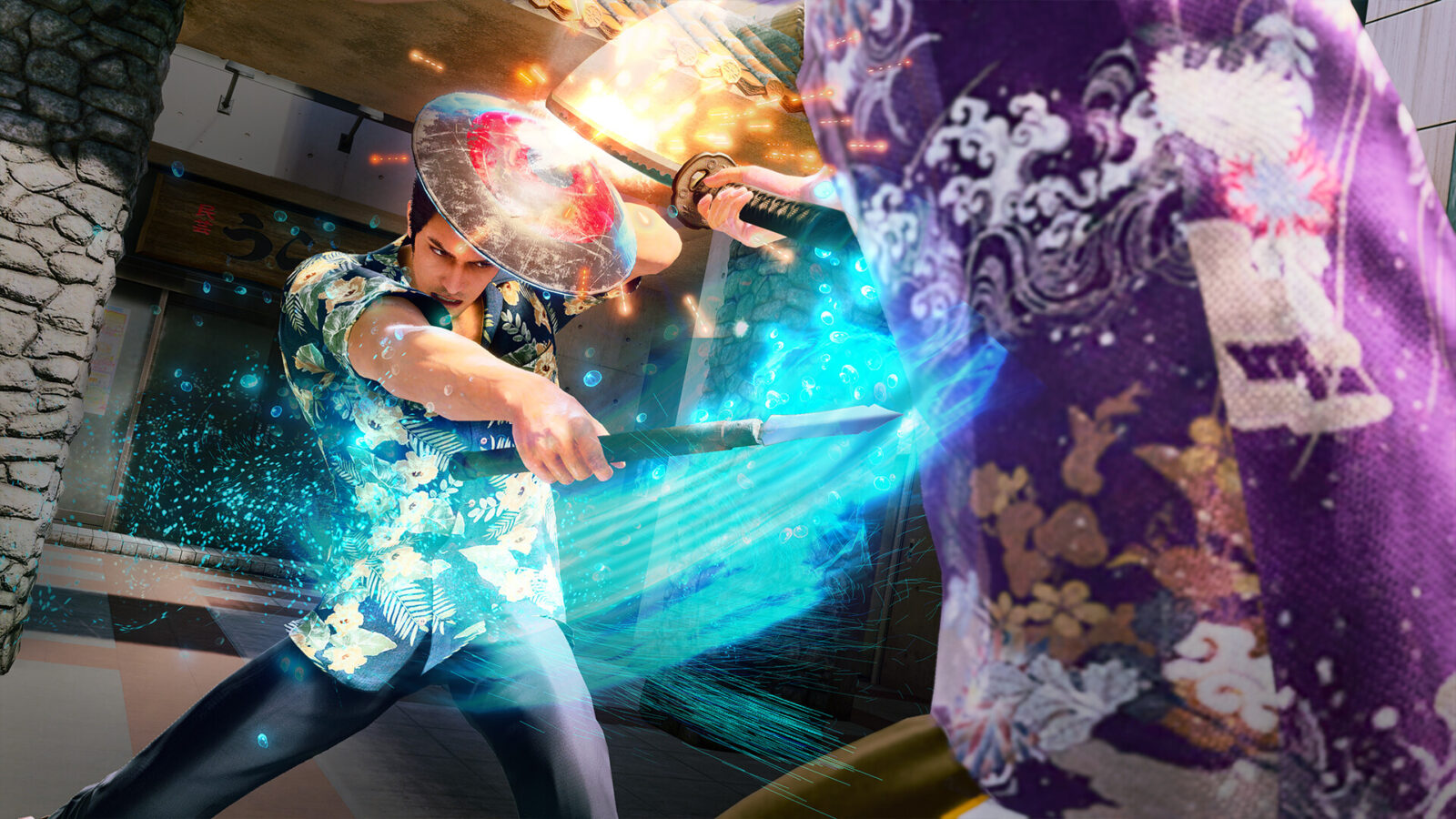
Mine’s combat style is where Dark Ties really justifies its existence. Where Kiryu still feels comfortingly familiar—new Ryukyu flourishes aside—Mine fights like he’s been ripped straight out of a fighting game character select screen. His combo-heavy moveset and instinct-driven burst mode feel aggressive, precise, and deeply in-character. It’s the rare case where gameplay mechanics actively deepen my understanding of who someone is. I didn’t just hear that Mine is volatile and driven. I felt it in my hands.
What surprised me most, though, is how Kiwami 3 retroactively gains emotional weight from later entries like Like a Dragon: Infinite Wealth. Knowing where Kiryu ends up turns Okinawa into something sacred. These slow afternoons, these low-stakes errands—they’re not a pacing problem anymore. They’re the point. This is the life Kiryu keeps chasing and keeps losing. The remake doesn’t spell that out, but it doesn’t have to. It trusts the player’s history with the series, and that trust pays off.
There’s still plenty I haven’t seen. The original Yakuza 3 was never subtle with its twists, and I doubt Kiwami 3 suddenly learned restraint. But after my time with it, I’m convinced this remake understands something crucial: sometimes the most devastating thing you can do in a story like this is let your hero be happy for a while. If the original was uneven, this version feels purposeful. Reflective. Almost mournful.
Verdict
Yakuza Kiwami 3 isn’t just polishing an old game—it’s recontextualizing it. By leaning into Okinawa’s quiet rhythms and reframing Kiryu’s domestic life through the lens of everything that comes after, Ryu Ga Gotoku Studio has turned a once-divisive entry into a deeply emotional chapter. Dark Ties may feel supplementary, but its character work and combat experimentation add meaningful texture. This is a remake that knows exactly who it’s talking to.