
The biggest games coming in 2026 already reflect a familiar pattern: early confidence, midyear uncertainty, and a late stretch dominated by a handful of releases so large that everything else quietly moves out of their way. Even before the year properly begins, it’s clear that 2026 will not be short on content. What remains to be seen is how many of these projects arrive on time, and how many drift into 2027 once marketing calendars collide with development reality.
January sets the tone with a mix of platform transitions and genre-heavy releases. Animal Crossing: New Horizons arriving on Switch 2 on January 15 is less about reinvention and more about extending one of Nintendo’s most successful games into a new hardware cycle. The optional low-cost upgrade for existing owners reinforces how publishers now treat major games as long-term services rather than discrete releases. Players can revisit the game’s relaxed routines with added features while Nintendo ensures the Switch 2 launch window isn’t missing a proven system seller.
If you want a sense of how Nintendo is positioning this return, the Animal Crossing: New Horizons Switch 2 announcement trailer on YouTube is a good snapshot of how familiar content is being reframed for new hardware.
January is also dense with Japanese role-playing games. The Legend of Heroes: Trails Beyond the Horizon arrives the same day, continuing a long-running narrative that rewards players who have followed the series for years. A week later, Final Fantasy 7 Remake Intergrade expands to Switch 2 and Xbox Series, carrying with it the visual upgrades and Yuffie-focused side story that previously made the PS5 version feel more complete. To close out the month, Code Vein 2 targets fans of stylized action RPGs who want difficulty without fully committing to traditional soulslike conventions.
Between releases, the Final Fantasy 7 Remake Intergrade launch trailer and Code Vein 2 reveal trailer offer a useful contrast in how different studios approach legacy versus sequel-driven hype.
February escalates quickly. Dragon Quest 7 Reimagined launches on February 5 across nearly every major platform, presenting a modernized take on one of the franchise’s longest and slowest-burning entries. This is the kind of remake that aims to preserve structure while smoothing friction, appealing both to longtime fans and players who missed the earlier versions. A day later, Nioh 3 and My Hero Academia: All’s Justice target two very different audiences, but both reflect the same principle: well-defined niches can still sustain premium releases.
The Dragon Quest 7 Reimagined trailer emphasizes scope and tradition, while Nioh 3’s gameplay-focused trailer leans heavily on combat systems rather than story, reinforcing how each franchise understands its core appeal.
Later in the month, Resident Evil: Requiem arrives on February 27 as the ninth mainline entry in Capcom’s long-running horror series. While reactions to early footage have been mixed, the franchise’s recent track record suggests a level of polish that keeps expectations steady, if cautious. The same day also brings Resident Evil 7 and Village to Switch 2 as native releases, marking an important technical step for Nintendo’s new hardware.
The Resident Evil: Requiem reveal trailer remains the clearest indication of tone and direction, even if it leaves plenty unanswered.
March broadens the scope again. Pokemon Pokopia launches on March 5 with a concept that blends life-sim aesthetics and an intentionally unsettling twist, continuing Nintendo’s experimentation within its largest brand. On March 12, John Carpenter’s Toxic Commando arrives for players craving cooperative shooters with a retro-modern tone, followed closely by Solasta 2 and the Fatal Frame 2 remake for more specialized audiences.
For players weighing these releases, the John Carpenter’s Toxic Commando gameplay trailer provides a clear sense of its Left 4 Dead-inspired structure, while Solasta 2’s early access trailer speaks directly to tactical RPG fans looking for their next long-term campaign.
Mid-March brings Crimson Desert on March 19, one of the year’s most ambitious single-player open-world action projects. Its success will hinge on whether it can translate scale into satisfying moment-to-moment play, a challenge that has stalled many similar games. Screamer follows on March 26, merging arcade racing with stylized narrative presentation.
The Crimson Desert gameplay overview trailer is essential viewing here, offering the clearest look yet at how its combat and exploration systems actually function.
Spring slows slightly in April but remains varied. Cthulu: The Cosmic Abyss arrives April 16, continuing the steady flow of Lovecraft-inspired games that favor atmosphere over jump scares. Pragmata follows on April 24, notable mainly because its long development has turned it into a question mark rather than a guaranteed hit. April closes with Saros on April 30, a roguelite shooter positioned as a thematic successor to Returnal rather than a direct sequel.
The Saros cinematic trailer helps establish tone more than mechanics, which feels intentional given the studio’s reputation.
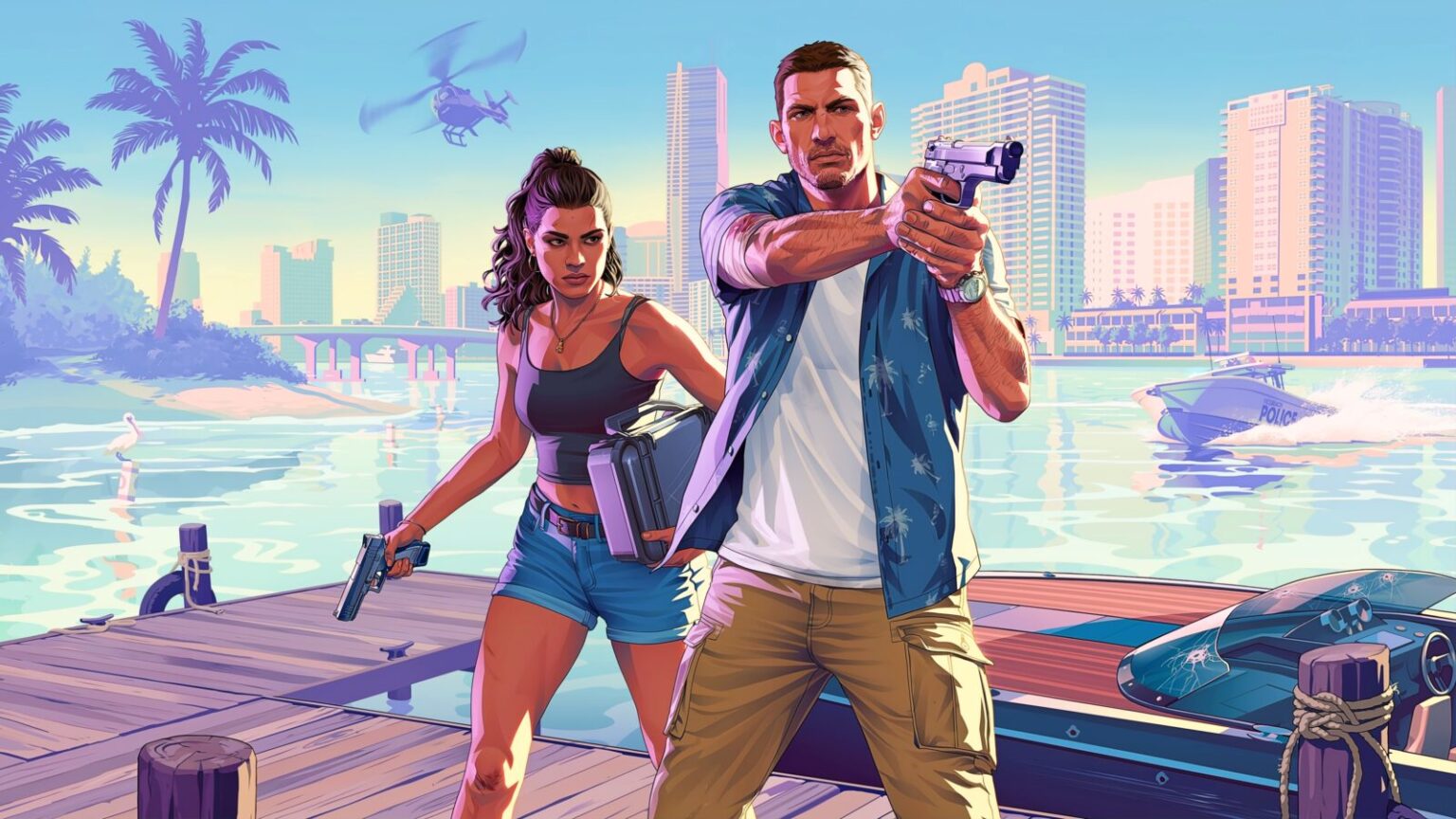
The rest of 2026 becomes harder to pin down, largely because everything orbits around Grand Theft Auto 6, currently scheduled for November 19 on PlayStation 5 and Xbox Series. Even if the date holds, most publishers will avoid launching near it. If it slips, the entire back half of the year reshuffles. The GTA 6 official trailer remains the single most watched and analyzed piece of marketing connected to 2026, and its shadow looms over the entire release calendar.
Beyond fixed dates, 2026 includes a wide slate of projects aiming for “sometime this year.” These include franchise revivals like Onimusha: Way of the Sword, sequels such as Enter the Gungeon 2 and Mortal Shell 2, and long-awaited returns like Dawn of War 4. There’s also a growing list of ambitious genre hybrids and experimental projects that could quietly become breakout hits if timing and execution align.
For many of these, trailers serve less as promises and more as signals of intent. Wolverine’s first gameplay teaser suggests a darker tone than many superhero games. Tomb Raider: Legacy of Atlantis positions itself as a full remake rather than a nostalgic remaster. And FromSoftware’s The Duskbloods trailer hints at familiar aesthetics paired with a structure that may surprise longtime fans.
Taken together, the biggest games coming in 2026 don’t point to a single defining trend so much as an industry hedging its bets. Remakes coexist with risky new IP. Massive sequels share space with smaller, more focused projects. And while one game may dominate headlines, the year itself looks defined by volume, variety, and constant adjustment rather than certainty.