

The smartphone world loves a good sequel. Sometimes it’s a modest remix. Other times it’s the Empire Strikes Back moment where everything suddenly gets deeper, darker, and more interesting. That’s roughly the situation with the Nothing Phone (4a) and the Nothing Phone (4a) Pro. At first glance they look like siblings that share the same wardrobe and Spotify playlists. Spend a little time with them, though, and the differences start revealing themselves like hidden Easter eggs in a Marvel post-credits scene.
I spent time digging into both devices after their launch, and the question everyone keeps asking is simple: should you grab the Nothing Phone (4a) now, or wait a little longer and spend extra cash on the Nothing Phone (4a) Pro?
The answer, like most good tech dilemmas, depends on what kind of smartphone nerd you are. If you’re the kind who just wants a slick, affordable phone that looks cool and runs smoothly, the base model already ticks most of the boxes. But if you obsess over build materials, design polish, and that subtle feeling of holding something a little more premium in your hand, the Pro starts looking extremely tempting.
So let’s unpack what actually separates these two devices, because while they share DNA, they definitely didn’t grow up the same.
The Context: Nothing’s Weirdly Charming Phone Strategy
Nothing has built its brand by doing something that sounds obvious but is surprisingly rare in the smartphone industry: making phones that don’t look like every other slab on the market. When Carl Pei launched the first Nothing phone, it felt like a rebellion against the sea of boring rectangles dominating store shelves.
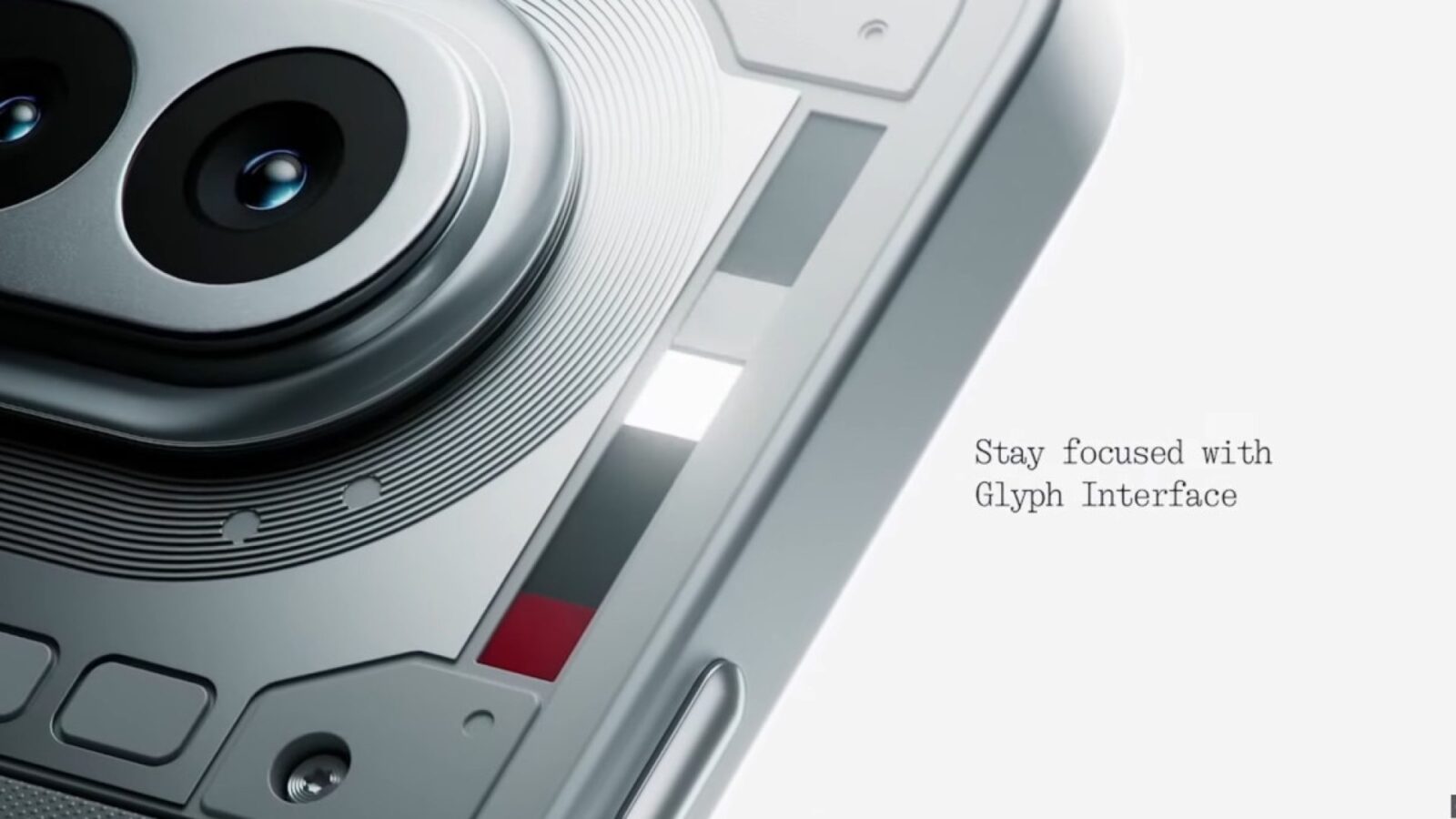
Transparent elements. The iconic Glyph lighting system. A minimalist design language that felt closer to sci-fi props than traditional Android devices.
With the (4a) generation, Nothing is clearly trying to refine that formula rather than reinvent it. The company has essentially split the lineup into two tiers that share most of their core technology but appeal to slightly different buyers.
Think of it like gaming consoles: the base model is the standard PlayStation experience, while the Pro version is the slightly beefier edition with nicer hardware and a few extra tricks.
The interesting twist is that the differences between the Nothing Phone (4a) and the Nothing Phone (4a) Pro are less about raw specs and more about how the phone feels and behaves in everyday use.
Which means choosing between them isn’t purely a numbers game.
Pricing and Availability: The First Fork in the Road
Let’s start with the most obvious factor: price.
The Nothing Phone (4a) lands firmly in what I’d call the “sweet spot” tier of smartphones. It’s affordable enough to avoid flagship sticker shock while still packing features that would’ve been high-end just a few years ago.
The Pro version climbs into a higher bracket, but it’s still far from the four-digit pricing we see from the biggest flagship devices. That difference in cost is significant enough to make buyers pause and think carefully about whether the upgrades are worth it.
Another wrinkle is availability. The standard Nothing Phone (4a) launches first in several markets, meaning impatient buyers can grab it sooner. The Pro version arrives slightly later.
That staggered release creates a familiar tech dilemma: buy what’s available now, or wait for the shinier version?
If history has taught us anything about gadget launches, patience usually pays off.
But not everyone likes waiting.
Design: Where the Real Differences Begin
At first glance, both phones clearly belong to the Nothing family. The design language is unmistakable. The lines, the layout, the overall vibe all scream the same aesthetic philosophy.
Look closer, though, and the design philosophy splits into two distinct paths.
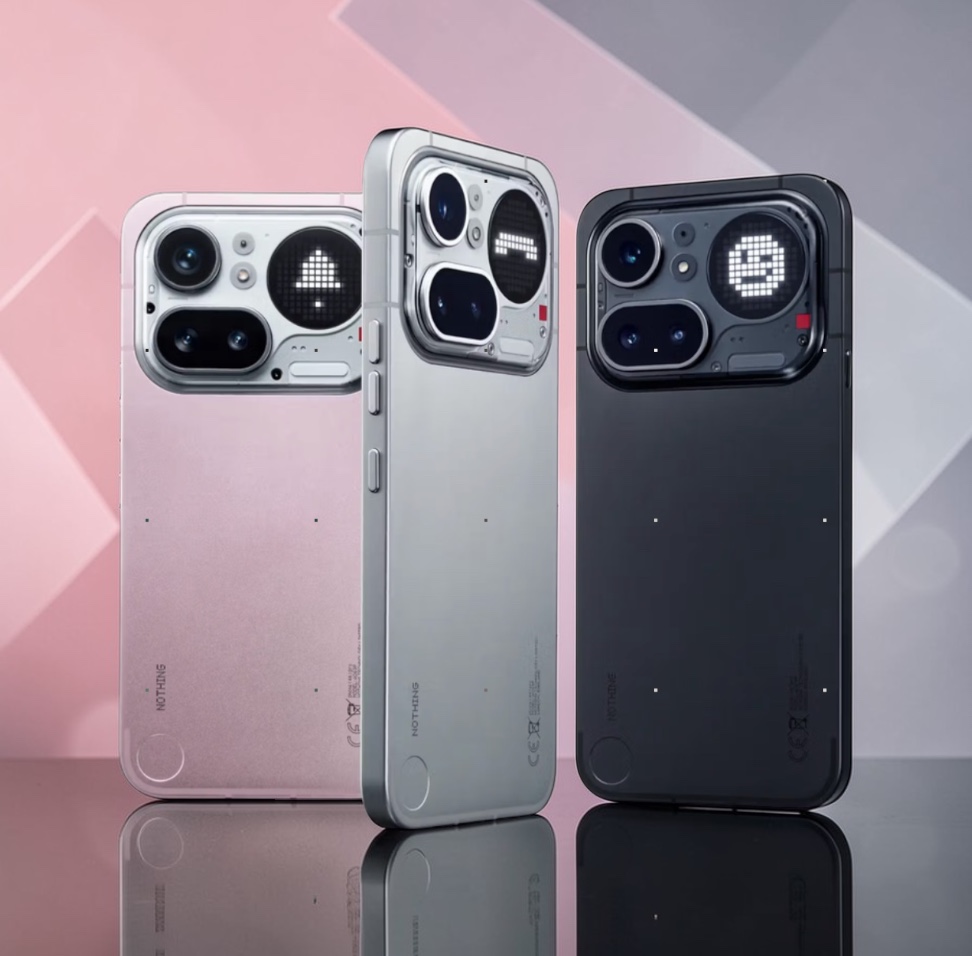
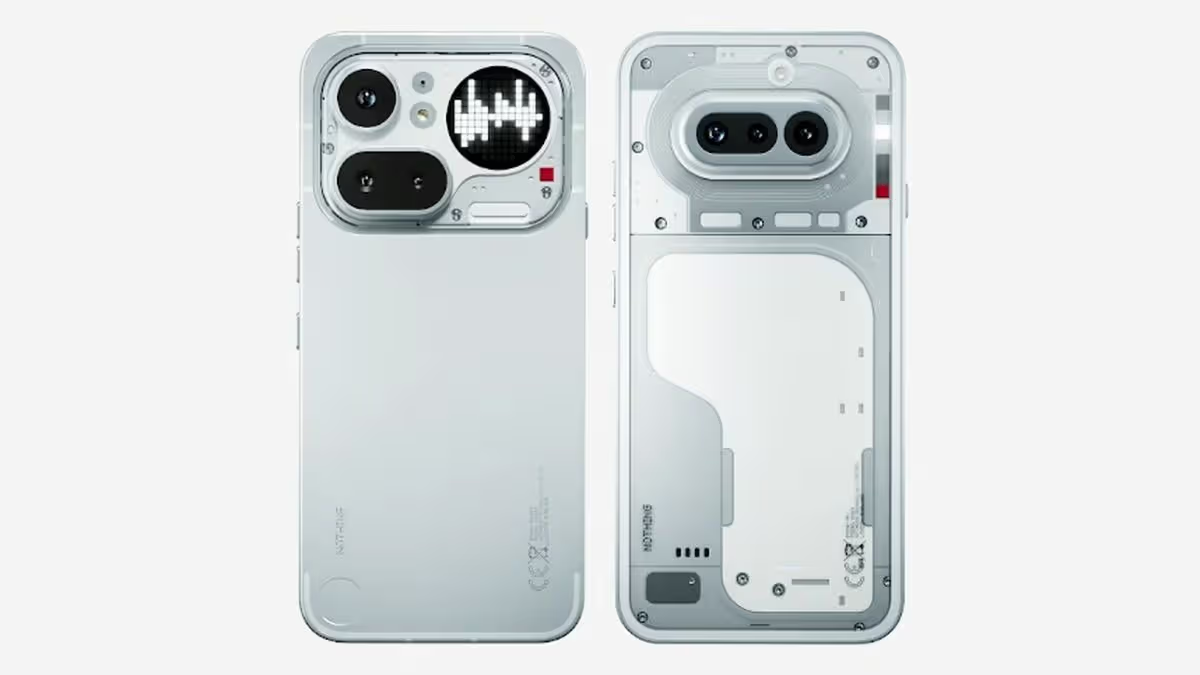
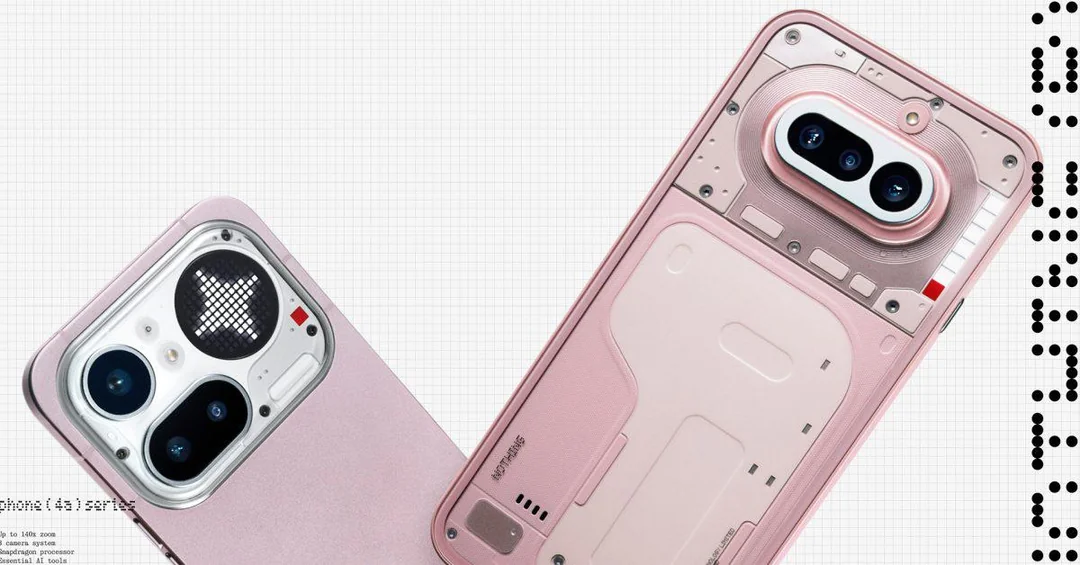
The Nothing Phone (4a) sticks to the company’s classic approach. It uses a plastic frame paired with a glass back that reveals some of the internal components. This exposed design is part of Nothing’s identity at this point. It’s the smartphone equivalent of those transparent Game Boy shells that made tech feel futuristic in the early 2000s.
The Nothing Phone (4a) Pro goes in a completely different direction.
Instead of exposing internal parts, the Pro opts for an aluminum unibody design that hides everything beneath a sleek exterior. The result is a phone that feels dramatically more premium in the hand. The difference isn’t subtle either. The weight distribution, the texture, the cold touch of aluminum all contribute to a more refined feel.
Holding both devices side by side is a bit like comparing a well-built gaming PC with RGB lighting to a minimalist aluminum MacBook. Both look great, but they communicate very different design philosophies.
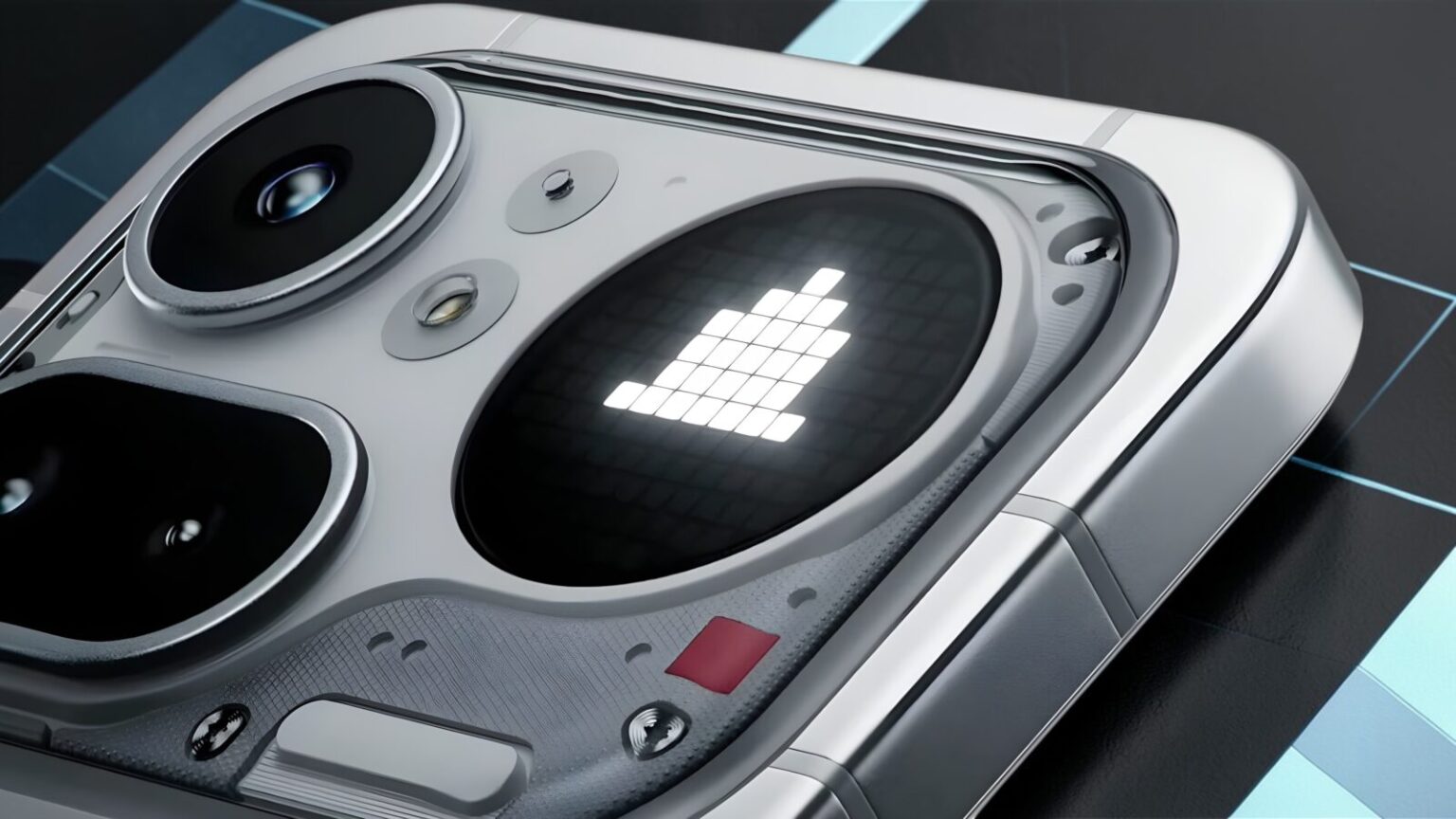
Then there’s the Glyph Matrix.
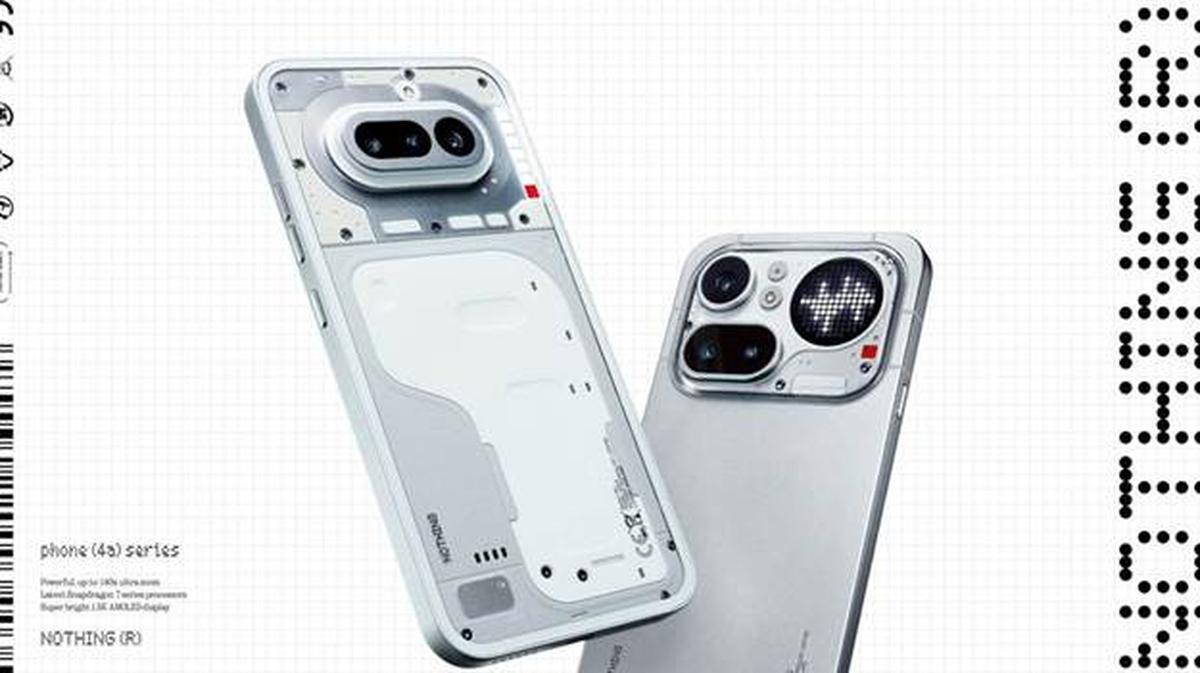
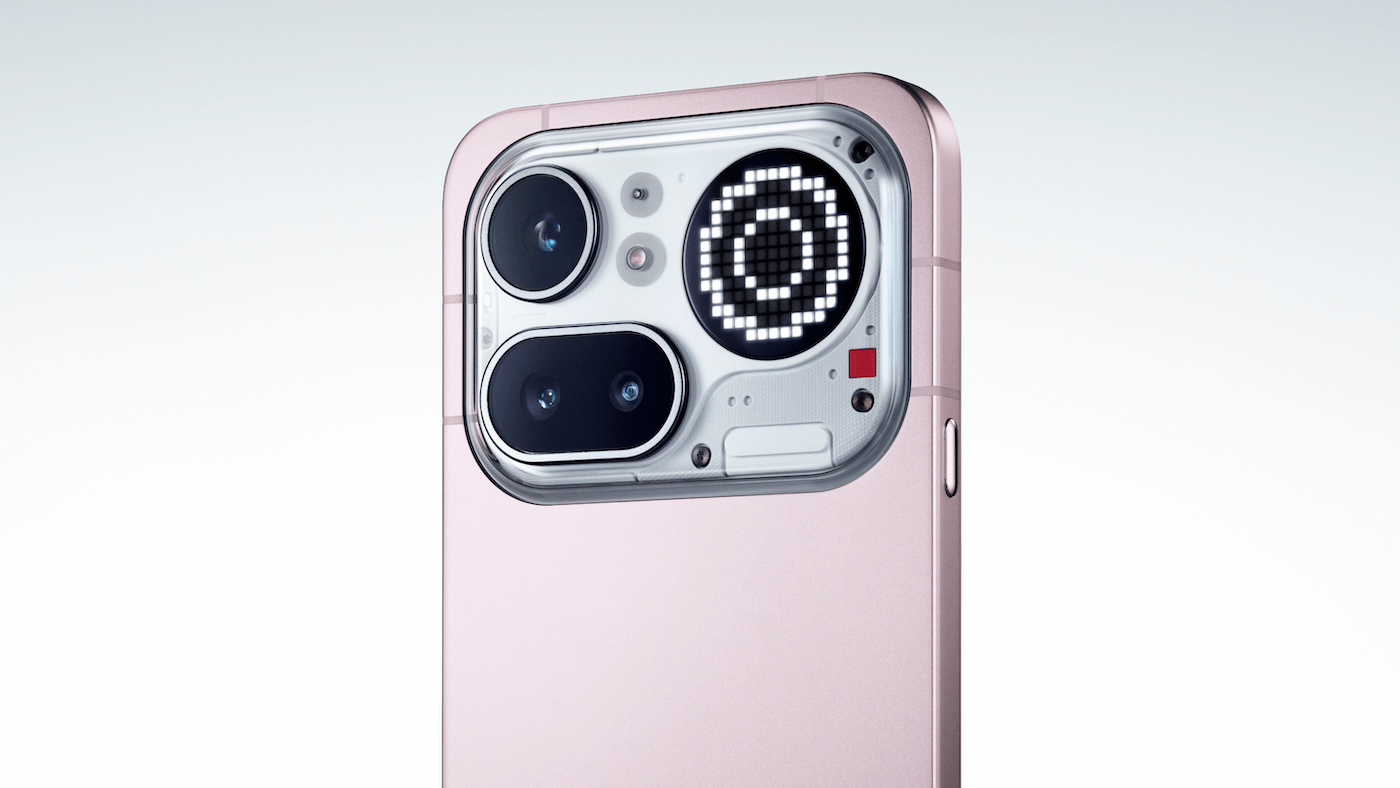
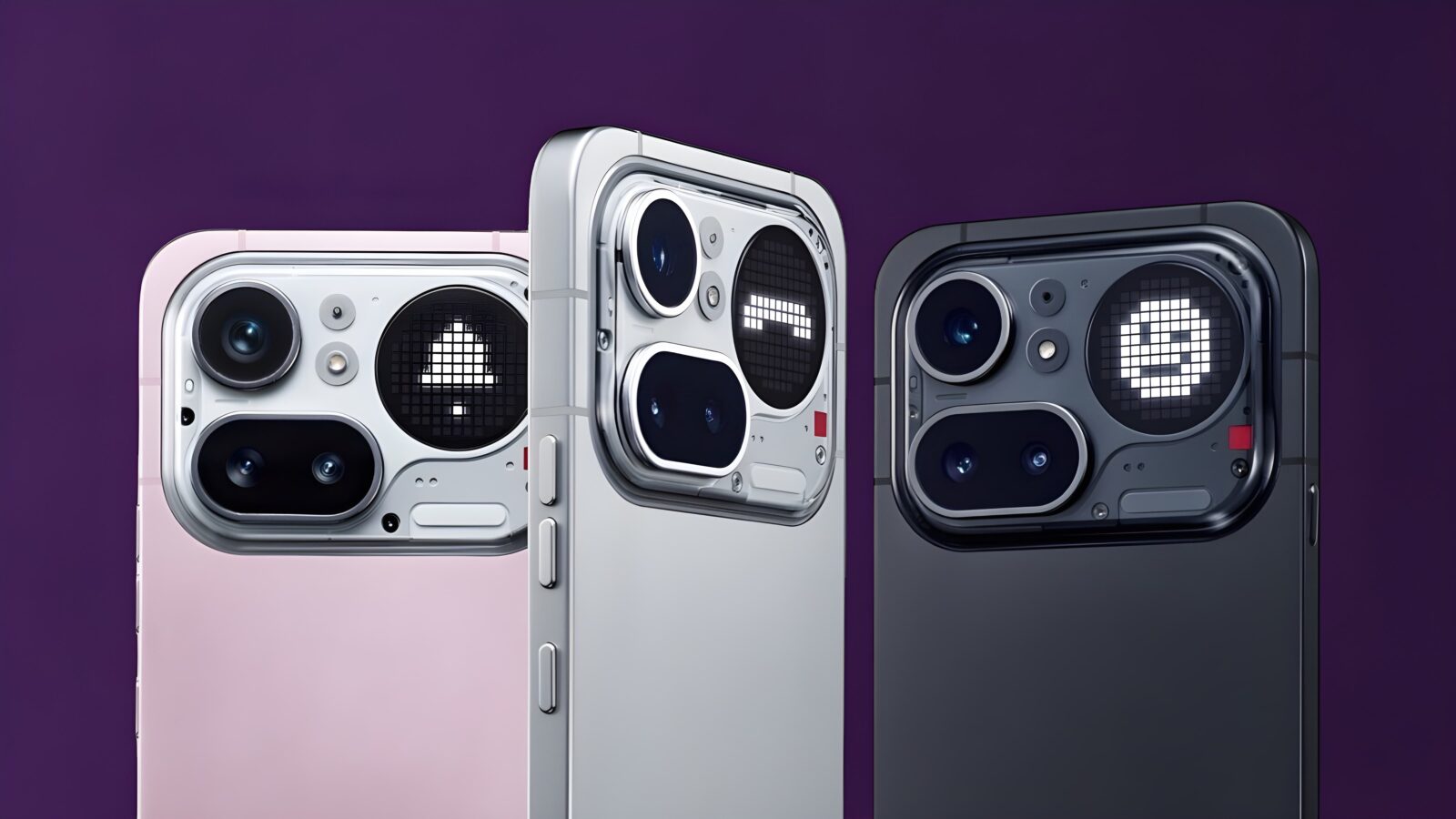
This is the Pro’s party trick, and it doesn’t exist on the standard model. Instead of the traditional Glyph strips used in earlier Nothing phones, the Pro integrates a matrix lighting system into the camera module. It’s part notification system, part design statement, and part conversation starter.
Whether it’s useful or just cool depends entirely on your tolerance for flashy tech features.
Personally, I suspect many people will treat it the same way gamers treat RGB lighting: unnecessary but undeniably fun.
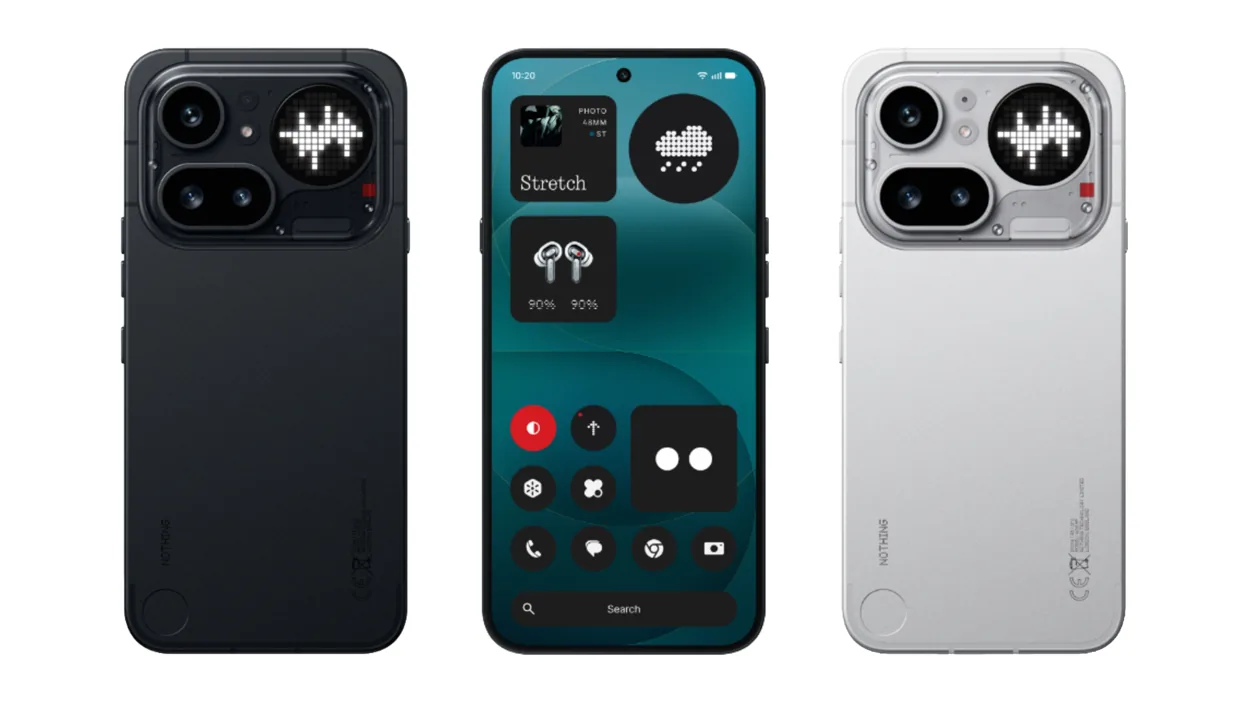
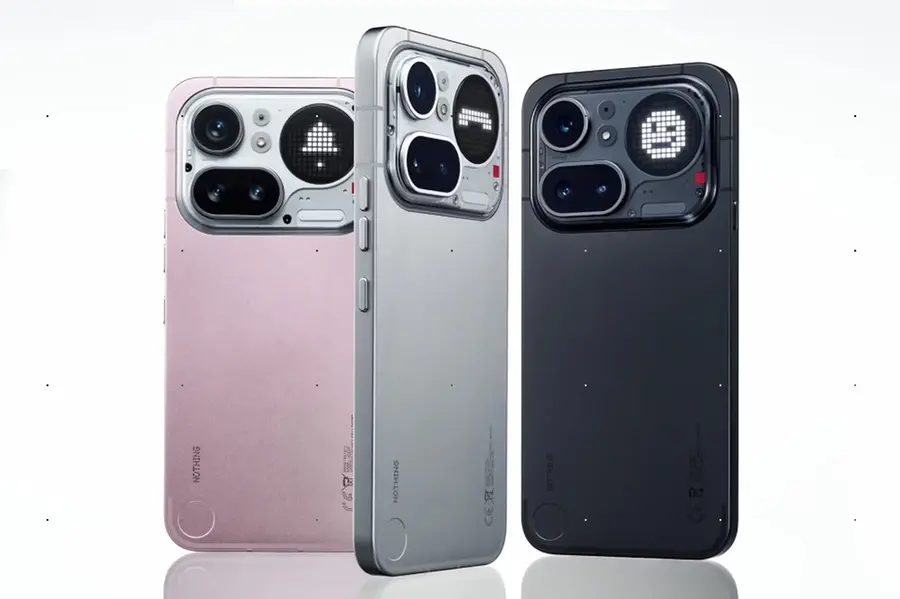
Color options also split the lineup further. The standard model gets more variety, including brighter colors like blue. The Pro leans toward a more restrained palette with black, pink, and silver variants that emphasize its premium identity.
Cameras: Surprisingly Similar Hardware
If you expected the Pro model to dominate the camera department, the reality might surprise you.
Both phones feature remarkably similar camera setups.
Each device includes a 50-megapixel main camera, a 50-megapixel telephoto lens with 3.5x optical zoom, and an 8-megapixel ultra-wide camera. Even the front camera is identical, with a 32-megapixel sensor handling selfies and video calls.
This is a huge shift compared to previous generations, where the Pro model often gained exclusive camera hardware.
Instead, the main difference now comes down to sensor quality and processing power.
The Nothing Phone (4a) Pro uses a slightly improved sensor for its main camera. In theory, this should produce cleaner images with better dynamic range. In practice, the difference may only be noticeable if you’re pixel-peeping or shooting in tricky lighting conditions.
Where the Pro pulls ahead more clearly is digital zoom.
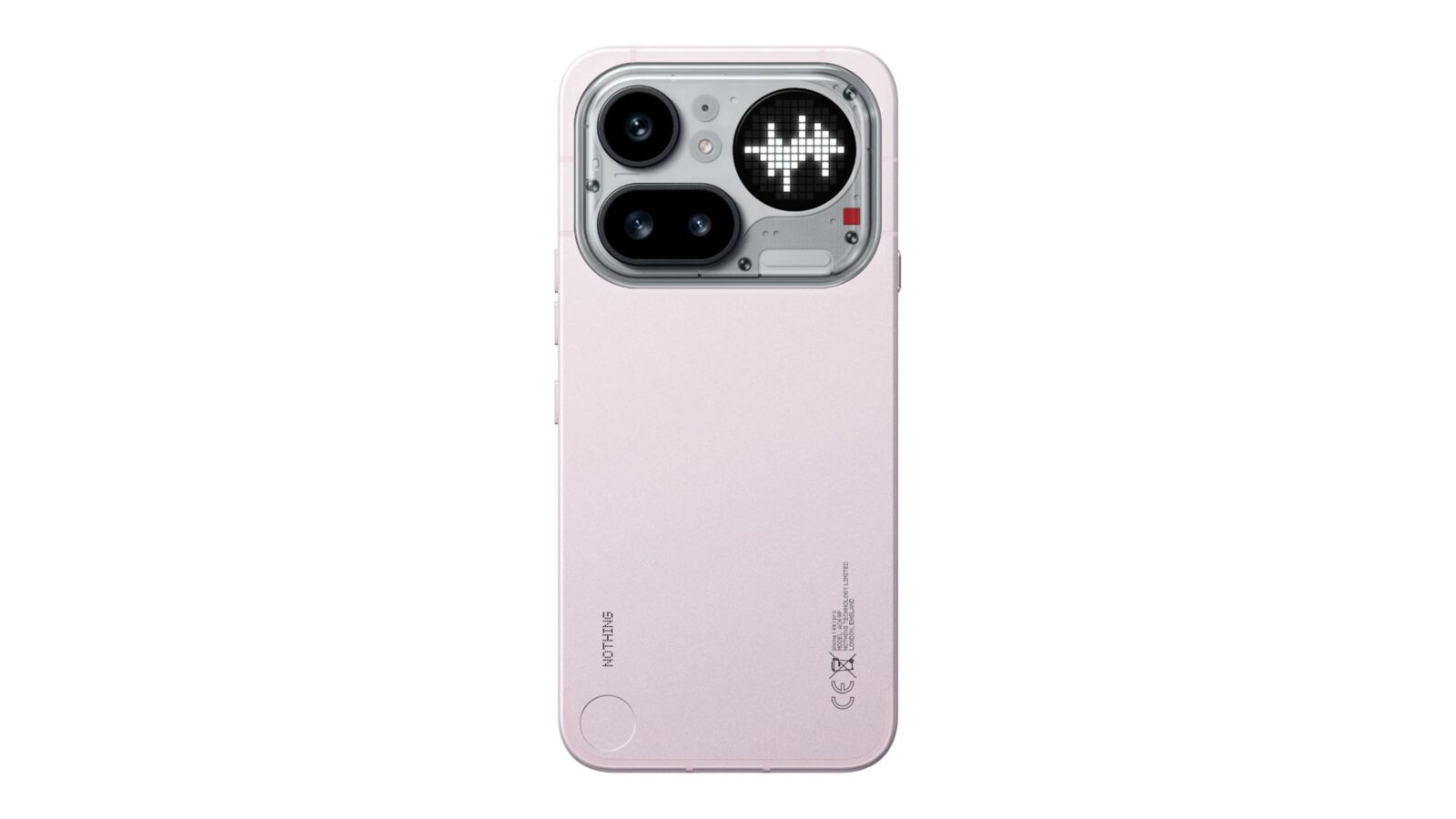
Thanks to its more powerful chipset, the Pro can push digital zoom all the way up to 140x. That sounds impressive on paper, though realistically most people won’t go anywhere near that level unless they’re trying to photograph the moon or spy on birds from across a lake.
For everyday photography, the two phones will likely produce very similar results.
Which is honestly refreshing. It means buyers don’t have to sacrifice camera quality if they choose the cheaper model.
Display: Slightly Bigger, Slightly Brighter
The display difference between these two phones is almost comically small.
The Nothing Phone (4a) features a 6.78-inch screen.
The Nothing Phone (4a) Pro bumps that up to 6.83 inches.
That half-centimeter difference is barely noticeable unless you’re comparing them side by side. Pixel density remains the same, meaning both devices deliver similar sharpness and clarity.
The Pro does have one small advantage: brightness.
Its panel can reach higher peak brightness levels, which helps visibility outdoors and improves HDR content playback.
For everyday use, though, the displays feel extremely similar. Streaming video, scrolling through social media, gaming, and reading articles all feel nearly identical across both devices.
In other words, the display alone probably won’t influence your buying decision.
Performance: Midrange Power with a Twist
Both devices sit comfortably in the upper midrange performance category.
The Nothing Phone (4a) uses the Snapdragon 7s Gen 4 chipset, while the Pro upgrades to the slightly faster Snapdragon 7 Gen 4.
The difference sounds small, but it does translate into measurable performance gains.
The Pro runs at higher clock speeds, which means smoother multitasking, slightly faster app launches, and better performance in demanding games. It also helps enable features like advanced digital zoom processing.
However, the base model isn’t slow by any stretch.
With 8GB or 12GB of RAM and up to 256GB of storage, it has more than enough power for everyday tasks, gaming, streaming, and productivity.
For most users, the difference will show up more in longevity than immediate speed. The Pro’s stronger processor may age more gracefully over several years of updates and increasingly demanding apps.
But in day-to-day use today, both phones should feel fast and responsive.
Battery Life: Identical Capacity, Similar Expectations
Battery capacity is one area where Nothing chose consistency over differentiation.
Both the Nothing Phone (4a) and the Nothing Phone (4a) Pro pack a 5080mAh battery in most regions. That’s a generous size that should easily last a full day for the majority of users.
With midrange processors and efficient displays, these phones are designed for endurance rather than raw power consumption.
In theory, the base model could actually achieve slightly longer battery life due to its less powerful processor.
The Pro’s faster chipset might draw a little more power under heavy workloads.
But realistically, both phones should deliver similar real-world endurance.
Real-World Experience: What Actually Matters
When you strip away the specs and marketing language, the real difference between these phones comes down to feel.
The Nothing Phone (4a) is a practical, stylish, and affordable device that captures the core of what makes Nothing interesting. It’s playful, distinctive, and surprisingly capable for its price.
The Nothing Phone (4a) Pro feels more like a polished evolution of that concept. The aluminum body makes it feel more durable and premium. The Glyph Matrix adds personality. The stronger processor adds longevity.
It’s not a dramatic upgrade in performance or camera capability, but it’s a noticeable upgrade in craftsmanship.
And sometimes that matters more than raw specs.
So… Should You Buy the Nothing Phone (4a) or the Phone (4a) Pro?
If your priority is value, the Nothing Phone (4a) is already an excellent buy. It delivers nearly the same camera system, similar battery life, and comparable display quality for significantly less money.
But if you care about premium design and slightly better performance, waiting for the Nothing Phone (4a) Pro makes sense.
The aluminum unibody alone gives it a more flagship-like feel. Add the extra processing power and the Glyph Matrix feature, and the Pro becomes the more complete device overall.
For impatient buyers who want a stylish midrange phone right now, the standard model won’t disappoint.
For everyone else, the Pro is probably worth the wait.
Verdict
The Nothing Phone (4a) continues the company’s tradition of delivering distinctive design and solid performance at a competitive price. It’s the kind of phone that proves midrange devices don’t have to be boring.
The Nothing Phone (4a) Pro refines that formula with better materials, a slightly stronger processor, and a unique lighting system that adds personality without drastically altering the experience.