

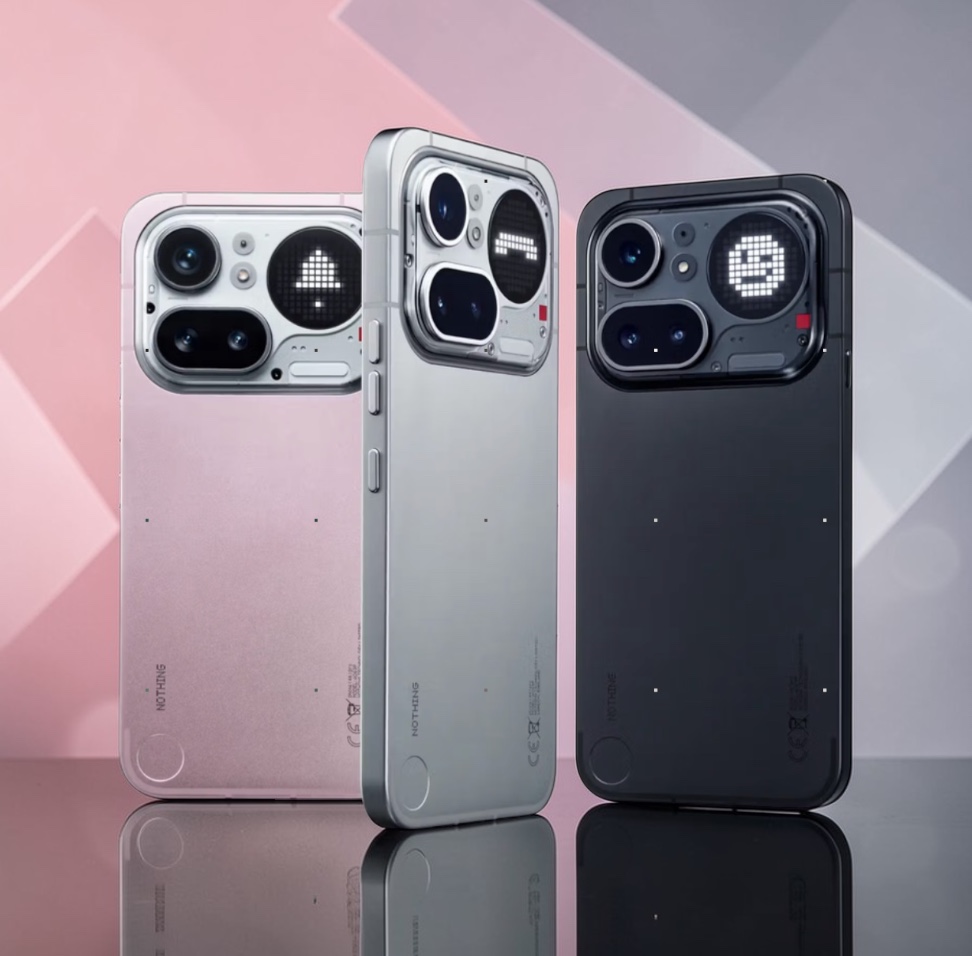
Nothing previously indicated that it would not release a flagship smartphone in 2026, framing the move as a step away from the routine cycle of yearly high-end upgrades. Despite that statement, the company has continued expanding its lineup with the introduction of two new devices: the Nothing Phone (4a) and the Nothing Phone (4a) Pro. Both models sit within the company’s mid-range “a” series and build on the design direction established by last year’s Phone (3a) lineup.
Nothing has continued to emphasize visual identity as part of its product strategy. Transparent design elements and rear lighting remain key parts of the devices, though the company has revised how these lighting systems work compared with earlier models.
The Nothing Phone (4a) is powered by Qualcomm’s Snapdragon 7s Gen 4 processor. The upgrade is relatively modest compared with the chip used in the previous generation. According to the company, the new processor offers roughly a 7 percent improvement in CPU and GPU performance along with improved efficiency. The device is available with either 8GB or 12GB of LPDDR4X RAM and storage configurations that now use UFS 3.1 technology instead of the slower standard used previously.
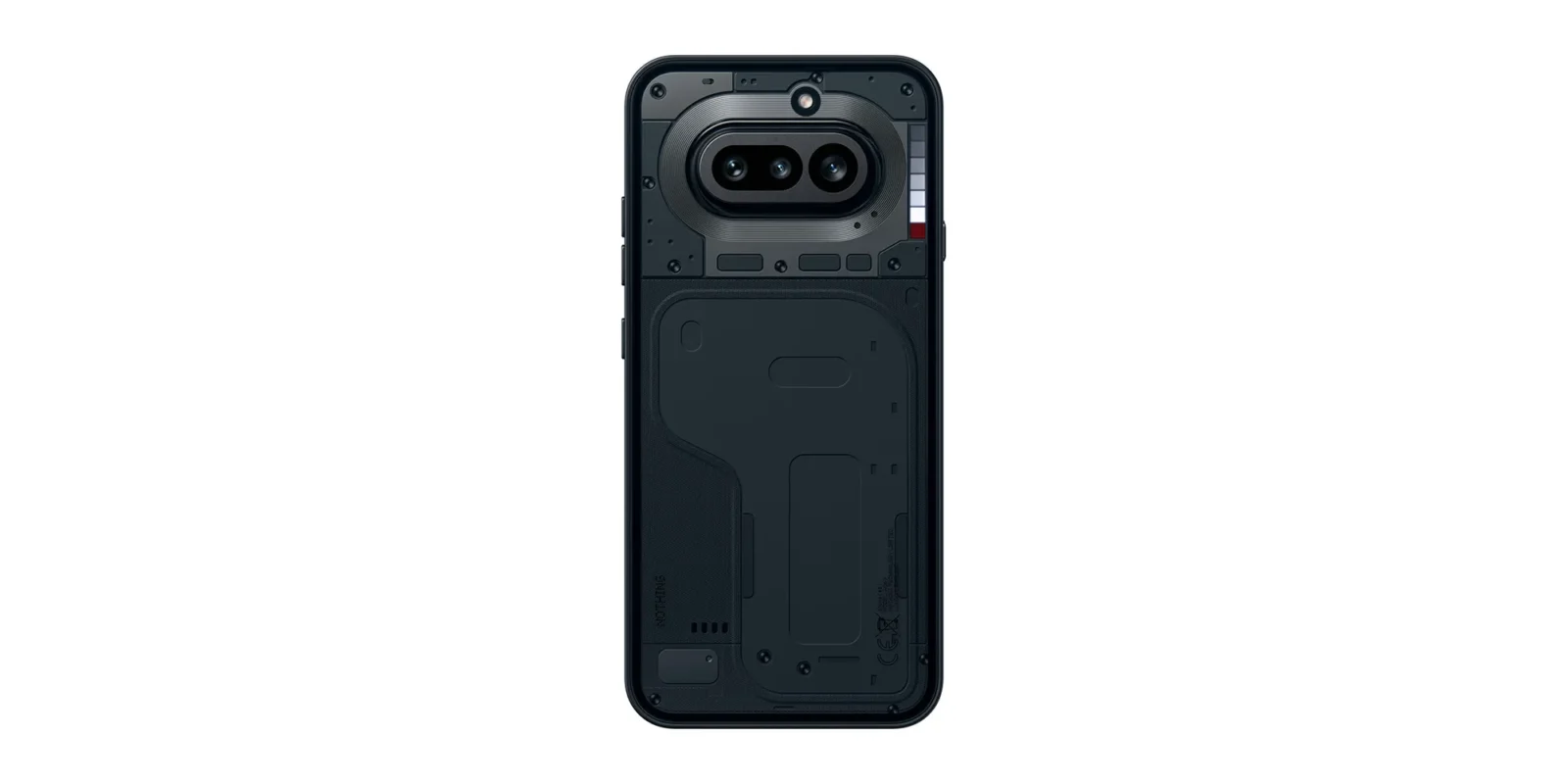
The display on the Phone (4a) has also been updated. It uses a 6.78-inch OLED panel with a 120Hz refresh rate and a resolution of 1,224 × 2,720 pixels. Peak brightness is rated at 4,500 nits, an increase compared with the earlier model. The screen is protected by Gorilla Glass 7i, replacing the Panda Glass used in the previous generation and offering improved scratch resistance.
One notable shift in the 2026 lineup is that the camera gap between the standard and Pro models has narrowed. The Nothing Phone (4a) now shares most of its camera hardware with the higher-end variant. The system includes a 50-megapixel main camera with optical image stabilization using Samsung’s GN9 sensor, a 50-megapixel periscope telephoto lens capable of 3.5× optical zoom, and an 8-megapixel ultra-wide camera. The front camera uses a 32-megapixel sensor. The main difference compared with the Pro model lies in video capabilities, as the standard version limits its enhanced Ultra XDR recording mode to 1080p.
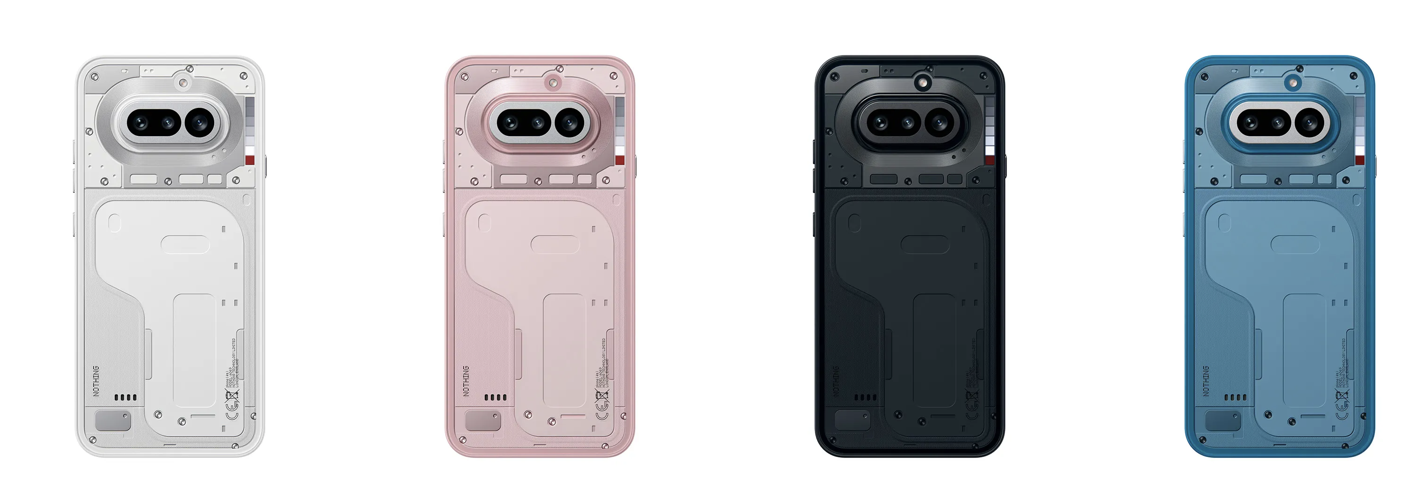
In terms of build, the Phone (4a) retains a plastic frame and measures 8.55mm in thickness. It carries an IP64 rating for dust and splash resistance. The phone includes a 5,080mAh battery and supports 50W wired charging.
The rear lighting interface has also been redesigned. The Phone (4a) replaces the previous segmented lighting layout with what Nothing calls the Glyph Bar. The system arranges LEDs in a single horizontal strip consisting of six lighting segments alongside the company’s red recording indicator. In total, the interface uses 63 LEDs and can reach brightness levels of up to 3,500 nits for notification patterns and alerts.
The Nothing Phone (4a) Pro introduces several upgrades beyond the camera system, expanding the differences between the two models compared with last year’s lineup. The Pro version replaces the plastic frame with a metal unibody design and is slightly thinner at 7.95mm while maintaining a similar overall weight. The device carries an IP65 rating for improved resistance to dust and water.
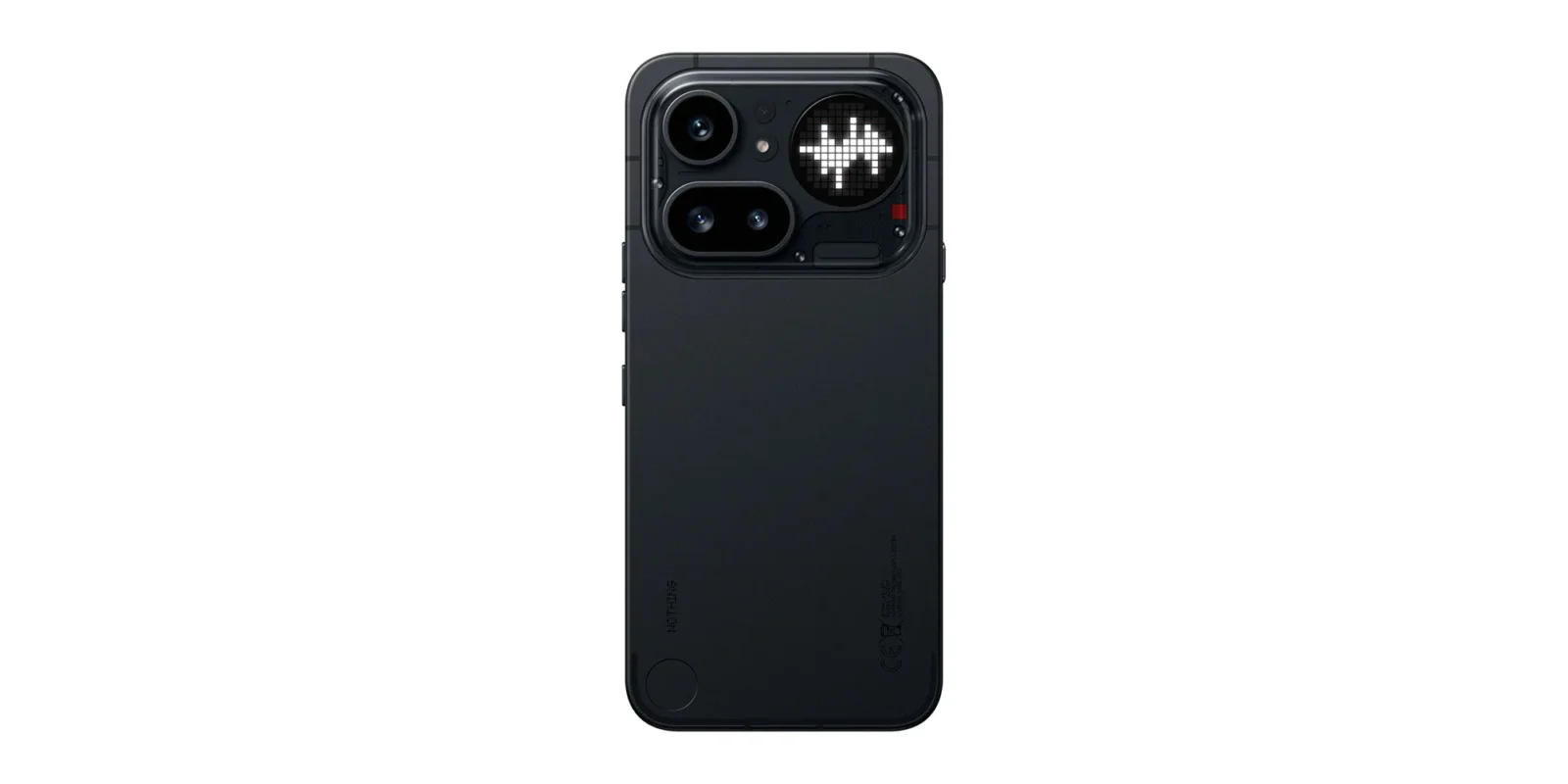
Performance is handled by Qualcomm’s Snapdragon 7 Gen 4 processor. Compared with the chip used in the previous generation, the new platform is designed to deliver higher CPU and graphics performance along with a significant increase in AI processing capability. The Pro model also uses faster LPDDR5X RAM and includes a 5,300mm² vapor chamber to help manage heat during sustained workloads.
The display is another area where the Pro version differs from the standard model. It uses a larger 6.83-inch OLED panel with a 144Hz refresh rate and a higher resolution of 1,260 × 2,800 pixels. The panel is capable of reaching peak brightness levels of up to 5,000 nits and uses 2,160Hz PWM dimming to reduce flicker.
On the camera side, the Pro model uses a 50-megapixel Sony Lytia 700C sensor for its main camera, paired with optical stabilization and an f/1.88 lens. The 50-megapixel periscope telephoto camera and the 8-megapixel ultra-wide sensor remain the same as the standard model. The front camera uses a 32-megapixel sensor, representing a lower resolution compared with the previous Pro generation.
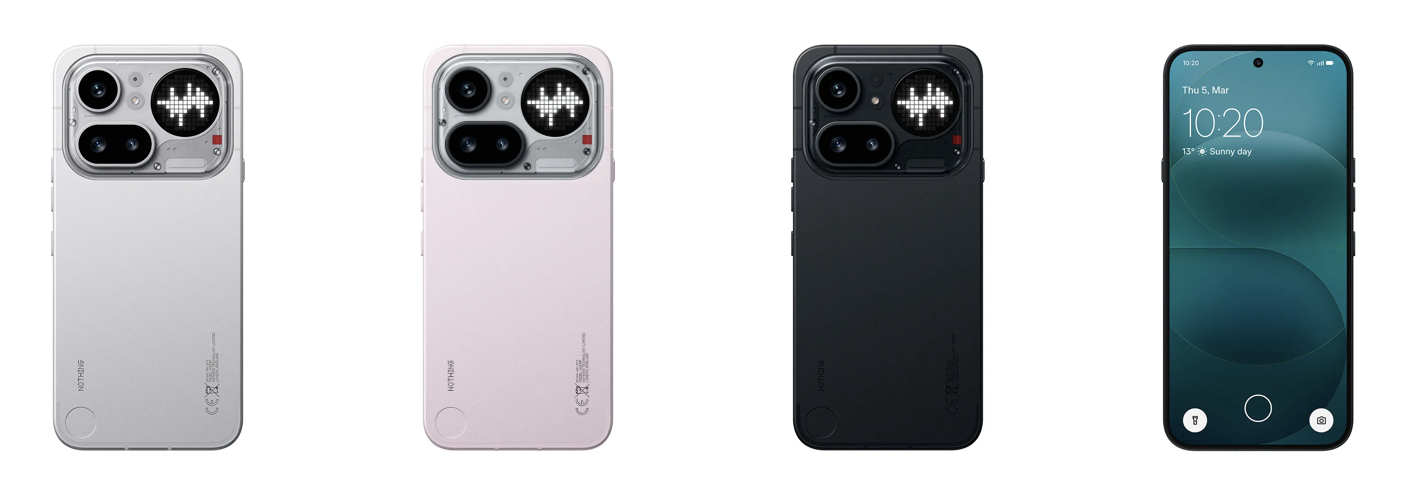
The lighting system on the back of the Pro device is also different. Instead of the linear bar used on the standard model, the Phone (4a) Pro introduces a circular Glyph Matrix made up of 137 LEDs. Although the total number of LEDs is lower than the matrix used on Nothing’s earlier flagship device, the circular display is physically larger and designed to produce brighter illumination for notifications and other visual signals.
Both smartphones ship with Nothing OS 4.1 based on Android 16. The company says the devices will receive three major Android version updates along with six years of security updates, matching the support policy applied to the previous generation.