
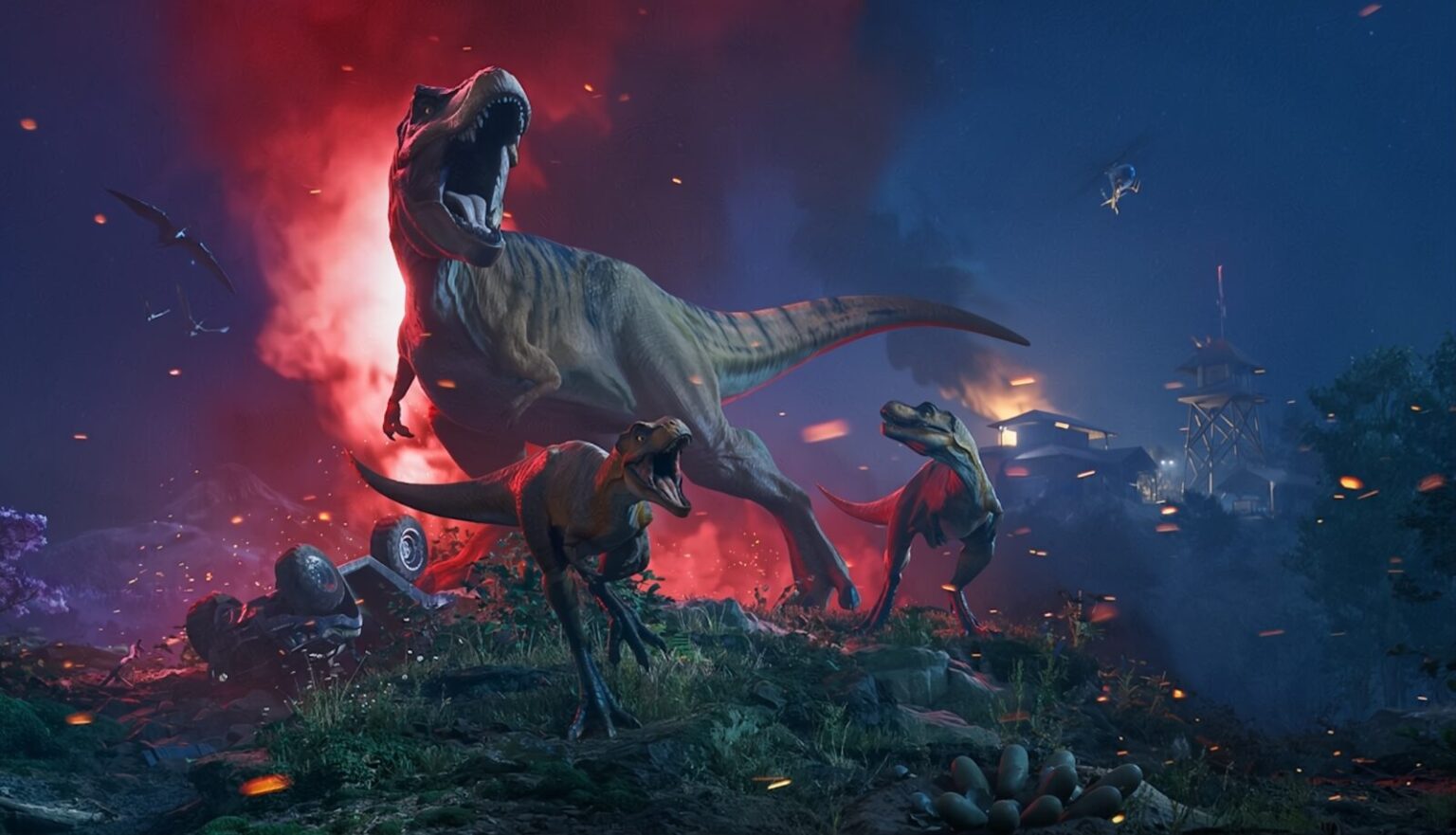
TL;DR: Jurassic World Evolution 3 takes everything great about its predecessors, polishes the edges, adds breeding, factions, and freedom, and delivers the best dino management sim yet. It’s awe-inspiring, chaotic, and occasionally frustrating — in other words, perfectly Jurassic.
Jurassic World Evolution 3
There’s something primal about the sound of a dinosaur roar cutting through the soft hum of management menus and the distant chatter of park guests. It hits a part of my lizard brain that remembers Saturday morning VHS tapes, the old Jurassic Park logo gleaming red against a black screen, and John Williams’ score swelling like a promise.
When I booted up Jurassic World Evolution 3 for the first time, that same childhood awe came back — that weird mix of excitement and “this is probably a terrible idea, but let’s do it anyway.” Because, if I’m being honest, Jurassic Park has always been the ultimate power fantasy for control freaks. It’s a franchise about hubris and spreadsheets, chaos theory and crowd control. And Evolution 3, Frontier’s latest entry in their dino-management saga, might just be the most satisfying sandbox for that fantasy yet.
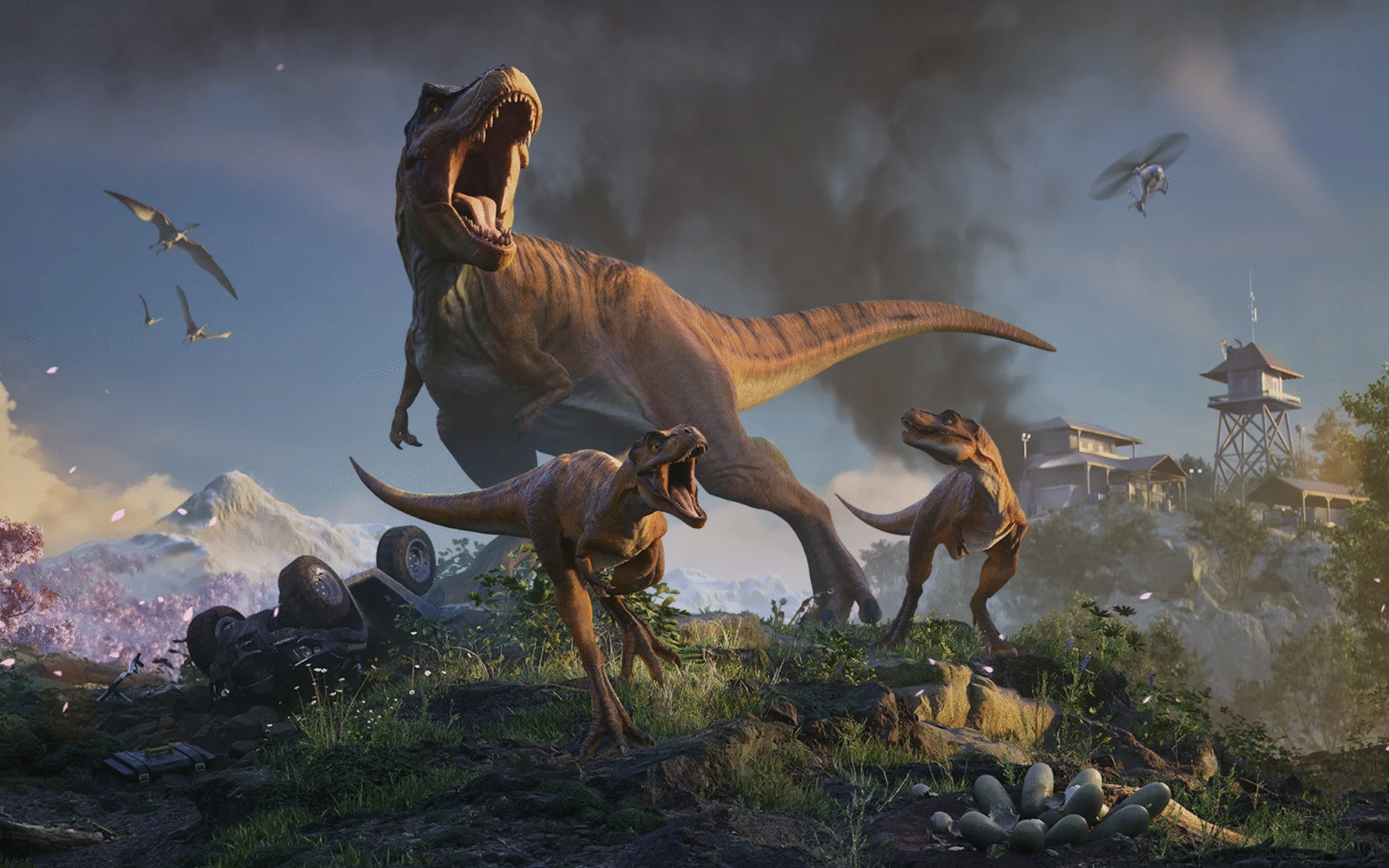
It’s not perfect — no park is — but when I look out over my latest creation, a sprawling island teeming with triceratops, pteranodons, and one very moody Tyrannosaurus rex, I can’t help but feel like I’ve pulled off something Hammond himself never could. For a few hours, at least, nature behaves.
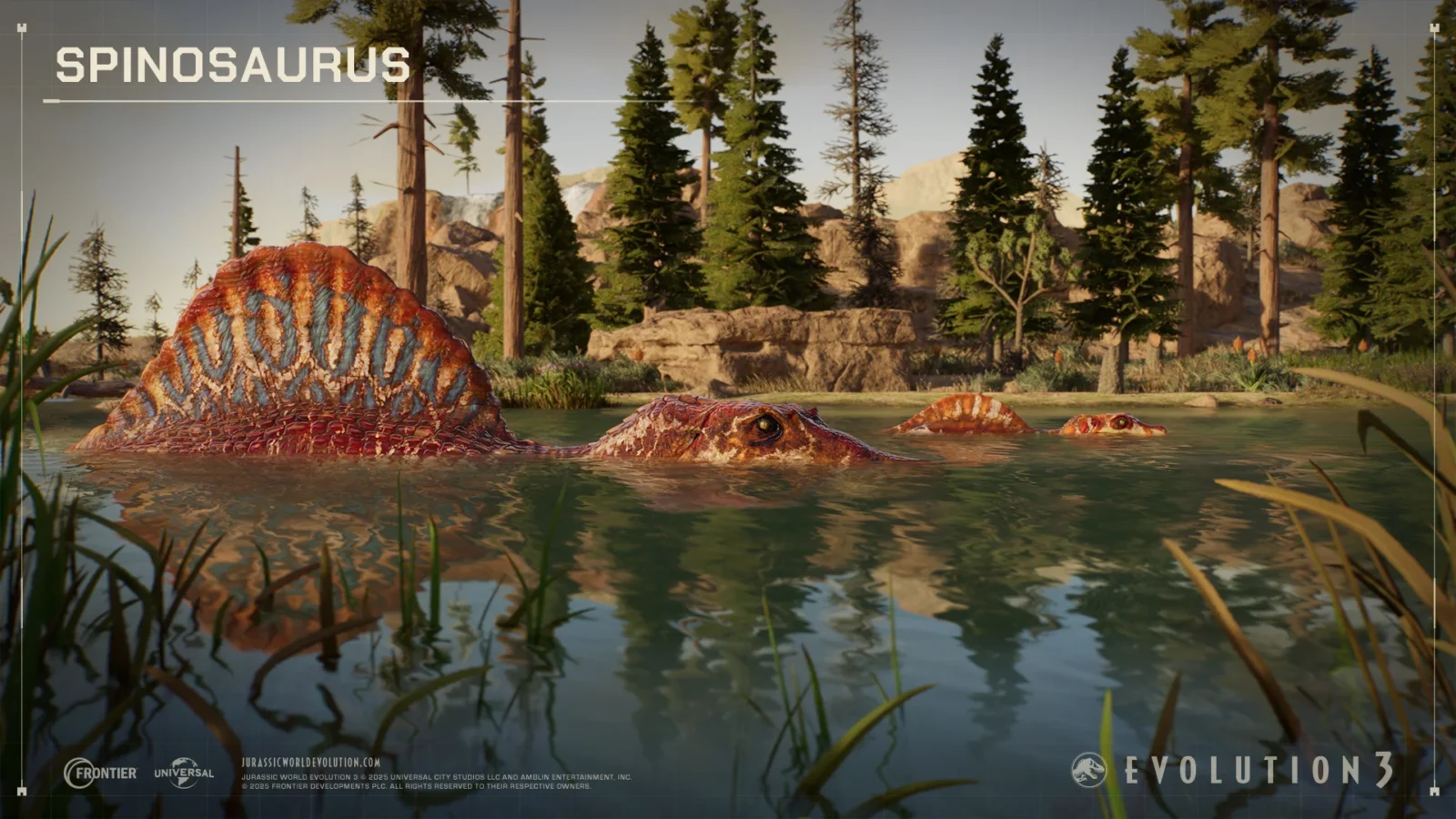
The Dream of a Dino Park, Now With Fewer Lawsuits
Let’s get this out of the way: running a dinosaur theme park is, unsurprisingly, absolute chaos. It’s a delicate juggling act of economics, ecology, and ego. On one hand, you’ve got the guests — those digital idiots who will walk directly into a restricted area if you don’t put up enough signage. On the other, you’ve got the dinosaurs — majestic, unpredictable, occasionally hungry for the digital idiots. Somewhere in between, you’re supposed to make a profit.
Jurassic World Evolution 3 doesn’t reinvent the formula from the previous games so much as it refines it. If the first game was about the novelty of “holy crap, I made a park with dinosaurs,” and the second was about fixing what didn’t quite work, the third feels like the developers finally took a deep breath and said, “Okay, let’s make this thing sing.”
The foundation is still that familiar park management loop: lay down paths, place amenities, maintain power grids, and design exhibits that will make your guests’ jaws drop without making their limbs detachable. But this time, there’s more freedom, more texture, more subtlety in how those systems interact. You’re not just a manager anymore; you’re an architect of ecosystems, a geneticist, a PR strategist, and sometimes, an underpaid babysitter for an angry Stegosaurus.
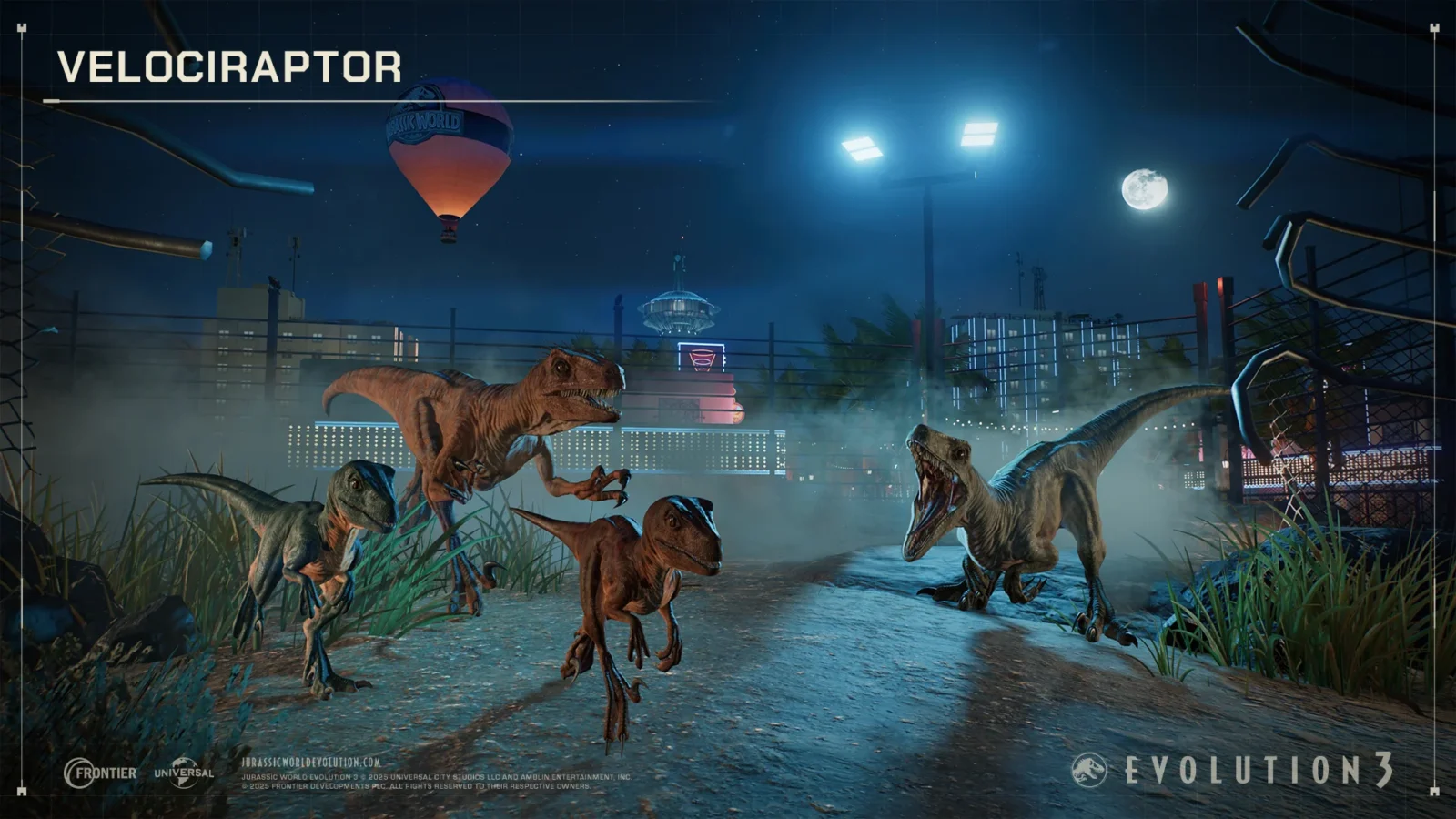
The First Time You See a Dinosaur
There’s this moment — every player knows it — when your first dinosaur emerges from the incubation center. The camera pans, the gates hiss open, and out steps your creation, backlit by the sun like it’s making an entrance on a prehistoric catwalk.
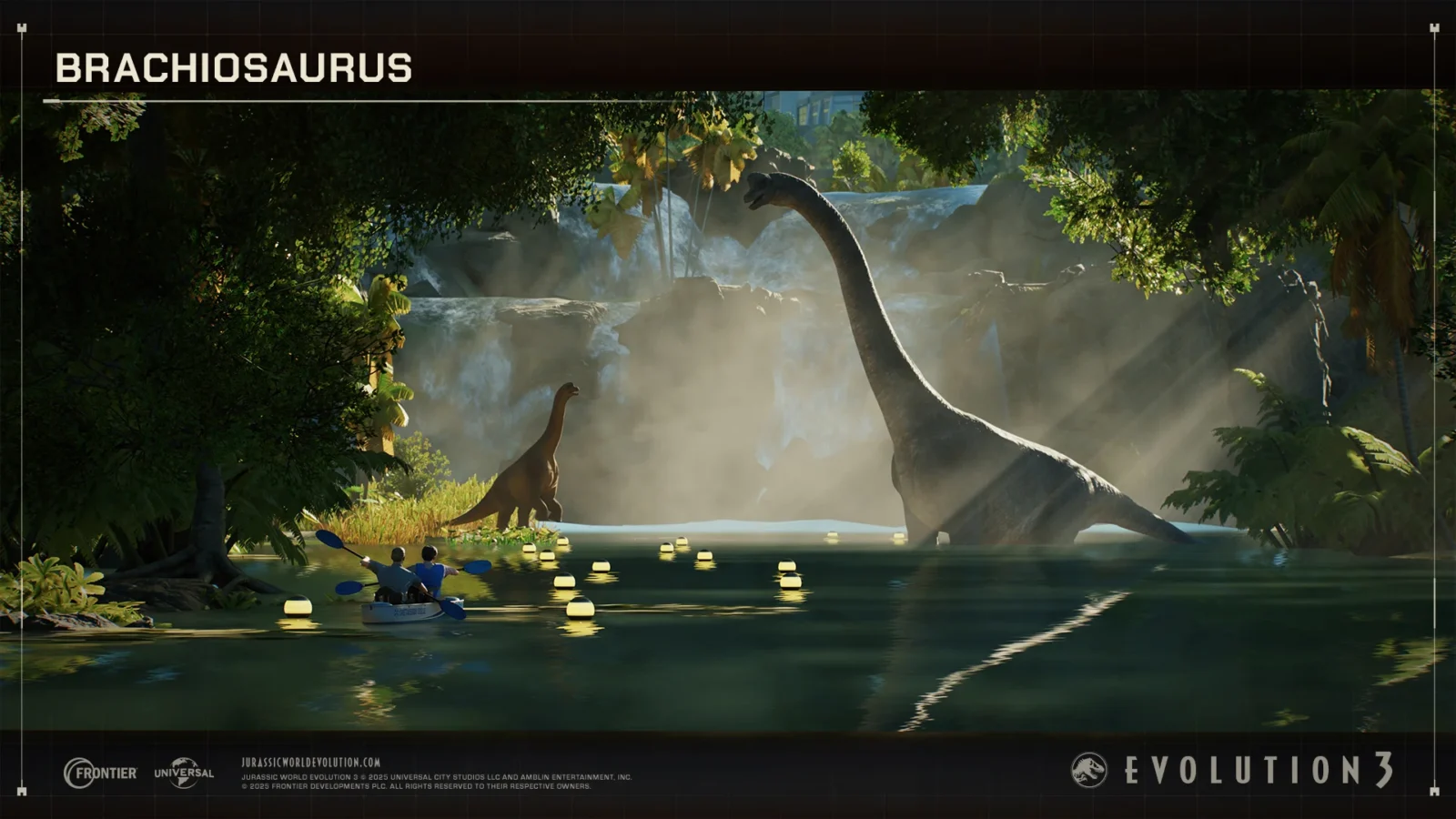
For me, it was a Brachiosaurus. Its neck unfurled slowly, like an unfolding banner from another time. The crowd behind the fence erupted in cheers. I didn’t move for a minute — I just stared. It wasn’t nostalgia; it was reverence.
And that’s the magic of Evolution 3. It’s not just a management sim — it’s a machine for awe. Every system, from DNA extraction to enclosure design, exists to set up those moments of wonder. You feel them in your gut. You want to protect these creatures, even as you exploit them for profit. You start naming them. You take photos of them sleeping. You panic when one escapes and tramples a churro stand.
That emotional whiplash is what keeps me hooked. Jurassic World Evolution 3 isn’t a game about perfection; it’s about the dance between control and chaos.
The Campaign: From Badlands to Vegas
Frontier’s campaign structure this time around feels more confident, more globe-trotting. You start small — a dusty, half-functional park in the Montana badlands — before expanding into neon Las Vegas, lush Hawaiian coasts, and the misty forests of Europe and Asia. Each new biome changes the rhythm of play: storms hit differently, terrain shapes how dinosaurs move, and local challenges give each region its flavor.
Cabot Finch, your PR man with the patience of a saint and the soul of a middle manager, is back to hold your hand and occasionally scold you when your velociraptors redecorate the hotel district. And yes, Jeff Goldblum’s Ian Malcolm still pops up like a philosophical ghost, muttering warnings about the futility of man’s control over nature. Every time he speaks, I can hear the faint sound of his shirt unbuttoning itself in protest.
The campaign serves as both a narrative backbone and a cleverly disguised tutorial for the game’s deeper mechanics. It’s linear enough to teach you the ropes but open enough to let you improvise. By the time you reach the international parks, the training wheels are off — and you’re balancing science, spectacle, and safety like a caffeinated Hammond.
The Joy (and Chaos) of Breeding Dinosaurs
The biggest new addition this time? Breeding.
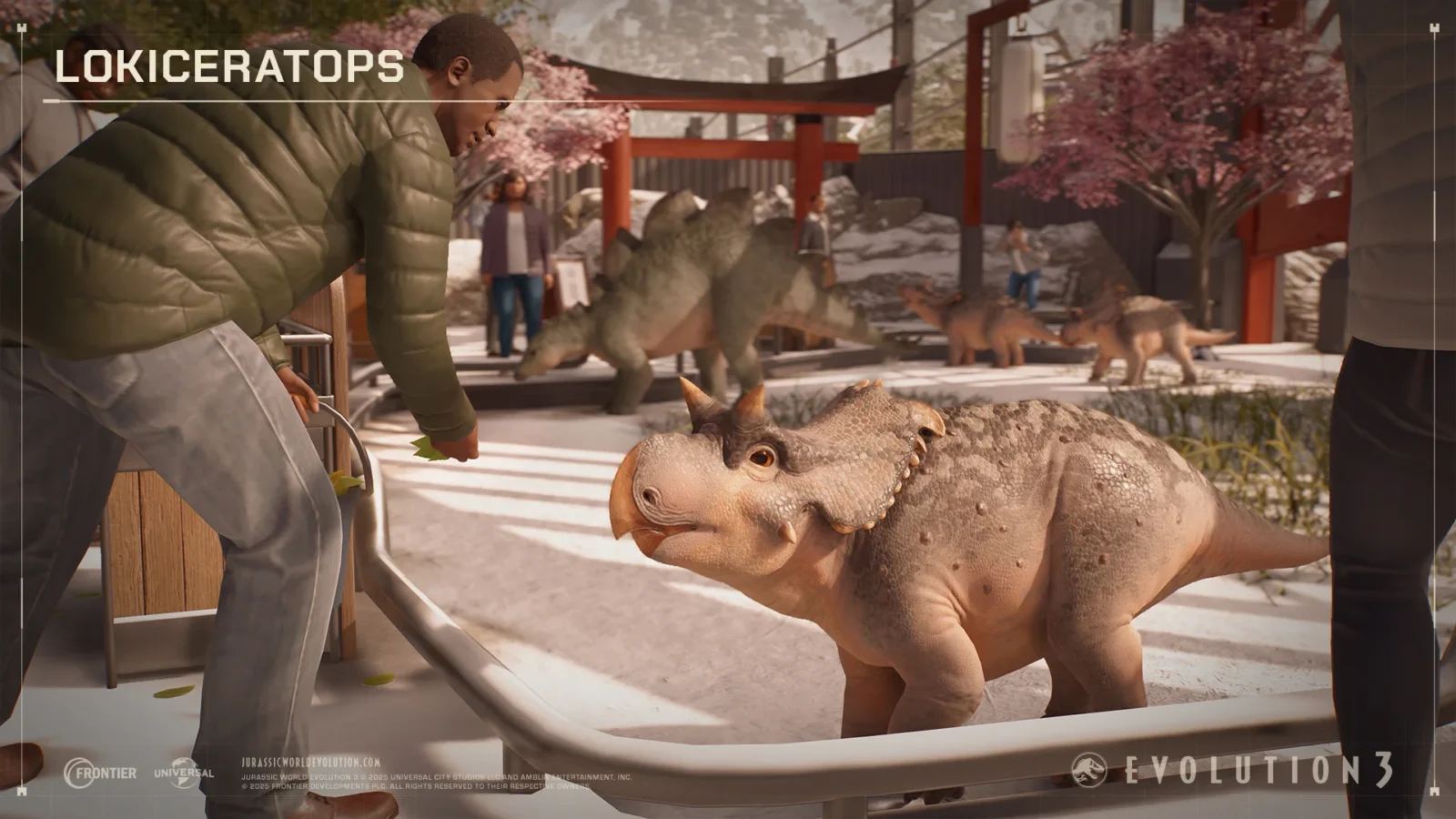
Previously, your dinos were lab-grown from fossil DNA — handcrafted, expensive, and sterile. But now? Now, they can make more of themselves. Set up a nesting area, pair up compatible species, and step back. Nature, as a certain chaotician once said, finds a way.
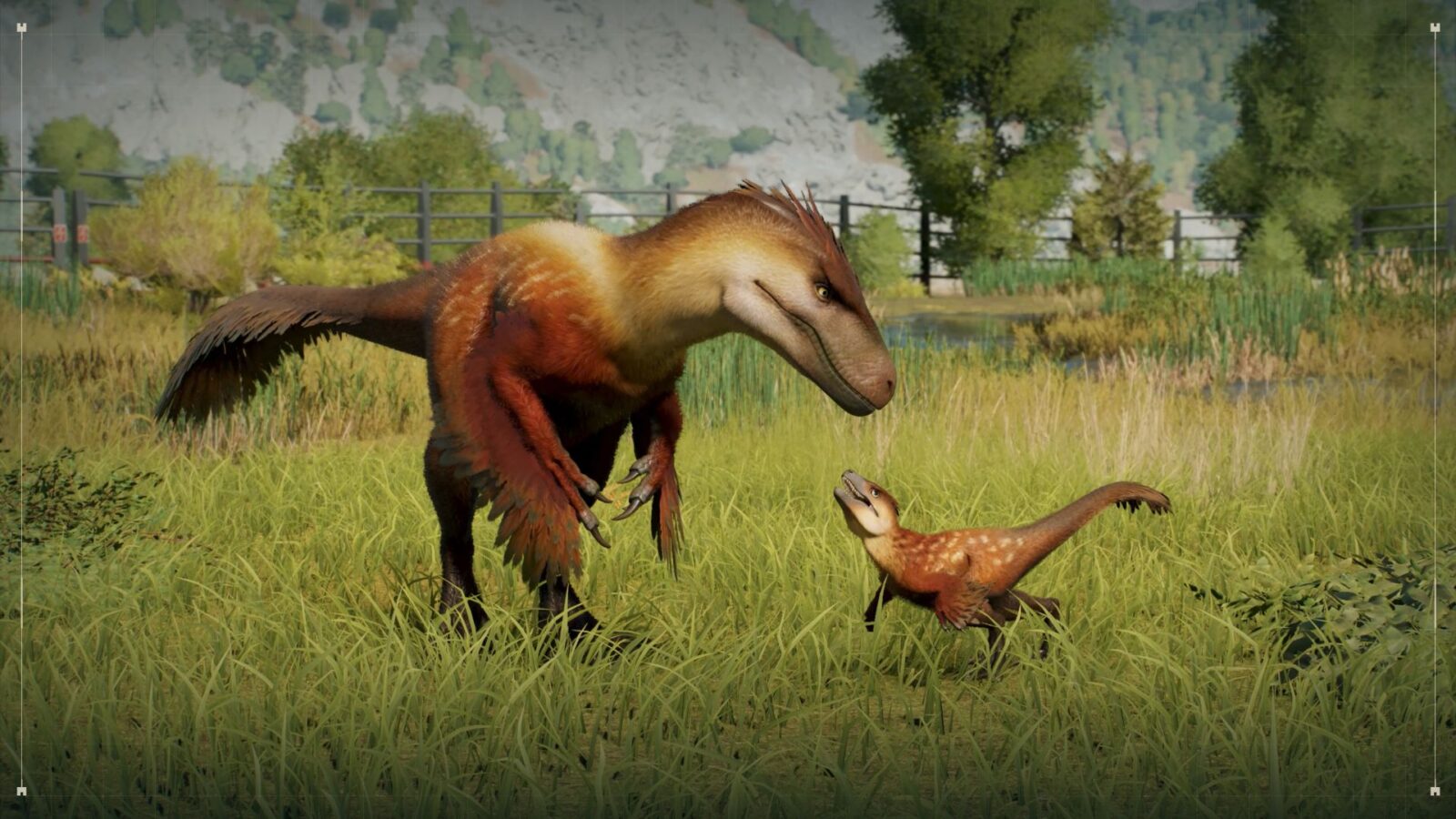
Breeding adds a weirdly wholesome layer to the chaos. Watching your first hatchlings emerge feels like watching your favorite Pokémon evolve in reverse — tiny, vulnerable, and inevitably hungry. You start worrying about their diets, their space, their social needs. You adjust feeders for the little ones who can’t reach the high branches yet. You realize your park isn’t just a zoo anymore; it’s an ecosystem.
Of course, it’s still a Jurassic ecosystem. Too much breeding leads to overcrowding. Overcrowding leads to stress. Stress leads to fences being tested. And you can guess what happens next. Suddenly your peaceful, family-friendly park is reenacting the third act of The Lost World.
Still, this mechanic transforms Evolution 3 from a static management loop into something more organic. It feels alive. It also adds a moral question that lingers in the background: if we can breed them, should we? The game doesn’t dwell on it — but you will.
Factions, Contracts, and the Dance of Diplomacy
Because running a dino park apparently wasn’t stressful enough, Evolution 3 introduces factions: entertainment, security, and conservation. Each one has its own priorities — and none of them care much for balance.
The entertainment folks want fireworks and feeding shows. Security demands tighter containment, higher defenses, and enough tranquilizer darts to fill a small armory. Conservationists? They want you to stop being a corporate monster and maybe let a few dinos live without Wi-Fi coverage.
Every contract you complete nudges your reputation with these factions, and like any good corporate ladder, pleasing one usually pisses off another. It’s a subtle but effective way of forcing you to think beyond profit margins.
Do you want to build the biggest, flashiest park on Earth, or do you want to preserve what you’ve resurrected? The game doesn’t punish you for leaning either way, but the tension adds depth to every choice. I found myself negotiating like a tired parent between three bickering children — “Yes, we’ll build the visitor center, but only if we can release the triceratops herd later, okay?”
Sandbox Mode: The Ultimate Playground
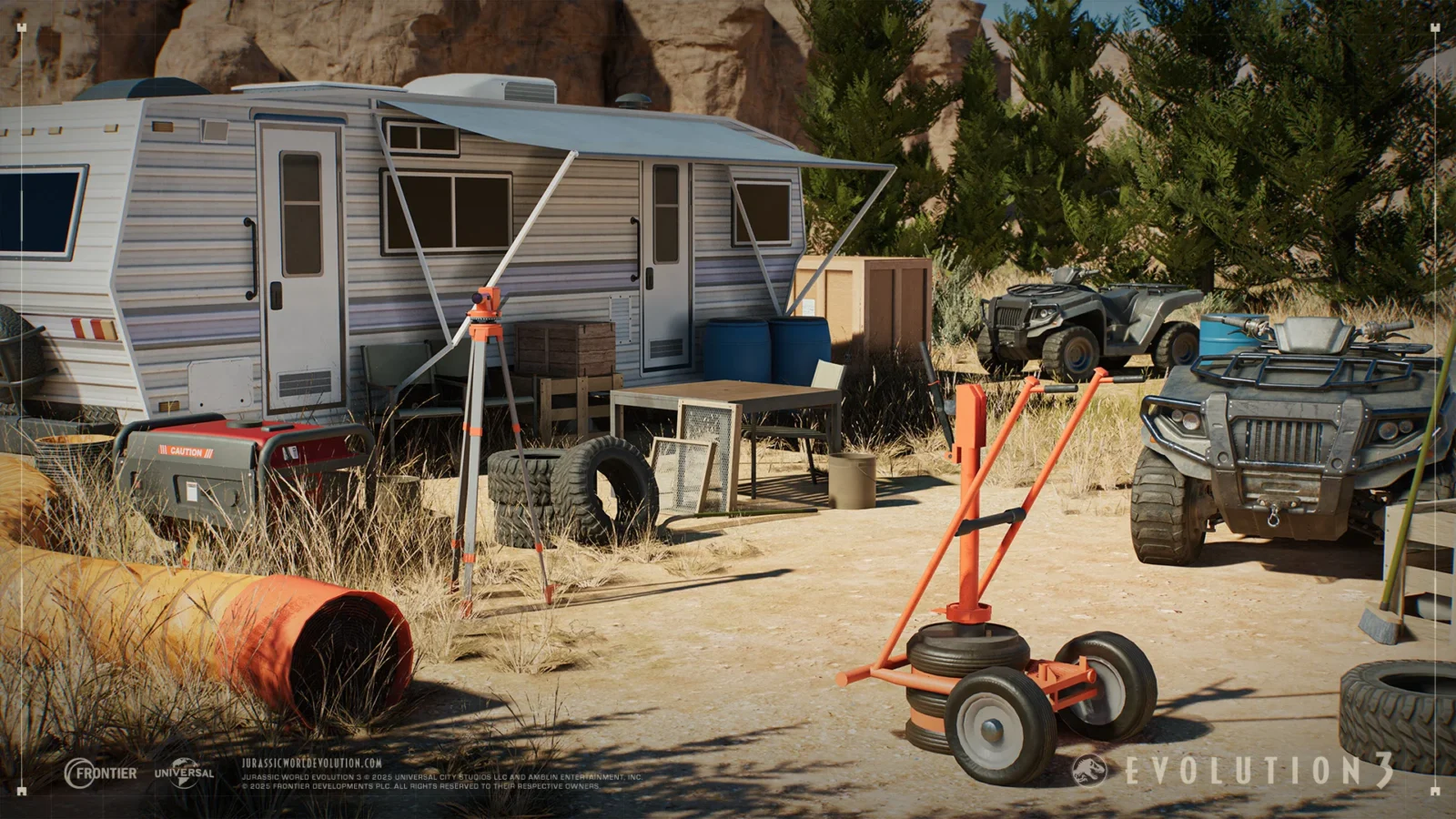
Once I finished the campaign, I did what every self-respecting player does: I opened Sandbox Mode and turned off the rules.
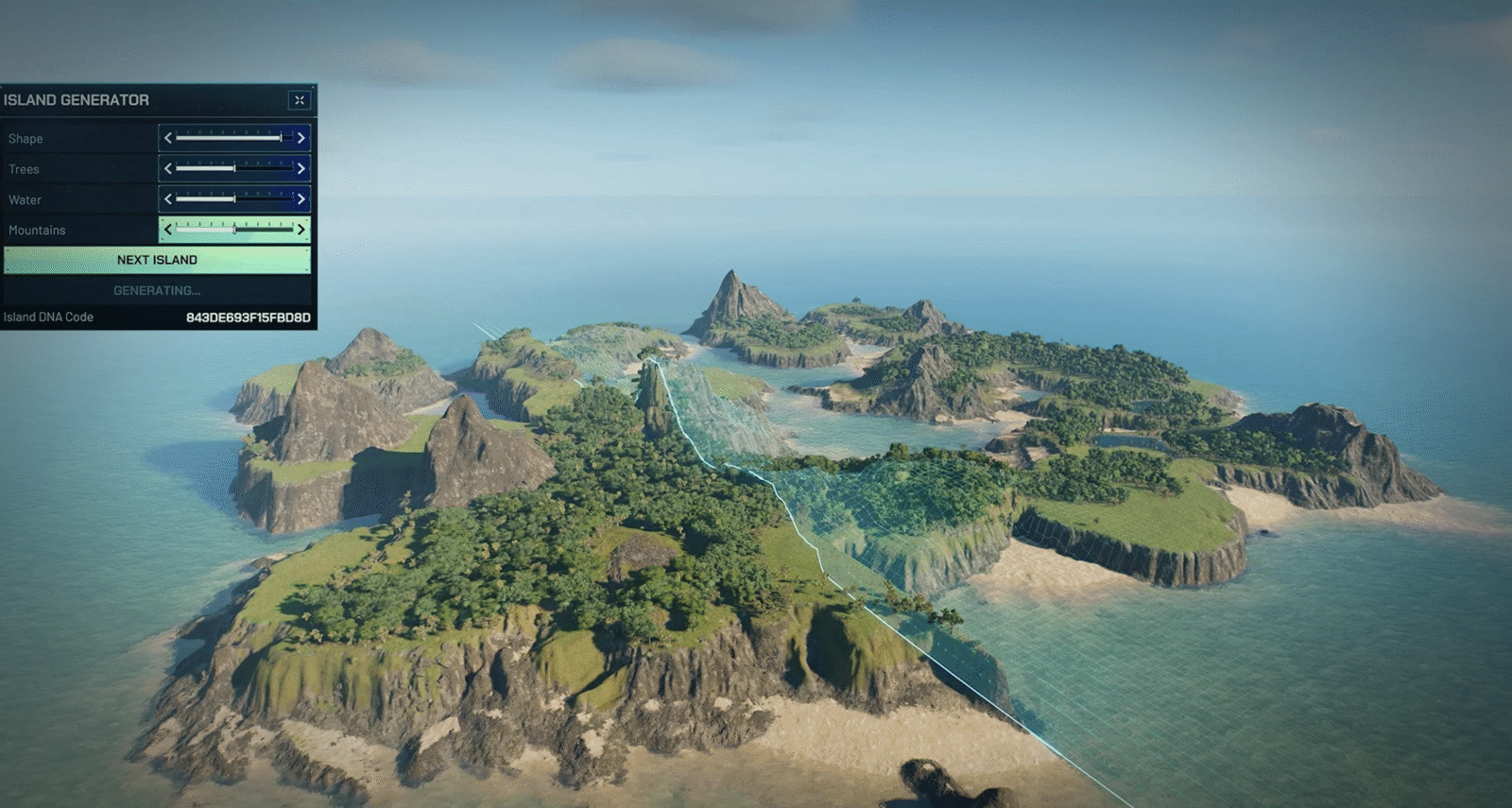
Unlimited money. No contracts. No sabotage. Just me, a blank island, and my megalomaniacal dream of creating Jurassic Vegas.
The level of customization this time is staggering. Terrain sculpting, weather control, behavioral tweaks — even how your dinosaurs interact with guests. You can make it chill and idyllic or crank up the chaos dial until your park becomes a prehistoric Thunderdome.
What surprised me most was how meditative it felt. With no objectives ticking in the corner, I found myself obsessing over small details — the curvature of a path, the angle of a viewing platform, the perfect placement for a waterfall behind the Spinosaurus enclosure. The background hum of the park, the rustle of trees, the ambient chirps of unseen creatures — it all blends into something almost cozy.
Until, of course, a pterosaur escapes and dive-bombs a food court.
That’s the beauty of Sandbox Mode. It’s serene one minute, pandemonium the next. It’s SimCity with teeth.
Scenarios: Time Trials in a World That Shouldn’t Be Rushed
If Sandbox Mode is a long, relaxing vacation, the Scenario Mode is the exact opposite — a time-boxed panic attack.
Each scenario drops you into a park with strict parameters and time limits: photograph specific dinosaurs, manage without editing enclosures, or hit certain profit goals before the clock runs out. They’re clever challenges, but for me, they missed the point of what makes Evolution 3 so good.
This series has always thrived on rhythm — that slow, deliberate pace of planning, reacting, and adapting. Compressing it into a speedrun felt antithetical. It’s like being told to watch Jurassic Park on 2x speed. Sure, technically you can, but you’re robbing yourself of the tension.
Still, I can see the appeal for players who want shorter bursts of play or leaderboard bragging rights. Me? I’ll stick to my sprawling, ill-advised mega-zoos.
Quality of Life: Smoothing the Rough Edges
Frontier deserves credit here. The leap in polish from Evolution 2 to 3 is significant. Maintenance and medical teams can now be automated, sparing you the tedium of micromanaging every broken fence or sick Parasaurolophus. Park tours are simpler to create and far more flexible — and you can finally offer guests more than Jeeps and gyrospheres.
Hot air balloon rides? Check. Canoe tours through the Cretaceous wetlands? Absolutely. Underground hyperloops connecting park sectors? Ridiculous and wonderful.
And perhaps most importantly, editing existing systems feels intuitive now. The UI finally understands that I’m not a robot with 16 fingers. Small things like faster path placement, clearer alerts, and smarter staff AI make a huge difference over the long haul.
There are still bugs — I ran into a few crashes, and at one point the “Continue Game” option simply disappeared like a velociraptor in tall grass — but nothing catastrophic. Patches arrived quickly, and the community tools promise a wealth of creative parks to explore post-launch.
The Philosophy of Control
Playing Jurassic World Evolution 3 for dozens of hours, I kept thinking about the irony baked into its design. Here’s a game that gives you unprecedented control — down to the genetics of living creatures — and yet its best moments are when things fall apart.
When the storm sirens wail, when a fence gives way, when a herd of herbivores stampedes across a plaza while guests scream and monorails crash — that’s when Evolution 3 feels most alive. It’s chaos rendered in perfect simulation.
The developers know this. That’s why the balance of calm management and sudden disaster feels so deliberate. The game isn’t about avoiding chaos; it’s about surviving it. Embracing it. Finding beauty in it.
Maybe that’s what Jurassic Park has always been trying to teach us: that no amount of fences, cameras, or clever design can outsmart nature. You can only coexist — temporarily, gloriously, until it all falls apart.
And when it does? You rebuild. Because it’s too damn fun not to.
The Verdict
When I finally shut down my park — after 60 hours of micromanagement, dino drama, and existential monologues from Jeff Goldblum — I felt something rare for a management sim: gratitude. Jurassic World Evolution 3 doesn’t just refine a formula; it celebrates it.
It’s a game that understands the thrill of creation, the pain of loss, and the endless human urge to try again. It’s full of awe, humor, and yes, the occasional tragedy. But above all, it’s deeply playable.
Sure, the Scenario Mode might be the weak link, and a few bugs remind you that even digital dinosaurs can glitch through walls. But everything else — the expanded breeding systems, the smoother mechanics, the lush environments — makes this the definitive Jurassic World Evolution experience.
If you’ve ever looked at a pile of fossils and thought, “Yeah, I could do better than Hammond,” this is your shot. Just remember: keep an eye on the fences.