
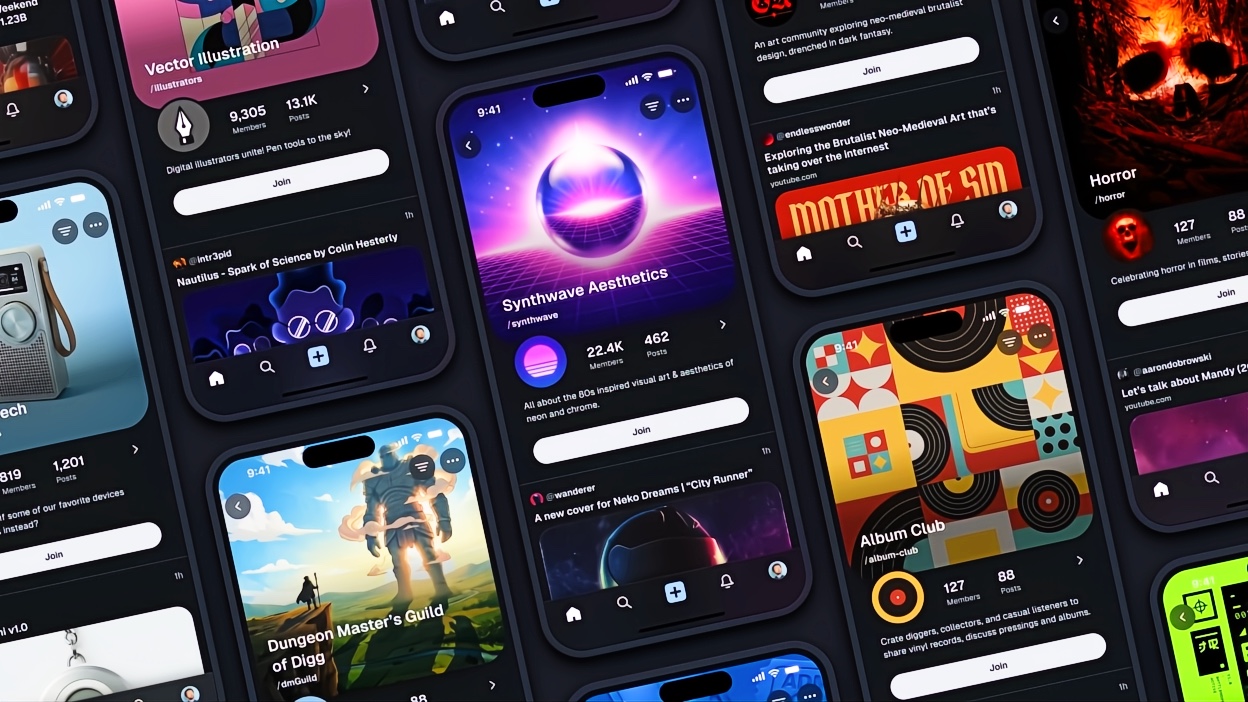
I didn’t plan on spending an entire evening doomscrolling Digg in 2026. That sentence alone feels like it should be read aloud in a concerned tone by someone holding a flip phone and a printed MapQuest. And yet there I was—tabs abandoned, notifications ignored, phone flipped face-down like it was 2007 again—slipping into that old, dangerous internet rhythm where curiosity sets the pace and time quietly stops mattering. The eerie part wasn’t that Digg is back. It was how fast my brain adjusted. How instinctive it felt. That soft internal click of recognition: oh… right. This is what it used to be like.
Before feeds learned to shout. Before every platform developed opinions about what would keep me “engaged.” Before scrolling felt like labor.
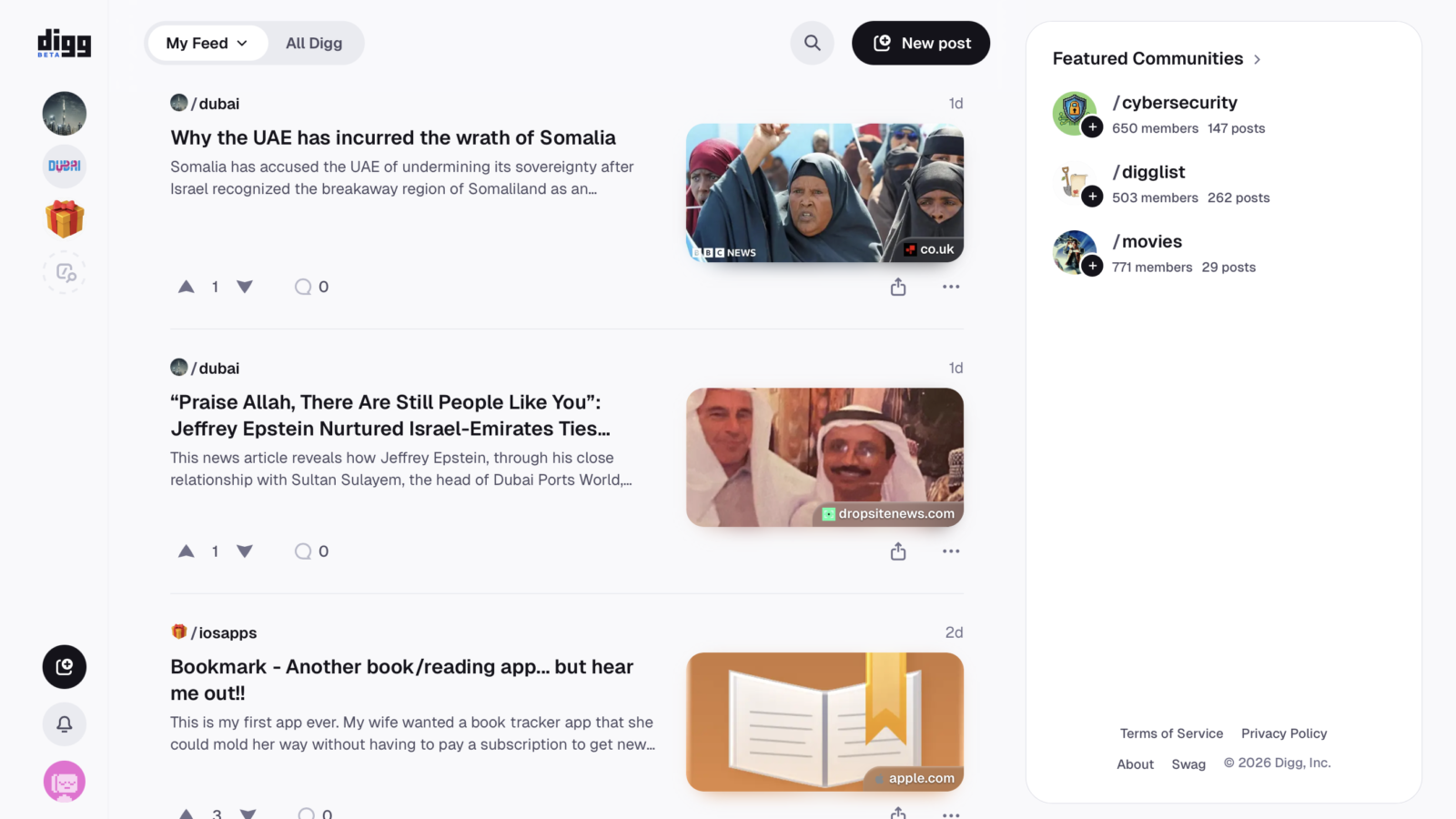
For anyone who lived through the Web 2.0 era with a laptop that ran hot and a browser stuffed with bookmarks, Digg isn’t just another site getting rebooted. It’s muscle memory. It’s staying up too late chasing links you didn’t know you cared about. It’s the idea that the internet could surface the interesting, the weird, the quietly important—not because an algorithm needed you angry, but because enough other humans shrugged and said, yeah, that’s worth a look.
Digg didn’t just predate modern social platforms; it taught the internet how to decide things together. It crawled so that Reddit could sprint, scale, monetize, IPO, and eventually harden into something louder, sharper, and far more exhausting. Watching Digg return now, openly positioning itself as a friendlier, paywall-free alternative to Reddit, doesn’t feel like nostalgia cosplay. It feels like a quiet thesis statement: it didn’t have to turn out this way.
What struck me immediately is that the new Digg doesn’t shy away from that history. It doesn’t pretend Reddit isn’t the elephant in every room where social news is discussed. This isn’t a polite “we’re different” landing page shrug. It’s a direct response, built with the benefit of hindsight and a little bit of regret. The leadership alone carries that subtext. Seeing Kevin Rose return to his old creation alongside Alexis Ohanian still feels faintly surreal, like running into two former bandmates who both swear they finally understand why the album went wrong. They’ve seen what happens when scale eats culture. This time, they’re trying—almost stubbornly—to protect the feeling before it disappears.
Using Reddit now often feels like walking into a room already vibrating with tension. The feed is technically impressive and emotionally hostile, a machine finely tuned to the frequency of outrage. Every design choice telegraphs priorities: growth, engagement, monetization, data value. You don’t wander Reddit anymore. You armor up for it. Comment sections feel like PvP arenas. Moderation is omnipresent but invisible, powerful but unknowable. Entire communities can flip overnight, reshaped by policy changes, mod burnout, or corporate gravity you never see coming.
Digg, by contrast, feels… smaller. Not in ambition, but in texture. It feels like a neighborhood instead of a metropolis. I can tell why something is on the front page. I can trace its path there. It doesn’t feel like the site is daring me to react or baiting me into engagement. It feels like a corkboard covered in links someone thought you might genuinely want to see. Voting matters again in a way that feels almost anachronistic. A digg actually moves the needle. In 2026, that feels borderline magical.
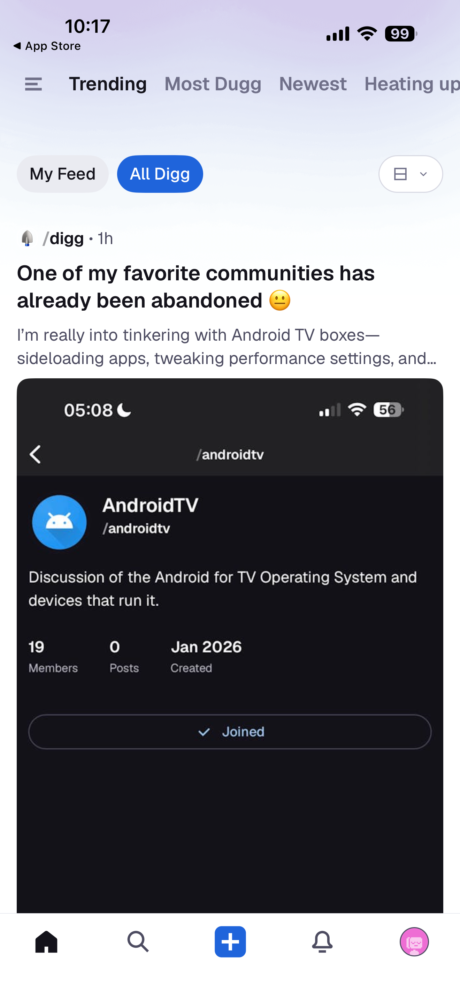
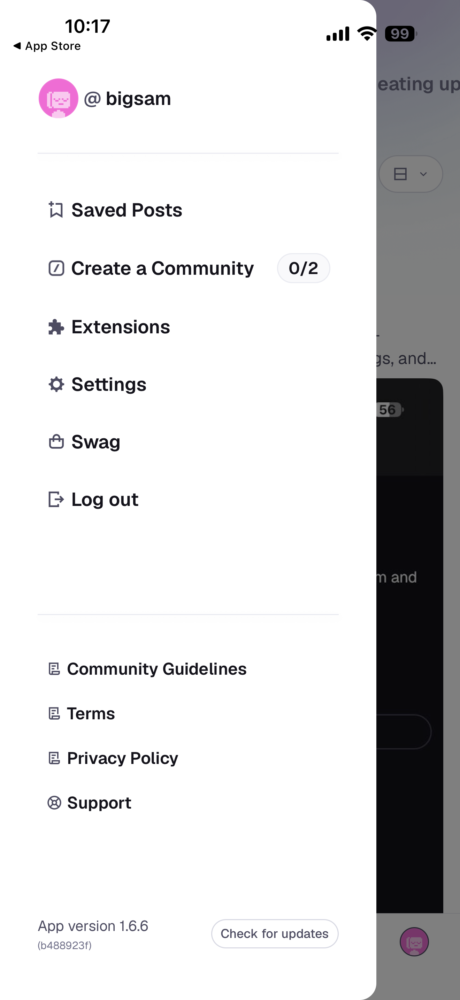
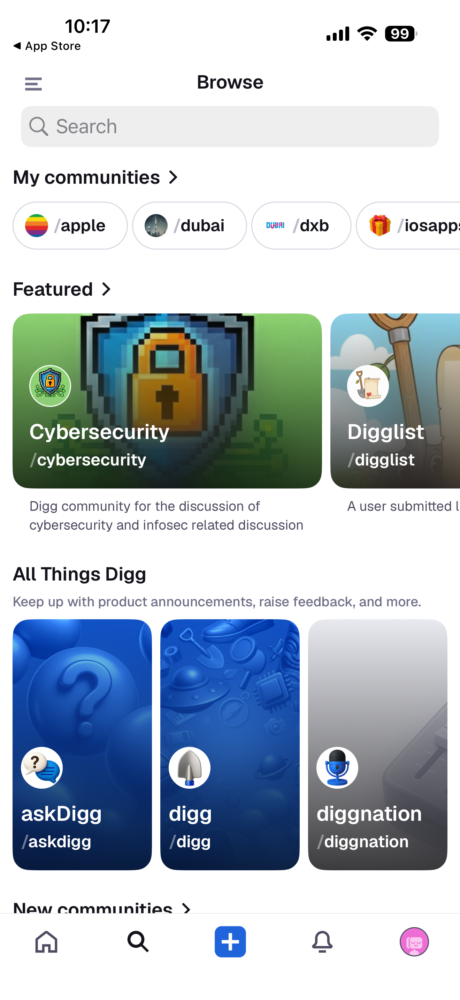
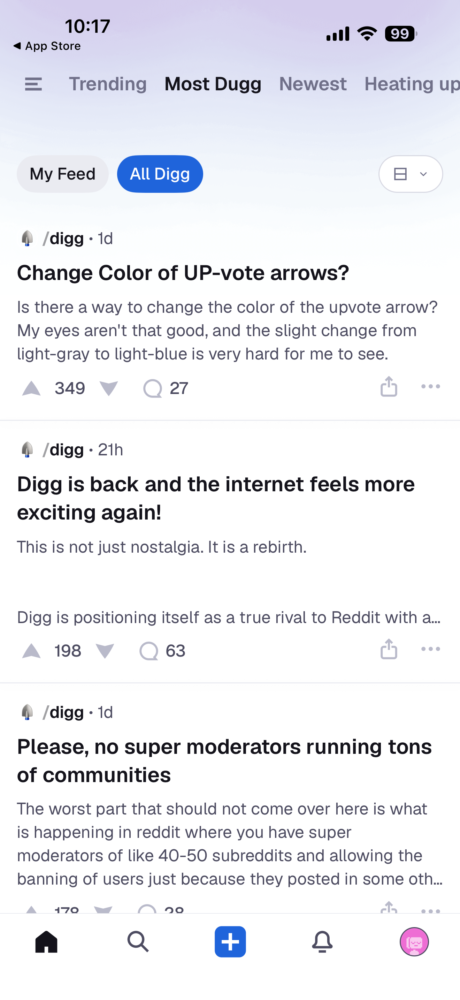
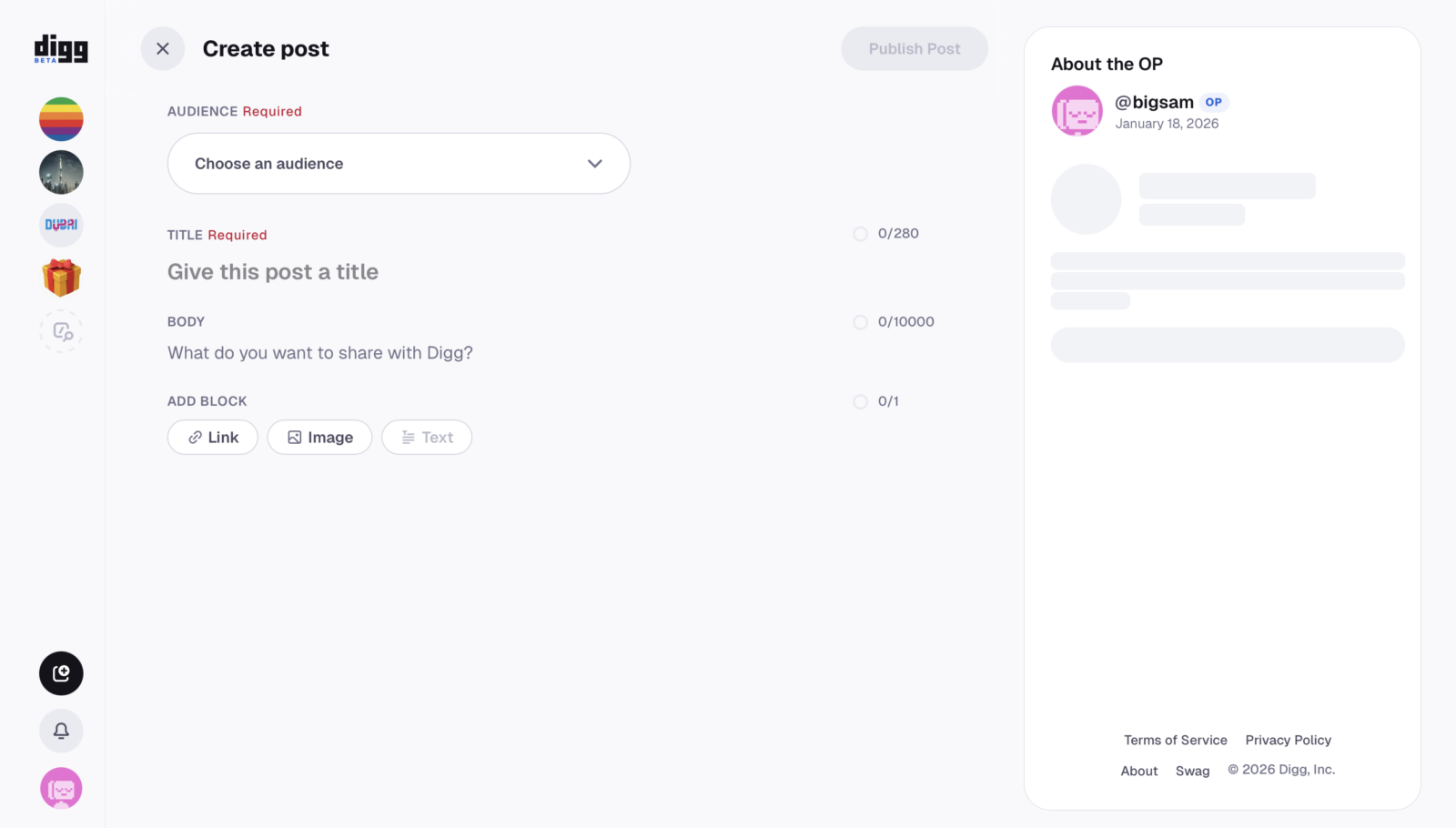
Structurally, Digg and Reddit share DNA. Topic-based communities, links, discussions, media—it’s all familiar, almost comforting. But Digg resists the modern instinct to overbuild. The interface is clean, mobile-first, and openly unfinished in a way that feels honest instead of sloppy. While I was using it, things changed week to week. Little irritations vanished. Navigation improved. Posting got smoother. Not because a roadmap demanded it, but because someone noticed and cared. Reddit’s updates often feel like they escaped a shareholder call. Digg’s feel like patch notes written at 1 a.m. by someone who just got annoyed enough to fix the thing.
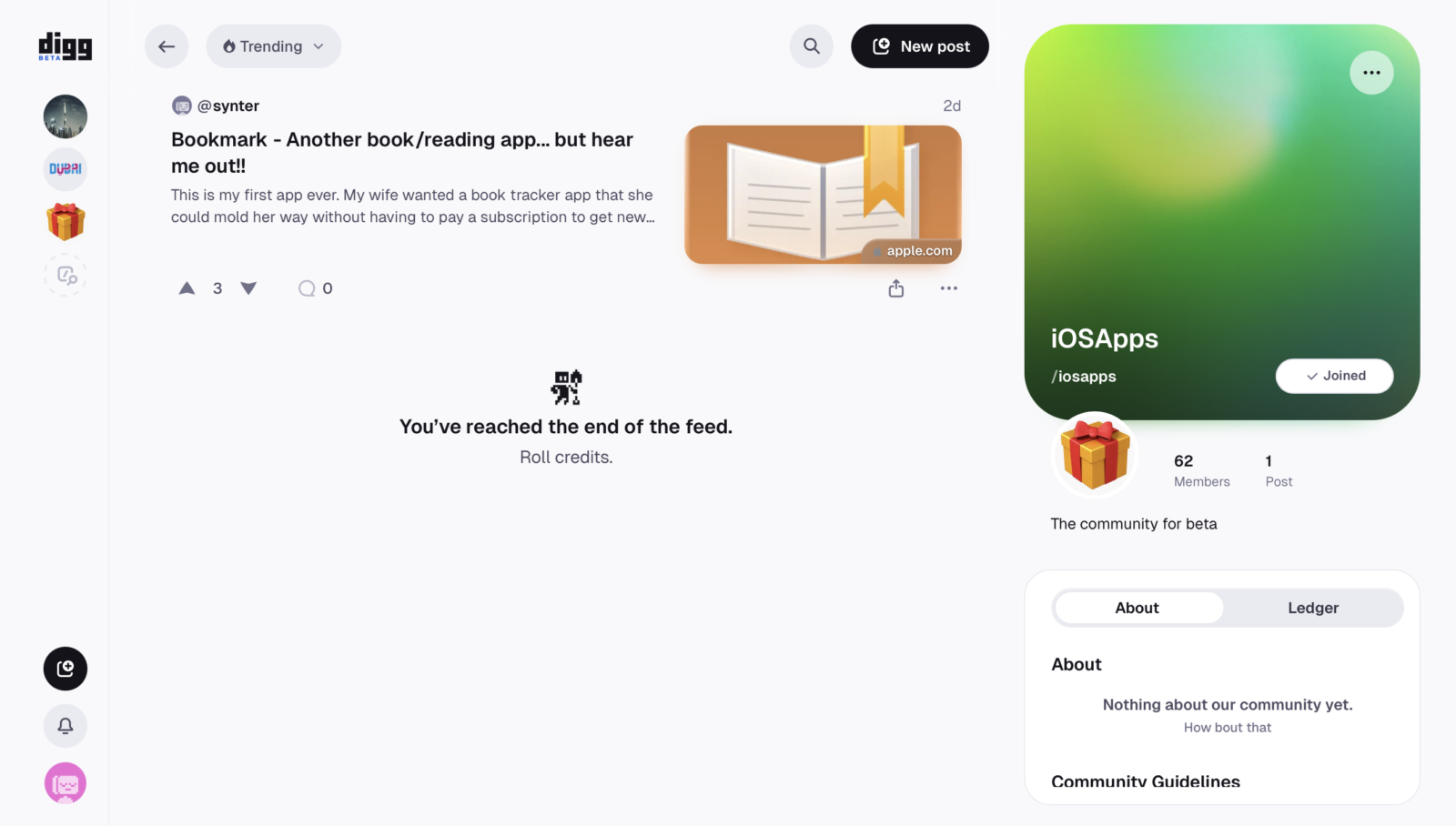
The philosophical gap widens when you look at power. On Reddit, moderators are stuck in a strange limbo: unpaid janitors with god-mode tools, operating behind the curtain. On Digg, the SysOp model drags that power into the light. Rules are visible. Actions are logged. You can see what’s happening and why. That transparency alone dissolves a lot of the low-grade paranoia modern platforms have trained into us over the years. It feels less like governance by mystery and more like shared responsibility.
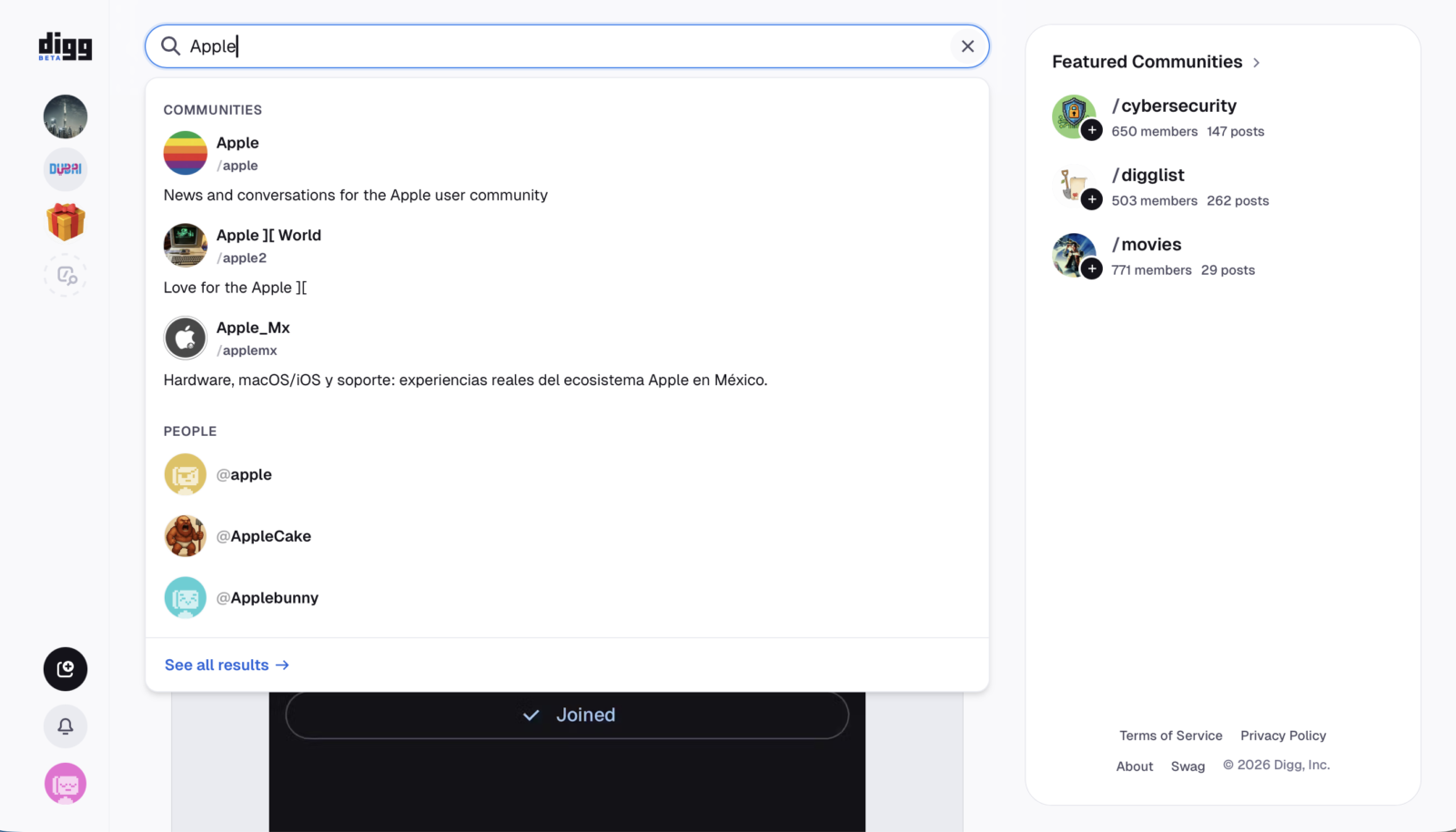
Even Digg’s use of AI feels… nostalgic, somehow. Yes, machine learning is involved—because in 2026 that’s as unavoidable as electricity—but it’s treated like plumbing, not a personality. AI handles bots, spam, and moderation assistance quietly in the background. There’s an AI-generated daily front page summary if you want it, but it doesn’t dominate the experience. Compare that to Reddit’s increasingly uneasy role as both a community hub and a raw material supplier for AI training, and Digg starts to feel refreshingly old-fashioned in its priorities.
But features aren’t what make this work. Tone is. Reddit has become ruthlessly efficient at amplifying the loudest interpretations of everything. Even niche hobby spaces feel one bad thread away from meltdown. Digg, at least right now, feels gentle. People explain themselves. Jokes don’t immediately metastasize into dogpiles. Disagreements exist without instantly turning into moral combat. It genuinely reminds me of the internet before everyone was performing for an invisible audience.
I’m not naive. I’ve been online long enough to know that scale changes everything. Incentives corrode ideals. Platforms don’t stay pure. Digg isn’t promising paradise, and I don’t expect it to last forever in this form. But it is promising governance, transparency, and community agency. And after years of watching Reddit drift further toward monetization, data deals, and shareholder logic, that promise hits with surprising emotional weight.
What I didn’t realize I was missing was trust. Trust that a platform isn’t actively trying to steer my mood. Trust that moderation isn’t happening behind a locked door. Trust that the people running the site still remember why a “front page of the internet” ever mattered at all.
Verdict
Digg’s return isn’t about dethroning Reddit overnight. It’s about reminding us—quietly, almost gently—that social news doesn’t have to feel adversarial, extractive, or exhausting. By leaning into transparency, community control, and humane design over raw engagement metrics, Digg offers the most emotionally familiar Reddit alternative I’ve seen in years—and maybe the first one that made me miss the old internet in a good way.