


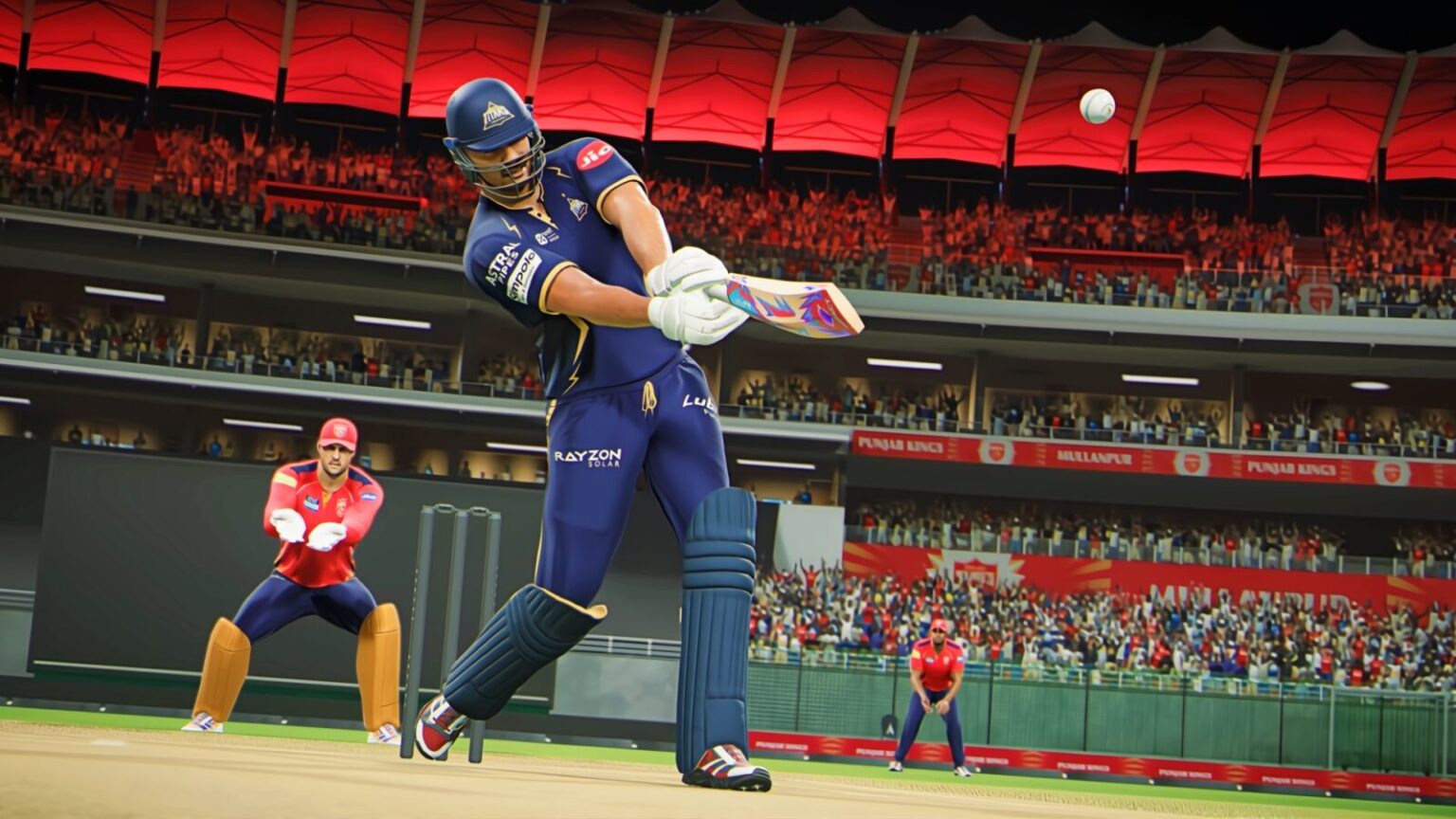
TL;DR: Cricket 26 delivers the best on-field gameplay the series has ever seen, with vastly improved batting, crisp animations, and smarter fielding. But a mountain of bugs, repeated crashes, and multiple half-finished modes keep it from greatness. It’s a promising but unstable upgrade — fun when it works, frustrating when it doesn’t, and not quite ready to take the Ashes on its own.
Cricket 26
I went into Cricket 26 expecting to do that familiar Big Ant dance: fire it up, squint at some uneven textures, spend an hour fiddling with sliders like I’m tuning a janky Formula 1 engine, and then pray the whole thing doesn’t crash harder than England’s middle order at the WACA. And for the first 20 minutes? I actually thought we’d turned a corner. Cricket 26 looked sharp. The player models popped like someone finally swapped out the smeary Cricket 24 lens for something that wasn’t dipped in Vaseline. Fielders weren’t just standing around like bored NPCs waiting for a dialogue prompt. Input lag — the eternal nemesis of this series — had mostly evaporated. For a moment, I felt like I’d slipped into a timeline where Big Ant’s cricket games launched polished.
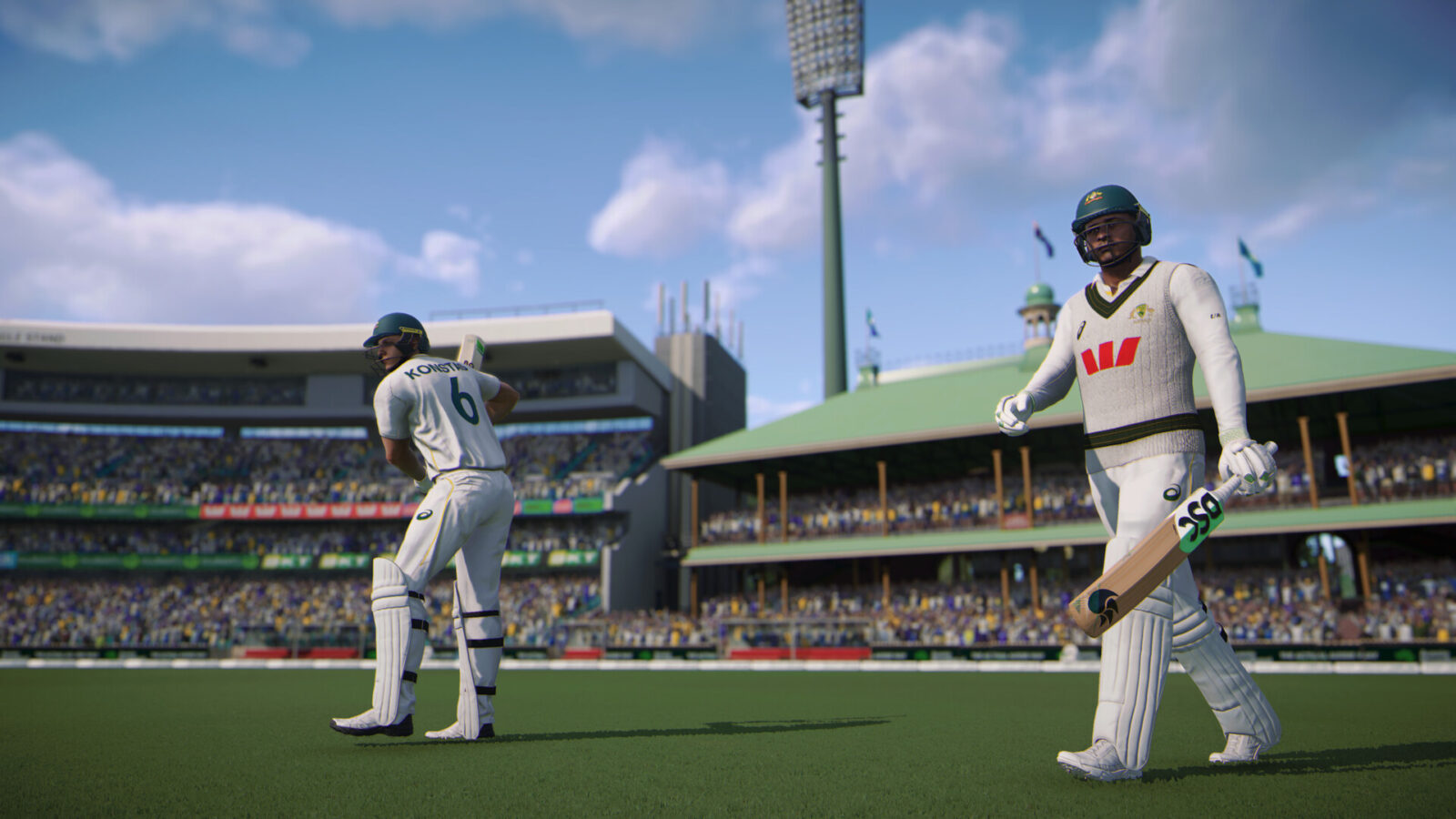
Then my five-over Bollywood blockbuster between Mumbai and Delhi crashed at the innings break. I rebooted. It crashed again. And again. Like a bad recurring dream where the umpire keeps giving you out lbw on a ball pitching two feet outside leg.
That’s essentially Cricket 26: a game that looks fresh and lively on day one, but the cracks show up fast — like a Perth Test pitch that’s smiling for the cameras before splitting open like a tectonic fault line.
Still, for all the jankiness, there’s a genuinely improved cricket sim buried just below the surface, trying desperately to break through like a tailender grinding out a gritty 20 not out. And oddly enough? When Cricket 26 actually functions, it’s the most fun I’ve had with a Big Ant cricket game in years.
Let me cut straight to the best part: batting doesn’t feel like fighting the game anymore. For the past few years, batting in these titles has felt like trying to send an email from a Wi-Fi network powered by a potato — inputs got lost, shots came out wrong, and no matter where I aimed, I’d still somehow spoon the same off-drive to cover like the game was punishing me for daring to have ambitions.
Cricket 26 finally breaks that curse. Whether I used buttons or the dual-stick control setup (which is quietly one of the smartest ideas in modern cricket sims), the shots went where I intended. Not always safely — I still played and missed, edged behind, and dragged on like a sleep-deprived club cricketer — but the errors felt earned, not scripted. On default difficulty, the risk-reward of batting struck a really satisfying balance. Honestly, I didn’t feel compelled to dive into the sliders crypto-bro-style and “optimize the experience.” I just played cricket. That alone is a huge upgrade from Cricket 24.
This is the first time in years I’ve felt rewarded for reading line and length — not punished for daring to have an opinion on the incoming delivery.
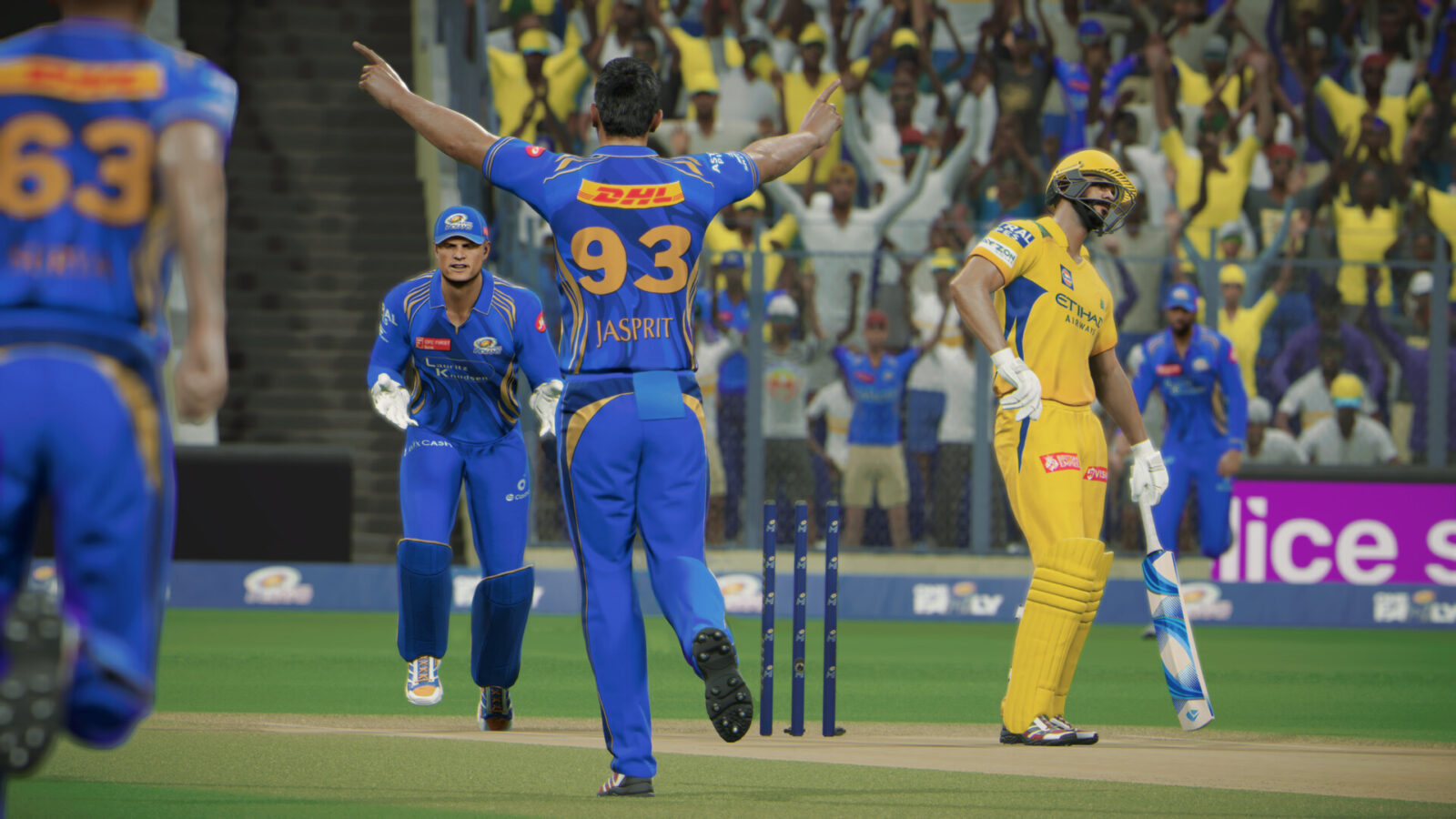
Bowling hasn’t seen the same leap forward, though it’s still engaging. There’s no wobble seam delivery, which feels like a weird omission given that modern seamers use it like it’s a legal performance-enhancer. No knuckleball either — which means bowlers like Jasprit Bumrah, Bhuvneshwar Kumar, or the new generation of Indian pacers don’t get their full arsenals represented. But Big Ant did sneak in one surprisingly deep mechanic: wind.
A little arrow now shows the on-field wind direction and strength, and the effect is immediate. Bowlers can lean on it for extra swing, and batters can blast downwind sixes even if they mistime it slightly. It’s a small addition that subtly reshapes the tactical layer of every over.
The new bowling animations are also fantastic. Seeing Nathan Lyon make that trademark little flick at the top of his run-up made my inner cricket nerd do a fist pump. Facing Jofra Archer felt genuinely unsettling, not because of his speed, but because his action lulls you into complacency before detonating through the crease.
For the first time in ages, I was adjusting my timing based on individual bowlers instead of viewing them all as reskinned templates.
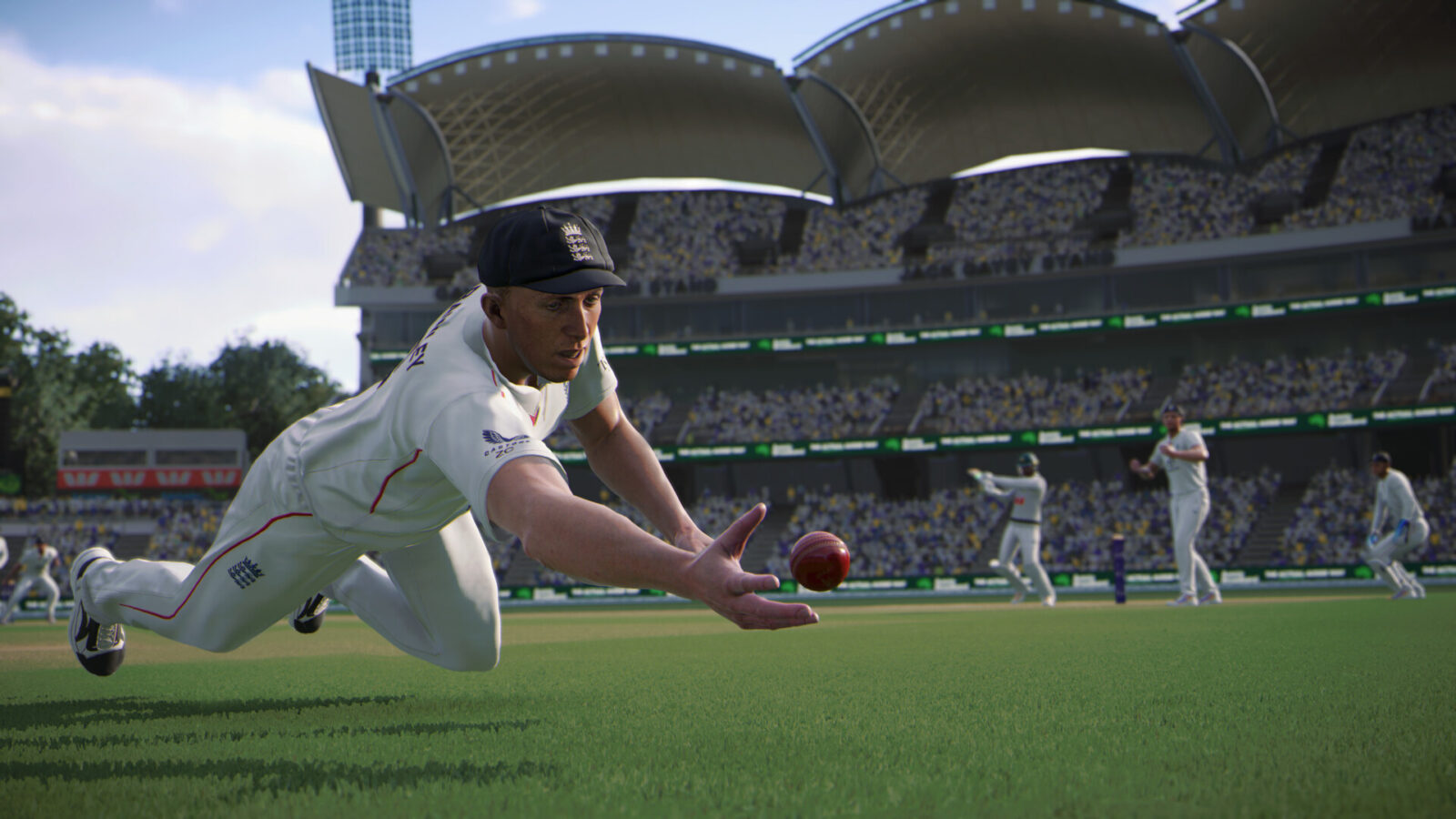
Fielding has gotten the most visible facelift. Players actually respond with urgency, transitions from gather to throw are way faster, and diving saves and sliding catches are wonderfully animated. A few moments made me genuinely grin — like watching two fielders run a relay throw like they actually learned it at training instead of via YouTube shorts five minutes before the match.
And yet… the gremlins remain.
The slow-motion runout mechanic feels like it was coded by someone whose controller inputs were delayed by three seconds. Wicketkeepers oscillate between catatonic indifference and alien-like reaction speeds. The result is a fielding system that’s undeniably better — but still inconsistent enough to snap immersion like a dodgy bat handle.
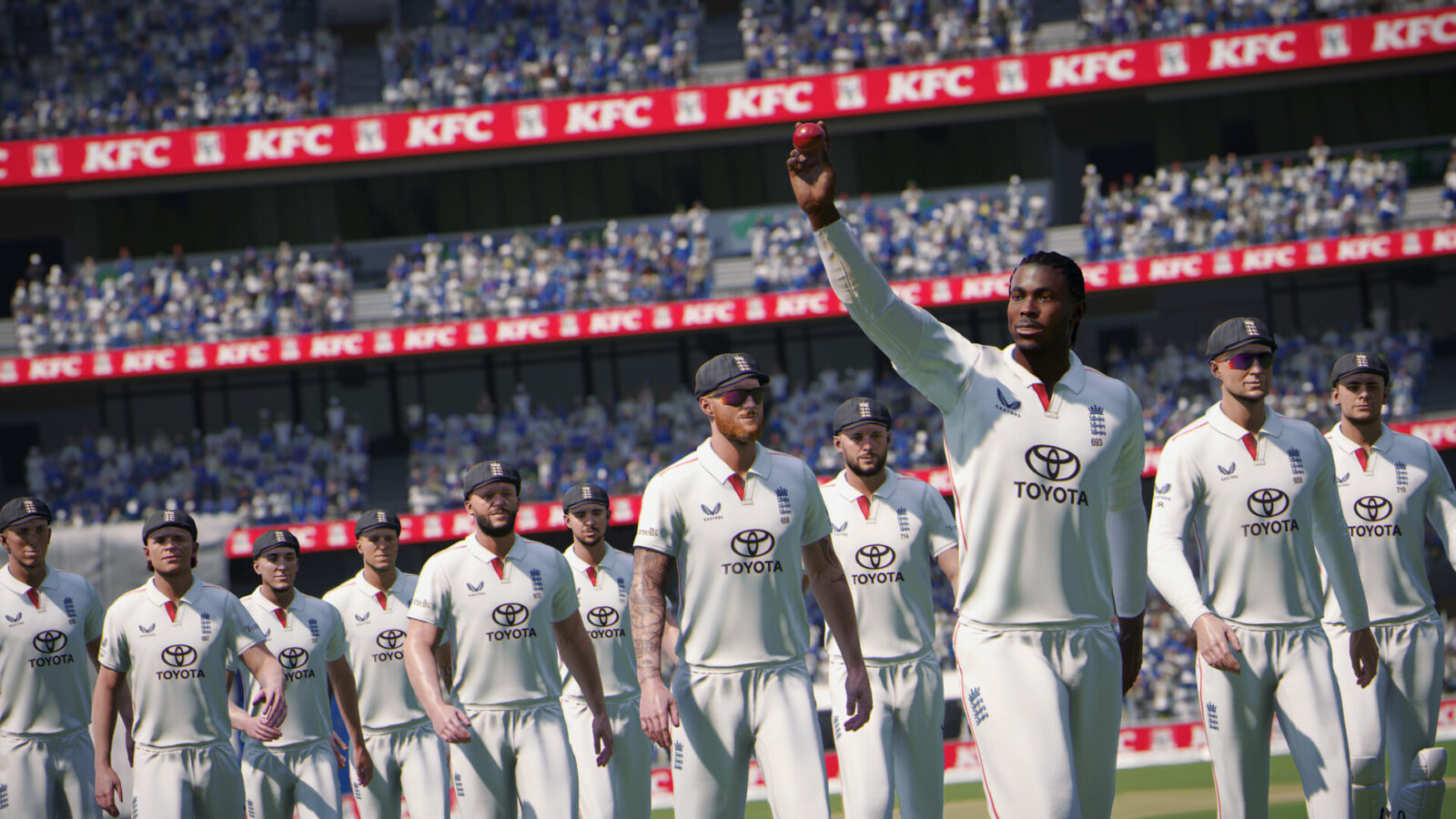
Given the branding, I expected Ashes Mode to be Cricket 26’s gleaming crown jewel — the robust, cinematic, narrative-driven centerpiece that justifies the marketing hype.
Instead, we get a mode with the structural integrity of a cardboard replica of the urn.
The build-up to each match is painfully shallow. You tap a button to “travel,” complete a tiny training minigame, answer press conference questions written with all the journalistic accuracy of a ChatGPT clone from 2019, and then jump into the Test itself.
There’s no authentic tour structure. No warm-up matches. No narrative moments. No atmosphere. Just a glorified menu loop wrapped in Ashes branding.
Even the “team confidence” system feels like a thrown-together idea pasted in to give the mode fake depth. My team went into the first Test at 55 percent confidence… then destroyed England in three days anyway. Clearly the confidence meter had about as much influence as a substitute fielder in the 89th over.
It all feels weirdly half-done — like someone started building the world’s most detailed Lego stadium, got halfway through, and then decided to go watch Netflix instead.
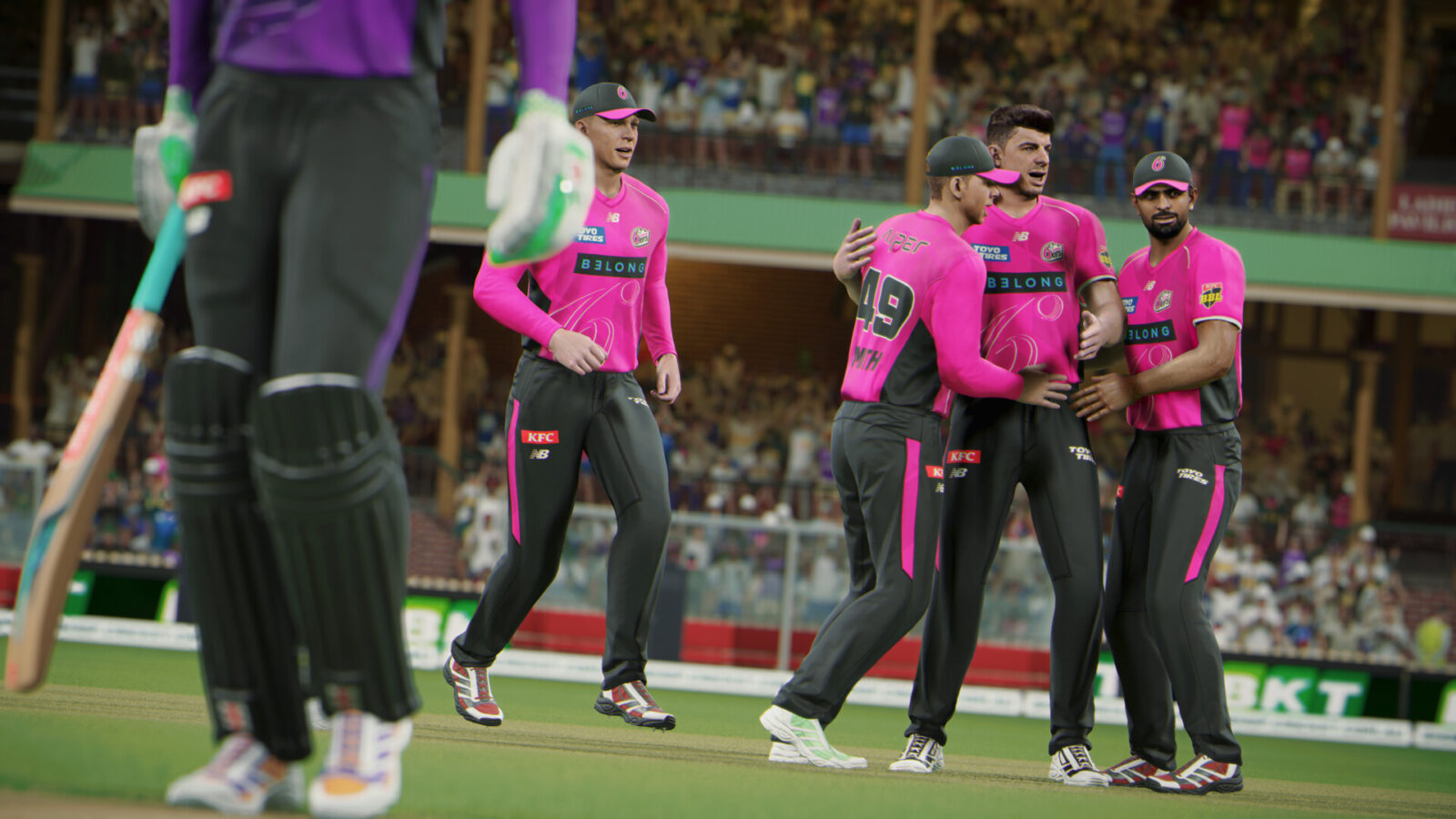
As someone who spent half his teenage years sinking seasons into Football Manager, I was ready — eager even — for a cricket management mode that let me unleash my inner analytical gremlin.
This is not that mode.
You can’t manage finances. You can’t hire staff. You can’t restructure facilities. You can’t assign scouting. You can barely do anything except pick your squad and hope the match sim doesn’t decide your star player suddenly forgot how to bat.
Even worse, the interface is unstable. Training screens sometimes didn’t load at all. The game crashed whenever I tried to confirm my lineup. The irony of a management mode that feels mismanaged is almost too on-the-nose.
To top it off, international players remain available for domestic selection regardless of national duty, creating a domestic league where Steve Smith and Pat Cummins show up every week like they’re working part-time shifts. It’s immersion-breaking to the point of comedy.
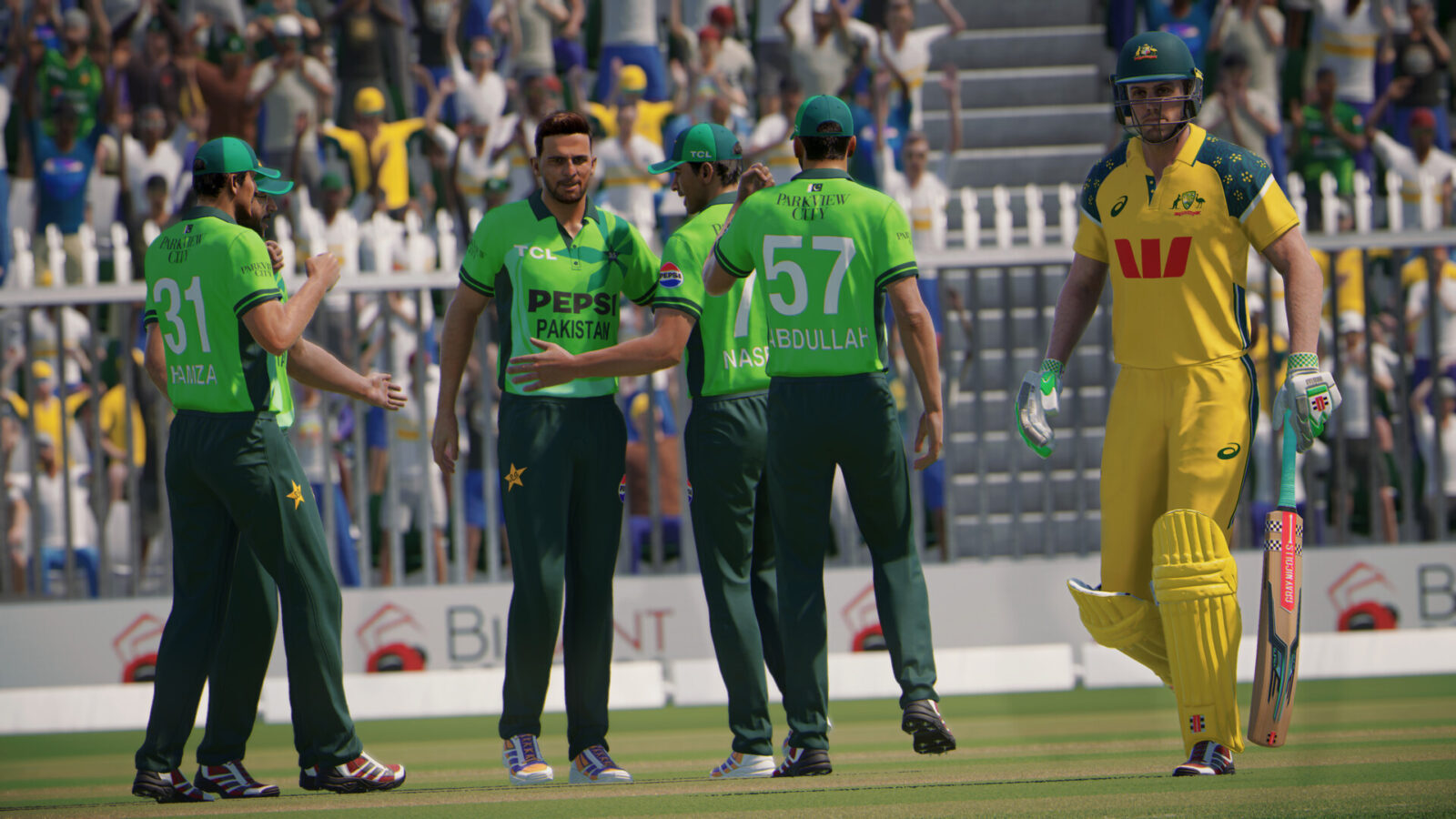
Here’s the big twist: despite all these flaws, I’m still weirdly optimistic about Cricket 26. The core gameplay — the moment-to-moment cricket — is far ahead of previous entries. The potential is massive.
But so are the bugs.
Edges aren’t given. Fielders warp through logic. Umpires seem to operate on a dice-roll basis. Some rules work beautifully — like Duckworth-Lewis and weather interruptions — yet somehow trigger randomly and prematurely, like the game is pranking you.
After 20 hours on PS5, the crashes remain the biggest enemy. They interrupt momentum, erase progress, and remind me that while Big Ant’s ambition is huge, their QA pipeline still feels like it’s running on Windows XP.
And yes, there have been patches already. Many patches. But as someone who booted up Cricket 24 recently and saw headless English cricketers, I’m not exactly brimming with confidence that all issues will be ironed out.
Verdict
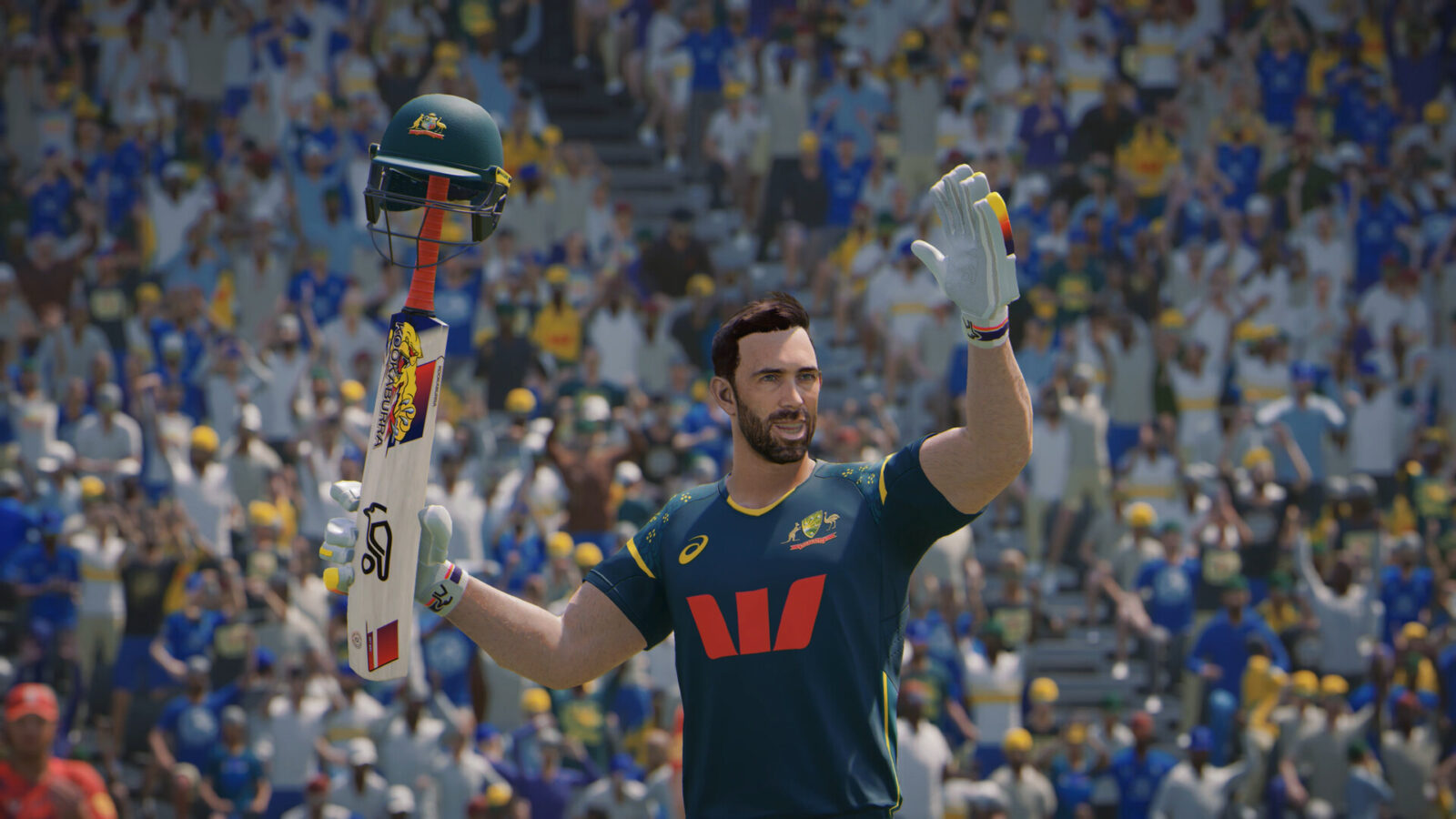
Cricket 26 is the classic “diamond in the rough,” except the rough is more like a patchy outfield full of potholes, and the diamond occasionally disappears mid-match. When it works, it’s the most immersive, most responsive, most satisfying cricket game Big Ant has produced in years. The batting alone is a revelation. The animations sing. The on-field action feels grounded and alive.
But the bugs, crashes, and half-baked modes stop it from becoming the generational leap it should have been. Much like a wildly talented young opener still finding his footing, Cricket 26 flashes brilliance — but is nowhere near consistent enough to open the batting just yet.