
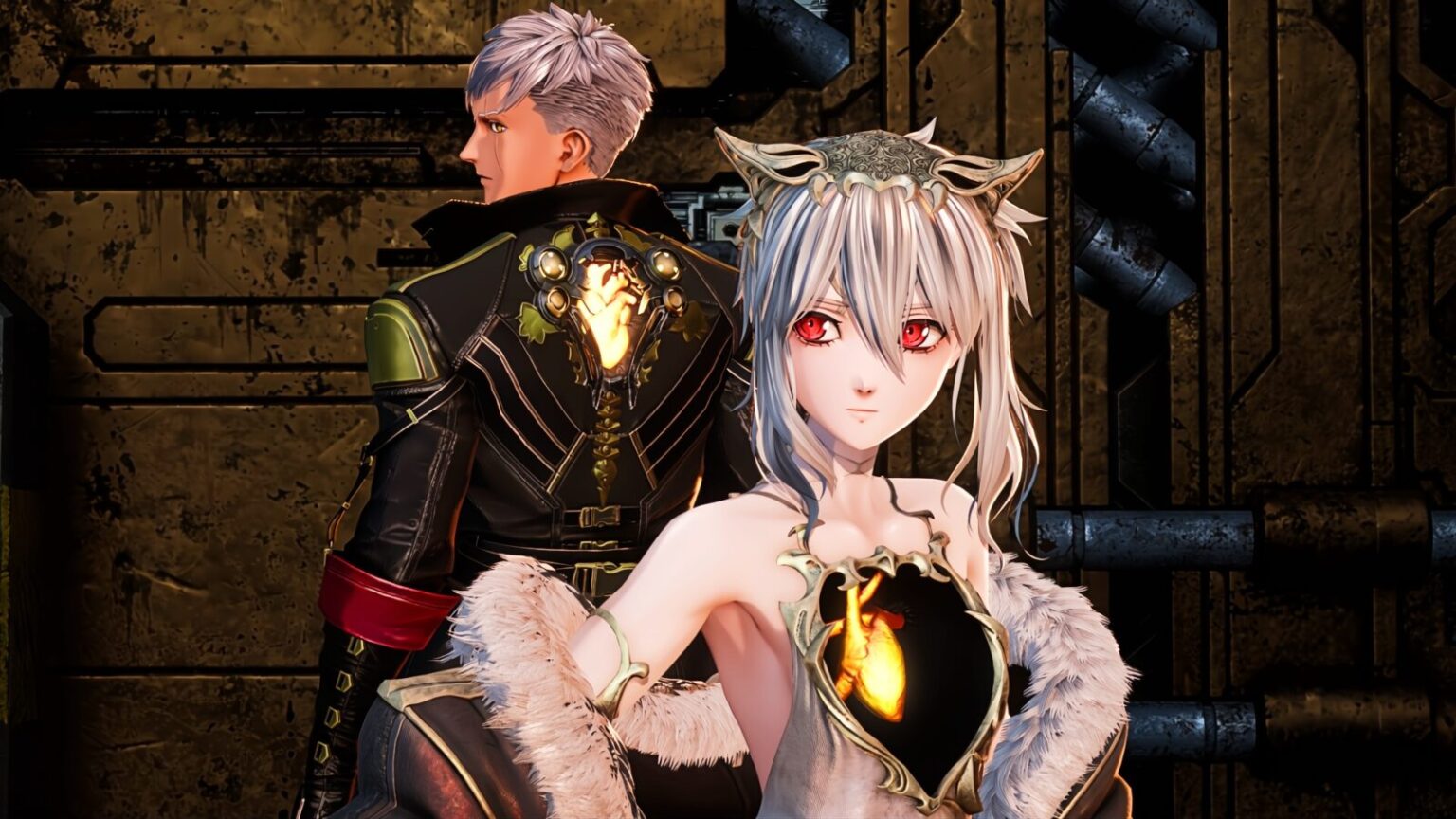
TL;DR: Code Vein II hits harder than expected—tight combat, smart partner mechanics, and an emotional story that turns boss fights into gut punches. One to watch closely.
Code Vein II
I walked into my hands-on time with Code Vein II expecting competence. That’s the safest expectation you can have with an anime souls-like in 2026: solid combat, familiar systems, enough neon anime angst to wallpaper a Crunchyroll catalog. What I wasn’t prepared for was how quietly, deliberately, and kind of cruelly this game decided to emotionally clothesline me while I was still figuring out which sword felt right in my hands.
The original Code Vein always felt like a promising draft. A stylish sketchbook full of good ideas, but one that never quite bled. This sequel, published again by Bandai Namco, feels like a studio that finally figured out what it wanted to say—and then had the audacity to say it while you’re dodging poison puddles and timing parries. I only spent a few hours with it during The Game Awards week, but those hours stuck to me longer than most full releases do.
The hook is time travel, but not the Marvel kind where consequences are theoretical and everyone quips through the trauma. Code Vein II drops you into a collapsing world where humans and Revenants—essentially vampiric survivors clinging to sentience—are being slowly erased by a calamity called the Resurgence. You’re not here to prevent it outright. You’re here to understand it. To walk backward into failure, shake hands with heroes who already lost, and then come back to the present to put them down once the world has finished breaking them.

That sounds messy on paper, but the game is shockingly elegant about it. It doesn’t demand homework from the first Code Vein, and I appreciated that immediately. This is a clean slate story, more Final Fantasy than Souls in structure, and it lets newcomers breathe instead of drowning them in lore soup. You create your character—yes, the creator is still absurdly deep, the kind of thing that convinces you you’ll roleplay before you inevitably end up wearing a cape and tragic bangs—and then the game gently nudges you forward. A brief tutorial, a motorcycle ride that feels way cooler than it has any right to, and suddenly you’re stepping into the past.
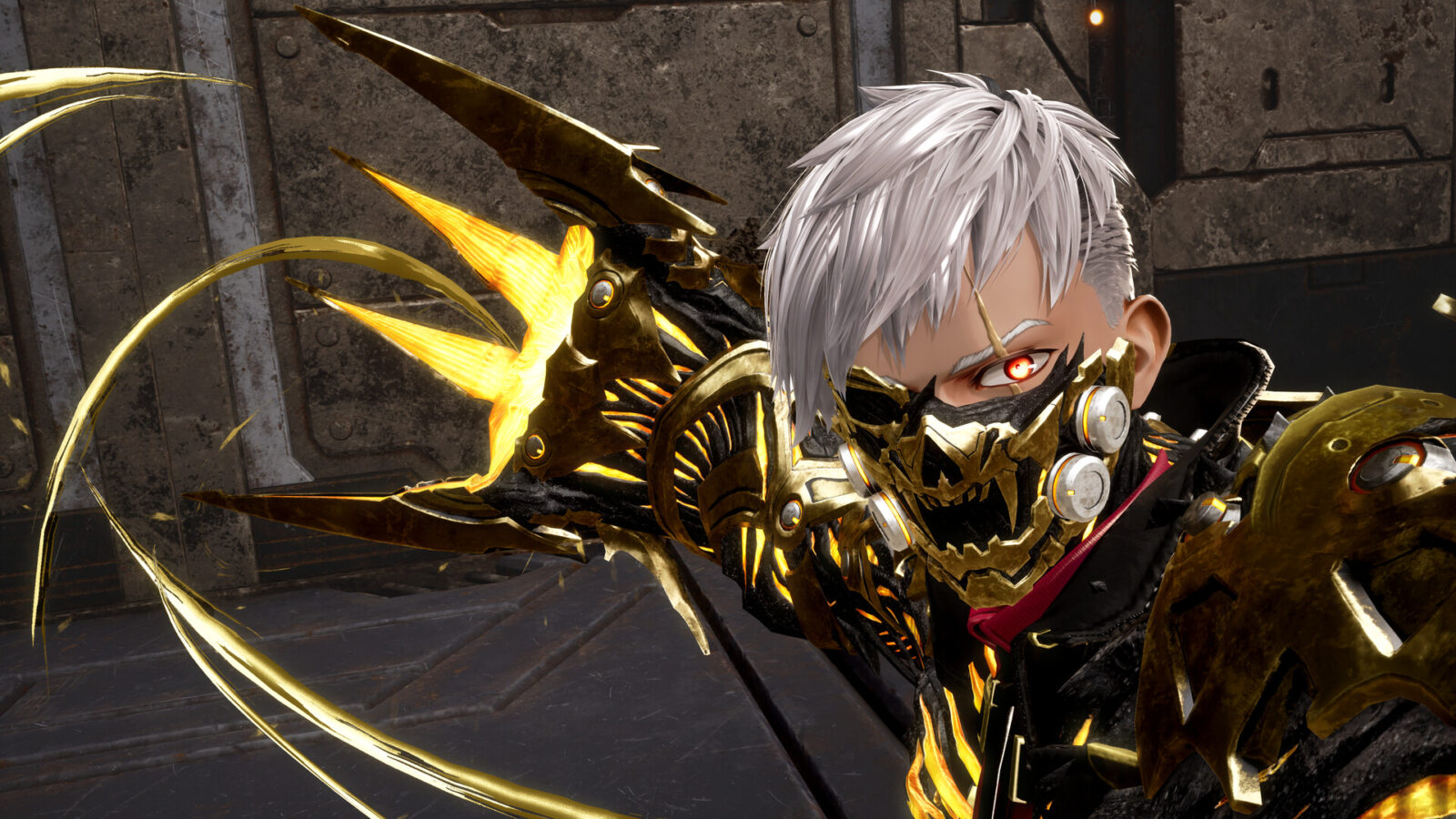
That first dungeon, the Sunken Pylon, is where Code Vein II really starts showing its teeth. Combat is faster, sharper, and more flexible than before. Weapons feel less like rigid classes and more like moods. One-handed swords are dependable comfort food. Twin blades let you play greedy and stylish. Greatswords and hammers feel like punctuation marks—slow, devastating, and extremely satisfying when they land. The bayonet surprised me the most, turning ranged combat into a resource-management mini-game that rewards patience instead of panic.

Then there are the Rune Blades, which look like a fan artist’s dream and play like a high-skill nightmare. Floating blades slicing the air while you throw punches sounds incredible, and it is, but only if you respect spacing and positioning. I did not, and I paid for it repeatedly. Fairly. Painfully. Respectfully.
What ties all of this together are Formae and Jails, two systems that finally make Code Vein feel mechanically confident. Formae are your active abilities—big swings, status effects, burst damage—while Jails are how you harvest Ichor to keep those abilities flowing. It’s a push-and-pull rhythm that rewards aggression without turning you into a reckless anime blender. My personal weakness was the Hound Jail, which manifests as massive spectral jaws snapping out from your shoulders like some kind of gothic Pokémon evolution. It’s absurd. It’s violent. It rules.
But none of that is why I’m still thinking about the demo. The real reason has a name: Josee Anjou.

Josee is your first major partner, a fallen hero from a century ago who fought—and failed—to stop the Resurgence. In the past, she’s sharp, determined, and quietly tired in a way that immediately makes you trust her. Code Vein II’s new Partner system lets you fight alongside her in two ways. You can summon her physically, letting her draw aggro and fight at your side, or you can assimilate with her, absorbing her power and facing enemies alone but enhanced.
Here’s the smart part: both paths deepen your bond. Link Points act as a secondary health bar, and the stronger your relationship, the more breathing room the game gives you. It’s a mechanical representation of trust, and in a genre obsessed with punishment, that generosity feels radical. I leaned into summoning because I liked having her there. Not just strategically, but emotionally. She felt like someone sharing the burden, not an AI crutch.
Then the demo pulls the rug.

After helping Josee in the past, you return to the present, where her fate has already played out. The bindings that trap her monstrous future form break, and suddenly the person who fought beside you is the boss standing in front of you. The fight is brutal, but the moment that landed in my chest happens halfway through, when she recognizes you. When she understands what she’s become. When she asks you—calmly, painfully—to finish it.
I wasn’t ready for that. Not because it was shocking, but because it was sincere. Code Vein II isn’t interested in cheap tragedy. It’s interested in consequences. Every hero you help is someone you’ll eventually have to confront, and the game is very clear that understanding them doesn’t save them. It just makes the ending heavier.
When Josee fades away, thanking you through the grief, I realized what Code Vein II is actually doing. It’s not asking whether you can save the world. It’s asking whether you can live with how you tried.

By the time the demo ended, I wasn’t thinking about builds or optimization or boss patterns. I was thinking about how many more good people this game is going to ask me to kill, and how many of them will know me when I do.
Code Vein II is shaping up to be more than just another anime souls-like. It’s mechanically confident, narratively ambitious, and emotionally sharp in a way the genre rarely allows itself to be. If the rest of the game carries this weight without collapsing under it, this could be the moment the series stops being a curiosity and starts being a conversation.
Verdict:
Code Vein II refines its combat, rethinks companionship, and delivers a time-traveling story that isn’t afraid to hurt you. It’s stylish and challenging, yes, but more importantly, it’s sincere. This is a souls-like that understands loss as more than a failure state, and that alone makes it stand out in an overcrowded genre.