
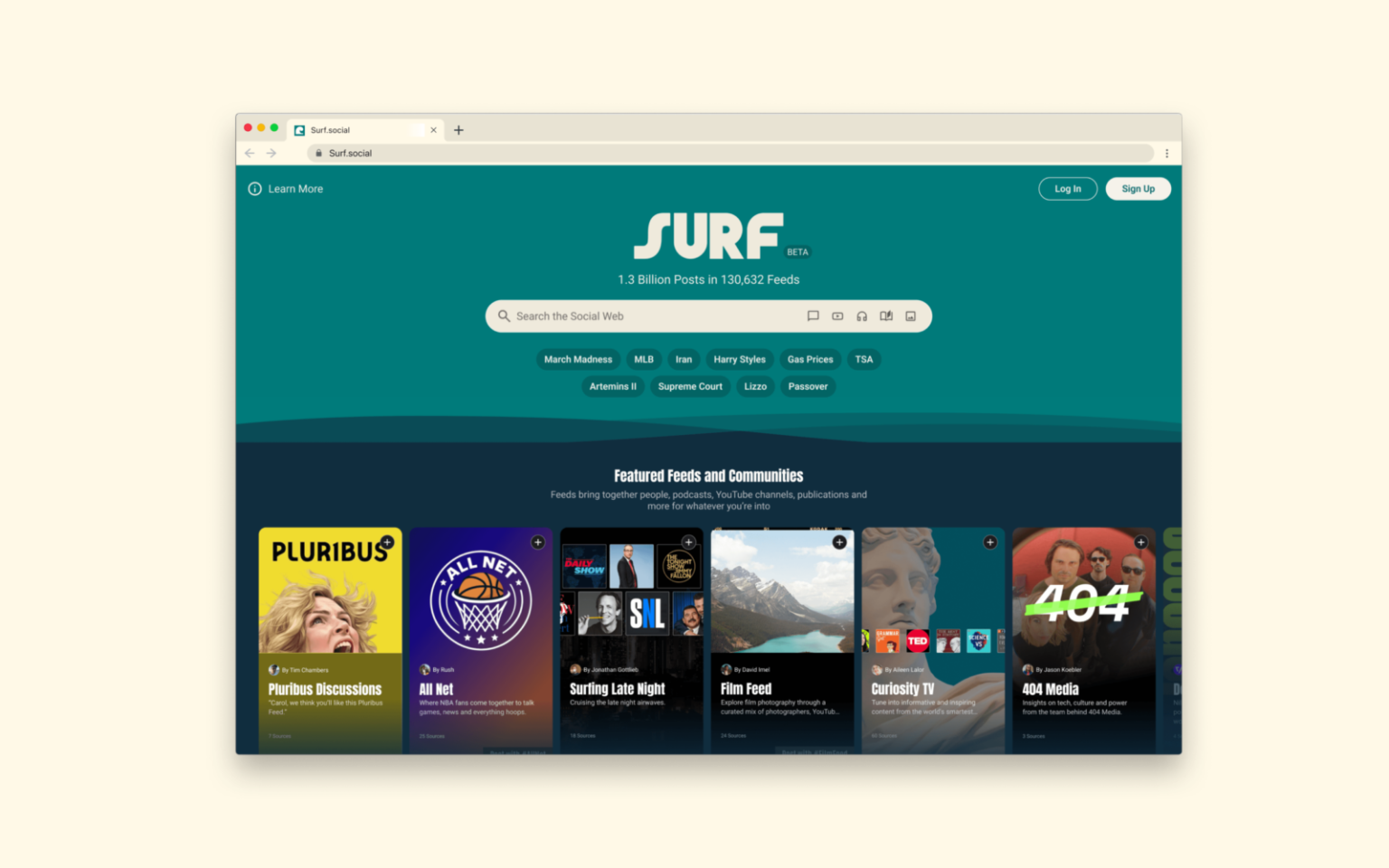
TL;DR: Surf is a customizable, anti-algorithm feed builder that merges social media, RSS, YouTube, and podcasts into one place. It’s powerful and refreshing—but only if you’re willing to put in the effort.
Flipboard Surf
I didn’t expect to feel nostalgic about RSS feeds in 2026, but here we are.
Somewhere between doomscrolling TikTok at 2AM and watching my Twitter/X timeline dissolve into a chaotic soup of outrage, bots, and suspiciously polished “AI-generated wisdom,” I realized something uncomfortable: the internet I used to love—the weird, curated, human one—had quietly slipped out the back door. And in its place? Algorithms that feel less like helpful guides and more like overcaffeinated casino dealers.
So when I stumbled across Flipboard’s new Surf app, I didn’t just see another social platform. I saw a slightly unhinged attempt to rewind the clock—or maybe rebuild the web from spare parts.
And honestly, I kind of love that energy.
Reclaiming the internet, one feed at a time
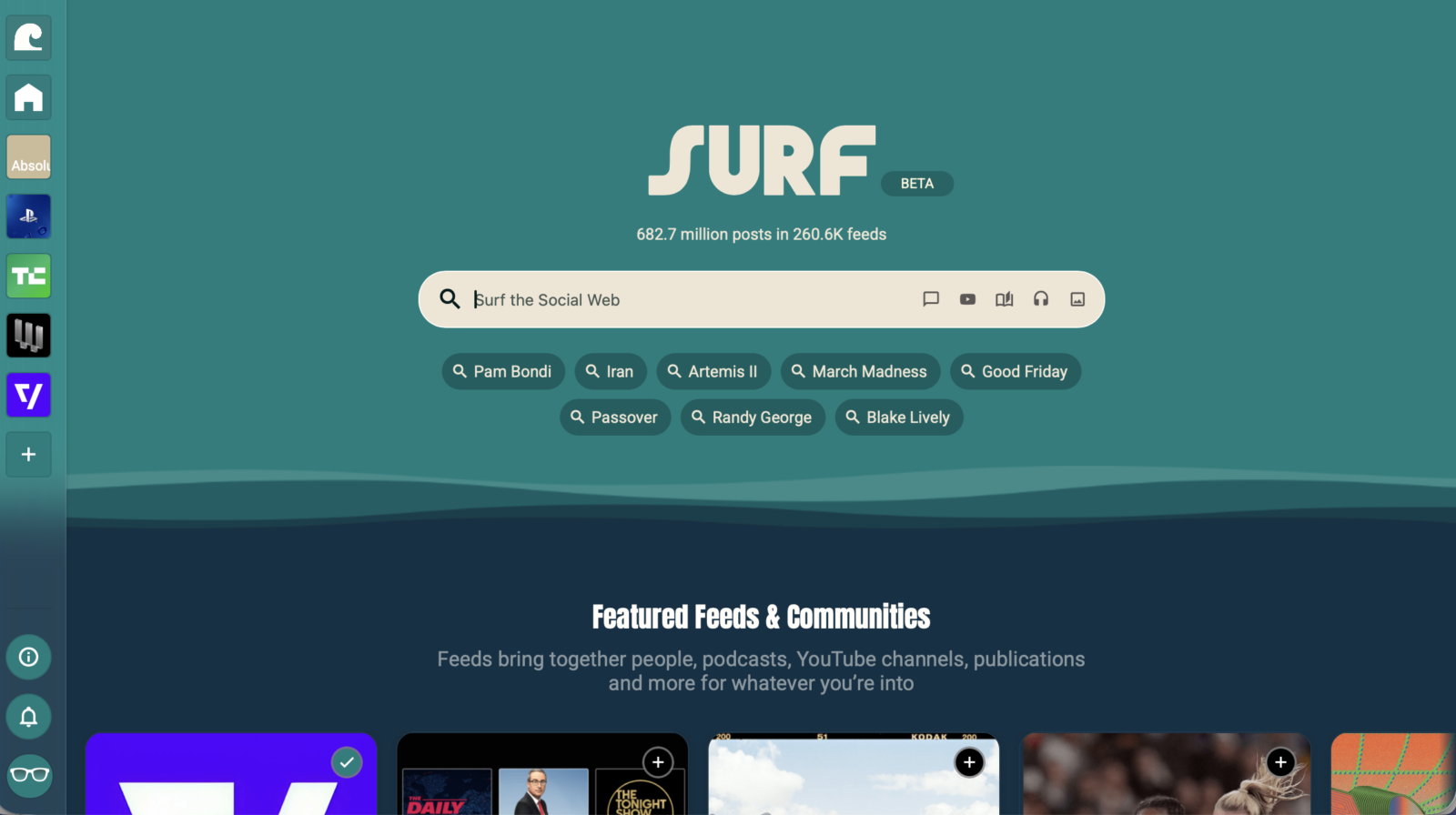
Surf is what happens when someone looks at the modern internet and says, “What if we just… didn’t do that?” Not in a loud, rebellious, burn-it-all-down way—but in a quiet, methodical, “I’ll build my own thing, thanks” kind of way.
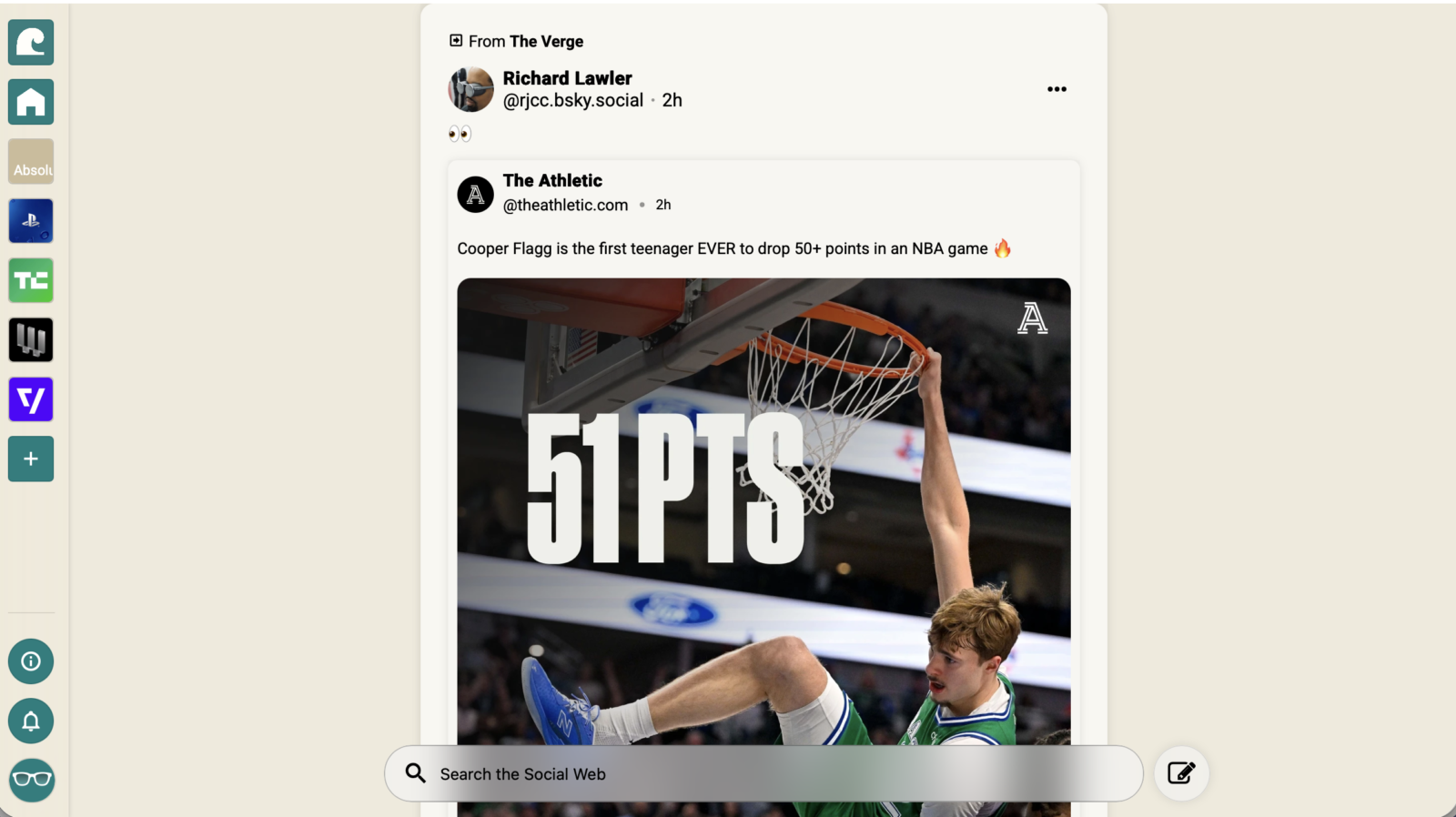
At its core, Surf is trying to solve a problem that most of us feel but rarely articulate: everything online is fragmented. Your YouTube subscriptions live in one place, your podcasts in another, your social feeds scattered across Mastodon, Bluesky, Threads—each with its own vibe, rules, and algorithmic nonsense. And none of them talk to each other in a way that feels cohesive.
Surf walks in and says, what if they did?
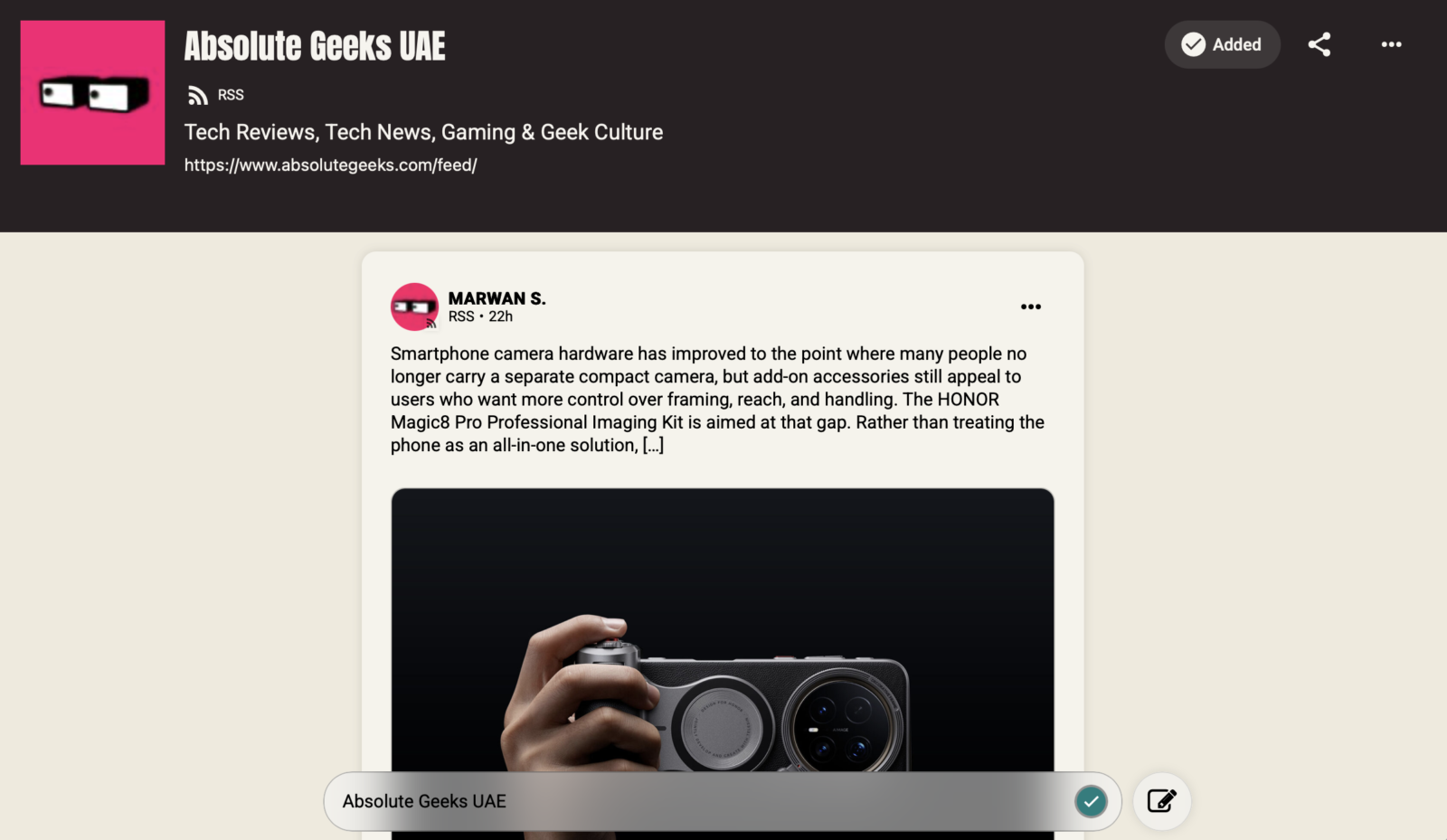
Using a mix of protocols like ActivityPub, AT Protocol, and good old RSS (yes, that RSS), Surf lets you stitch together a single, living feed made up of basically anything you care about. Blogs, podcasts, YouTube channels, social posts—it’s all fair game. You’re not just following people anymore; you’re curating a digital ecosystem.
And that word—curating—matters more than it has in a long time.
Because this isn’t passive consumption. This is work. The good kind.
The joy (and friction) of building your own feed
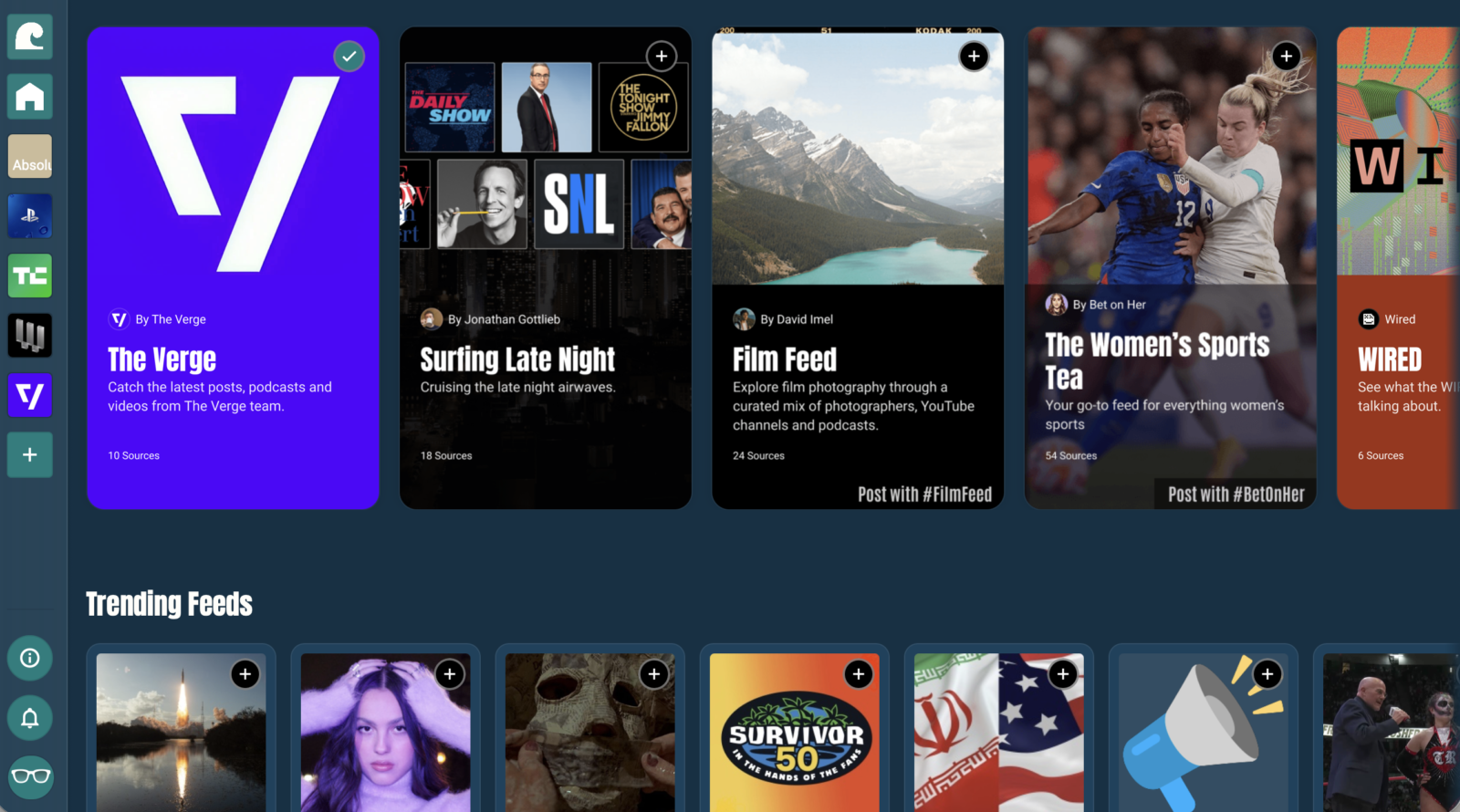
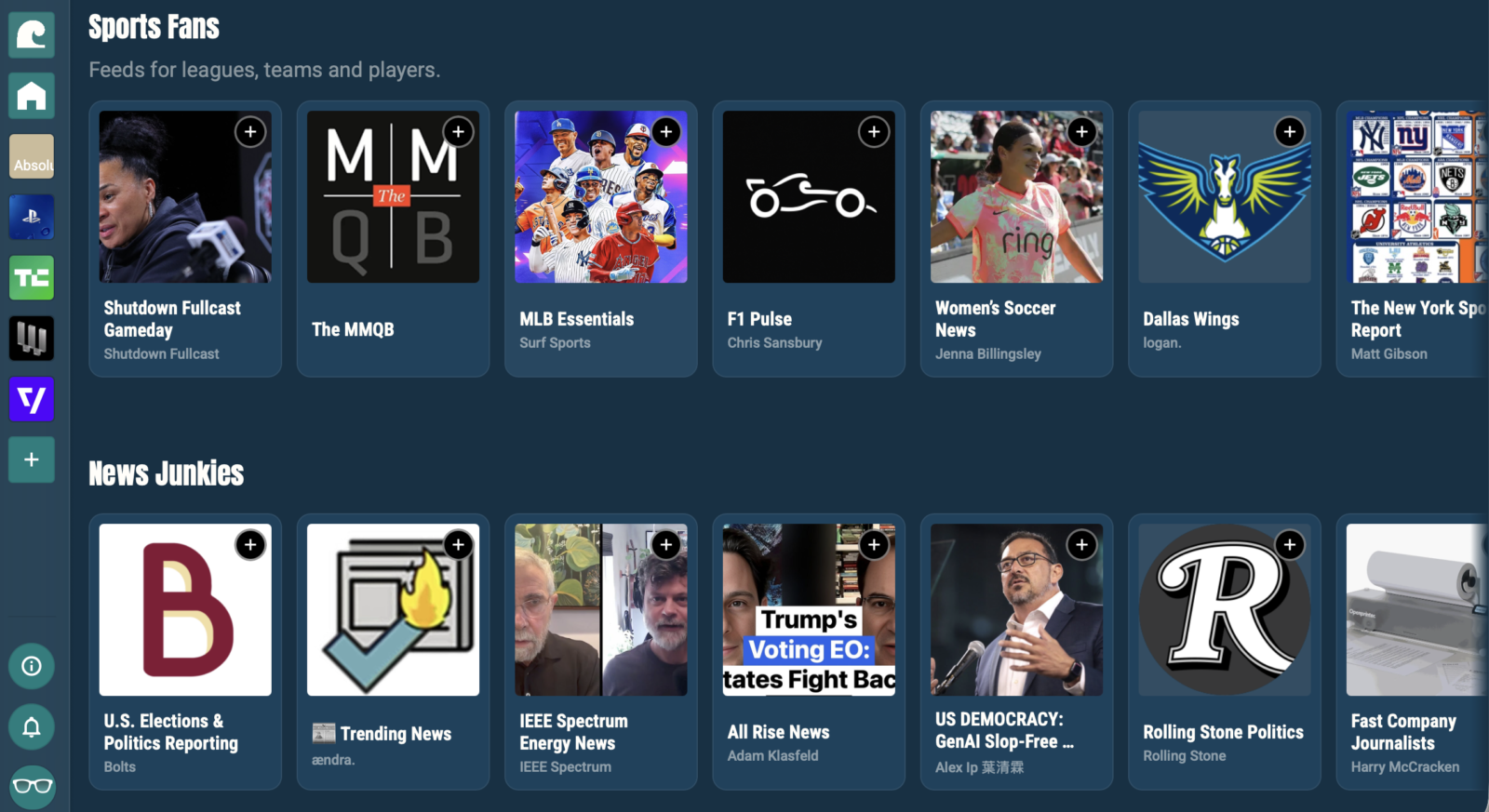
The first time I started building a feed in Surf, I felt like I was back in the early 2000s tweaking my iGoogle homepage or obsessively organizing Google Reader folders. It’s a very specific kind of geeky satisfaction—the kind where you lose track of time because you’re chasing the perfect signal-to-noise ratio.
You can create feeds around anything. Tech news, niche music scenes, baseball analytics, obscure indie game dev blogs—whatever your brain latches onto at 1AM becomes a feed. Then you refine it. Filter out garbage. Block keywords. Exclude entire accounts if they annoy you.
It’s empowering in a way modern apps rarely are.
But let’s not pretend it’s effortless. Surf doesn’t spoon-feed you content. It hands you the ingredients and expects you to cook. For some people, that’s going to feel liberating. For others, it’s going to feel like homework.
And that’s kind of the central tension here.
Do people actually want control?
Here’s the uncomfortable truth I kept bumping into while using Surf: most people say they hate algorithms, but they also don’t want to replace them.
Algorithms are addictive because they remove friction. You open an app, and content just happens to you. It might be garbage, it might be brilliant, but it’s always there, always flowing. Surf disrupts that. It asks you to decide what matters.
That’s a harder sell than it sounds.
Even as someone who genuinely enjoys tinkering with feeds, I caught myself missing the lazy convenience of algorithmic discovery. There’s a strange comfort in being served content, even if half of it is AI-generated nonsense or ragebait designed to hijack your attention.
Flipboard Surf
Surf rejects that entirely. It’s almost aggressively anti-algorithm, positioning itself as a refuge from what people have started calling “AI slop”—that endless stream of low-effort, machine-generated content clogging up every major platform.
And to its credit, Surf actually feels different. Cleaner. Quieter. More intentional.
But also… emptier, sometimes.
The anti-slop social network experiment
There’s a moment when using Surf where you realize something: this app only works if enough people care.
Because Surf isn’t just a tool—it’s a philosophy. It assumes there’s a critical mass of users who are tired of algorithmic chaos and willing to invest time into building something better. It assumes people still value real content over synthetic engagement bait.
That’s a big assumption.
We’ve already seen platforms with similar ambitions struggle. The internet has a long history of rewarding convenience over control, scale over quality. Even communities that start out thoughtful and curated often get overwhelmed once they hit mainstream adoption.
Surf seems aware of this. Its design leans heavily into user moderation and customization, giving you tools to aggressively filter out noise. In theory, that makes it more resilient to the kind of AI spam that’s drowning other platforms.
In practice? That remains to be seen.
There’s a lingering question hovering over everything: is there a large enough audience for this kind of internet experience anymore?
A weird, hopeful throwback
What surprised me most about Surf wasn’t the tech—it was the feeling.
Using it reminded me of a time when the internet felt smaller, more personal. When discovering a new blog or RSS feed felt like uncovering a hidden gem instead of stumbling into a content factory. There’s a deliberate slowness to Surf that borders on nostalgic.
It’s not trying to entertain you nonstop. It’s trying to give you control.
And that’s both its biggest strength and its biggest risk.
Because control requires effort. And effort is something modern platforms have spent years training us to avoid.
Still, I can’t help but root for it.
There’s something undeniably compelling about an app that doesn’t treat you like a data point in an engagement funnel. Surf feels like it respects your time, even if it occasionally demands more of it.
It’s not perfect. It’s not frictionless. And it’s definitely not for everyone. But it might be exactly what a certain kind of internet user has been waiting for.
Verdict
Flipboard Surf feels like a bold, slightly stubborn attempt to rebuild the internet around people instead of algorithms. It won’t replace your existing apps overnight, and it asks more from you than most platforms dare to—but if you’re exhausted by AI slop and algorithm-driven feeds, it offers something rare: control, clarity, and a genuinely human browsing experience. Whether that’s enough to go mainstream is still a big question, but as an idea, it absolutely works.