

As 1996 approaches its 30-year milestone, it continues to stand apart as a year when modern game design began to take recognizable shape. Hardware transitions, expanding audiences, and creative risk-taking all converged, producing releases that still inform how games are structured today. Reducing that year to just five titles is necessarily subjective, but these selections best reflect long-term influence rather than short-term popularity.
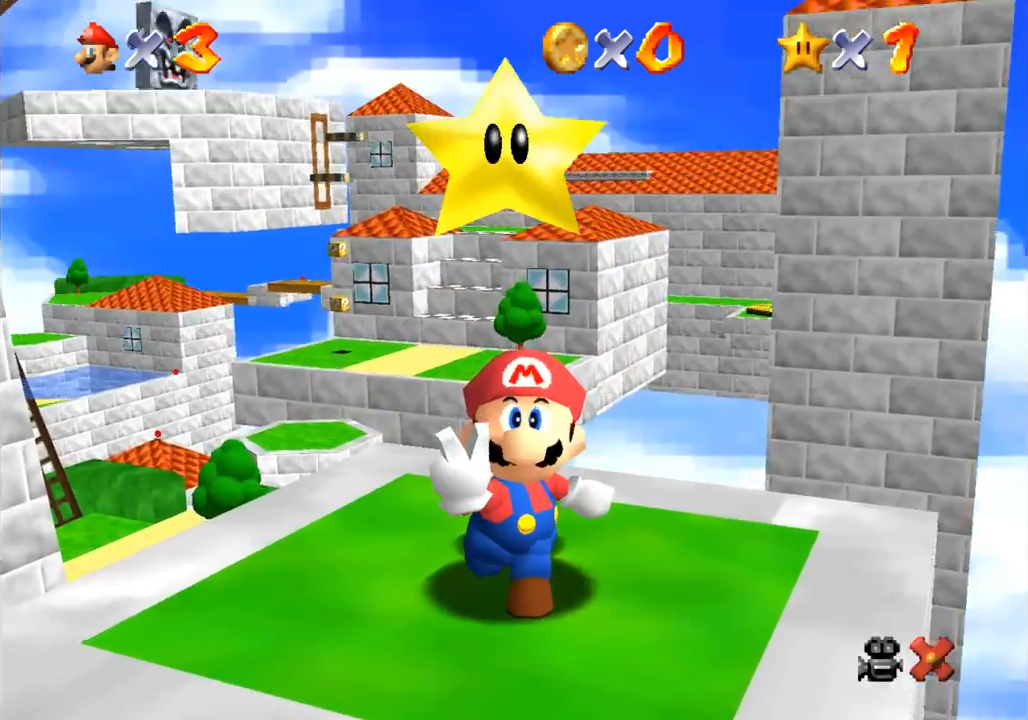
Super Mario 64 arrived at a moment when 3D games were still struggling with basic questions of control and player orientation. Rather than disguising those limitations, it built systems that taught players how to move, judge distance, and read space intuitively. Peach’s Castle functioned as both a hub and a training ground, quietly introducing camera behavior, movement physics, and vertical exploration before players ever entered a traditional level. The game’s structure encouraged experimentation over linear progression, allowing players to approach objectives in different orders and styles. While later platformers improved on its camera and precision, the underlying philosophy remains remarkably intact. Its importance lies less in technical polish and more in how confidently it defined a new language for 3D movement that developers still rely on.
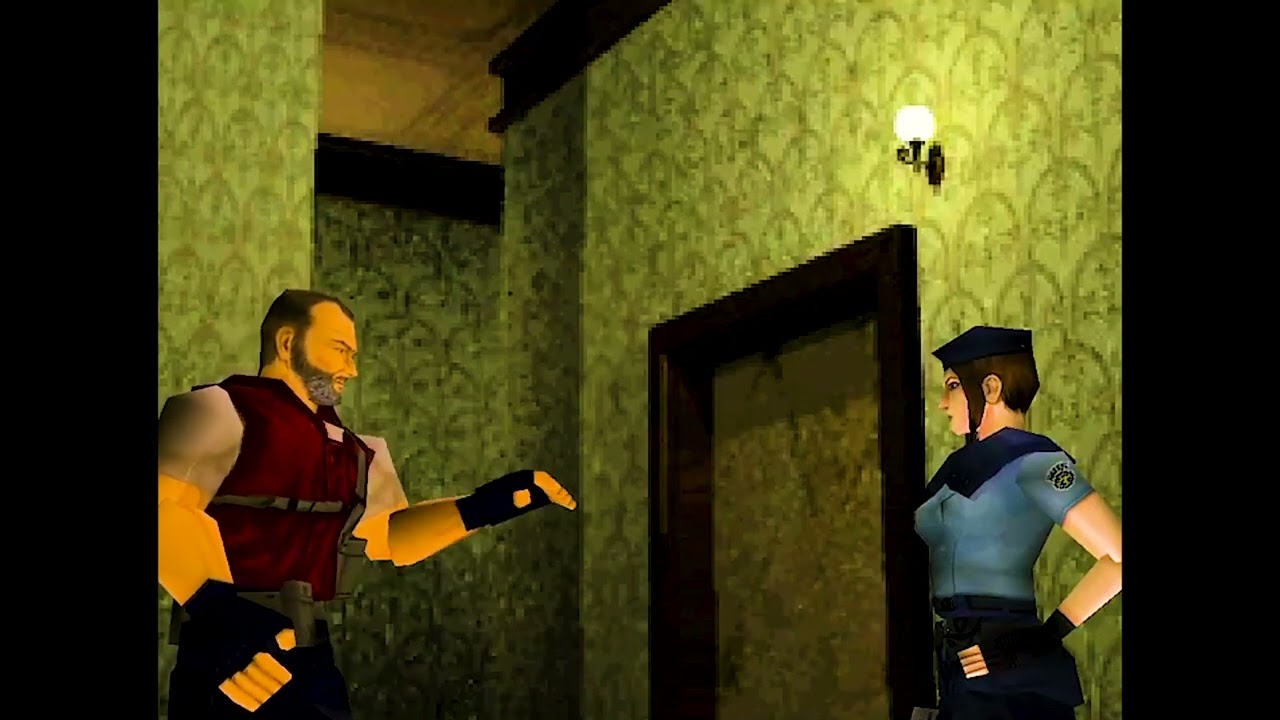
Resident Evil established a deliberate contrast to the action-heavy design trends of the mid-1990s. By restricting ammunition, slowing player movement, and forcing careful inventory management, it reframed fear as a mechanical experience rather than a visual one. The mansion setting worked as a closed ecosystem, gradually revealing shortcuts and hidden dangers while reinforcing a sense of confinement. Its awkward controls and fixed camera angles are often cited as flaws, but they also contributed to vulnerability, making combat feel risky rather than empowering. The game’s success effectively codified survival horror as a genre, influencing not only its own long-running series but also countless horror titles that followed, many of which still echo its pacing and structure.
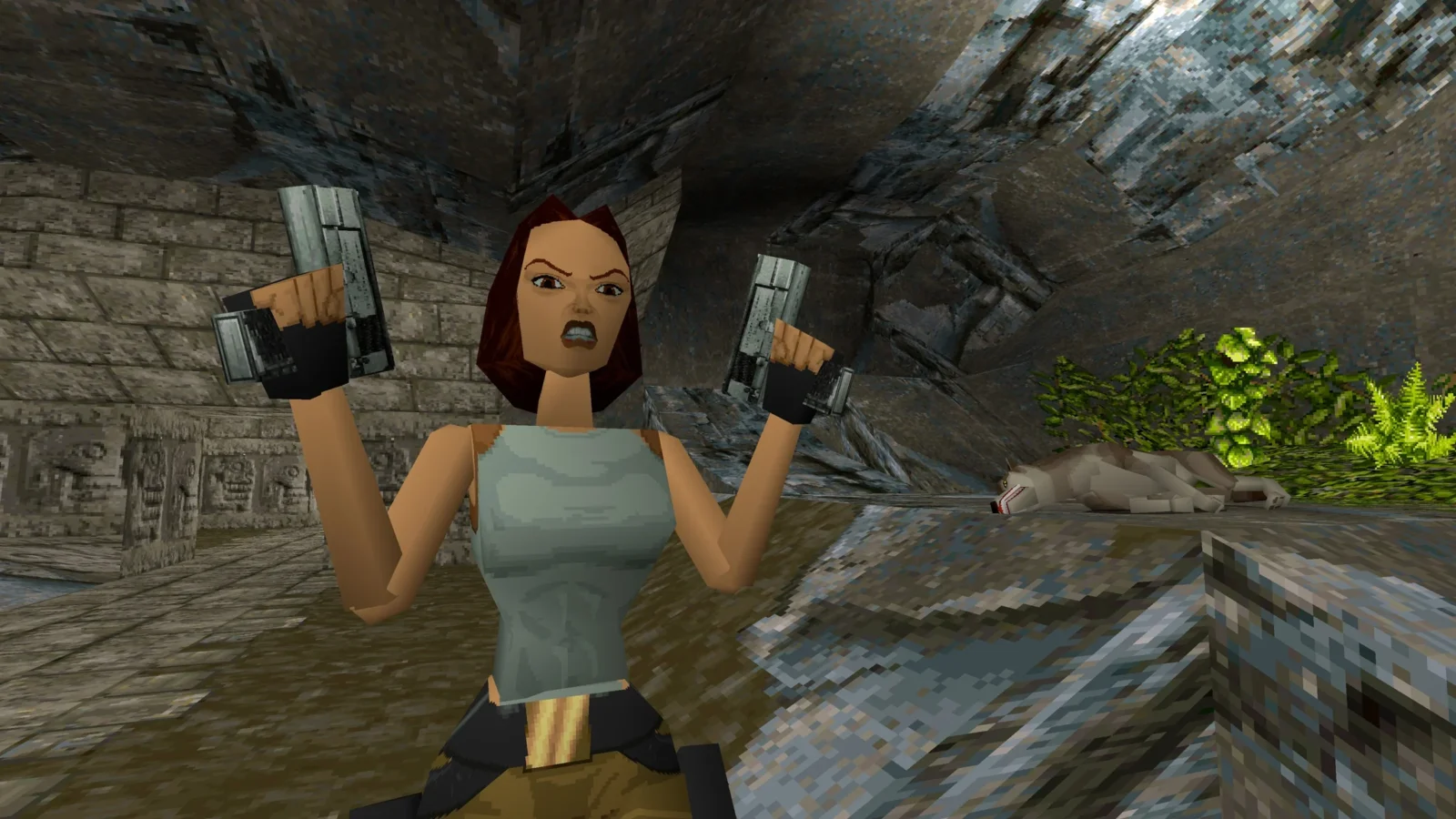
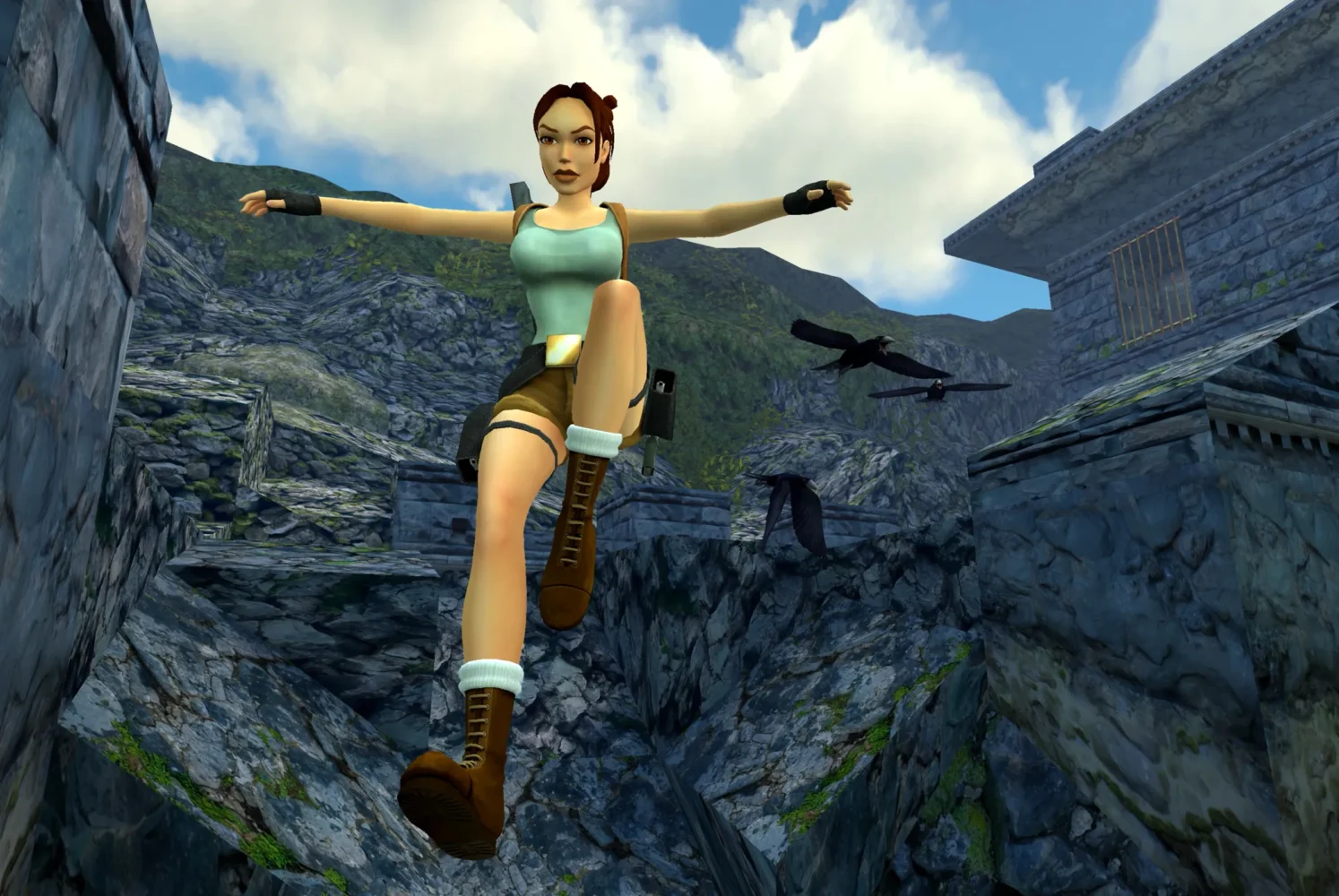
Tomb Raider took a different approach to 3D design by emphasizing solitude and environmental navigation. Rather than constant combat, much of the experience revolved around spatial awareness, timing jumps, and interpreting architectural cues. Its large, quiet environments often left players without clear direction, which could be disorienting but also reinforced the fantasy of archaeological exploration. Lara Croft’s cultural visibility sometimes overshadows the game itself, yet the original Tomb Raider was notable for treating space as a puzzle rather than a backdrop. Many later action-adventure games refined this formula with smoother controls and clearer guidance, but the core idea of traversal-driven exploration traces directly back to this debut.
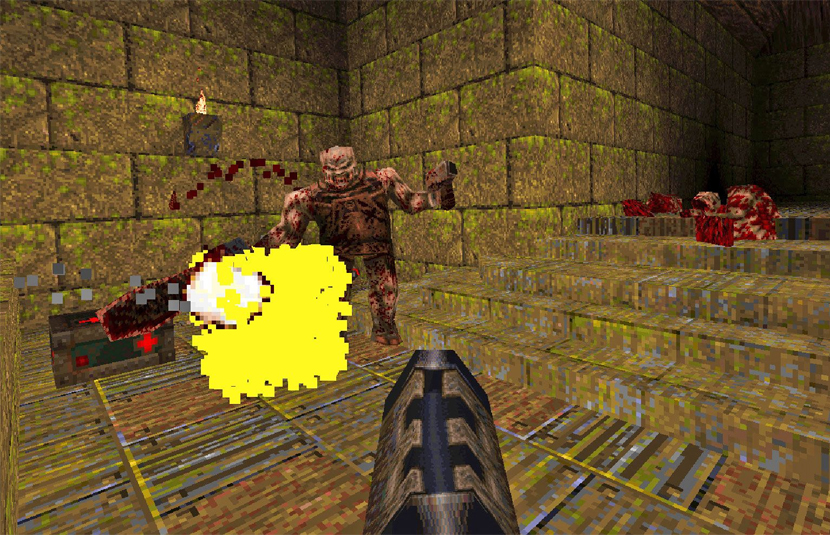
Quake represented a structural shift for first-person shooters by fully committing to real-time polygonal environments. This allowed for vertical combat, layered level design, and more dynamic enemy encounters than earlier shooters could support. Its visual tone leaned toward the abstract and unsettling, replacing science-fiction excess with gothic architecture and oppressive sound design. Beyond its single-player campaign, Quake’s influence extended into multiplayer infrastructure, modding communities, and competitive play. Many technical standards associated with online shooters can be traced back to its architecture. Even as shooters evolved toward realism and narrative complexity, Quake’s emphasis on movement and spatial mastery remains a reference point.
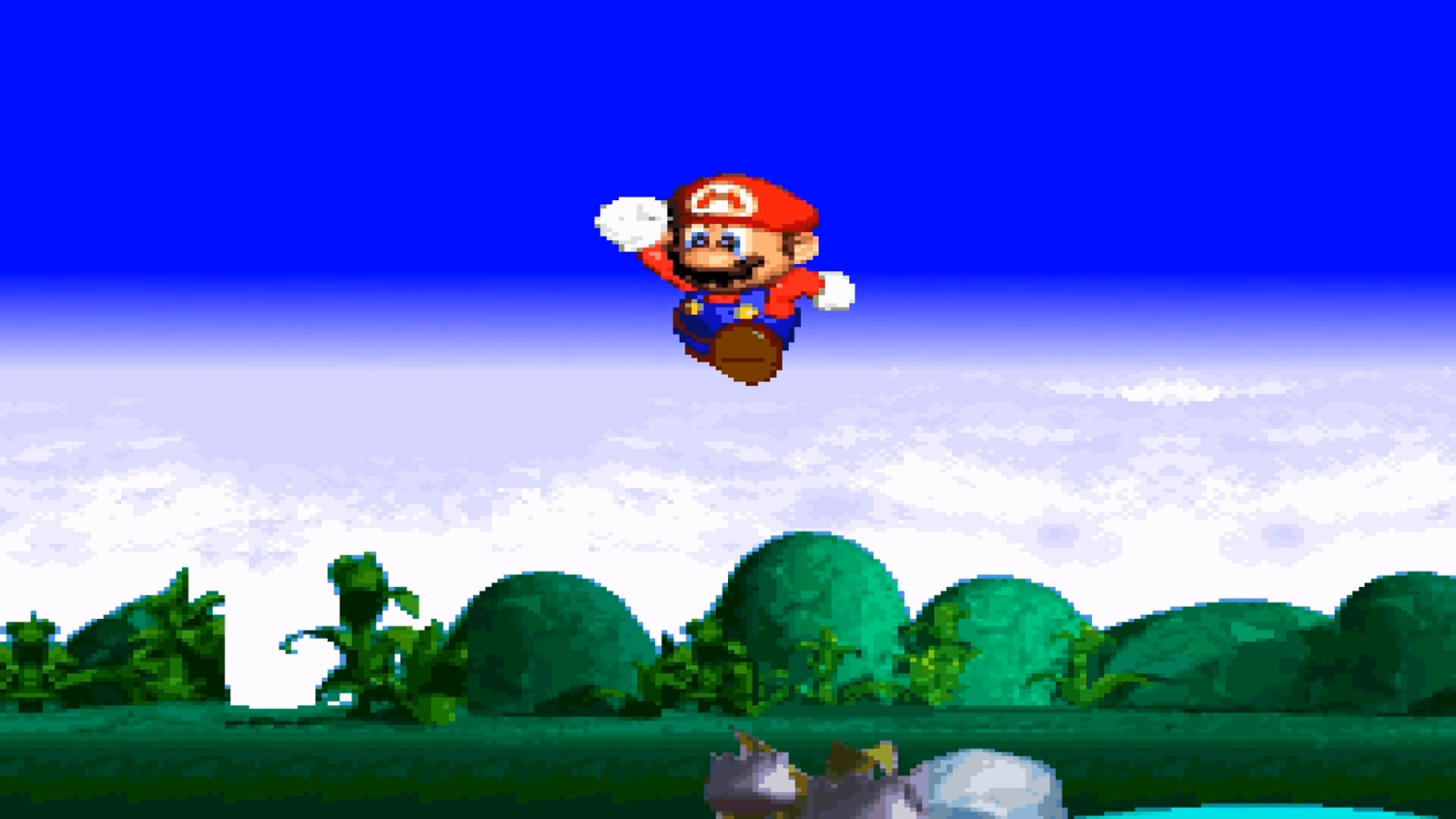
Super Mario RPG: Legend Of The Seven Stars: Legend of the Seven Stars quietly broadened expectations for how established characters could be used. By blending turn-based combat with light platforming elements and restrained humor, it made role-playing mechanics approachable without oversimplifying them. Timed attacks and defensive inputs kept players engaged during battles, preventing combat from becoming purely menu-driven. Its narrative leaned into self-awareness rather than spectacle, allowing moments of humor and character interaction to carry the experience. While not especially long or complex, it laid the groundwork for future Mario RPG entries and demonstrated how genre blending could be executed without diluting either side.
Three decades later, these five games remain relevant not because they are flawless, but because they solved problems that the industry was still struggling to define. Their ideas were built upon, revised, and sometimes replaced, but rarely ignored. That enduring influence is what ultimately separates lasting work from mere nostalgia.