
TL;DR: Maul Shadow Lord episodes 7-8 deliver thrilling Inquisitor duels, devastating flashbacks that finally humanize Maul, and a massive Dryden Vos tease connecting straight to Solo. This is the dark, layered crime saga the series promised.
Star Wars: Maul — Shadow Lord
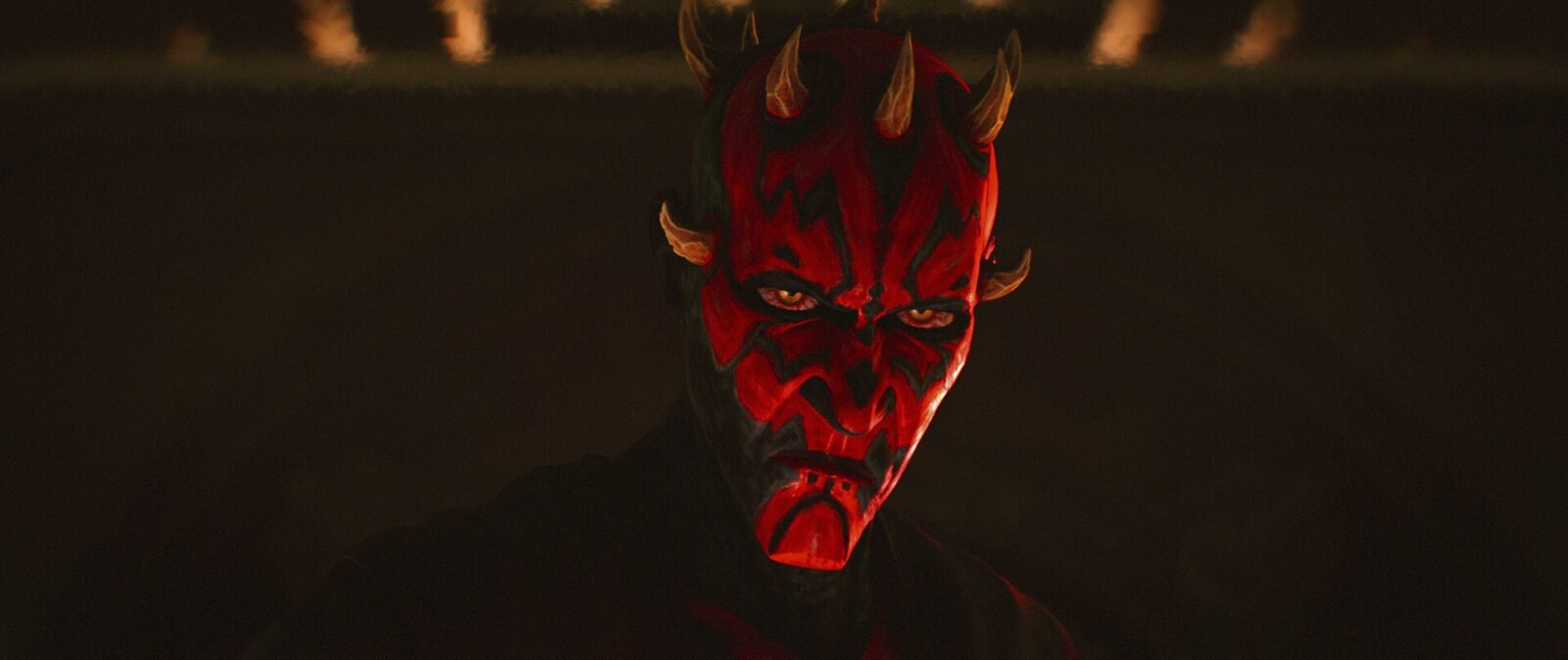
I still remember the first time young Darth Maul spun that double-bladed saber across the screen and made every kid in the theater lose their mind. That raw, animalistic fury. The promise of a villain who could actually end the good guys. Star Wars: Maul – Shadow Lord has been teasing that version of him all season, but episodes 7 and 8 finally deliver the goods in the most gut-punching way possible. This is the Maul story I’ve been waiting for since Clone Wars ended.
Set in the raw aftermath of Revenge of the Sith, the series follows a calculating, damaged Maul trying to rebuild his Shadow Collective while the Empire tightens its grip on Janix. These two episodes crank the tension to eleven and give us something the show desperately needed: real emotional depth from the horned man himself.
The Waterfall Duel That Reminded Us Why Maul Is Still Terrifying
Chapter 7 kicks off right after the chaos of the previous duel and throws us straight into high-stakes action. Devon and Rylee are on the run with Maul, and the Empire responds by sending in the big guns. Enter the Eleventh Brother, also known as The Crow, with that haunting plague-doctor aesthetic that screams pure menace. Paired with Marrok, these two Inquisitors turn the hunt personal.
The centerpiece fight happens in a stunning cave system with a roaring waterfall behind it. Lightsaber blades reflect off the cascading water in ways that make every clash feel alive and dangerous. Maul is still nursing injuries from earlier, yet he holds his own against two elite hunters. There’s this perfect moment where he seems beaten, kneeling with hands raised, only to smirk and bring the entire cave roof down with the Force. “Likewise,” he growls when they say the Emperor wants him dead. Pure Sith poetry.
The choreography feels grounded and brutal. No flashy flips for the sake of it. Every swing carries weight, every Force push feels desperate. It’s the kind of sequence that makes you lean forward and whisper “yes” at the screen like a true nerd.
Meanwhile, side characters get real moments to shine. Lawsen’s quiet confession about never believing the Empire’s Jedi lies hits hard. Daki’s gentle reassurance shows the best of what Jedi can be even in hiding. Two-Boots, that delightfully sarcastic droid voiced like only Richard Ayoade could, starts questioning everything as he watches Imperial officers break their own rules. These aren’t just filler allies. They’re becoming real people caught in Maul’s storm.
Chapter 8’s Creeping Fear Finally Gives Maul the Spotlight He Deserves
If Chapter 7 was all adrenaline, Chapter 8 is pure psychological devastation. The episode titled after what was once rumored for Revenge of the Sith delivers the introspection we’ve been craving. Maul, battered from the duel, collapses by a puddle and sees his own child self staring back. “I hate you,” he snarls at the reflection. That single line wrecked me.
The flashbacks hit like a sandstorm of trauma. We see tiny Maul ripped from Dathomir, his brother Savage desperately trying to stop it. Palpatine’s brutal training sessions. Sith lightning cracking across a young boy’s body. The haunting echoes of Duel of the Fates. Then the nightmare of his spider-like existence after being left for dead. These aren’t quick nostalgia cuts. They’re fragmented, dusty, and heartbreaking.
For the first time, we truly understand why Maul’s rage burns so deep. Palpatine didn’t just betray him. He stole his entire life. His mother. His brother. His destiny. That pain fuels everything. Later, staring at his child self again, Maul makes a quiet vow: “I won’t let him do this to anyone else.” It’s not redemption. It’s something more complicated and interesting. Revenge with a twisted sense of protection for future victims.
Sam Witwer is operating on another level here. The gravel in his voice, the way he shifts between cold calculation and raw vulnerability. This is peak Maul performance, and it makes every previous episode retroactively better.
Building the Shadow Collective While the Empire Closes In
The underworld politics keep getting juicier. Mandalorian mercenaries start grumbling about payment and loyalty, showing how fragile Maul’s new alliance really is. The Empire ramps up pressure with Inquisitors who feel genuinely threatening instead of just dark Jedi cosplayers.
Devon continues to be a fascinating foil, her Force sensitivity clashing with Maul’s manipulation. Lawsen’s willingness to sacrifice himself for Rylee adds real stakes to the human side of the story. Reena’s redemptive turn in the elevator sequence, blowing up a ship to take out stormtroopers with her, gives the episode a satisfying heroic beat amid all the darkness.
And then that ending. Maul settles into a new headquarters and hears the name we’ve all been waiting for: Dryden Vos of Crimson Dawn is requesting a meeting. For Solo fans, this is the canon bomb we knew was coming but still felt electric. It’s early days, around 18 BBY, so Qi’ra isn’t in play yet, but the bridge to that future is now crystal clear. Maul is on the path to becoming the shadow leader of one of the galaxy’s biggest syndicates.
Why These Episodes Finally Fulfill the Promise of a Maul Series
Maul – Shadow Lord had been teasing greatness all season. These two chapters stop teasing and start delivering. The action is top-tier, the lore connections feel organic, and most importantly, Maul stops being a distant anti-hero and becomes a fully realized, tragic figure.
The supporting cast elevates everything. Devon’s internal conflict, Lawsen’s quiet heroism, Two-Boots’ awakening. Even smaller deaths like Icarus land with more weight because the world around Maul finally feels lived-in.
Visually, the show continues to impress. Moody lighting, detailed environments, that signature Star Wars grit mixed with fresh underworld flavor. The Kiners’ score weaves in familiar themes at exactly the right moments without overdoing it. Everything clicks.
I’ve rewatched these episodes twice already, catching new details in the flashbacks and duels each time. It’s the kind of storytelling that sparks group chats at 2 a.m. about what Maul’s grand plan against Palpatine could actually look like and how the Vos meeting will play out.
This is Star Wars doing what it does best: taking a beloved character and showing us the scars beneath the saber spins. The creeping fear is real, and it’s wonderful.