


For years, the idea of emotionally engaging robot companions has lived mostly in fiction, embodied by characters like BB-8, whose appeal came less from utility and more from personality. At CES 2026, that concept felt noticeably closer to reality as Ludens AI introduced two AI-powered companion robots, Cocomo and Inu. Rather than pitching them as helpers or productivity tools, the company framed them as emotional presences designed to coexist with people.
This distinction matters. Much of the recent conversation around consumer robotics has focused on automation, efficiency, and task completion. Ludens AI is taking a different path, emphasizing companionship over function. The company’s premise is that not every device needs to solve a problem. Some can simply offer comfort, routine, and a sense of presence, much like a pet.
Cocomo is the more ambitious of the two. Designed as a mobile robot pet, it follows its owner around the home using a wheeled base and responds to voice, touch, and movement. Its design avoids overtly mechanical cues, opting instead for a soft, rounded form with ear-like features and a warm, orange exterior. One of its defining traits is temperature: Cocomo maintains a surface warmth close to human body temperature, which increases slightly with frequent interaction. This choice appears aimed at removing the cold, inert sensation that often reminds users they are interacting with a machine.
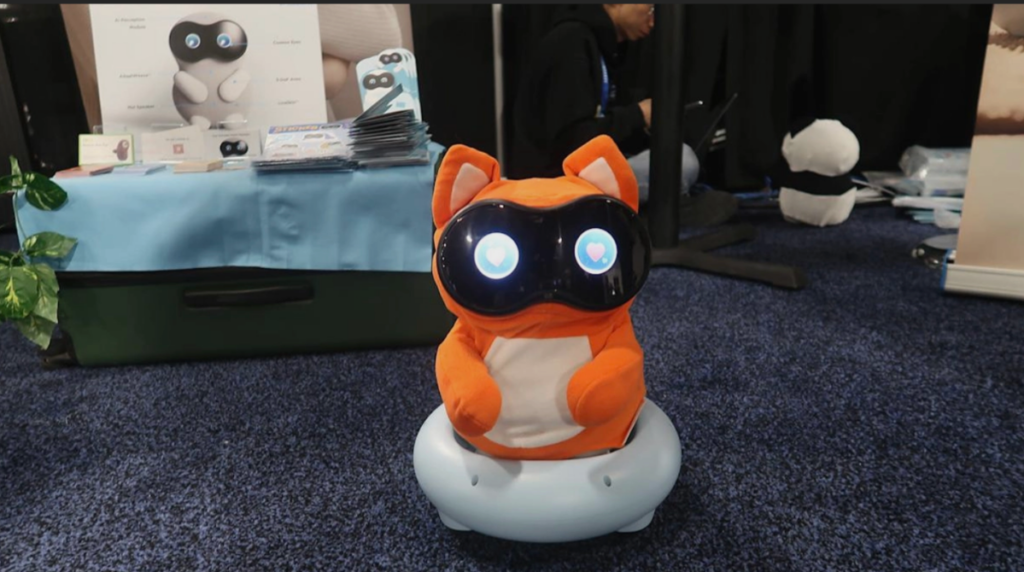
Cocomo does not speak. Instead, it communicates through subtle sounds and humming, reinforcing its pet-like identity. Over time, it is meant to learn behavioral patterns, recognizing when its owner seeks comfort or engagement. The emphasis is on gradual familiarity rather than immediate novelty, with Ludens AI describing Cocomo as something that adapts quietly to everyday life.
Inu, by comparison, is intentionally limited. Marketed as a desktop companion, Inu remains stationary and is designed for workspaces. It reacts to nearby sounds, touch, and voice with simple movements and animated eye expressions. Inu’s role is less about companionship through proximity and more about providing a low-level emotional presence during long periods of desk work. It does not attempt to manage tasks or deliver information, which keeps expectations modest.
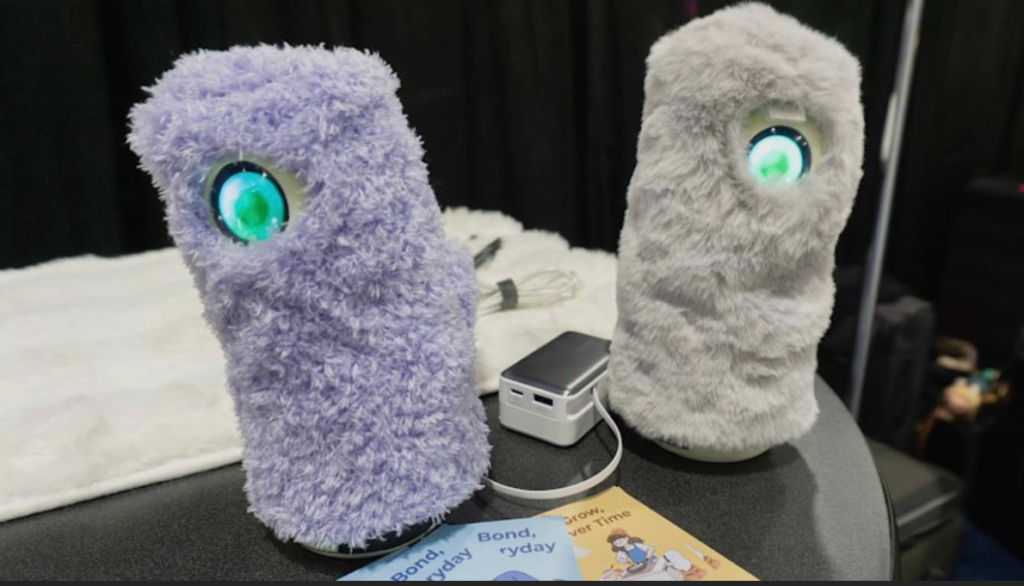
Together, Cocomo and Inu reflect a broader shift in how AI-driven devices are being positioned. Instead of framing emotional engagement as a secondary feature, Ludens AI places it at the center of the experience. Whether consumers are ready to embrace robots as companions rather than tools remains an open question, particularly as issues of attachment, privacy, and long-term value come into focus.
With crowdfunding campaigns planned and no final pricing announced, these robots are still early signals rather than finished products. Still, their debut at CES 2026 suggests that emotional AI is moving steadily out of science fiction and into the domestic and workplace environments people inhabit every day.