

At CES 2026, Lenovo used a series of experimental devices to outline how it believes personal computing could evolve in an AI-driven environment. Rather than focusing on near-term product launches, the company presented multiple proofs of concept intended to explore form factors, interaction models, and system-level intelligence that extend beyond today’s laptops and peripherals. Taken together, the concepts suggest Lenovo is testing how hardware design, embedded AI, and user well-being might intersect over the next several years.
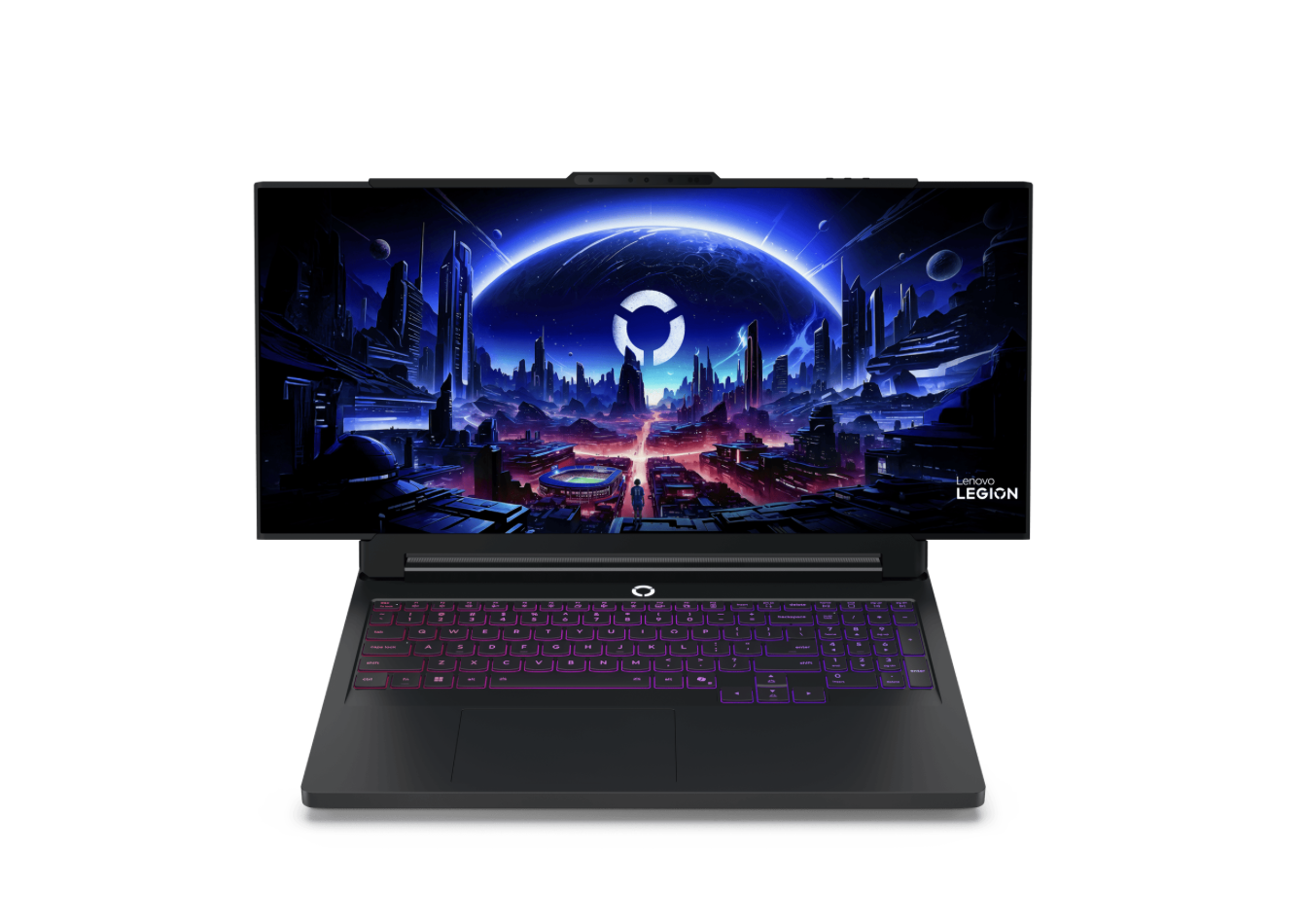
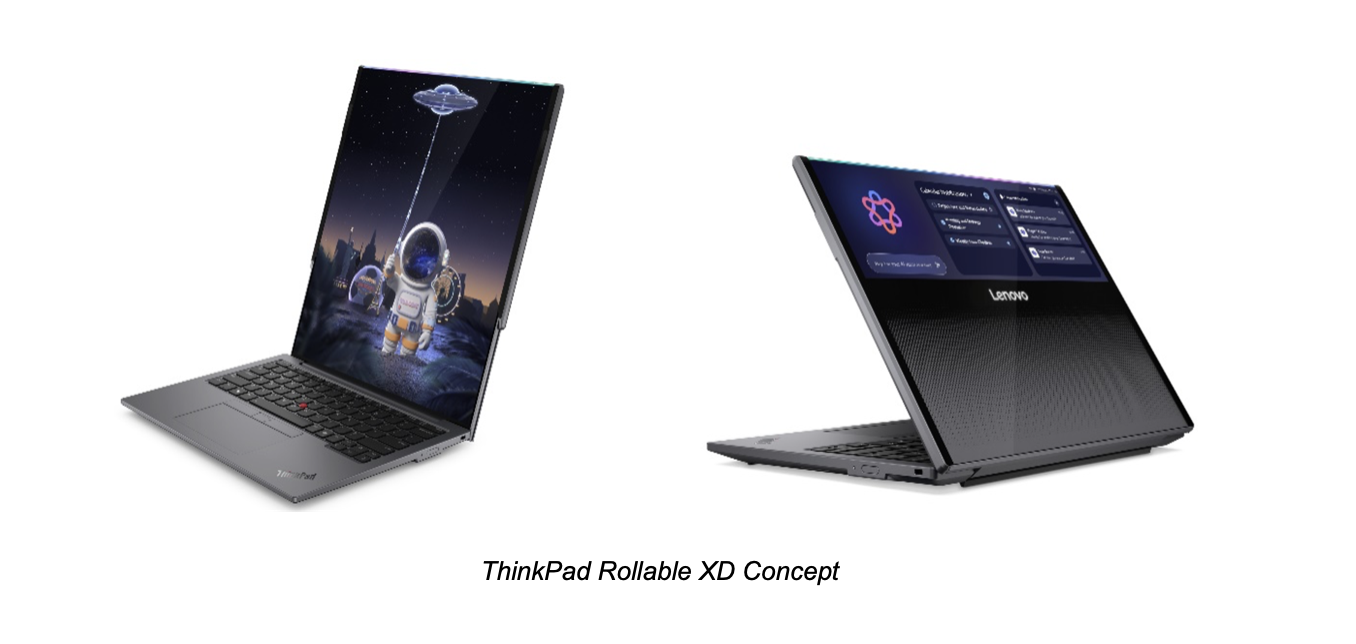
One of the more visually striking concepts is the ThinkPad Rollable XD, which rethinks the traditional laptop screen by allowing it to expand vertically from a compact 13.3-inch display to nearly 16 inches. Lenovo frames this as a way to increase usable workspace without increasing the physical footprint of the device, addressing the long-standing trade-off between portability and screen size. The approach builds on the company’s earlier experiments with foldable and rollable displays, positioning the device as a flexible platform for multitasking, collaboration, and adaptive workflows rather than a conventional notebook replacement. While clearly experimental, the concept highlights how display innovation remains central to Lenovo’s view of future productivity.
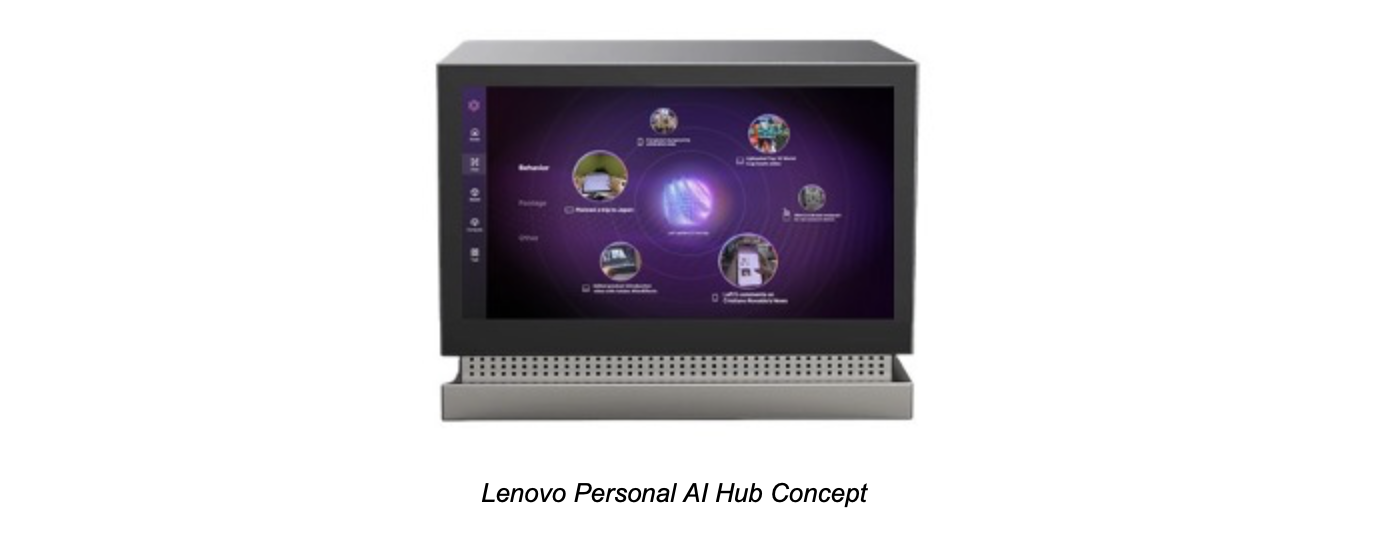
The company also introduced a Personal AI Hub concept, internally referred to as Project Kubit, which explores the idea of a dedicated personal edge cloud device. Designed to sit at the centre of a user’s digital ecosystem, the hub aggregates data and AI workloads across PCs, smartphones, wearables, and smart home devices. Powered by compact AI workstations built around hardware from NVIDIA, the concept reflects growing interest in keeping advanced AI processing closer to the user, reducing reliance on remote cloud infrastructure while still supporting demanding applications.
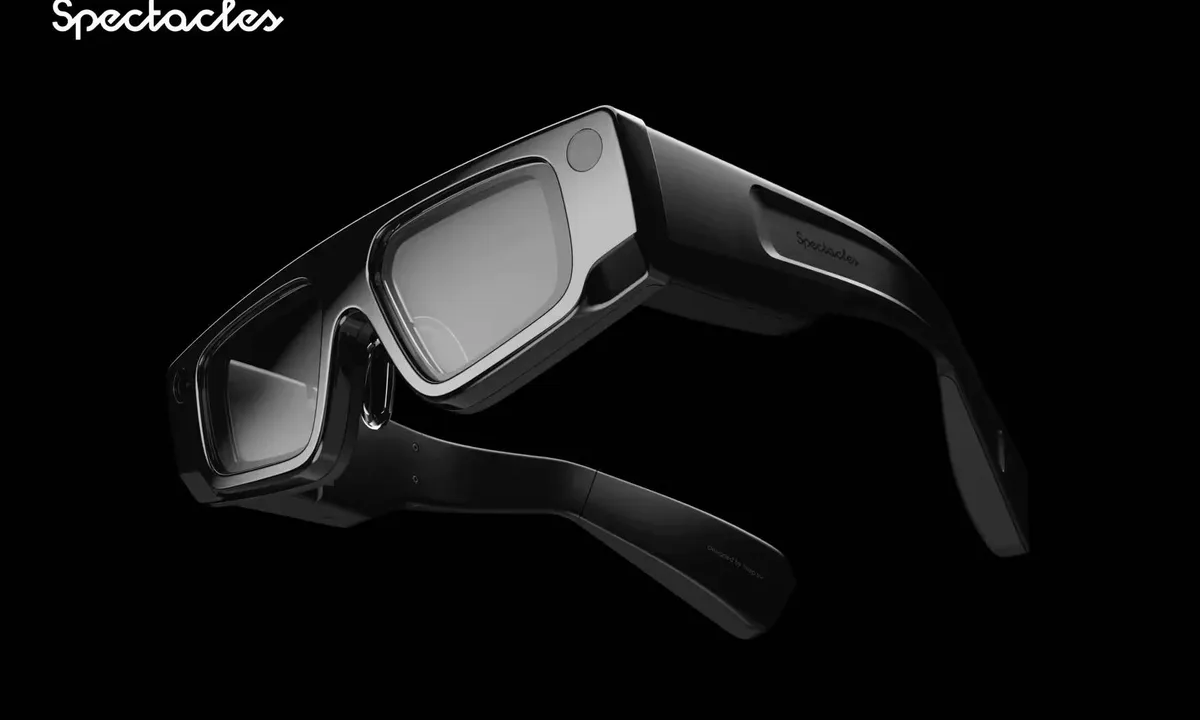
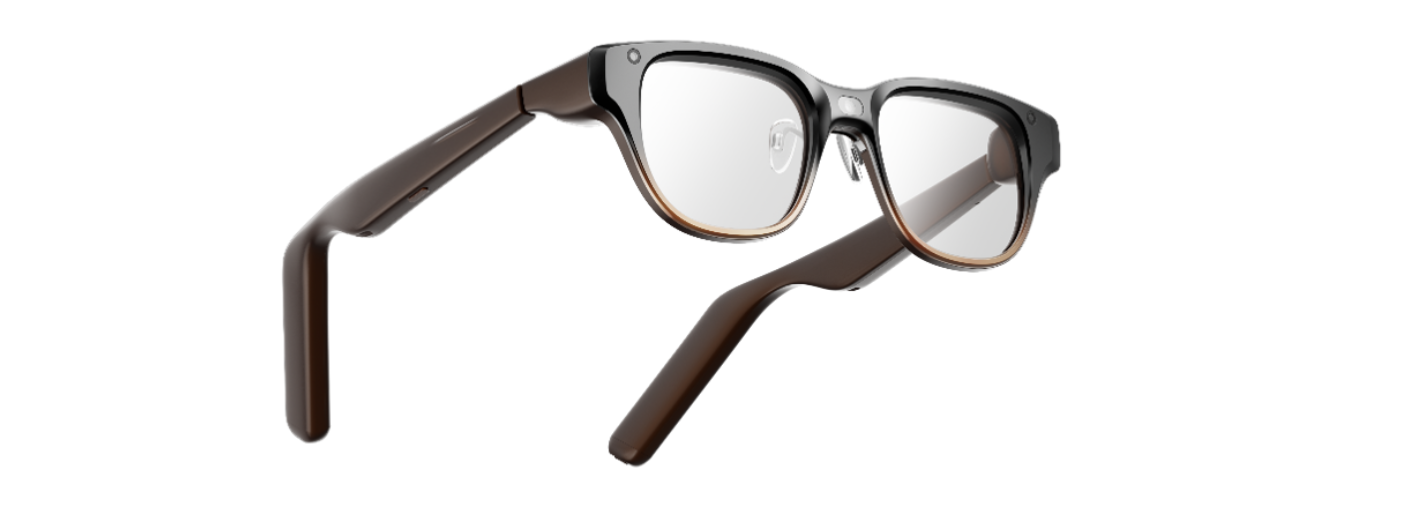
Wearable and peripheral concepts further extend this thinking. Lenovo’s AI Glasses concept focuses on lightweight, hands-free interaction, offering features such as live translation, contextual image recognition, and notification summaries when paired with a phone or PC. Weighing 45 grams, the glasses are positioned less as a standalone device and more as an interface layer that brings AI assistance into everyday situations without constant screen switching.
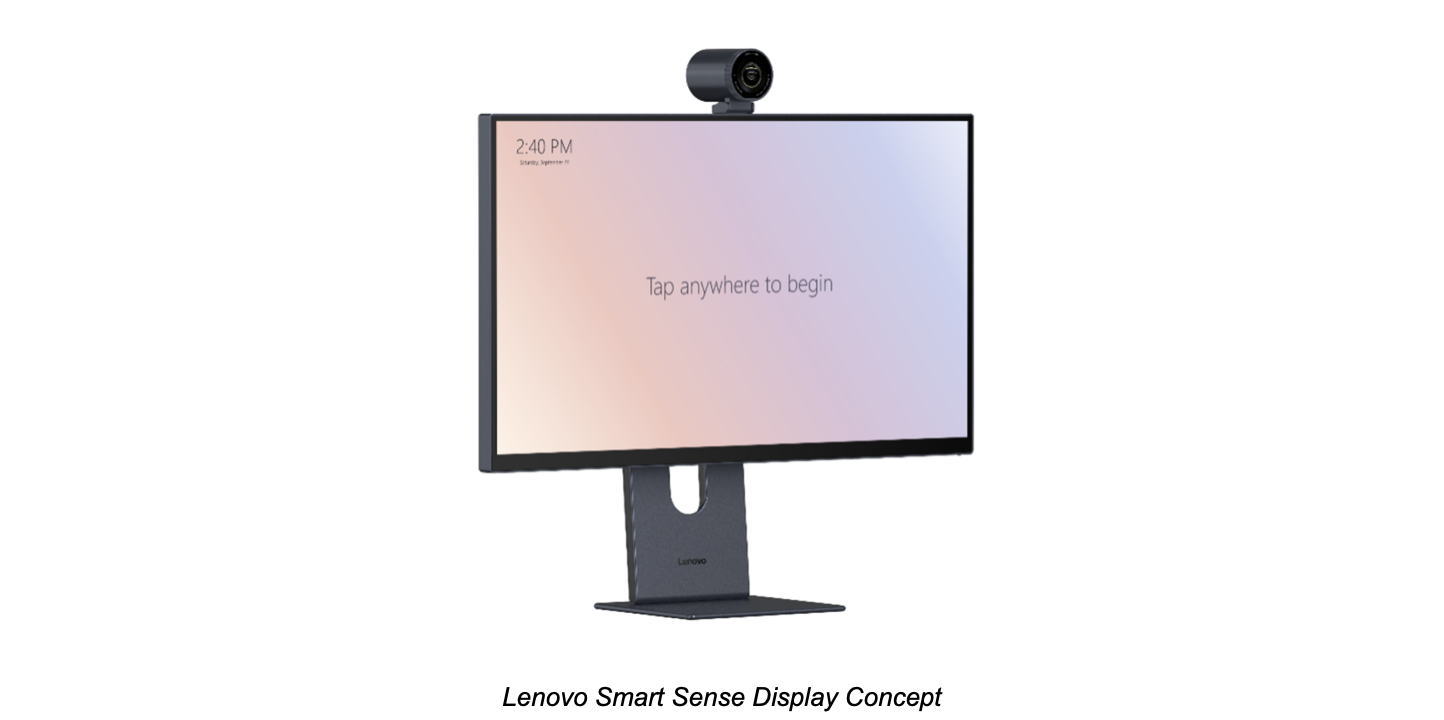
Display technology is another area where Lenovo is experimenting with intelligence beyond pixels. The Smart Sense Display concept functions as a multi-device hub, wirelessly connecting to phones, tablets, and laptops while supporting natural language interaction and flexible window management. Alongside this, an AI-powered personalized display concept introduces adaptive brightness, colour temperature, and posture-aware wellness features, suggesting a future where screens actively respond to users’ physical needs as well as their tasks.
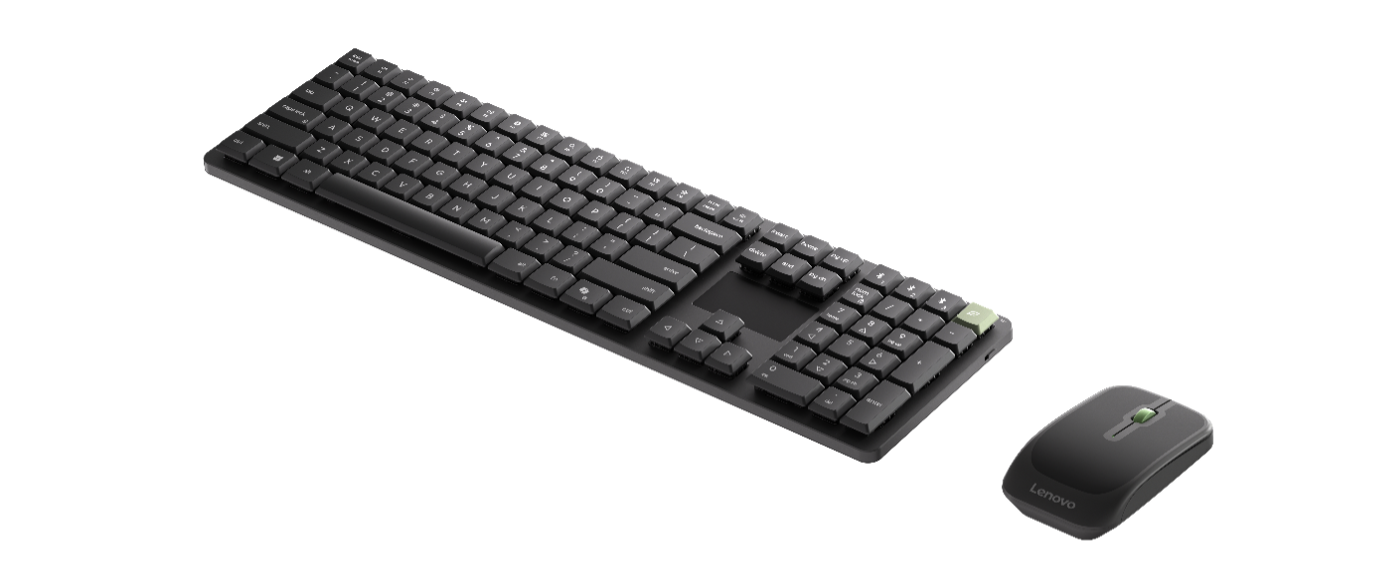
Complementing these larger devices are accessory concepts such as an adaptable keyboard with adjustable actuation for different use cases, and a self-charging keyboard and mouse kit that relies on ambient indoor light. These smaller experiments reinforce a broader theme: Lenovo appears to be using CES 2026 to test how incremental hardware changes, combined with embedded AI, could meaningfully alter everyday computing habits.
While none of these concepts are confirmed products, they collectively offer insight into how Lenovo is thinking about the next phase of device design—one where form, intelligence, and user context are increasingly intertwined rather than treated as separate layers.