



TL;DR: Leon is back, Grace is vulnerable, zombies talk, Chunk is terrifying, and Resident Evil Requiem might be one of Capcom’s smartest genre-balancing acts yet.

I walked into my preview of Resident Evil Requiem with my guard way up. Not in the fun, survival-horror sense—more in the “Capcom, please don’t hurt me again” sense. Any time the series brings Leon Kennedy back into the spotlight, alarm bells go off in my head. I love Leon. We all love Leon. But history has taught me that when Resident Evil leans too hard into his action-hero energy, the series can lose its nerve. Add in a brand-new, extremely vulnerable protagonist named Grace, and the promise of switching between radically different playstyles, and I was bracing for tonal whiplash.
Three hours later, I left genuinely stunned. Not politely impressed. Not cautiously optimistic. Stunned. Resident Evil Requiem doesn’t just juggle action and survival horror—it weaponizes the contrast, turning it into one of the most confident, playful, and surprisingly funny entries the series has attempted in years.

My session opened with Leon, and within seconds my muscle memory from Resident Evil 4 and its remake came roaring back. This is peak Leon: precise gunplay, aggressive momentum, and a toolbox that makes him feel less like a survivor and more like an extinction event. The biggest addition is a hatchet that Leon can swing, throw, and chain into brutal contextual finishers. There’s something deeply unhinged—in the best way—about watching Leon casually bury an axe in a zombie’s skull, line up a handgun shot to the chin, and keep moving like he’s late for a meeting.
And then there’s the chainsaw. Yes, the chainsaw. The thing that once defined Leon’s terror is now something he wields himself, flipping the power fantasy on its head. It’s absurd. It’s glorious. It’s Resident Evil fully aware of its own legacy and confident enough to twist it.
Just as I was settling into that familiar power trip, the game ripped the controller out of my comfort zone and handed it to Grace Ashcroft. The shift is immediate and almost cruel. Gone is the forward momentum, replaced with fragility, caution, and an overwhelming sense that everything in this place wants you dead—and will succeed if you get sloppy.
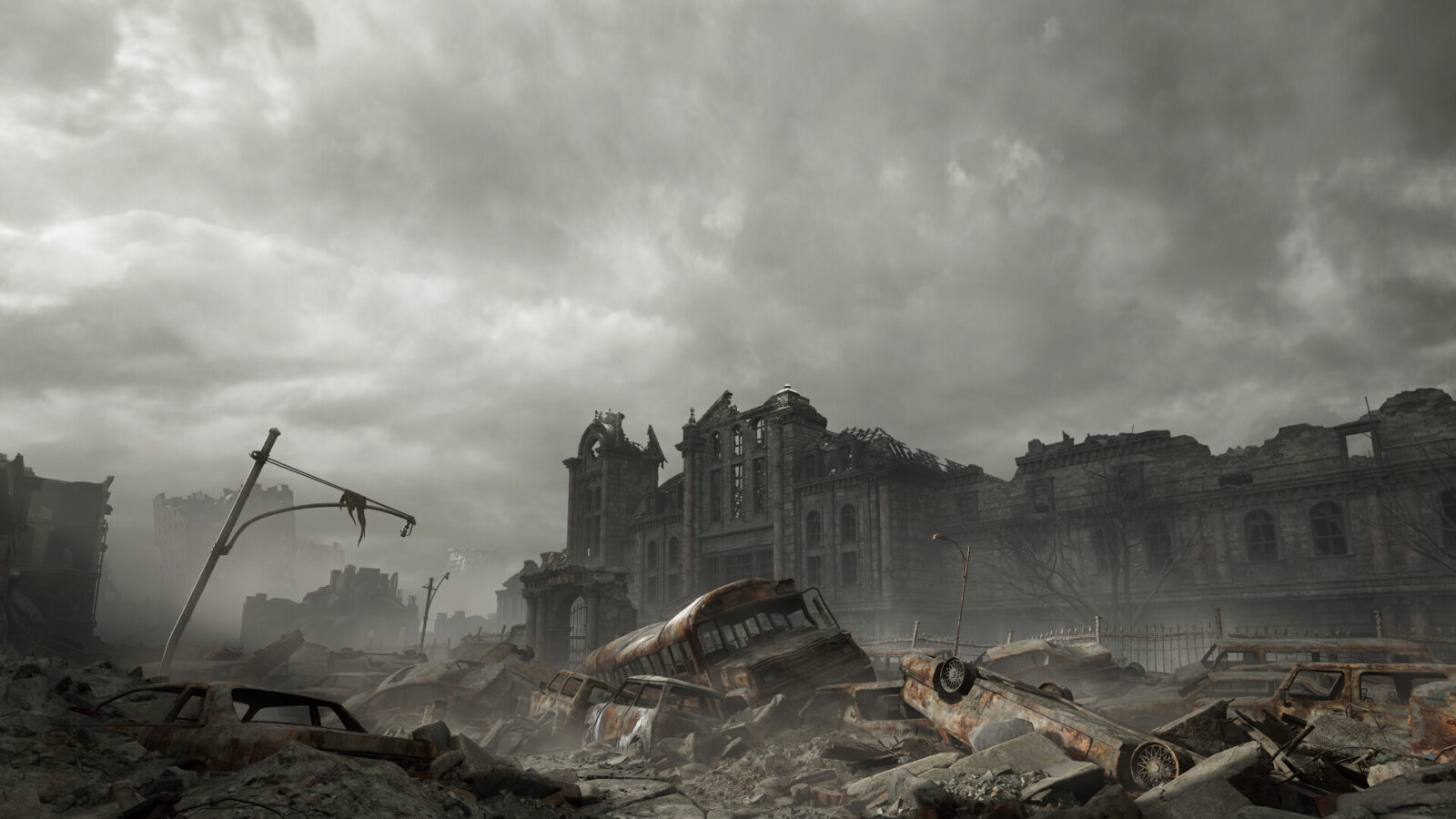
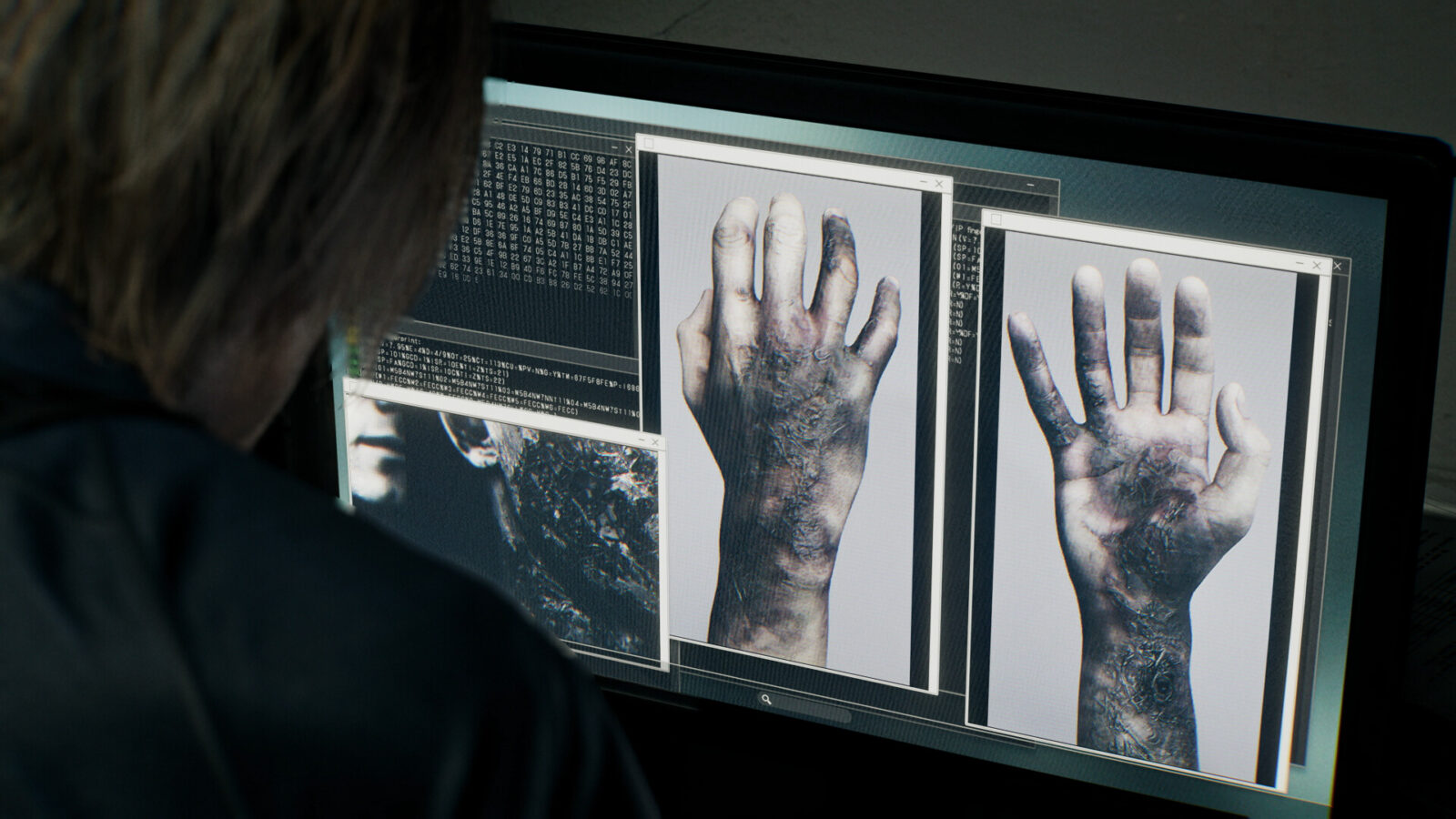
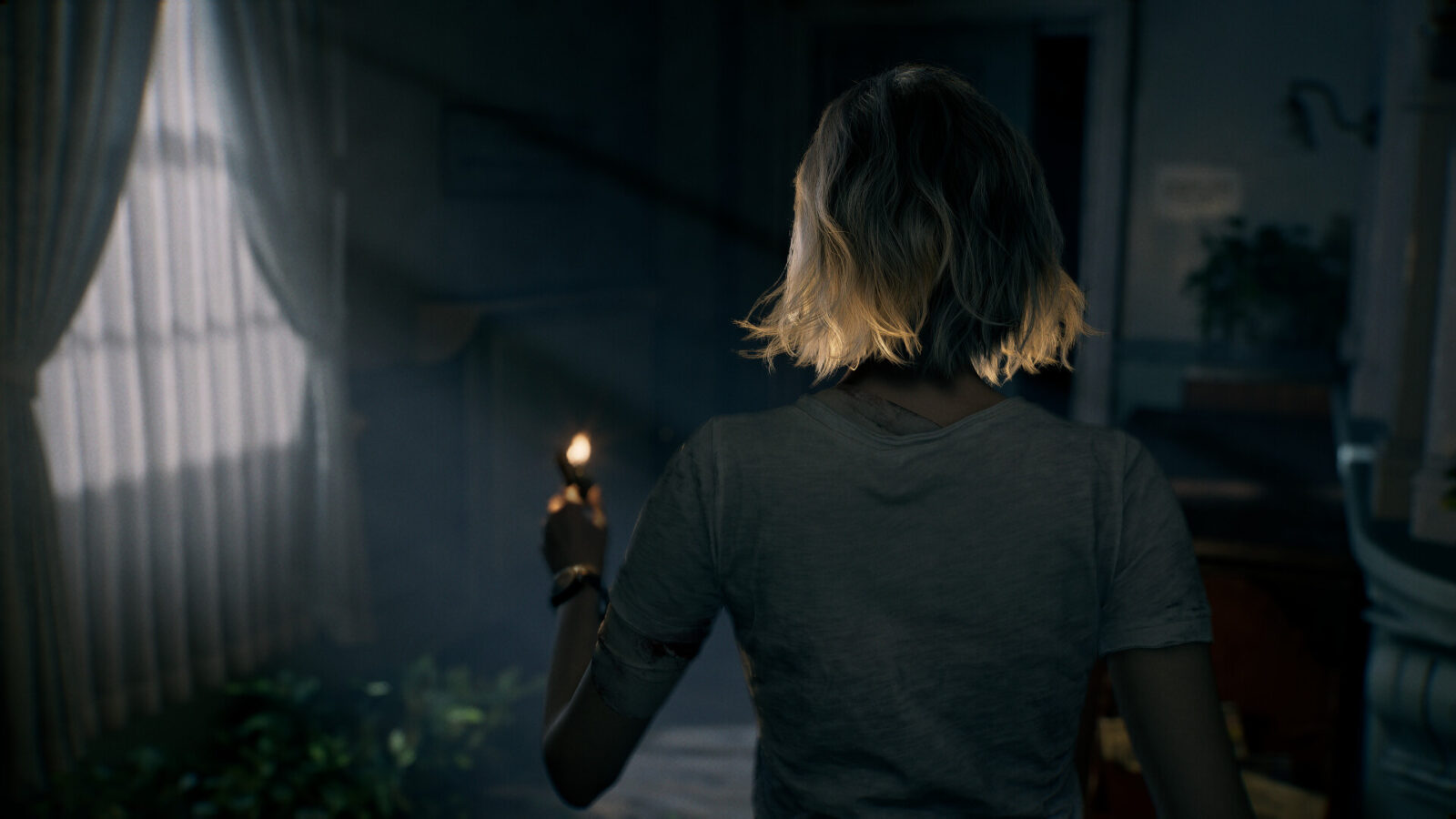
Grace’s section takes place in the Rhodes Hill Chronic Care Center, and it’s one of the most unsettling environments Capcom has built in a while. It’s clean, clinical, and wrong in that uniquely Resident Evil way. This is survival horror stripped back to its nerves. Grace can fight, technically, but she’s bad at it. Her push feels desperate. Her pistols feel inadequate. Stealth isn’t optional; it’s survival. If Leon is confidence, Grace is restraint.
What truly elevates her sections, though, are the enemies—and not just the stalkers, though we’ll get to them. The regular zombies in Requiem are no longer silent mannequins waiting to be disposed of. They talk. They complain. They sing. They argue with you for being too loud. It’s unsettling and hilarious in equal measure. One zombie crooning to herself in a lounge had me smiling… right up until she noticed me and charged. Another kept flicking lights on and off like an undead toddler discovering switches for the first time.
It sounds ridiculous, and it absolutely should not work, but it does. Somehow, Capcom has threaded the needle between horror and comedy without undermining either. The humor doesn’t deflate the tension; it sharpens it. You’re never sure whether the next room holds a scare, a laugh, or both at once.
Then there’s Chunk.
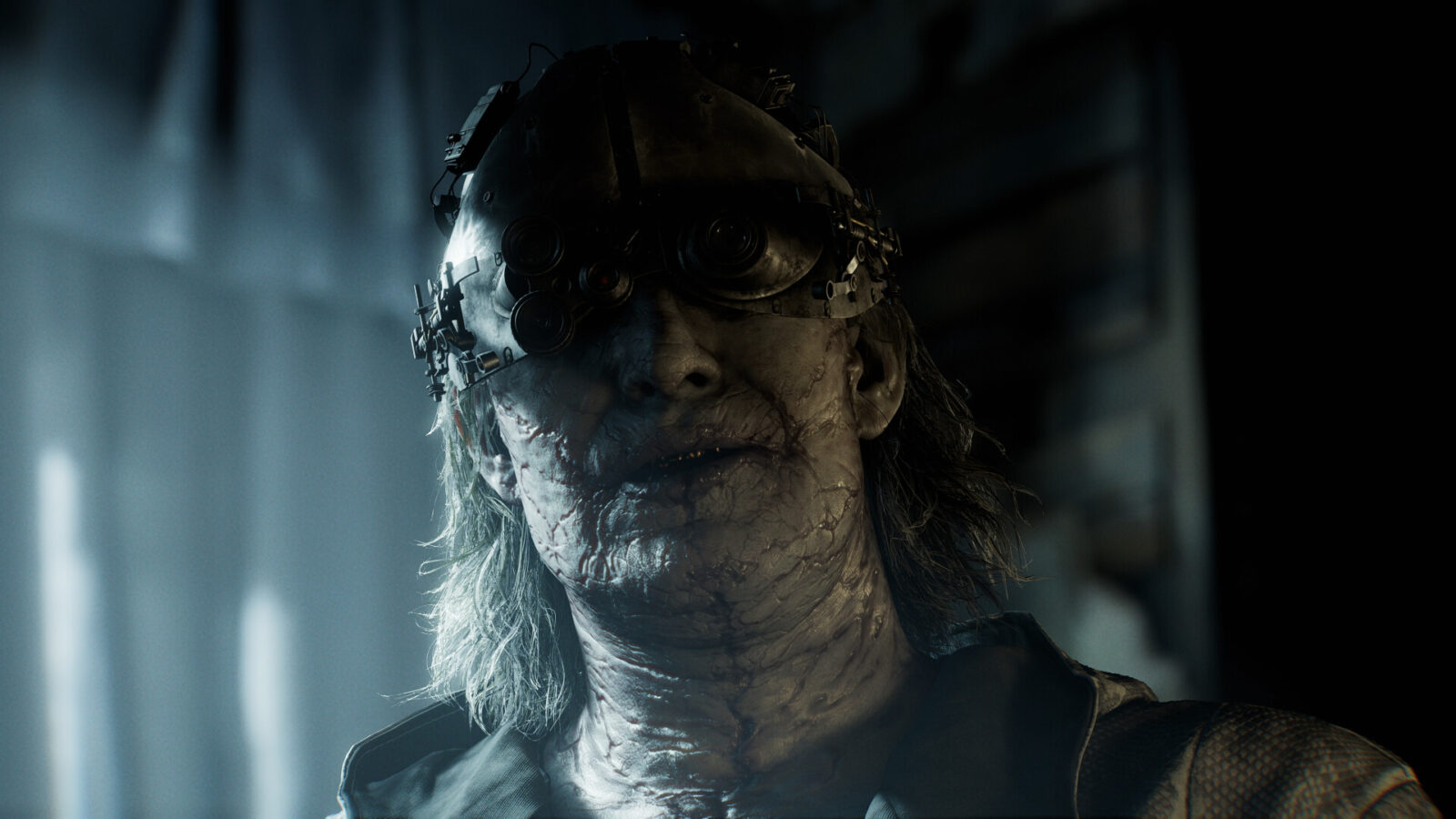
Chunk is not elegant. Chunk is not fast. Chunk is a wall of meat with intent. This stalker doesn’t chase you so much as occupy all available space, slowly but relentlessly advancing until panic does the rest. He bursts through walls, blocks corridors entirely, and forces you to learn the environment in a way that feels organic rather than scripted. You don’t escape Chunk by being quick—you escape by being smart, using level loops and safe rooms that make sense in-world. He can’t fit through doors. That’s it. That’s the rule. And it’s terrifying.
What really impressed me is that Chunk isn’t alone. Requiem doesn’t hinge its tension on a single Mr. X or Nemesis-style threat. Instead, it seems to populate its spaces with multiple stalkers, each guarding different areas, each behaving differently. It keeps the fear dynamic. You never fully settle.
Grace’s vulnerability is further reinforced by mechanics like Blister Heads, a reinvention of Crimson Heads that punishes sloppy corpse management. Leave a body unattended and it might come back worse. To counter this, Grace gets the Hemolytic Injector, which turns the absurd amount of blood lying around into a resource. It’s gross, clever, and very Resident Evil.
The real magic happens when the game hands control back to Leon and lets you revisit spaces you previously crawled through as Grace. Suddenly, the Care Center feels smaller. Chunk feels less like an unstoppable force and more like a problem to solve with explosives and steel. The same encounter that had me hiding and rerouting as Grace became a shotgun-blasting, hatchet-throwing slugfest as Leon. The contrast isn’t just mechanical; it’s philosophical. To Grace, these monsters are nightmares. To Leon, they’re obstacles.
Perspective options reinforce this duality. You can play both characters in first or third person, but it’s clear the game has opinions. Leon feels best in third person, grounded and physical. Grace shines in first person, where every footstep feels too loud and every corner too close. The choice is there, but the intent is obvious, and I respect Capcom for trusting players to feel that rather than forcing it.
This year marks the 30th anniversary of Resident Evil, and Requiem feels like a celebration that isn’t afraid to remix the hits. It pulls from the tension of Resident Evil 7, the structure of Resident Evil 2, and the bombast of Resident Evil 4, then stitches them together with surprising elegance. What I expected to feel disjointed instead feels deliberate, playful, and confident.
After three hours, I didn’t want reassurance. I wanted more time. That’s the highest compliment I can give a preview.
Final verdict (preview):
Resident Evil Requiem feels like Capcom firing on all cylinders, blending action, survival horror, humor, and legacy into something that feels both celebratory and genuinely new. The contrast between Leon and Grace isn’t a gimmick—it’s the backbone of the experience, and it works beautifully.