


TL;DR: Bridgerton Season 4 Part 2 delivers a hard-earned fairy tale for Benedict and Sophie, subverts expectations with Violet’s fiercely independent choice, devastates viewers with John’s sudden death, and reignites chaos with a new Lady Whistledown. It is romantic, strategic, emotionally bruising, and perfectly primed to launch Season 5 into even riskier territory.
Bridgerton Season 4 Part 1
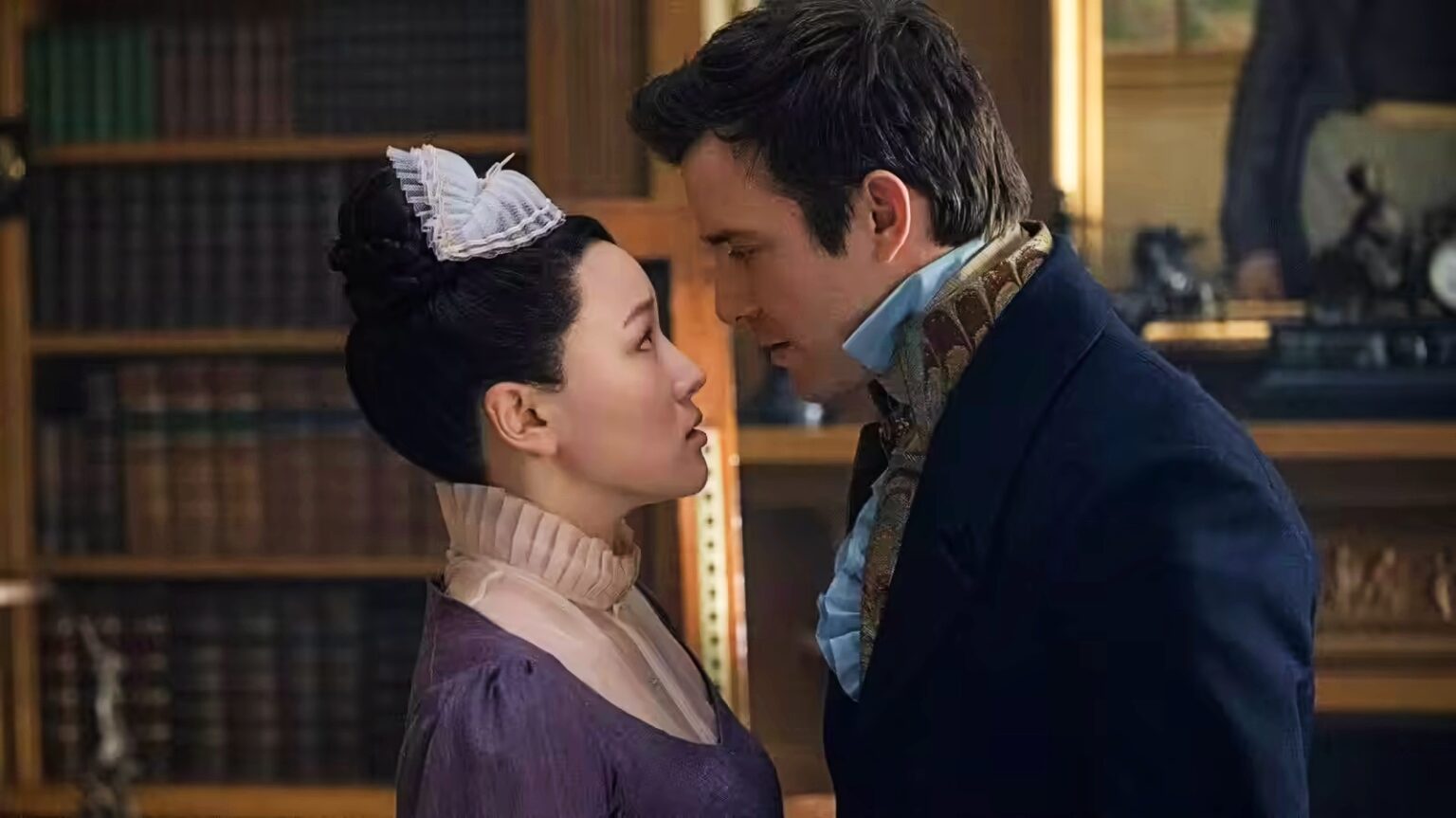
Bridgerton Season 4 Part 2 ending explained. There, I said it plainly, because if you just finished bingeing the second half of this season on Netflix the way I did, you are not here for a polite recap. You are here because your brain is still marinating in corsets, scandal sheets, wrongful imprisonment, and one extremely strategic matriarchal power move. Season 4 Part 2 doesn’t just wrap up Benedict and Sophie’s romance. It detonates it, rebuilds it from the ashes, and then casually reshuffles the emotional hierarchy of the entire Bridgerton family while it’s at it.
Let’s start with the headline event: the fate of Benedict Bridgerton and Sophie Baek. If Part 1 left us in romantic purgatory, Part 2 drags that tension through broken glass before delivering the payoff. Their central conflict was never about chemistry. It was about class, power, and the suffocating expectations of the Ton. Benedict, the bohemian Bridgerton who pretends he’s above aristocratic nonsense, still benefits from the system. Sophie, the illegitimate daughter of a nobleman forced into servitude, exists outside it. And she refuses to be anyone’s mistress. That line in Part 1 wasn’t just romantic stubbornness. It was a boundary. A declaration of self-worth.
Part 2 escalates everything by putting Sophie in literal chains. Her arrest, orchestrated by her stepmother Araminta under accusations of theft and impersonation, shifts the tone from fairy tale to social thriller. For a moment, I genuinely wondered whether the show might let this romance fail. The optics were brutal. A Bridgerton marrying a maid? The Ton would feast on that scandal for decades. Sophie in prison forces Benedict to confront whether his romantic idealism has teeth or whether it collapses under pressure.
And this is where Violet Bridgerton proves she is the quiet MVP of the entire franchise. By declaring Sophie Benedict’s fiancée, she engineers a legal maneuver that secures Sophie’s release into Bridgerton custody. It is not loud. It is not dramatic. It is devastatingly strategic. Violet understands the system better than anyone. If society won’t protect Sophie, she will weaponize society against itself.
The revelation that Araminta embezzled Sophie’s dowry flips the power dynamic in one satisfying twist. Suddenly, Sophie isn’t just a maid accused of stealing shoe clips. She’s the wronged daughter of Lord Penwood with a financial paper trail of fraud behind her stepmother. The Bridgertons don’t dismantle the class system. They outmaneuver it. They construct a socially digestible narrative that reframes Sophie’s lineage just enough to secure Queen Charlotte’s approval. It’s not revolution. It’s infiltration.
The wedding in the post-credits scene feels earned because it cost something. Even Anthony’s reluctant admission that he misjudged Benedict lands as growth rather than convenience. For once, the family’s unity doesn’t feel automatic. It feels chosen. Bridgerton Season 4 Part 2 gives us the fairy tale, but it makes sure we understand the machinery behind it.
While the central romance gets its happily ever after, Violet’s storyline delivers one of the season’s most quietly radical choices. Her engagement to Lord Marcus Anderson initially feels like narrative symmetry. The widowed matriarch finds love again. Clean. Elegant. Predictable. But when she ultimately withdraws her acceptance, the show swerves into something far more interesting.
Violet doesn’t reject Marcus because she lacks affection. She rejects him because she refuses to surrender the independence she has carved out. Over four seasons, we have watched her evolve from grieving widow to self-aware matriarch who occasionally prioritizes her own desires. Her choice reframes the season’s thesis. Marriage is not the only form of fulfillment. In a show built on courtship as endgame, that lands like a quiet rebellion.
Then comes the emotional body blow: John Stirling’s sudden death. No prolonged illness arc. No drawn-out bedside confession. Just a headache callback and then silence. For Francesca Bridgerton, the devastation is immediate and disorienting. The randomness of it makes it feel cruel in a way Bridgerton rarely allows itself to be. It is a reminder that not every love story in this universe is protected by narrative inevitability.
John’s death is not just tragedy. It is narrative catalyst. The groundwork for Francesca’s future with Michaela has been simmering all season. Unlike the books, where Francesca’s feelings develop later, the show plants the spark early. Their chemistry exists before widowhood. That choice reframes Francesca’s journey as one of identity discovery rather than simple second-chance romance. And given the Ton’s rigid social codes, a same-sex relationship introduces a conflict far more explosive than class disparity.
Season 4 Part 2 doesn’t resolve that arc. It prepares us for it. And that preparation feels deliberate.
As if emotional devastation weren’t enough, the show resurrects chaos in the form of a new Lady Whistledown. Penelope Featherington stepping away from her gossip empire felt like definitive closure. She secured Queen Charlotte’s approval. She evolved beyond anonymous scandal. So when a fresh Whistledown pamphlet appears, it lands like a Regency-era jump scare.
The identity remains unknown, and that ambiguity is the point. Eloise is the obvious suspect, but obvious is rarely how this show operates. Cressida’s return complicates the board, though her previous failed impersonation makes her an unlikely mastermind. By reintroducing Whistledown as a destabilizing force, the series ensures that even in moments of romantic triumph, surveillance and social manipulation remain alive and well. Gossip is the Ton’s bloodstream. Remove it, and the show loses propulsion.
Which brings us to Season 5. All narrative arrows seem to point toward Eloise. Throughout Season 4, she drifts at the edges of conversations about marriage and domestic bliss. She is not jealous. She is not desperate. She is unmoored. The loneliness is subtle but persistent. The wedding post-credits scene frames her not as envious, but as contemplative. She stands at a crossroads between intellectual independence and emotional isolation.
Bridgerton Season 4 Part 2 closes Benedict and Sophie’s chapter with satisfying finality, but it opens three new rebellions. Violet choosing autonomy over remarriage. Francesca confronting grief and forbidden attraction. Eloise hovering on the brink of her own transformation. And somewhere in the shadows, a new Whistledown sharpening her quill.
This season operates with more confidence than ever. The emotional arcs feel layered rather than rushed. The social commentary is sharper. The romantic payoff is earned. A few plot mechanics rely on convenient timing, particularly in how swiftly Araminta’s financial crimes surface, but the emotional authenticity carries the weight.