


The latest generation of the Mercedes-Benz GLB arrives positioned as a more flexible, more digitally connected compact SUV, but underneath the extensive press language is a model refresh that focuses on incremental practicality, expanded EV capability and a newly consolidated software strategy. The GLB returns in five- and seven-seat layouts, retaining its role as a family-oriented vehicle, while adopting a longer wheelbase, revised interior and a broader mix of battery-electric and hybrid drivetrains.
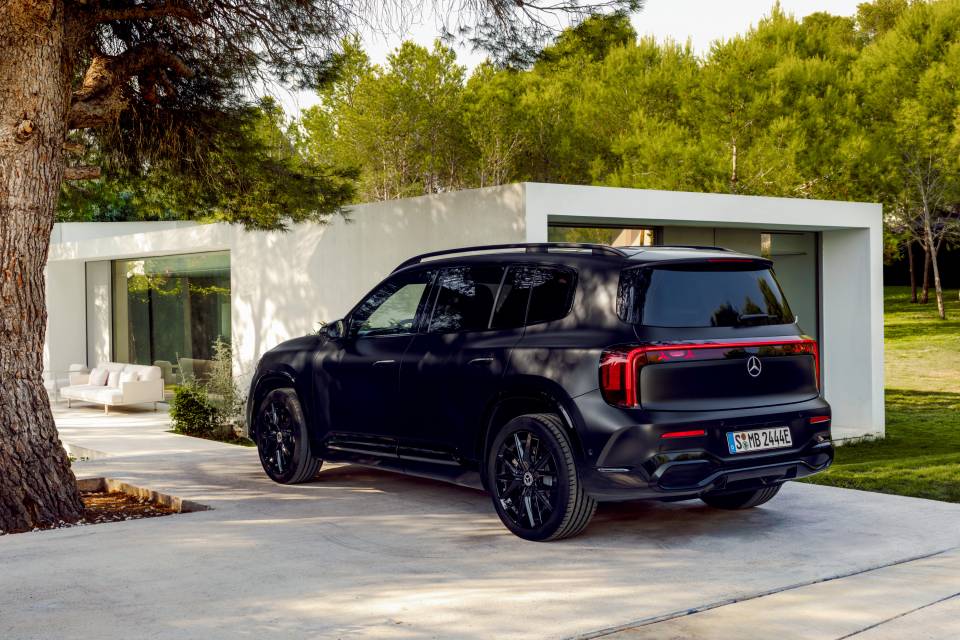
For 2026, the electric GLB range launches with the GLB 250+ and the GLB 350 4MATIC, both equipped with an 85 kWh usable battery and an 800-volt architecture that enables notably short DC charging sessions. Under ideal WLTP conditions, the 250+ is rated for up to 631 km of range and can recover up to 260 km in roughly ten minutes at peak charging power. These figures place the vehicle competitively within its segment, even if real-world results will likely vary depending on temperature, load and driving conditions. Mercedes plans to expand the range with additional electric variants, including an entry model and later a hybrid line, acknowledging that many global markets still require multiple driveline options during the transition to electrification.
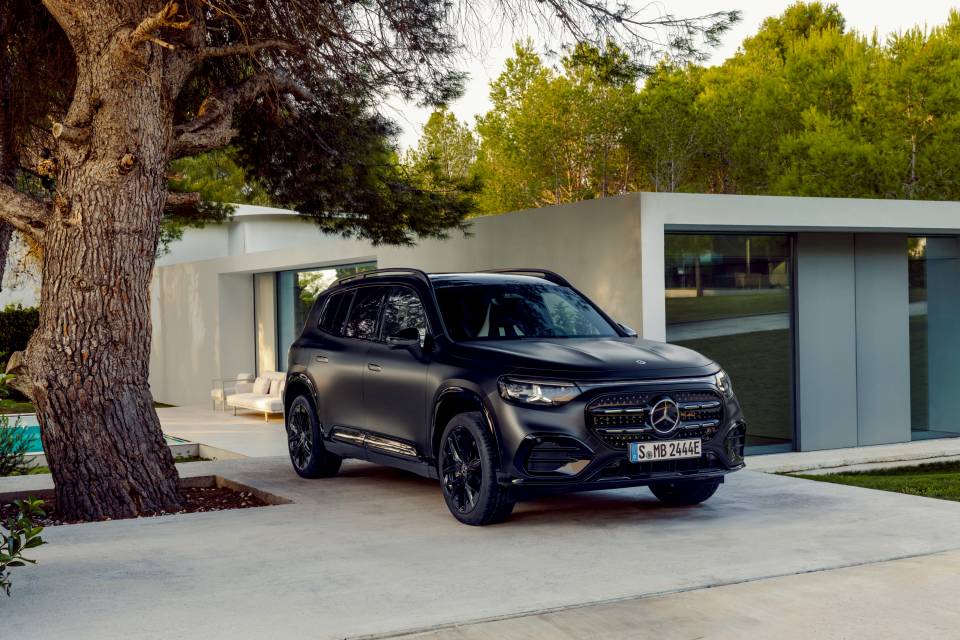
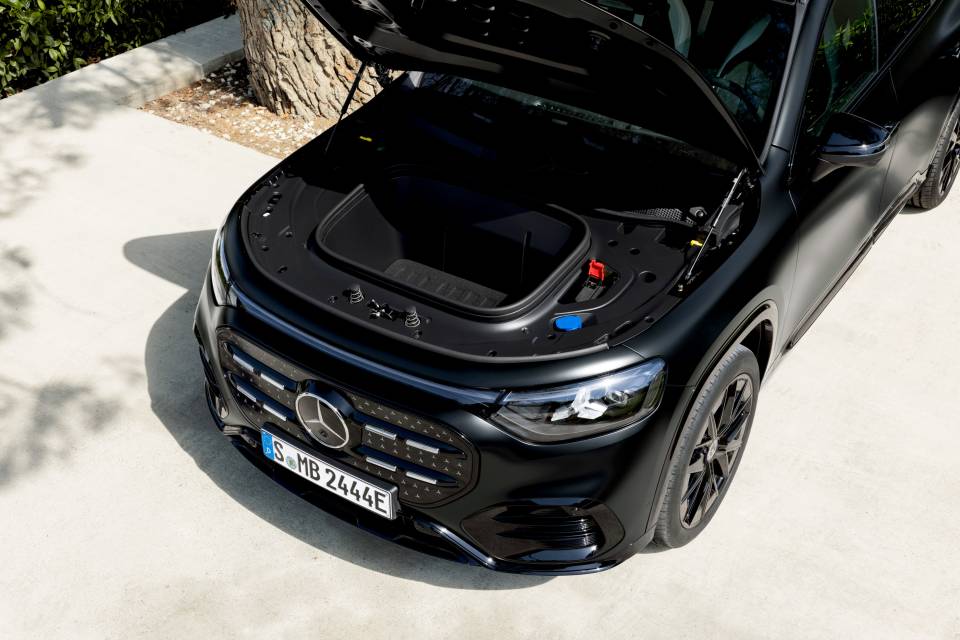
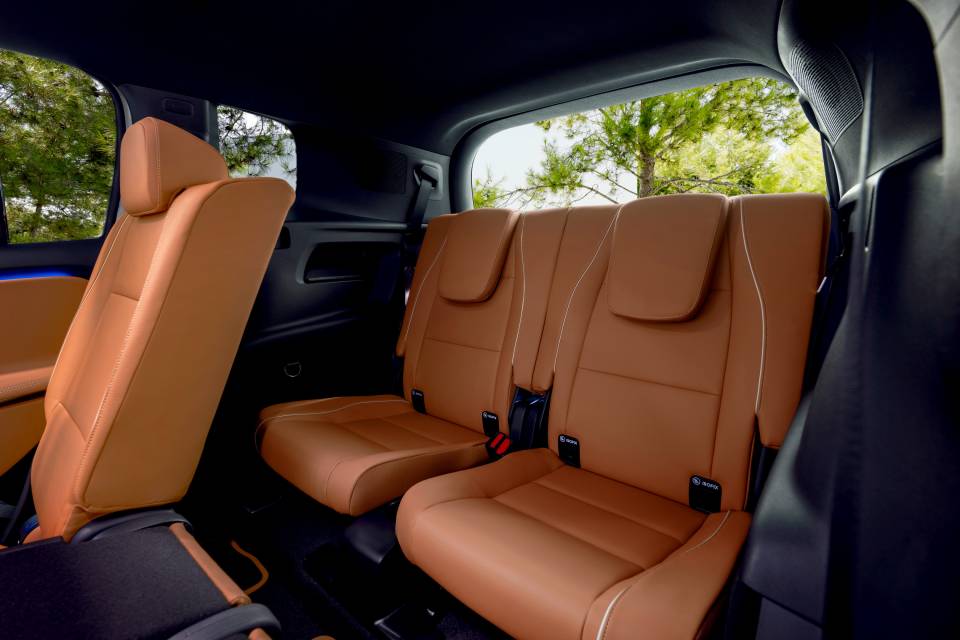
Space remains one of the GLB’s main selling points. Headroom and legroom increase across the first two rows, and even third-row access improves slightly, though the rearmost seats still cater primarily to smaller passengers. A larger frunk supplements a boot rated at up to 540 litres in the five-seat configuration, expanding to over 1,700 litres with seats folded. Practical upgrades extend to off-pavement capability in the 4MATIC versions, which add a terrain mode and a camera-based “transparent bonnet” view to support low-speed manoeuvring.
The model’s shift toward more sophisticated software is notable. The GLB adopts the new MB.OS operating system, which unifies infotainment, driver assistance and over-the-air update capability. The optional superscreen spans the cabin and integrates a more customisable MBUX interface that borrows elements from smartphone UI logic. A new virtual assistant uses multiple AI agents from Google and Microsoft to handle navigation, general knowledge requests and car-related information in more conversational dialogue. While the system promises flexibility, it also introduces dependence on cloud connectivity and third-party integrations—areas where long-term support will matter as much as launch features.
Driver-assistance systems are now packaged under the MB.DRIVE label and vary by region. The hardware suite includes multiple cameras, radar and ultrasonic sensors paired with a high-performance computer designed for future feature expansions. Optional upgrades add functions such as enhanced lane-change assistance and expanded urban-traffic support, although many features depend on local regulations and may roll out at uneven pace globally.
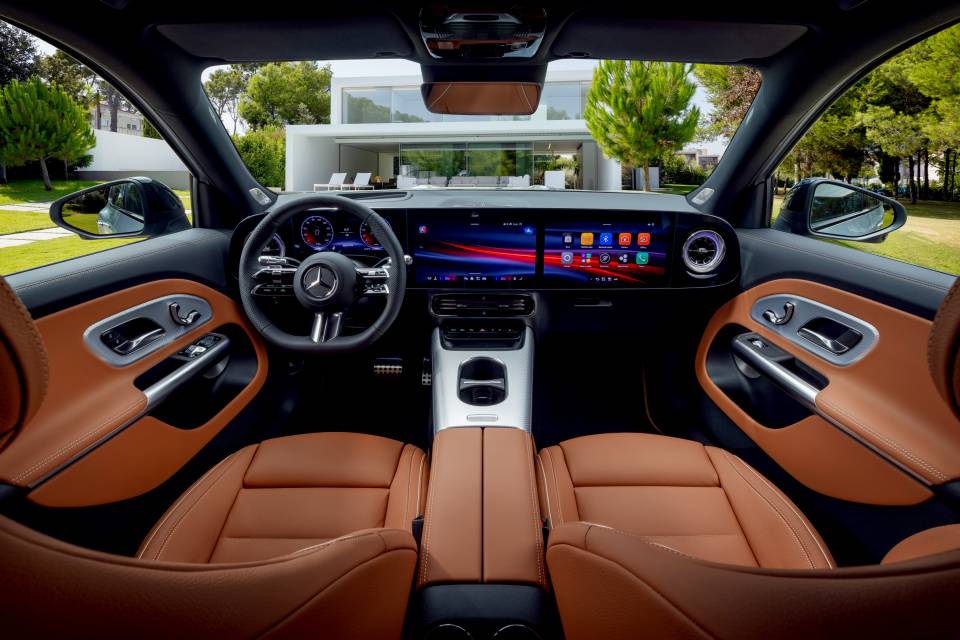
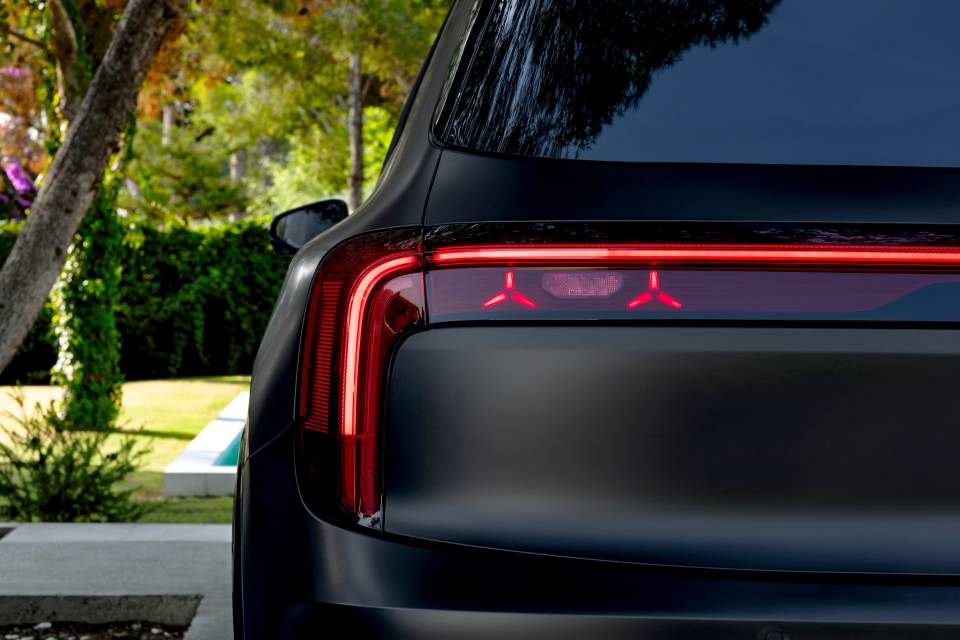
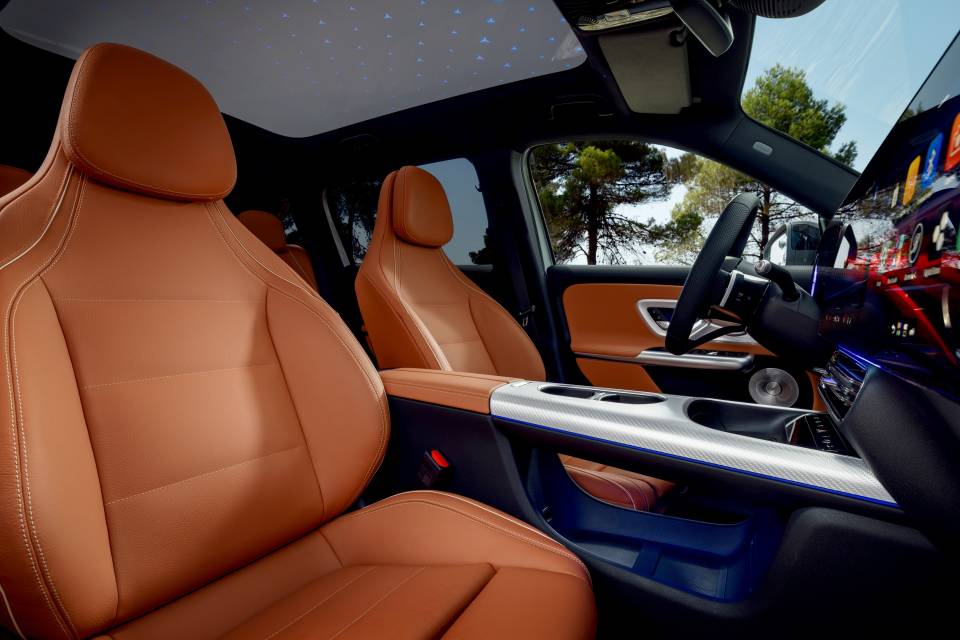
Design changes lean toward cleaner surfacing, slimmer lighting and a more upright SUV stance. Aerodynamics receive minor refinements, contributing to a drag coefficient of 0.28. Inside, the layout shifts to a more minimal arrangement, with floating elements, expanded ambient lighting options and updated materials. Sound-system upgrades, including optional Burmester 3D audio and new configurable soundscapes, follow the industry trend of treating in-car audio as part of the broader digital experience.
Charging services also receive a strategic update through MB.CHARGE Public, which consolidates public-charging access, billing and cost visibility under one interface. Mercedes continues to expand its global charging presence through joint ventures, while offering green-energy certificates in several regions to offset fossil-based grid energy. Bidirectional charging will arrive later as an over-the-air update, though availability will depend on market-specific rules and infrastructure readiness.
Across the drivetrain lineup, the hybrid models arriving after the EV variants combine a 48-volt system with a compact electric motor integrated into an eight-speed dual-clutch transmission. These hybrids can drive short distances electrically, recuperate more efficiently and offer smoother low-speed transitions. Their design underscores a pragmatic approach: even as the GLB’s electric versions take the spotlight, many markets will continue leaning on hybridised combustion engines for years.
Viewed as a full package, the 2026 GLB emphasises usability: more space, shorter charging times, a more coherent software stack and moderate improvements to refinement and safety. Rather than breaking new ground, the update aims to keep the GLB competitive in a segment where compact electric SUVs increasingly resemble multipurpose family cars with extended digital ecosystems. The model’s success will hinge less on headline features and more on long-term software reliability, charging-network performance and how well its varied drivetrains match different regional expectations.