
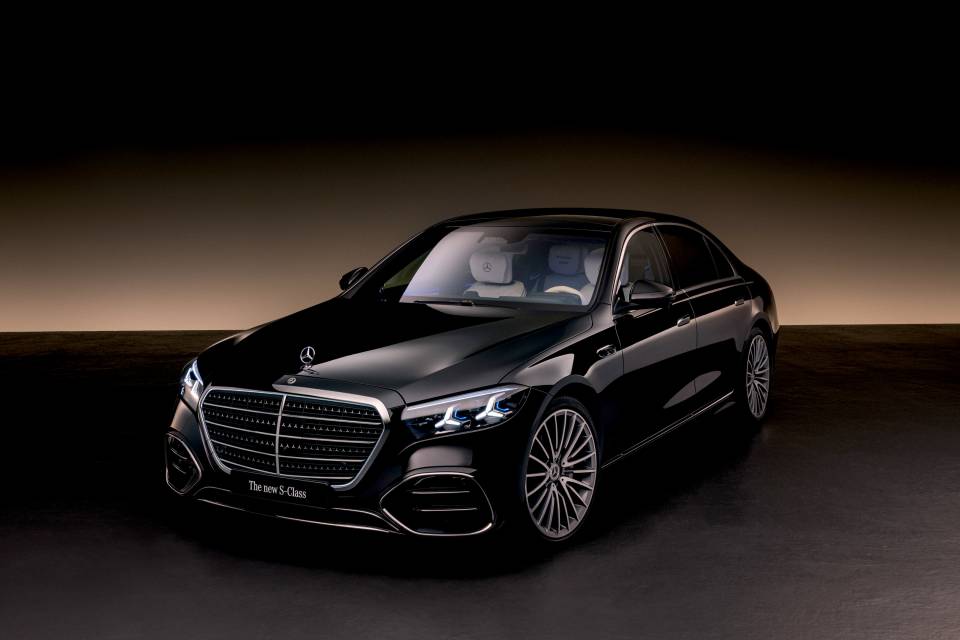
The latest update to the Mercedes-Benz S-Class represents one of the most extensive mid-cycle revisions the model has seen in recent decades. More than half of the vehicle’s components have been newly developed or substantially revised, reflecting a clear effort to modernise the flagship saloon without altering its core identity. While Mercedes-Benz frames the update around its long corporate history, the more relevant story is how the S-Class continues to adapt to shifting expectations around digital systems, comfort, and assisted driving in the upper luxury segment.
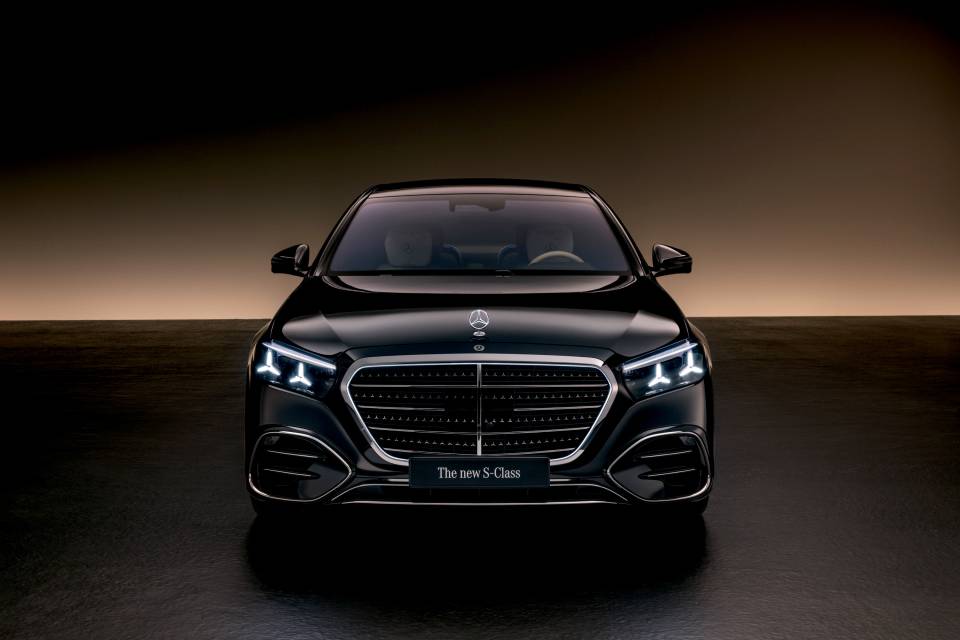
Externally, the S-Class adopts a slightly more assertive appearance through revised lighting elements and grille design. The optional illuminated bonnet emblem and enlarged grille are visually noticeable, particularly at night, but remain restrained compared with some rivals. Updated DIGITAL LIGHT headlamps expand the illuminated field and improve precision through micro-LED technology, enhancing night-time visibility without fundamentally changing the car’s character. These lighting upgrades are as much about safety and functionality as they are about visual identity.
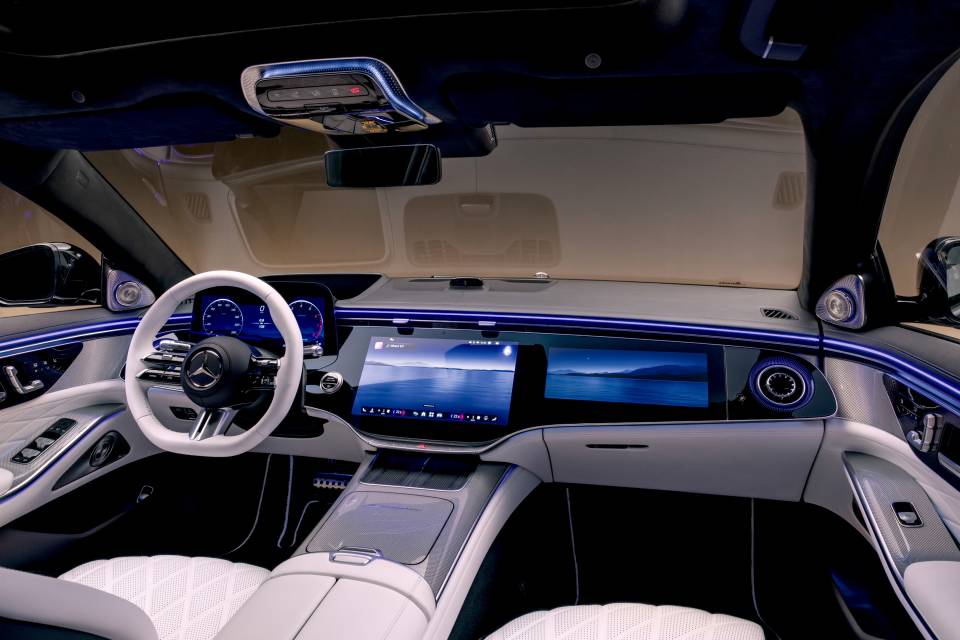
Inside, the changes are more substantial. The standard MBUX Superscreen integrates driver and passenger displays under a single glass surface, reinforcing Mercedes-Benz’s shift toward software-led cabin design. The system runs on the new MB.OS architecture, which consolidates infotainment, assistance, and vehicle functions into a unified digital platform capable of over-the-air updates. Voice control has been expanded through generative AI integration, allowing for more natural dialogue, though real-world usefulness will depend on how reliably it performs outside controlled demonstrations.
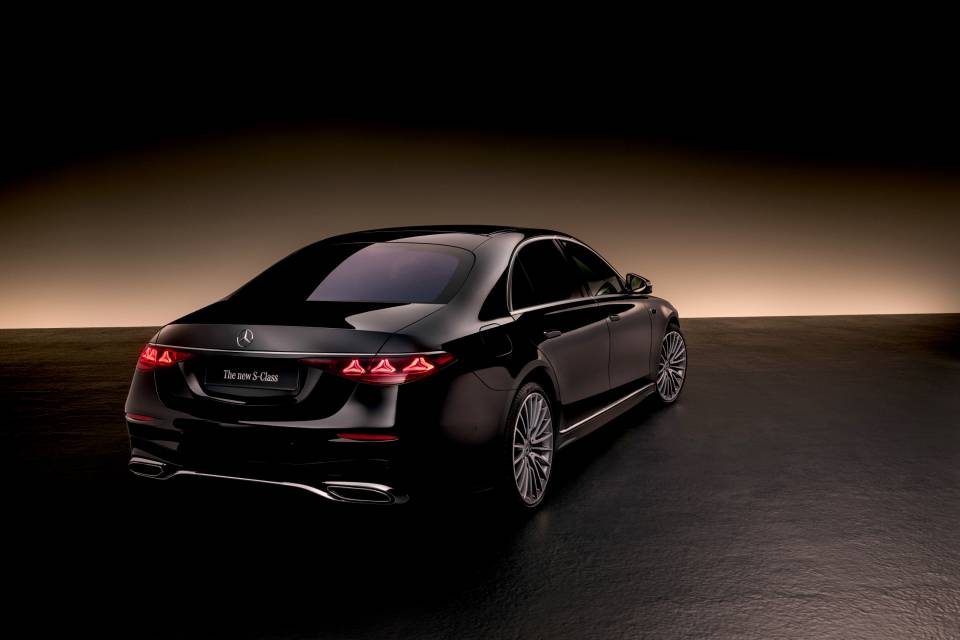
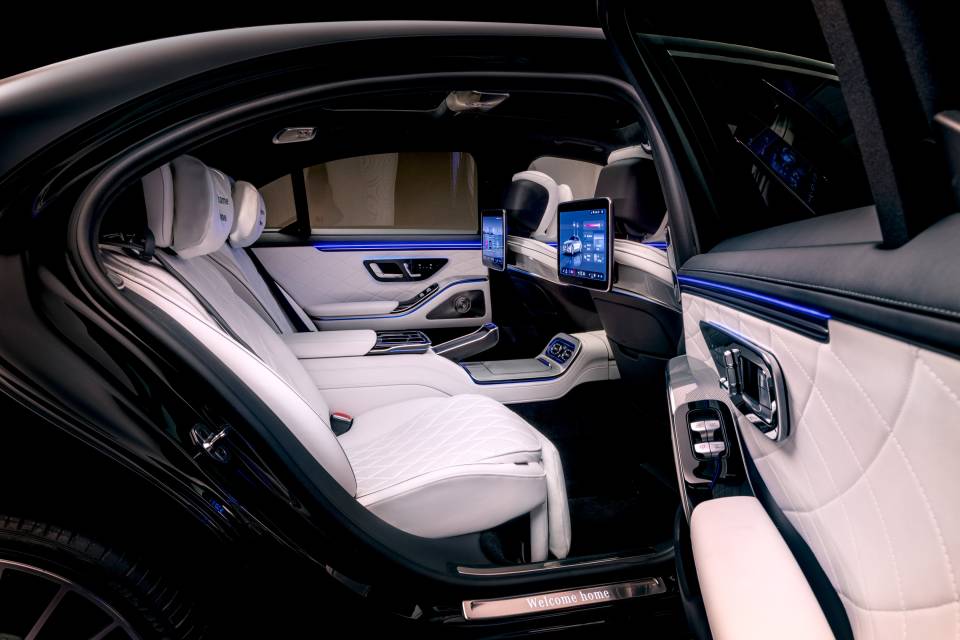
Rear-seat comfort remains central to the S-Class proposition. New rear entertainment screens, detachable control units, and optional first-class seating configurations position the car as both a long-distance cruiser and a mobile workspace. Features such as in-car video conferencing and productivity apps underline the brand’s assumption that many owners will be chauffeured, particularly in key global markets.
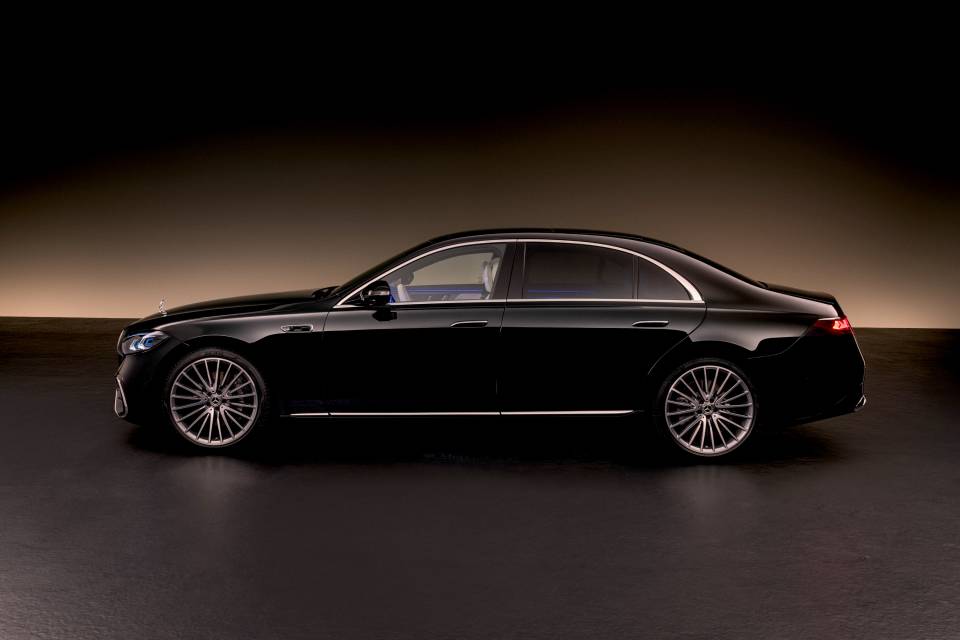
Mechanical updates focus on refinement rather than reinvention. Revised six- and eight-cylinder engines, along with updated plug-in hybrid options, aim to balance performance with regulatory demands. Mild-hybrid systems and improved exhaust aftertreatment contribute to smoother operation and reduced emissions, while standard rear-axle steering improves manoeuvrability in urban environments. Suspension upgrades using predictive damping and cloud-based data are designed to improve ride comfort on uneven roads, especially for rear passengers.
Safety remains a defining element of the S-Class, with enhancements to driver assistance systems, expanded airbag coverage, and refined PRE-SAFE technologies. The availability of the S-Class GUARD variant with certified civilian ballistic protection further reinforces the model’s role in government and security-focused use cases.
Overall, the updated S-Class does not attempt to radically redefine luxury saloon norms. Instead, it consolidates Mercedes-Benz’s strengths in comfort, safety, and technology while cautiously integrating new digital capabilities. For buyers seeking a traditional flagship experience supplemented by modern software and assistance systems, the latest S-Class remains a measured, if increasingly complex, interpretation of contemporary luxury motoring from Mercedes-Benz.