

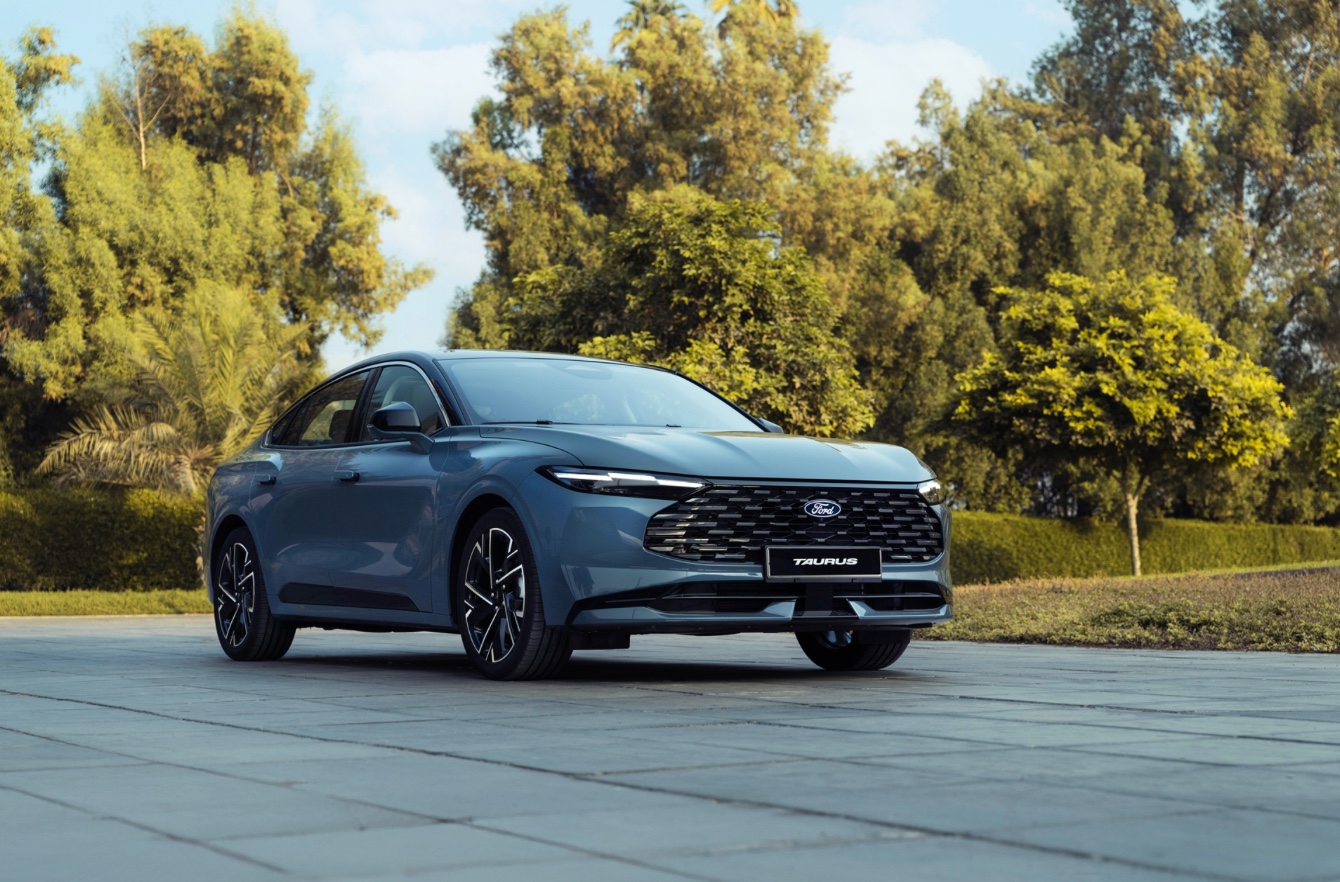
The arrival of the new Ford Taurus in the Middle East reflects a calculated update to a long-running sedan that has historically played a steady role in the brand’s regional lineup. Introduced by Ford Middle East and North Africa in January 2026, the latest Taurus focuses on measurable improvements in design, in-cabin technology, powertrain efficiency, and everyday usability rather than dramatic reinvention. The result is a midsize sedan positioned to meet practical expectations in a market where comfort, reliability, and value remain central purchasing factors.
Visually, the updated Taurus adopts a more contemporary look without straying far from familiar proportions. Reworked front and rear styling, revised lighting elements, and new wheel designs give the car a cleaner, more assertive presence. Additional exterior color options, including brighter metallic finishes, broaden its appeal to buyers seeking more personalization, though the overall approach remains restrained and aligned with the segment’s conventions. Inside, changes are more pronounced. Updated materials, new trim options, and a redesigned center console aim to improve perceived quality and comfort, particularly for drivers who spend extended time in the vehicle.
Technology is one of the areas where the new Taurus makes its strongest case. A 13.2-inch central touchscreen anchors the dashboard and runs the latest SYNC 4A infotainment system, offering wireless smartphone connectivity and a more responsive interface than previous generations. Higher trims add a 10-speaker audio system and expanded camera coverage, while features such as a 360-degree camera are now available earlier in the lineup, reflecting a broader push to make driver aids more accessible.
Powertrain options remain focused on balance rather than extremes. The 2.0-liter EcoBoost engine continues to serve drivers who prioritize straightforward performance, paired with an eight-speed automatic transmission tuned for smooth, predictable delivery. Alongside it, a revised 1.5-liter hybrid option addresses growing interest in fuel efficiency and reduced emissions, particularly in urban driving conditions, without dramatically altering the driving character expected from a conventional sedan.
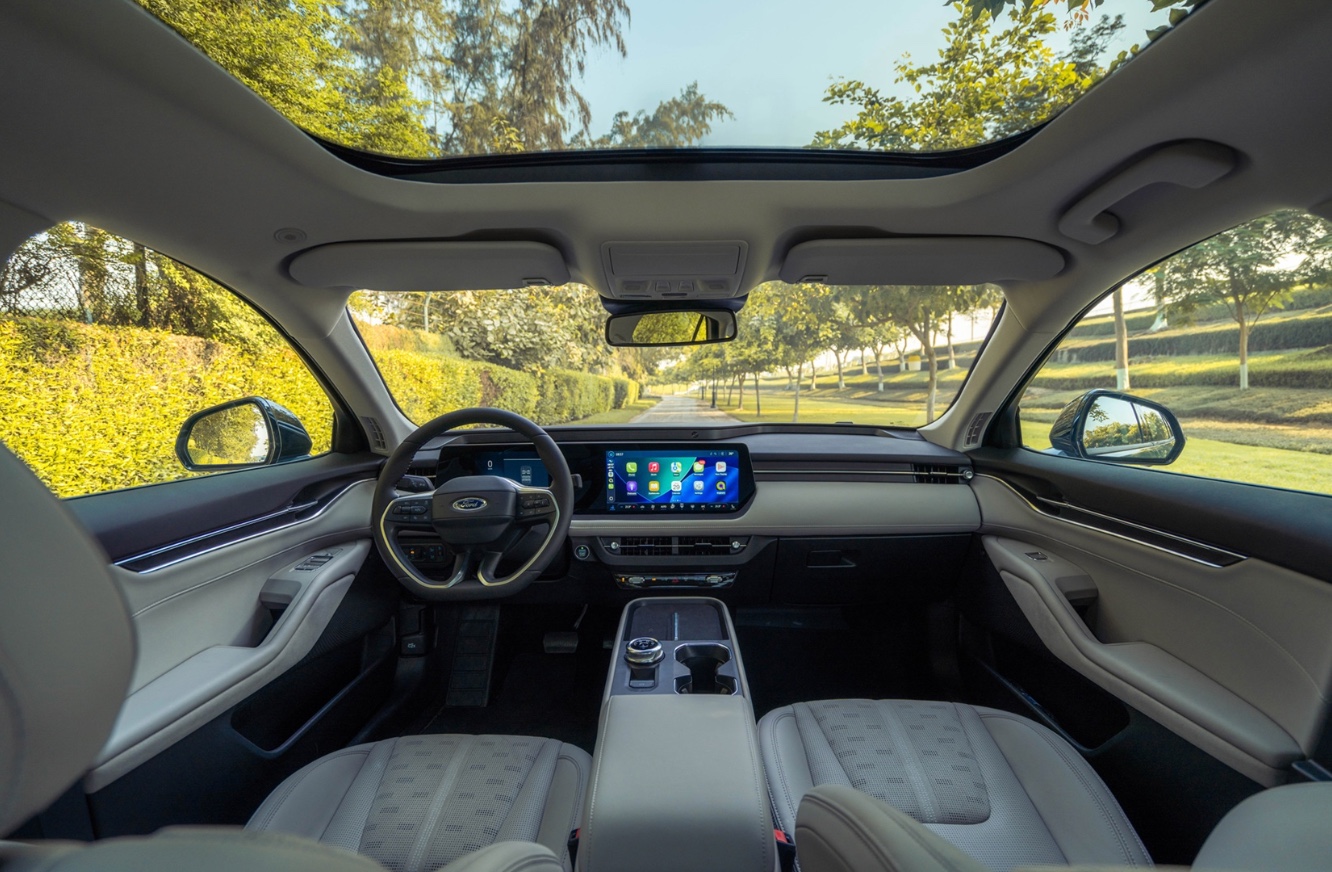
Passenger space and comfort remain key selling points. The cabin offers generous legroom, a usable trunk, and available features such as ventilated seats and a panoramic sunroof, which are particularly relevant in warmer climates. Safety and driver-assistance systems are comprehensive, covering adaptive cruise control, lane support functions, collision mitigation technologies, and enhanced steering assistance for emergency situations.
Connectivity extends beyond the cabin through the Ford Pass app in selected markets, enabling remote vehicle access, status monitoring, and basic convenience functions. While not unique to this model, these tools reflect current expectations for connected ownership.
Overall, the new Ford Taurus positions itself as a sensible evolution rather than a statement car. Its updates focus on practical technology, improved efficiency, and comfort, reinforcing its role as a dependable midsize sedan for Middle Eastern customers rather than attempting to redefine the segment.