
Mercedes-Benz is updating its large SUV lineup with revised versions of the GLS, GLE, and GLE Coupé, focusing on incremental improvements in comfort, software integration, and driver assistance rather than any fundamental shift in design or positioning. The changes reflect how the premium SUV segment continues to evolve, with manufacturers placing more emphasis on digital systems and in-cabin experience alongside traditional performance metrics.
The GLS remains positioned as the brand’s largest SUV, with updates aimed at refining ride quality and interior usability. A revised engine range is expected to deliver improved performance and reduced cabin noise, while suspension updates, including air-based systems and cloud-assisted damping, are designed to smooth out uneven road conditions. Inside, the vehicle adopts a wider digital interface built around a multi-screen layout, including a passenger display. Software updates delivered over time are intended to keep vehicle systems current, a feature that is becoming standard across higher-end vehicles.
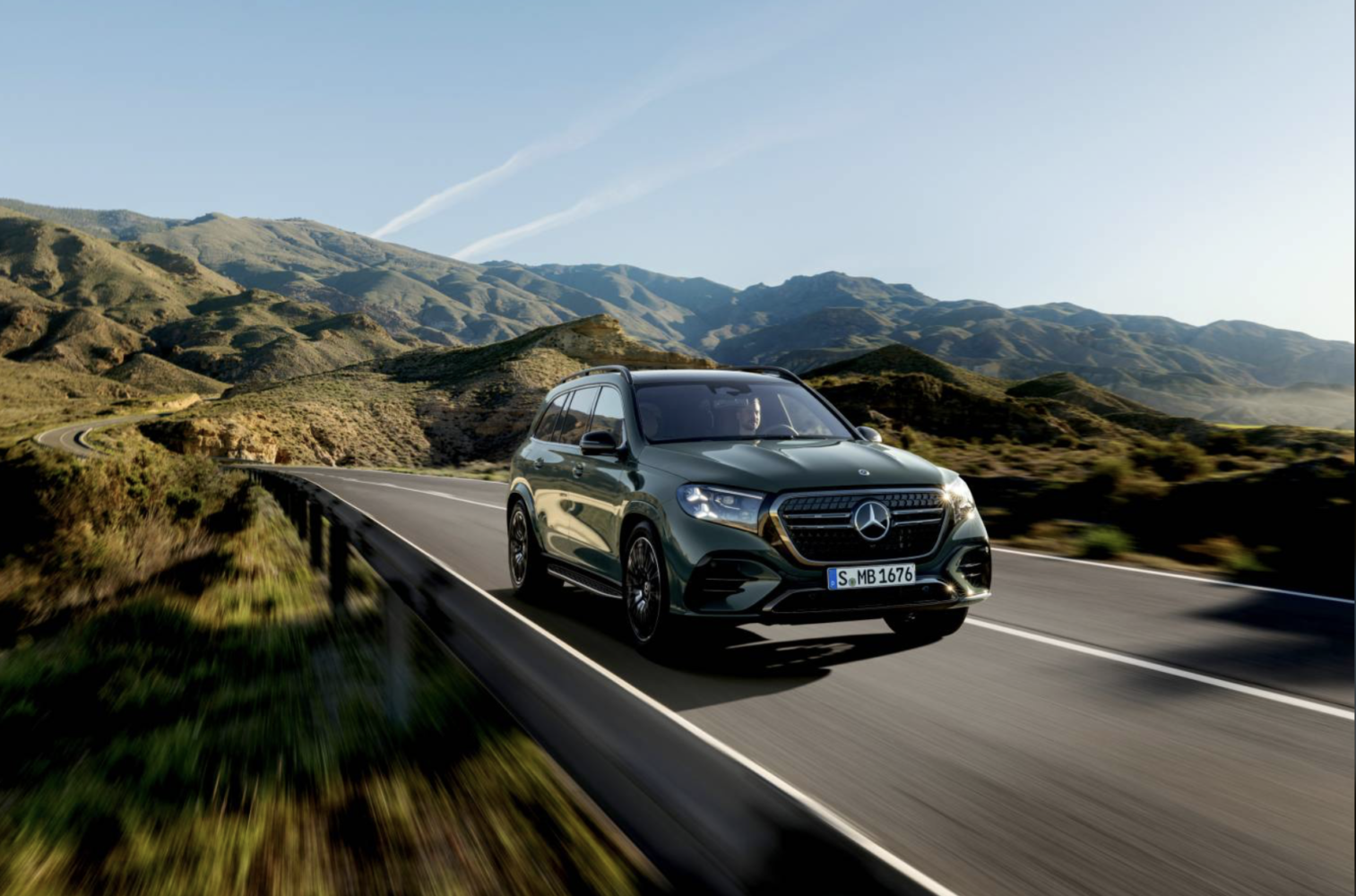
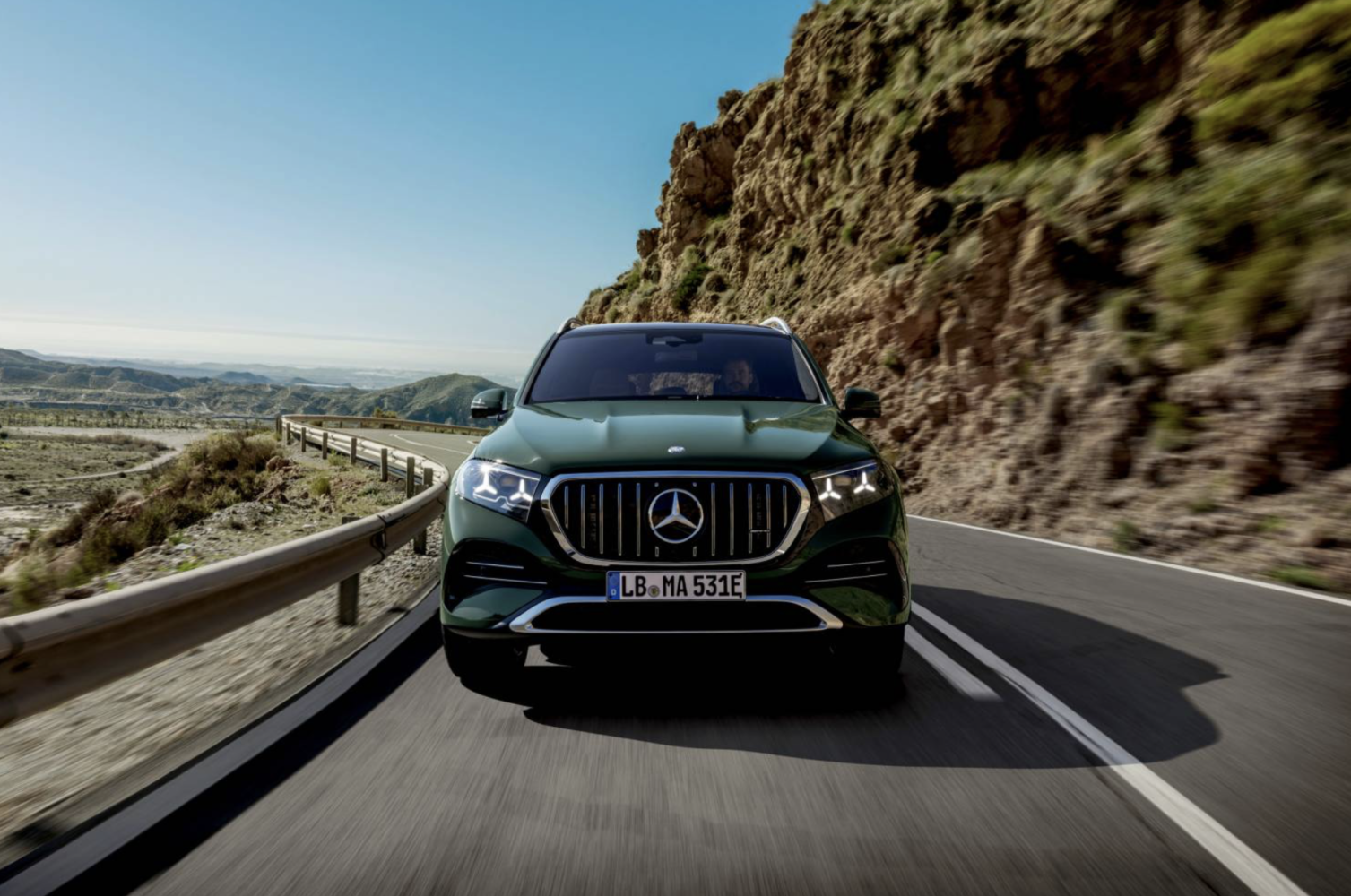
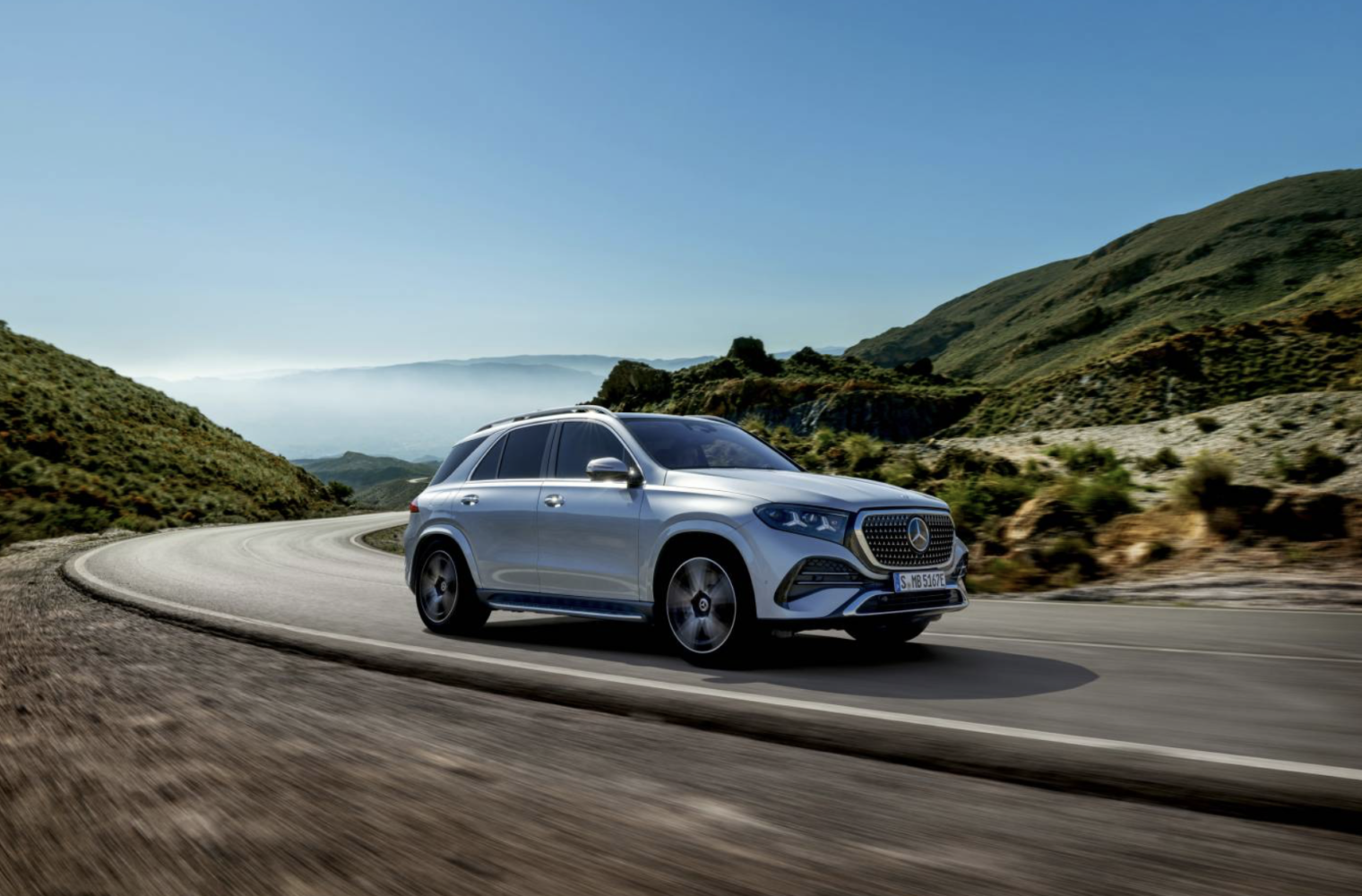
The GLE follows a similar path, building on its role as a mid-size SUV with both on-road and off-road capabilities. Its updates centre on revised powertrains, improved acoustic insulation, and an expanded suite of driver assistance features. Sensor arrays, including cameras and radar systems, support semi-automated driving functions, although these remain dependent on driver supervision. Design changes are relatively modest, with adjustments to lighting elements and grille details rather than a full redesign.
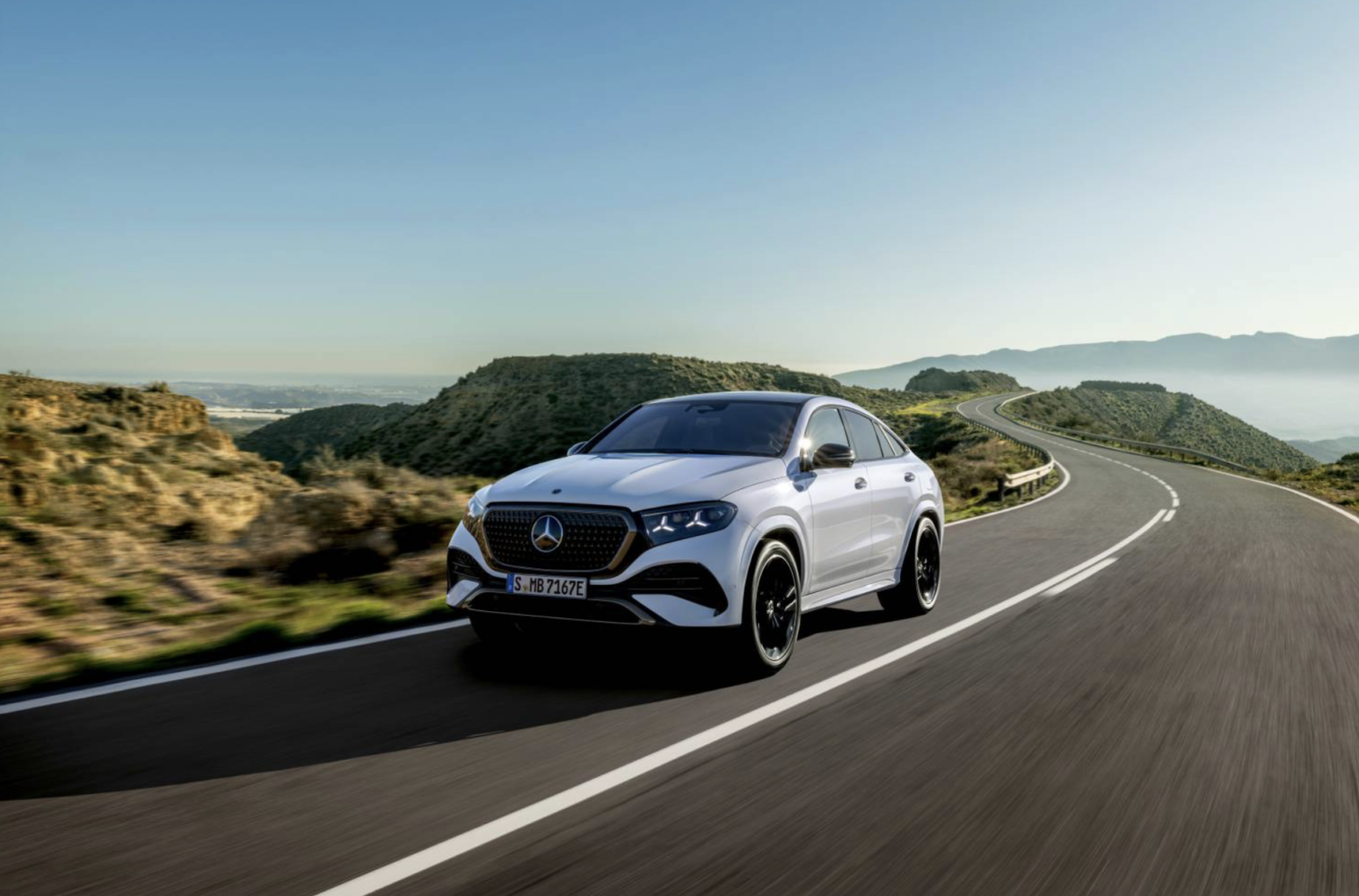
The GLE Coupé, which blends SUV proportions with a more sloped roofline, introduces similar technical upgrades with an emphasis on styling and in-car technology. The model incorporates a sensor network that can include dozens of inputs, enabling adaptive safety systems and real-time environmental monitoring. Its suspension system uses predictive data to adjust damping before encountering road irregularities, contributing to a smoother ride, particularly over speed bumps and uneven surfaces.
Across all three models, Mercedes-Benz is standardising a digital platform that integrates vehicle functions through a central operating system. This system supports over-the-air updates and more advanced voice interaction, reflecting a broader industry shift toward software-defined vehicles. Interior features such as large panoramic roofs and upgraded air filtration systems also point to a growing focus on passenger comfort and cabin environment, particularly in markets where long-distance driving is common.
Performance variants under the AMG badge continue to be part of the lineup, including electrified configurations that combine traditional internal combustion engines with hybrid systems. These setups aim to balance higher output with improved efficiency, although they also add complexity and cost.
Overall, the updates to the GLS, GLE, and GLE Coupé suggest a steady evolution rather than a major overhaul. The emphasis on software, connectivity, and ride refinement highlights where competition in the premium SUV segment is currently focused, as manufacturers respond to changing expectations around technology and everyday usability.