



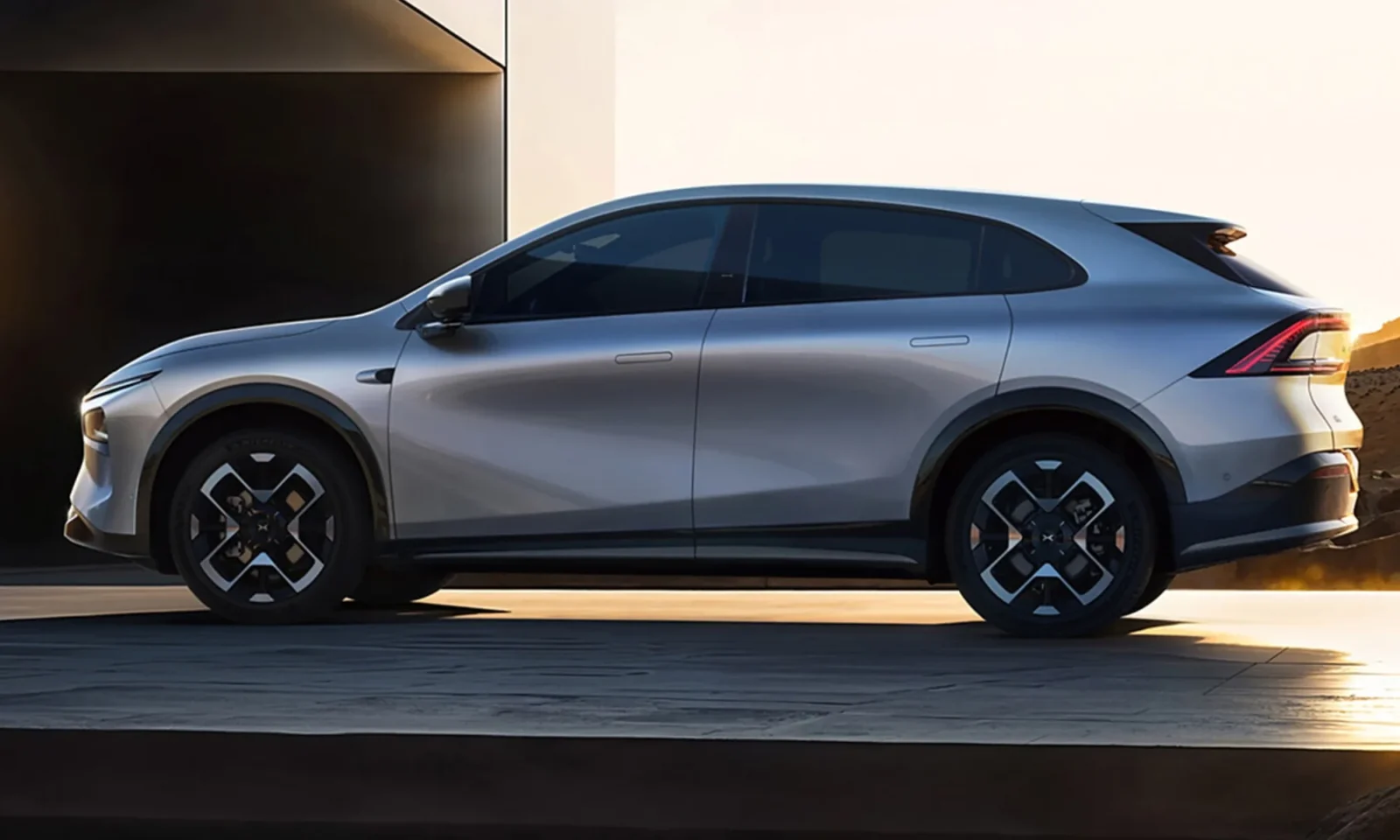
A new range-extended electric SUV from XPeng Motors is attracting attention for an unusually long claimed driving distance, highlighting an alternative approach to electric mobility that prioritizes flexibility over full dependence on charging networks. The vehicle, known as the G7 EREV, combines electric propulsion with a gasoline-powered generator, allowing it to travel far beyond the range of conventional battery-electric SUVs.
The G7 EREV is built around an extended-range electric vehicle architecture rather than a traditional hybrid setup. It uses a 58.8 kWh battery pack that XPeng says can deliver up to 400 kilometers of all-electric driving under test conditions. Once the battery charge is depleted, a 1.5-liter turbocharged four-cylinder gasoline engine switches on to generate electricity, not to drive the wheels directly. Paired with a 60-liter fuel tank, this configuration allows the vehicle to continue operating as an electric car while replenishing energy on the move.
When the battery and fuel systems are combined, XPeng claims a total driving range of approximately 1,705 kilometers. That figure exceeds what is currently achievable by production battery-electric SUVs and is intended to address ongoing concerns around long-distance travel, especially in regions where fast-charging infrastructure is still inconsistent.
The G7 EREV also uses an 800-volt electrical architecture designed to support high-rate charging. On compatible fast chargers, XPeng says the system can add close to 315 kilometers of range in around 12 minutes. As with any fast-charging claim, real-world results will depend on charger availability, temperature, and battery conditions, but the specifications suggest an effort to minimize downtime during longer journeys.
It is important to separate these claims from records set by battery-only vehicles. In mid-2025, the Lucid Air Grand Touring set a Guinness World Record for the longest journey completed by a pure electric vehicle on a single charge, covering roughly 1,200 kilometers. That achievement relied entirely on stored battery energy, without any onboard fuel-powered generator.
Pure electric vehicles such as the Tesla Model Y and the Tesla Model S Long Range typically offer rated ranges of around 500 kilometers and just over 600 kilometers, respectively. While long trips are possible, they still depend on charging stops and route planning. Extended-range EVs take a different path by maintaining electric drive while using a combustion engine purely as an energy backup.
This approach is gaining traction beyond China. Ford Motor Company has confirmed plans to introduce a range-extended version of its next-generation F-150 Lightning, suggesting wider industry interest in bridging the gap between pure EVs and traditional vehicles.
In China, the G7 EREV is priced between approximately $28,000 and $29,500 at current exchange rates. XPeng has stated that it plans to introduce the model in overseas markets, including Europe and the Americas, although no firm timeline has been announced. Whether extended-range EVs become a long-term solution or a transitional technology remains to be seen, but vehicles like the G7 indicate that hybridized electric systems may play a significant role in the near-term evolution of long-distance electric travel.