
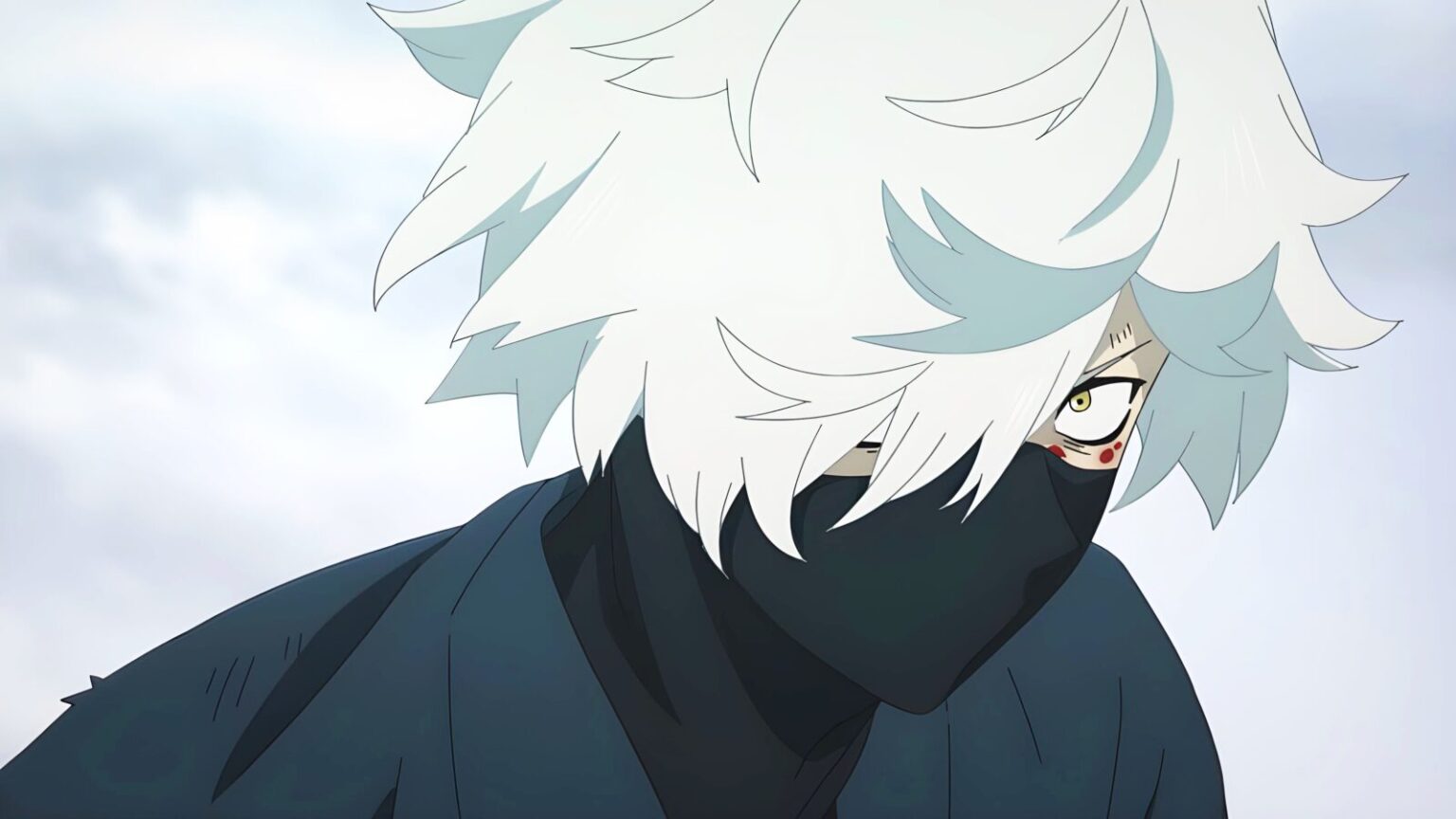
TL;DR: Hell’s Paradise Season 2 deepens its lore, sharpens its character arcs, and showcases more deliberate animation from MAPPA. By focusing on philosophical tension and moral ambiguity rather than simple escalation, it cements itself as one of Crunchyroll’s most compelling dark fantasy series.
Hell’s Paradise season 2
There’s something fascinating about watching a series realize what it actually wants to be. Not in a messy, mid-season retcon kind of way, but in that subtle creative shift where everything suddenly feels more intentional. That’s exactly what happened when I started watching Hell’s Paradise Season 2. What began in 2023 as a stylish, violent adaptation with clear potential has now evolved into one of the most confident dark fantasy anime currently streaming on Crunchyroll.
Hell’s Paradise: Jigokuraku no longer feels like it’s competing for attention. It feels like it understands its lane, tightens its grip on it, and dares you to look away.
Season 2 doesn’t simply escalate the action or inflate the stakes. It refines the philosophy of the show. And that distinction matters more than any flashy power-up sequence ever could.
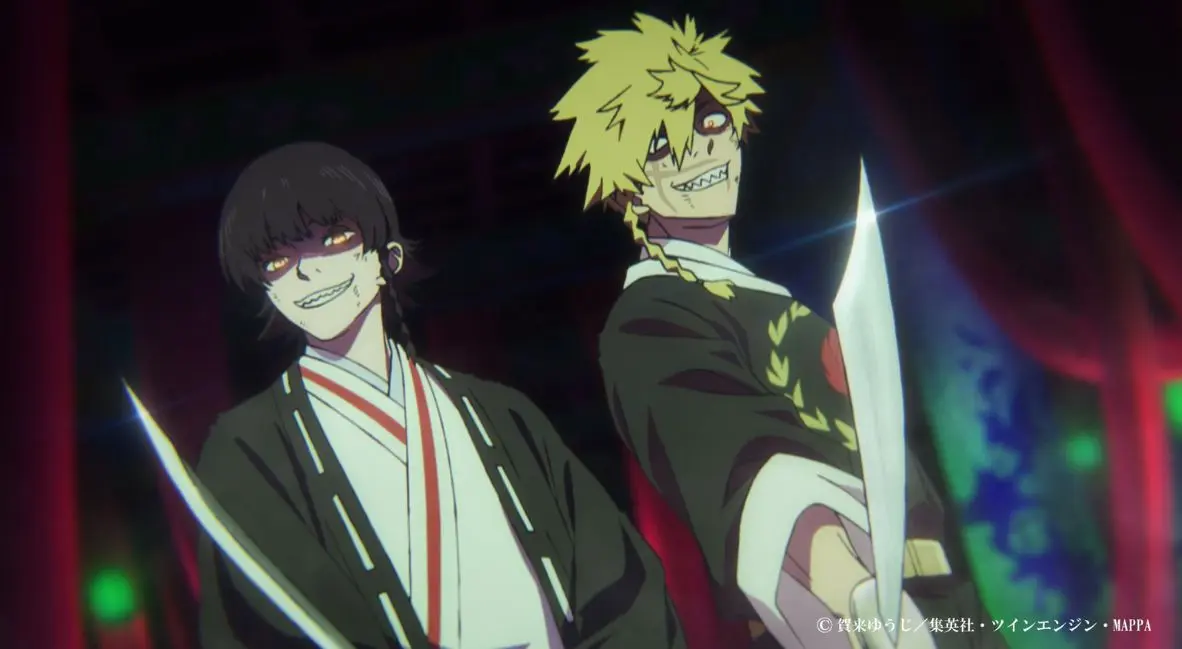
A Dark Fantasy That Actually Grows Up
When Hell’s Paradise first premiered, it had all the ingredients of a breakout hit. A morally gray assassin protagonist. A death island with cultivation horror aesthetics. A studio pedigree attached to it. But the first season sometimes felt like it was juggling tone, trying to balance battle shonen pacing with existential dread.
Season 2 feels more composed. The narrative no longer rushes to prove itself. Instead, it lingers where it needs to. It trusts the audience to sit with discomfort.
Shinsenkyō transforms from an exotic death trap into something far more unsettling: a structured ideological battlefield. Immortality isn’t presented as a mystical reward. It’s framed as corruption disguised as enlightenment. The Tao system becomes less about flashy combat mechanics and more about spiritual imbalance.
Gabimaru’s character arc reflects this maturation perfectly. In Season 1, he was defined by emptiness, by his identity as a weapon struggling to reconnect with humanity. In Season 2, that struggle becomes more nuanced. His fights carry hesitation. His decisions feel conflicted. The emotional distance he once embraced now works against him.
This shift makes the action sequences more impactful because they’re not just physical confrontations. They’re internal ones.
MAPPA’s Direction: Precision Over Excess
It’s impossible to talk about Hell’s Paradise without acknowledging MAPPA. The studio’s reputation precedes it, especially in the modern anime landscape where production schedules are as much a topic of conversation as the shows themselves.
What stands out in Season 2 is a sense of deliberate control. The animation doesn’t rely on constant spectacle to keep attention. Instead, it uses bursts of fluidity strategically. When violence erupts, it feels sudden and heavy. Impacts have weight. Movements are calculated.
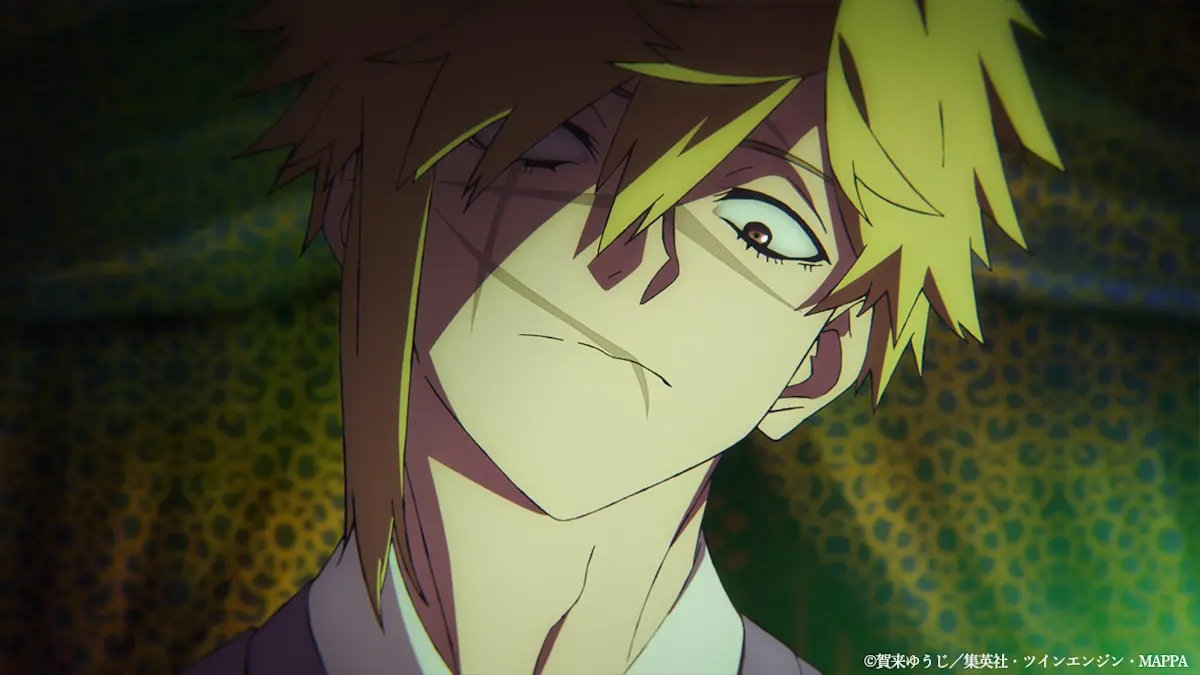
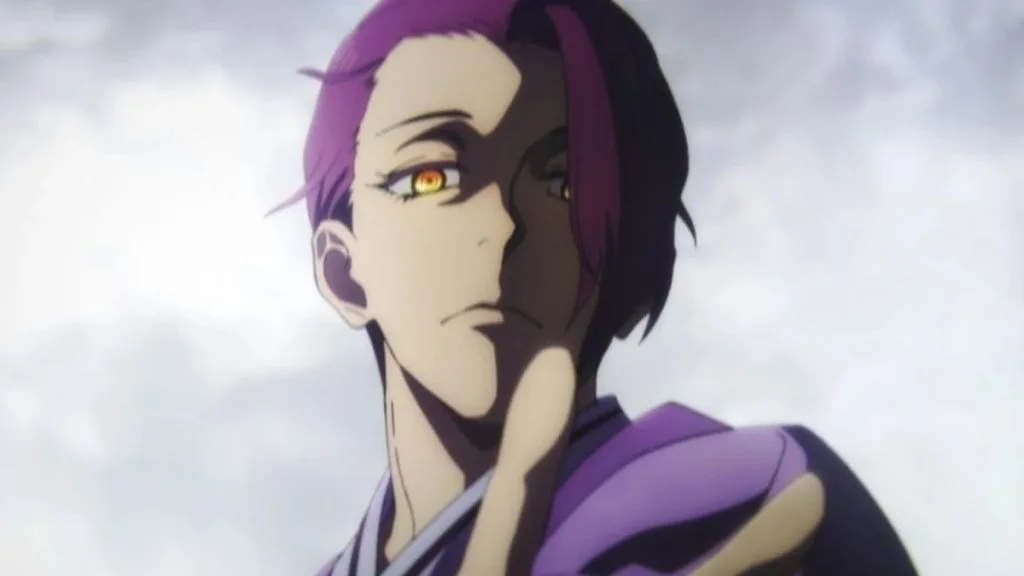
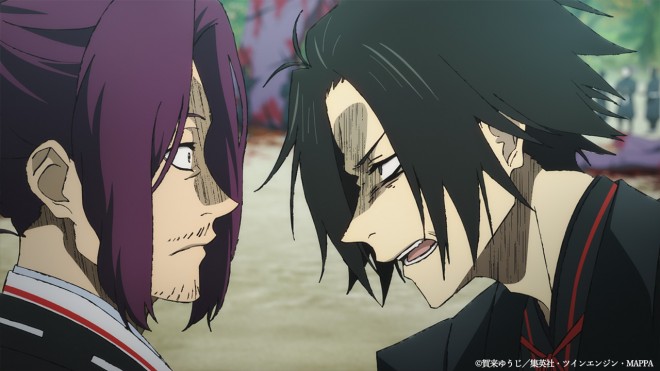
Aza Chōbei benefits enormously from this approach. His presence in Season 2 feels more central, and the animation reinforces his unpredictability. He doesn’t move like a conventional hero or villain. His combat style feels adaptive, almost desperate, yet intelligent. His decisions, especially those involving the Tensen, aren’t framed as dramatic betrayals. They’re portrayed as survival calculus.
That moral ambiguity is where Hell’s Paradise thrives. The show consistently avoids simplistic binaries. Characters don’t choose between right and wrong. They choose between survival and extinction.
Expanding the Lore Without Losing Focus
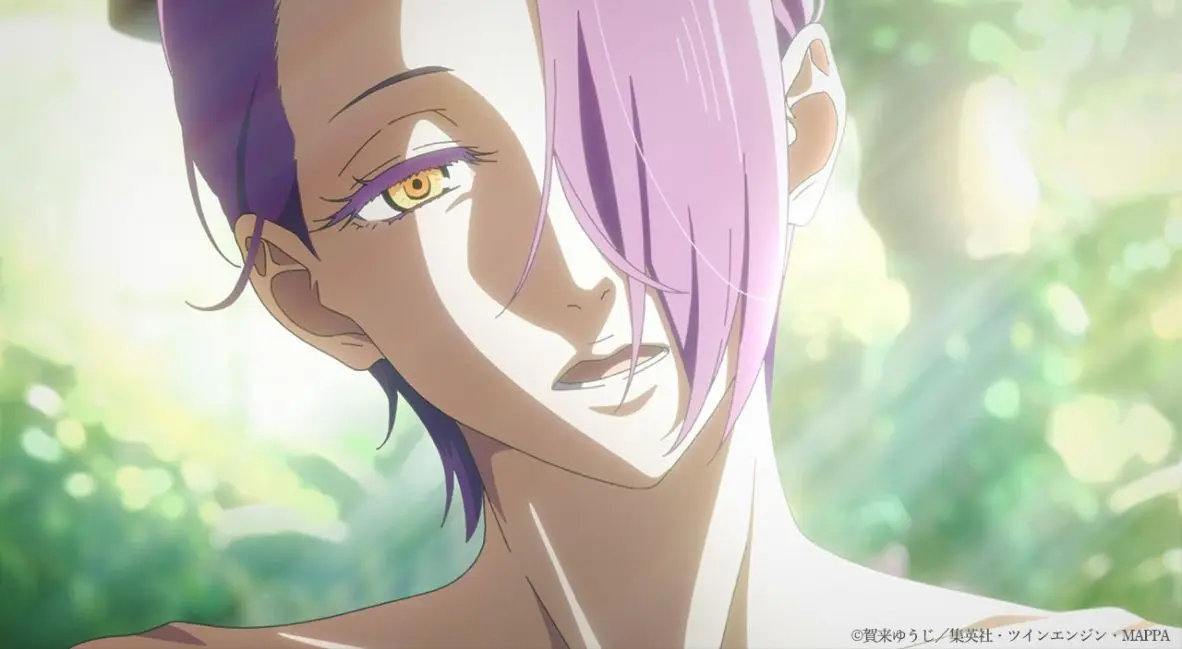
One of Season 2’s strongest achievements is how it deepens the lore without drowning in exposition. Expanding on the Grandmaster, the hierarchy of Shinsenkyō, and the true nature of Tao could have easily turned into a lecture. Instead, the revelations unfold gradually, often embedded within character conflict.
The world-building feels organic because it’s tied to consequence. Every new piece of information changes how we interpret earlier events. The island’s ecosystem no longer feels random. It feels curated, almost engineered.
This layered storytelling elevates Hell’s Paradise beyond typical dark fantasy anime. It’s not simply about surviving monsters. It’s about understanding the system that created them.
And that system feels disturbingly coherent.
Thematic Reinforcement
Dark fantasy often leans heavily on shock value. Blood, body horror, grotesque transformations. Hell’s Paradise absolutely contains those elements, but what makes Season 2 compelling is how it contextualizes them.
The violence serves the theme of transformation. Bodies mutate in ways that challenge identity. Devotion leads to distortion. The pursuit of eternal life results in something profoundly unnatural.
Even with selective censorship present in certain scenes, the brutality that defines the tone remains intact. Limbs break. Flesh twists. The horror isn’t sanitized.
What elevates these moments is emotional investment. Characters like Mei face circumstances that test their agency and survival instincts. Because we’ve spent time with them, their suffering doesn’t feel disposable. It feels consequential.
That emotional grounding is what separates mature dark fantasy from hollow spectacle.
Why Hell’s Paradise Is Thriving on Crunchyroll
In a streaming ecosystem crowded with high-profile titles, Hell’s Paradise doesn’t always dominate trending conversations. But that quiet consistency may be its greatest strength.
The audience engagement is steady. Discussions revolve around character motivation and symbolism rather than surface-level hype. Ratings continue to accumulate, suggesting strong retention rather than fleeting curiosity.
On Crunchyroll, where action anime compete aggressively for attention, Hell’s Paradise stands out by refusing to chase trends. It embraces its darker tone without sacrificing narrative depth.
This makes it particularly appealing to viewers seeking more than just spectacle. It rewards patience. It encourages analysis. It respects its audience’s intelligence.
Shinsenkyō as a Living Structure
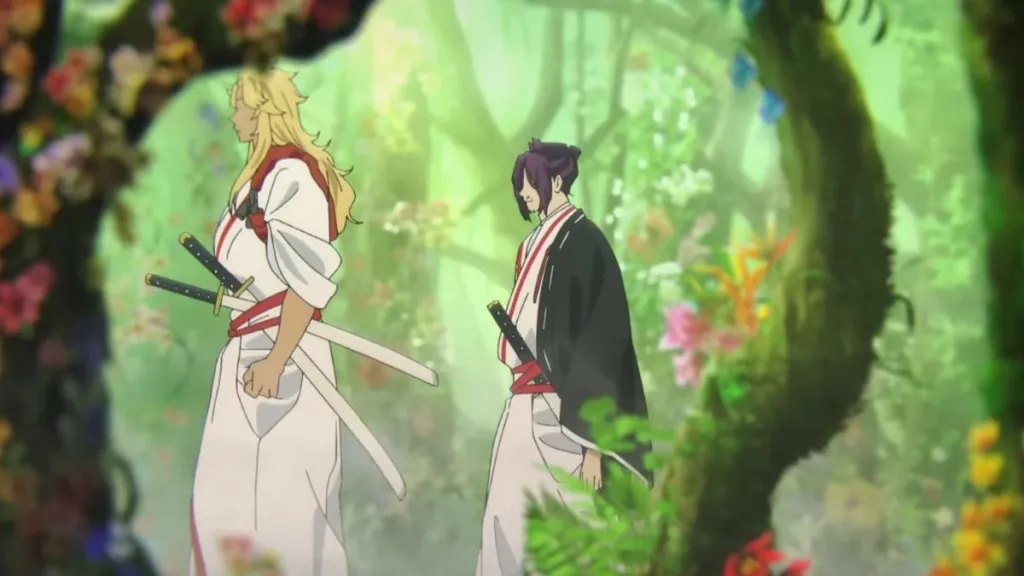
Perhaps the most impressive evolution in Season 2 is how the island itself begins to function almost like a character. Not in a literal sense, but in structural design. Its ecosystems, power hierarchies, and spiritual mechanics all interact in ways that feel intentional.
Shinsenkyō isn’t random chaos. It’s a carefully maintained imbalance.
Every character’s ideology is tested against that imbalance. Gabimaru’s longing for connection. Chōbei’s pragmatic survivalism. The executioners’ rigid sense of duty. Each philosophy collides with a world that forces adaptation.
That thematic consistency gives the season cohesion. It feels unified rather than episodic.
Confidence Is the Real Upgrade
The most noticeable difference between the first and second seasons isn’t scale. It’s confidence.
Season 2 knows what kind of story it wants to tell. It doesn’t rush emotional beats. It doesn’t overexplain its mythology. It allows tension to build naturally.
The pacing feels more assured. Secondary characters gain dimension. Alliances and confrontations carry more narrative weight.
As someone who has watched countless anime stumble in their second outings, I appreciate how steady this progression feels. Hell’s Paradise isn’t reinventing itself. It’s refining itself.
That refinement is what makes it one of the strongest dark fantasy anime of 2026.