


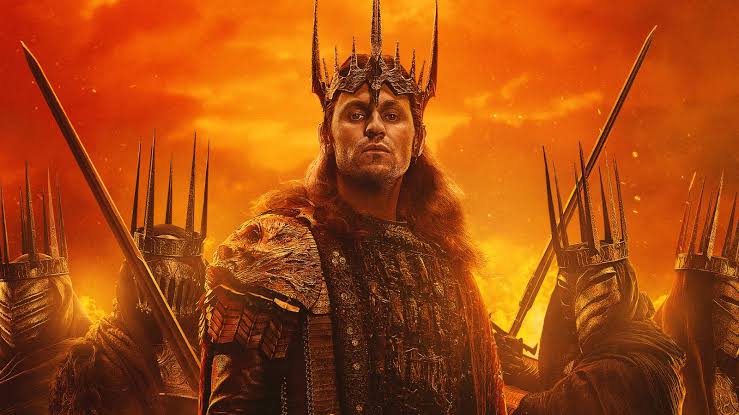

TL;DR: The Rings of Power season 3 finale finally forges the One Ring and gives Sauron his best manipulative moments, but rushed arcs and shaky action make it feel more like a season 4 trailer than a satisfying conclusion.
Three seasons into Prime Video’s expensive return to the Second Age, The Rings of Power finally reached the moment it had been building toward since the first frame: the forging of the One Ring. The closing pair of episodes, “Orodruin” and the finale “The Doom of Men,” cover a lot of ground, from Mount Doom to the halls of Númenor. They also settle a storyline that had been hanging over the show for two years. What surprised me is where the season decides its real climax lies. You might expect a huge clash of armies, but the finale bets on Sauron’s oldest weapon, which is talking people into ruin. As a statement of who this villain is, that works well. As a reward for a season sold on the arrival of the ultimate artifact of evil, it lands more like a level that ends on a cutscene than a boss fight.
That doesn’t make the finale weak. In my view this is still the most confident run of episodes the series has produced, and the season as a whole gave a show that had lost its way a clearer sense of purpose. Prime Video has already announced season 4, though, and that hangs over everything. These episodes feel built to clear the board for what comes next rather than to deliver a payoff that stands on its own.
A deal between devils at Mount Doom
Sauron forging the Ring with the help of the Balrog is the kind of idea that makes lore obsessives sit up straight. Two of Middle-earth’s great evils working together has real “villain team-up” energy, like a crossover event where the bad guys briefly decide they hate the heroes more than each other. Simon Pegg voices the Balrog, and that’s where my enthusiasm cools. His voice is processed so heavily that the casting barely matters. Anyone could have been behind the microphone and the result would sound much the same. It’s a strange choice to hire a recognisable performer and then bury everything that makes him recognisable.
Elsewhere, “Orodruin” ties up its political threads with real consequences. Míriel turns Elendil down and marries Pharazôn, which unites Númenor under a man whose ambition anyone familiar with the appendices will recognise as a ticking clock. Durin and his family are banished from Khazad-dûm but leave with one of the rings meant for the Dwarf-lords, a move that sets up plenty of trouble later. Then the Dwarves vanish from the finale entirely. Benching them makes sense structurally, but it does make the last stretch feel a little narrower in scope.
Gandalf and Pallando finally get their reckoning
The wizard storyline ends with Pallando giving his life to save Gandalf, a classic villain-redeemed-by-sacrifice arc with roots in a long tradition of fallen heroes finding their way back. Gandalf breaks the ring’s hold on his old companion. The show even slips in a knowing nod to Gollum’s most famous line, which got a grin out of me even as I rolled my eyes a little. The trouble is the time investment. Pallando has occupied a lot of space across two seasons, and given how briefly the ring actually corrupted him, the resolution feels rushed. You spend two seasons grinding a side quest only for the reward to arrive in a couple of scenes.
The fight against the Nazgûl doesn’t help. The wire-work is visible enough that the illusion breaks, and the action looks staged rather than dangerous. Still, giving Gandalf and Pallando a chance to finally fight side by side carries some emotional weight. Pallando’s death also matters on the strategic map, because freeing his followers strips Sauron of a meaningful part of his forces. That’s a smart way to make the sacrifice count beyond the personal.
Sauron’s temptation is the finale’s sharpest weapon
The strongest material in “The Doom of Men” comes when Sauron targets Gandalf’s mind. He offers the wizard dominion over Middle-earth in exchange for submission, a temptation-in-the-wilderness setup that plays straight into Tolkien’s interest in power as corruption. He also conjures an illusion of Nori Brandyfoot, with Markella Kavenagh back for a cameo, to manipulate Gandalf. It’s a clever bit of psychological warfare, though the show never seriously pretends Nori is really back. These scenes understand that Sauron is most frightening as a deceiver. He’s the Deceiver for a reason, and the show finally treats that title as the threat it is.
Over in Númenor, Elrond calls on the memory of his brother to steady soldiers who may be marching to their deaths, a quiet but resonant touch for anyone who knows Elros’s legacy. Pharazôn briefly seeks counsel from Galadriel and Celeborn, whose relationship drama remains one of the season’s less compelling threads. His pride wins out anyway. When Sauron surrenders and the Elves sense the Doom of Men approaching, lore-literate viewers will know what’s coming. The Fall of Númenor now feels like season 4’s destination, and the show has positioned its pieces accordingly.
Faithful to Tolkien, frustrating as television
The tension running through this finale is that it follows the Second Age chronology from Tolkien’s appendices quite faithfully. In those histories, Sauron wins through cunning, not open battle. If you know the source, the anticlimax looks deliberate and even fitting. If you came for the epic confrontation the marketing implied, the season can feel like a bait and switch, with the One Ring’s arrival producing more dread than spectacle.
I respect the restraint more than I enjoyed it. The best fantasy finales, from Game of Thrones‘ early peaks to the Peter Jackson trilogy, still pay off emotionally even when the war continues. “The Doom of Men” mostly hands out promissory notes.
Verdict
The Rings of Power season 3 restored focus and momentum to a series that badly needed both, and its finale has real highlights. Sauron’s manipulation of Gandalf, Pallando’s redemptive exit and Elrond’s tribute to his brother are moments fans will remember. On the other side, the Balrog’s anonymous voice work, unconvincing wire-assisted action, a rushed payoff to a long-running arc and the absence of the Dwarves all hold it back. Tolkien devotees will appreciate how closely it follows the established history. Casual viewers may feel short-changed by an ending that prepares the ground instead of delivering a climax. It’s worth watching if you’re invested in where season 4 is heading, but go in expecting groundwork rather than fireworks.