


The UAE wants government paperwork to be something you can sort out in one conversation. Mira is a new AI assistant that the country says will eventually handle every federal and local government service, from passport renewals to school updates. It is meant to replace the usual maze of portals, apps and counters.
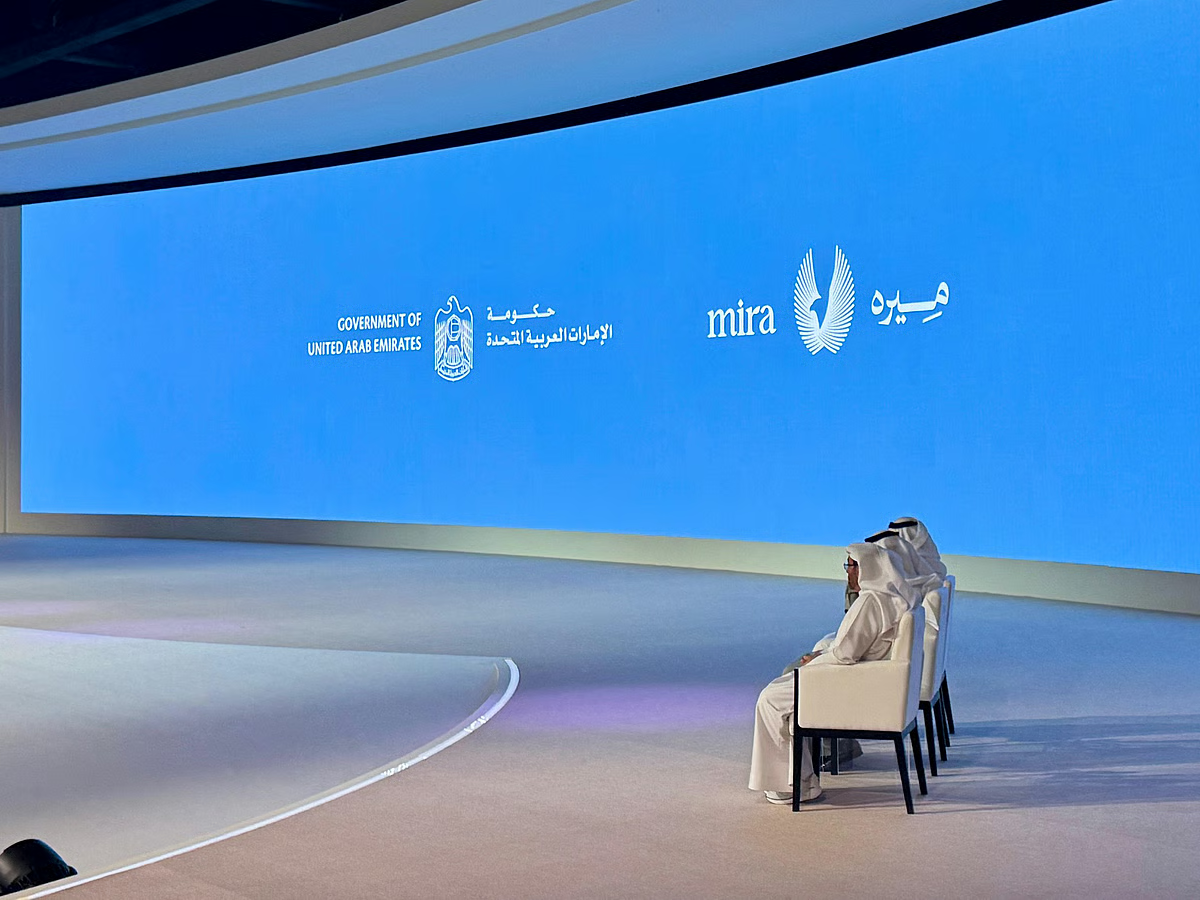
Sheikh Mohammed bin Rashid Al Maktoum unveiled Mira at Expo City Dubai on 23 November, but nobody can use it yet. The first phase starts in March 2027, and the government says all services should be available through Mira by the end of that year. There is no app, download link or registration page so far, and officials haven’t said which services will be ready on day one.
The launch demonstrations showed what Mira is meant to do. In one, the assistant checked a family’s Emirati passports, flagged the ones that had expired, filed renewal applications and returned reference numbers, all in a single exchange. Others covered Emirates ID renewals, paperwork for newborns and family residence permits. In the healthcare scenarios, patients described symptoms over video, and Mira prepared a summary for the doctor before the appointment. It also handled test results, children’s vaccination records and booking. For parents, Mira pulled up grades, exam dates and behaviour reports, and could track school buses.
The business demonstrations may matter most. Mira flagged work permits close to expiry, retrieved employee records and started renewals through UAE Pass, with fees paid inside the conversation. A bundle of 15 industrial investor services was also shown, with some processes reportedly cut from five days to five minutes.
None of this comes out of nowhere. The UAE has spent years moving services online through platforms such as UAE Pass, TAMM in Abu Dhabi and DubaiNow. Mira’s pitch is that it pulls that fragmented setup together behind one conversational interface. It also sits within a wider goal from the National Artificial Intelligence Committee: having AI assist half of government sectors, services and operations within two years. Abu Dhabi has separately worked with OpenAI to make processes such as permits machine-readable. Dubai has announced its own AI agent for government requests but hasn’t said what it will cover, so it isn’t clear yet how these efforts fit together.
A polished stage demo is not the same as a live public service, and important details are still missing. Officials haven’t explained how Mira will protect sensitive identity and health data, what happens when the AI misreads a request, or how residents can reach a human when a case doesn’t fit the script. Those answers will shape whether people trust Mira enough to use it when it launches in March.