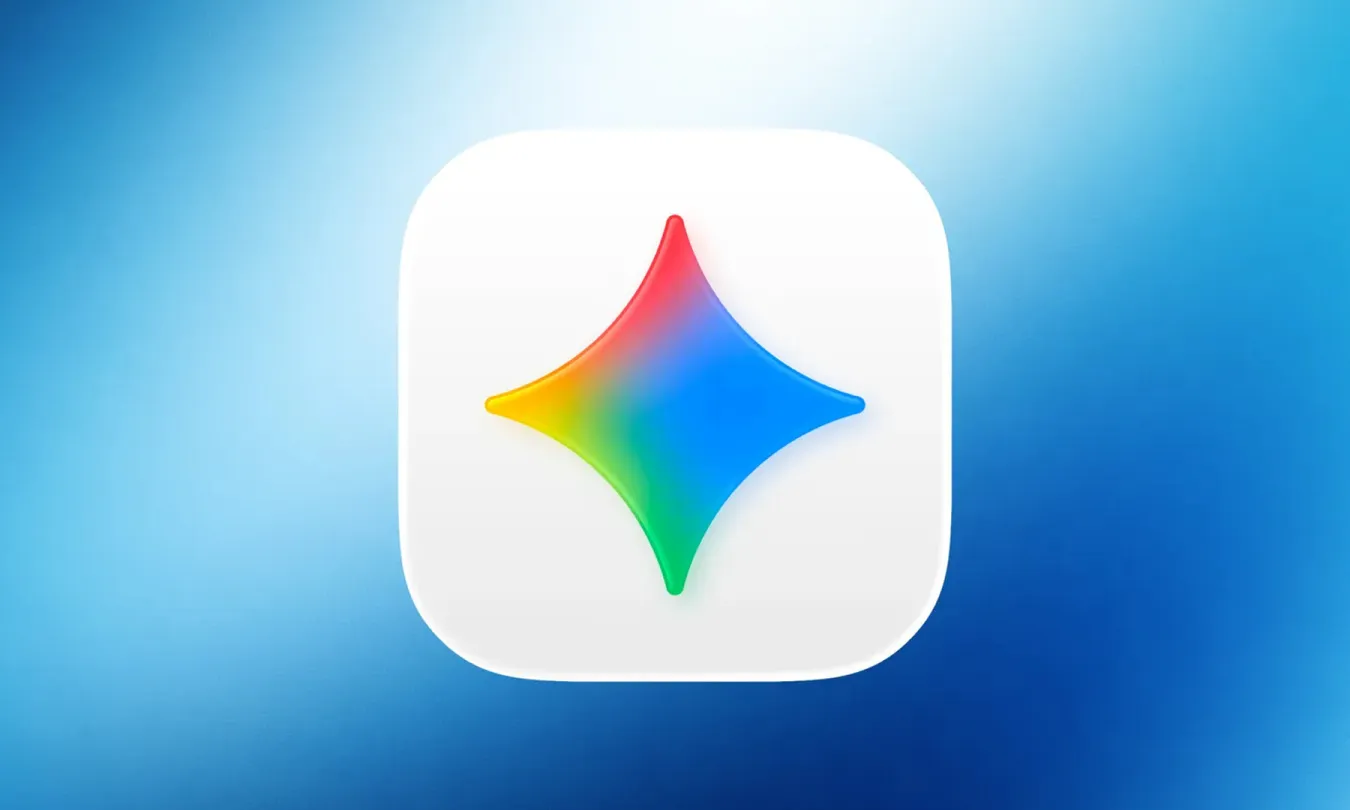

Google is adding another quick creative tool to its chatbot. Gemini can now generate GIFs from a text prompt, a photo or a short video clip. That means you can make a reaction loop instead of searching through the same old animations. The feature runs on Google’s Gemini Omni 1.2 Flash video model, which Google says is designed to keep motion smooth and frames consistent.
Using it is simple. You can describe the animation you want in a normal Gemini chat. Alternatively, you can open the image and video creation tools and choose GIF in the format picker. There are templates for common reaction memes, and you can upload your own photos or videos as a starting point to make the result more personal. Each GIF runs for about three seconds and loops automatically. You can paste it straight into messaging apps, emails and documents, or download it as a standard .gif file.
Availability depends on what you pay and where you live. Google AI subscribers should get the feature worldwide, while free users only get it in the US, Canada, the UK, Australia, Japan, South Korea, Germany and France. The UAE isn’t on that list, so free Gemini users here will have to wait, while paying subscribers should see it arrive gradually. Google’s own help pages also still say a paid plan is required, which contradicts the free-tier announcement. That kind of mismatch is common during staged rollouts, so the feature may take a while to appear even in supported regions.
Google isn’t first here. ChatGPT already makes GIFs, so this mostly brings Gemini level with its main rival. It’s also notable that Google owns Tenor, one of the largest GIF search libraries, which powers the GIF picker in many keyboards and chat apps. Offering on-demand generation alongside a huge library suggests Google sees the two as complementary. It may also hint that the reaction GIF of the future will be made on the spot rather than looked up.
Some questions remain. Letting people animate their own photos is fun, but it also makes it easy to create moving images of real people who never agreed to it, and Google hasn’t explained what safeguards apply to GIFs specifically. Quality is another issue. A three-second loop is short enough to hide many AI flaws, but memes depend on timing and expression, which generative models still often get wrong.
AI-generated GIFs are quickly becoming a standard chatbot feature. What will decide whether people use them is whether they’re actually funny or just novel.