


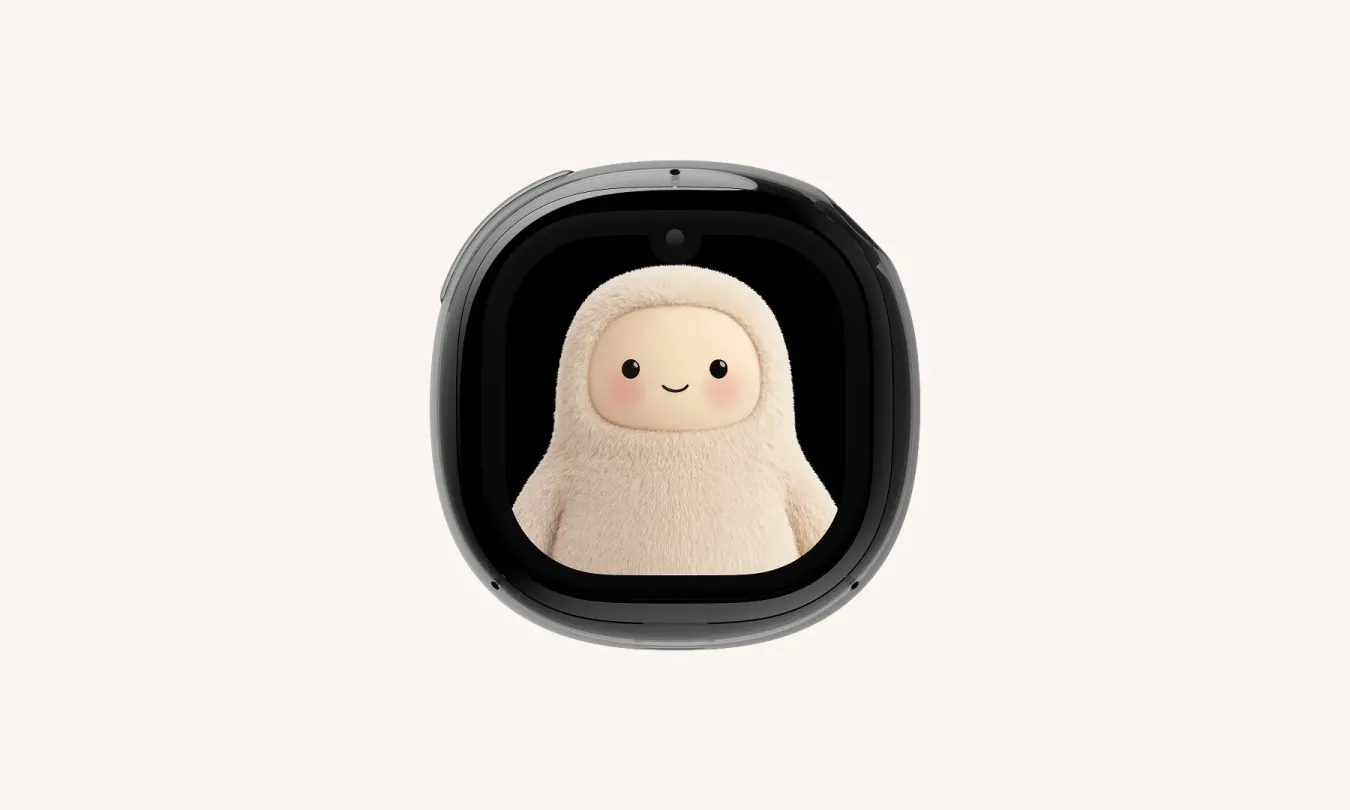

Meta’s pocket AI gadget finally has a reported price, and it isn’t cheap. The Muse Charm, a keychain-sized device built for talking to Meta’s Muse AI agent, is expected to cost $300. Buyers would reportedly get up to a year of free Verizon 5G. Meta hasn’t confirmed either figure. A company spokesperson would only say Meta is pleased with the interest and will share more soon, and the official product page still just collects sign-ups.
Mark Zuckerberg first showed the Charm in September and said Meta hoped to ship it before the holidays. With the holiday season close, there’s still no release date. So far the device has been described more than it has been sold.
On paper, the idea is simple. The Charm has a 2-inch screen, a fingerprint sensor and a built-in 5G modem, so it works without Wi-Fi or a phone nearby. You tap the sensor and start talking. There’s no unlocking, no app and no wake word. Meta says the full Muse experience runs on it, including real-time voice and animated avatars. It can’t make phone calls, which is an odd gap for a device with its own cellular connection. Instead, it relies on what Muse can already do: shopping, booking travel and, for paying US subscribers, calling businesses on the user’s behalf. Meta has also released open-source tools so developers can build their own Muse hardware.
The problem is history. Humane’s AI Pin was supposed to free people from their phones and ended up sold to HP. Rabbit’s R1 sold out at launch and then quickly faded. Both showed that persuading people to carry a second AI device is difficult when the phone already in their pocket does most of the same things. Meta’s possible advantage is distribution. Muse already climbed the App Store charts as an app, so the Charm is building on an existing user base rather than trying to create one. That’s a stronger starting point than Humane or Rabbit had.
Money matters too. Reality Labs, Meta’s hardware division, lost more than $4 billion last quarter, and the company expects losses of up to $19 billion this year. Its Ray-Ban Display glasses have done comparatively well, but they solve a clearer problem: you can’t easily hold a phone up to your face all day. Meta’s smartwatch has also reportedly been pushed back to 2027.
At $300, the Charm costs about as much as a budget phone that can do far more. What still needs to be shown is whether talking to Muse becomes such a habit that reaching for a phone feels like too much effort.