

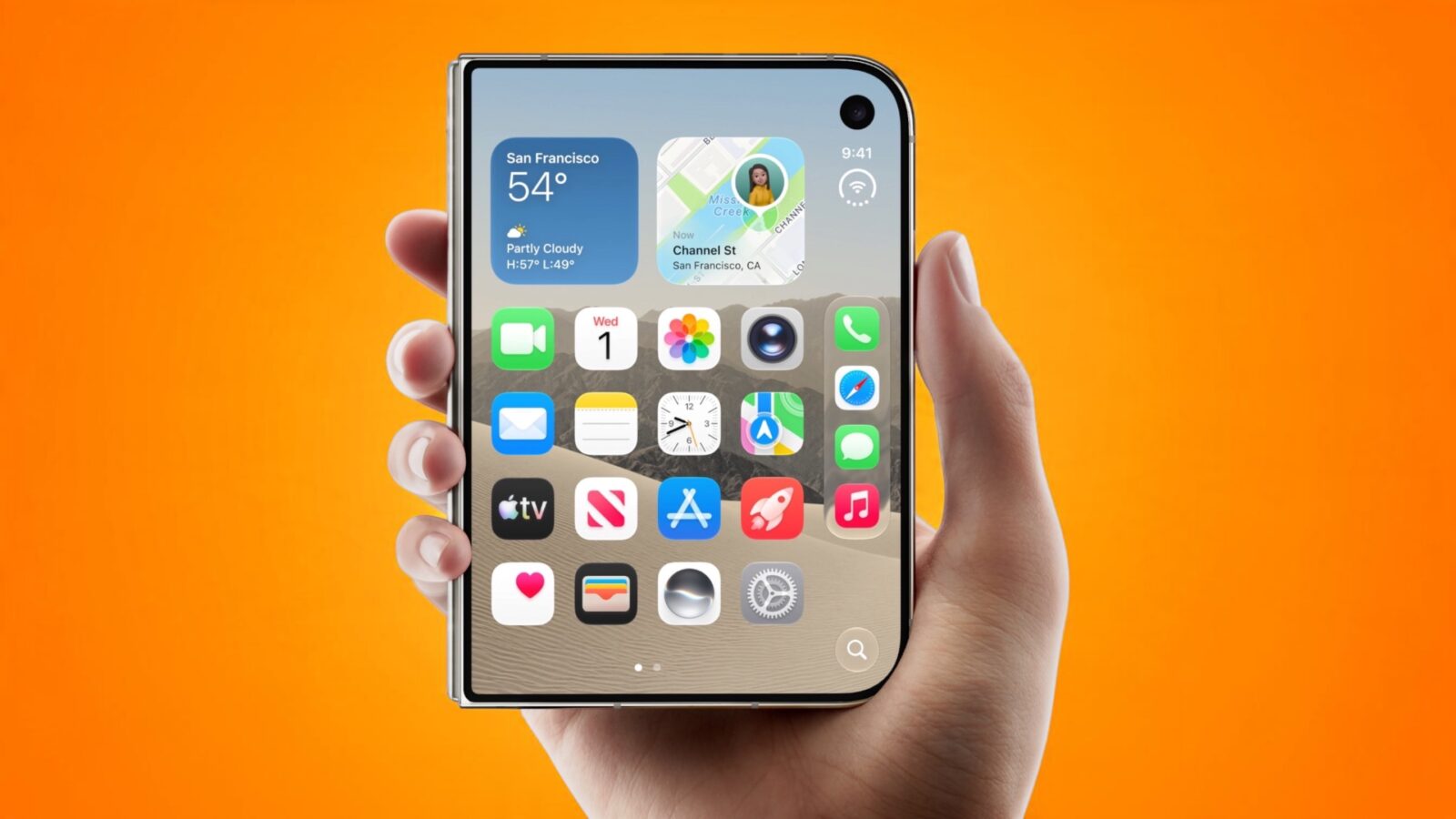
Two weeks after launch, Apple wants to know what iPhone Duo owners think of its first foldable. The company is emailing surveys to some buyers, and the questions show which compromises Apple is paying closest attention to.
The survey starts by asking why people bought the Duo now. The answer options include wanting to try Apple’s first foldable, buying on impulse, and expecting smartphone prices to rise. That last option is notable, because it suggests Apple is tracking whether fears of future price increases pushed some customers to buy early, rather than relying only on the product’s appeal.
From there, the questions focus on the Duo’s best-known trade-offs. Apple asks whether the 5.4-inch cover display feels too small when closed. That’s about the size of the discontinued iPhone mini, a line Apple dropped partly because of weak sales. Buyers are also asked how visible the fold crease is, whether the under-display camera on the inner screen is distracting, and how they rate camera image quality. That under-display camera is limited to 4MP and was one of the most common complaints in early reviews. The survey ends with an open question asking what owners would add or change.
What appears to be missing may be just as important. Based on early reports, the survey doesn’t address several of the Duo’s other major sore points: the return of Touch ID, the experience of using apps that aren’t optimised for the folding display, and reports of screens cracking along the hinge, sometimes after only a short period of use. Survey versions may differ between recipients, so some owners may have seen different questions. Still, Apple asking about the crease while apparently skipping cracks on that same hinge is hard to ignore.
Post-launch surveys are standard for Apple, which has used them for years to guide future hardware decisions. They carry more weight here because the Duo is an entirely new product category for the company. Samsung, Google and others have spent years refining hinge durability, crease visibility and app support for foldables, and Apple has to work through the same problems while facing higher expectations.
The Duo has clearly found buyers. Launch stock was tight enough that Apple Stores discouraged walk-in purchases, and supply has remained constrained since. Early demand, however, says little about whether owners will keep a first-generation foldable for long.
These survey responses will likely influence the second-generation Duo. The open question is whether Apple will treat hinge reliability as a priority, or whether early owners will find that out on their own.