

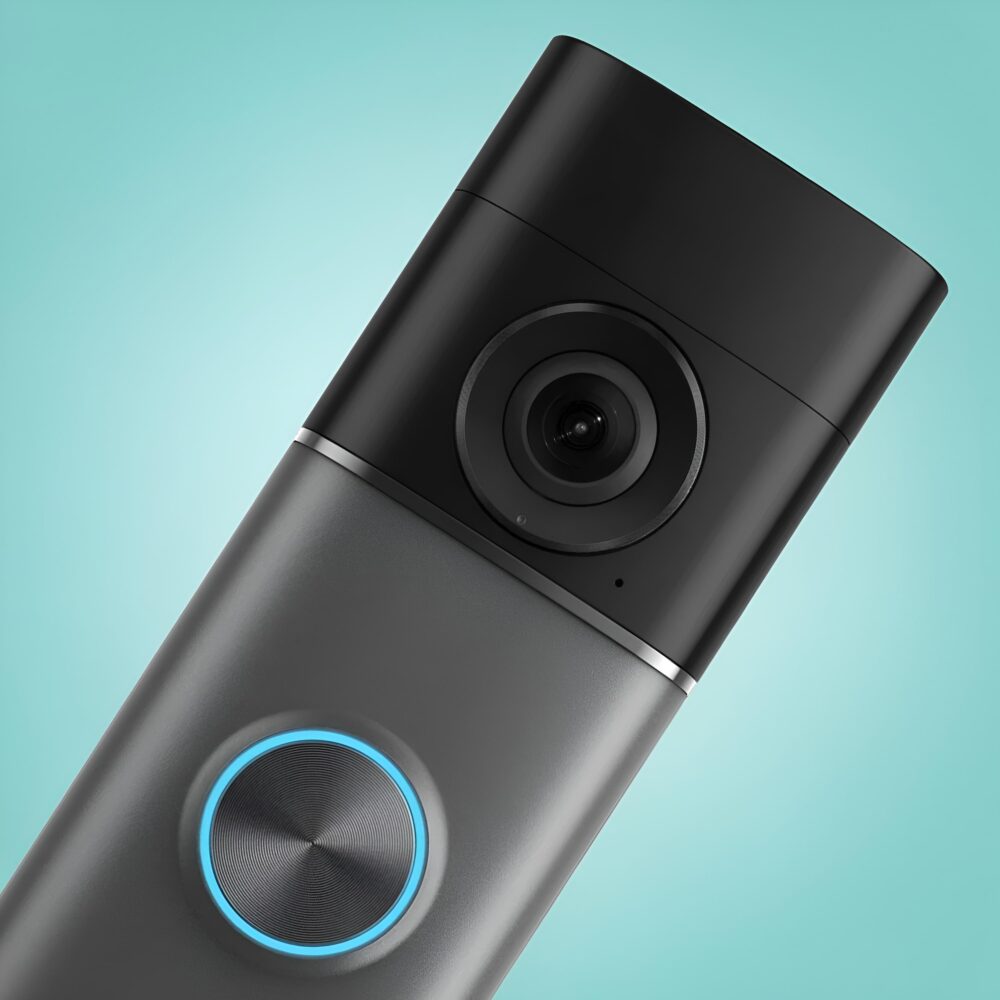
TL;DR: The Ring Battery Video Doorbell Pro (2nd Gen) jumps to sharp Retinal 4K with 10x zoom and pairs it with a fast-charging, swappable battery. Radar motion detection with Bird’s Eye mapping, Wi-Fi 6, and Alexa support add real smarts. It’s pricey at AED 999, and the best features need a Ring Protect subscription.
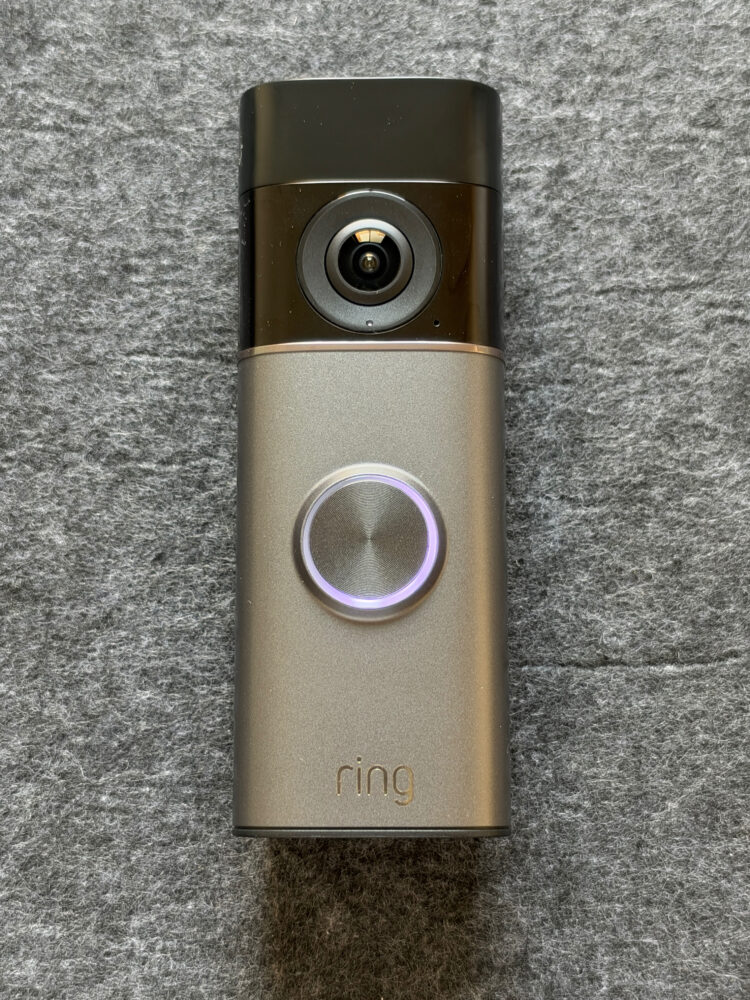
Video doorbells have spent years treating “HD” as a selling point when most of us have squinted at grainy footage trying to figure out if that blur by the gate was a courier, a neighbour, or a cat with ambitions. The Ring Battery Video Doorbell 4K Pro, also sold as the Battery Video Doorbell Pro (2nd Gen), goes after that problem directly. Ring calls it its most advanced battery-powered doorbell, completely redesigned around Retinal 4K video, radar-powered motion detection, and a fast-charging removable battery. At AED 999, it sits firmly at the premium end of the doorbell market, so it needs to justify that price with more than a spec sheet.
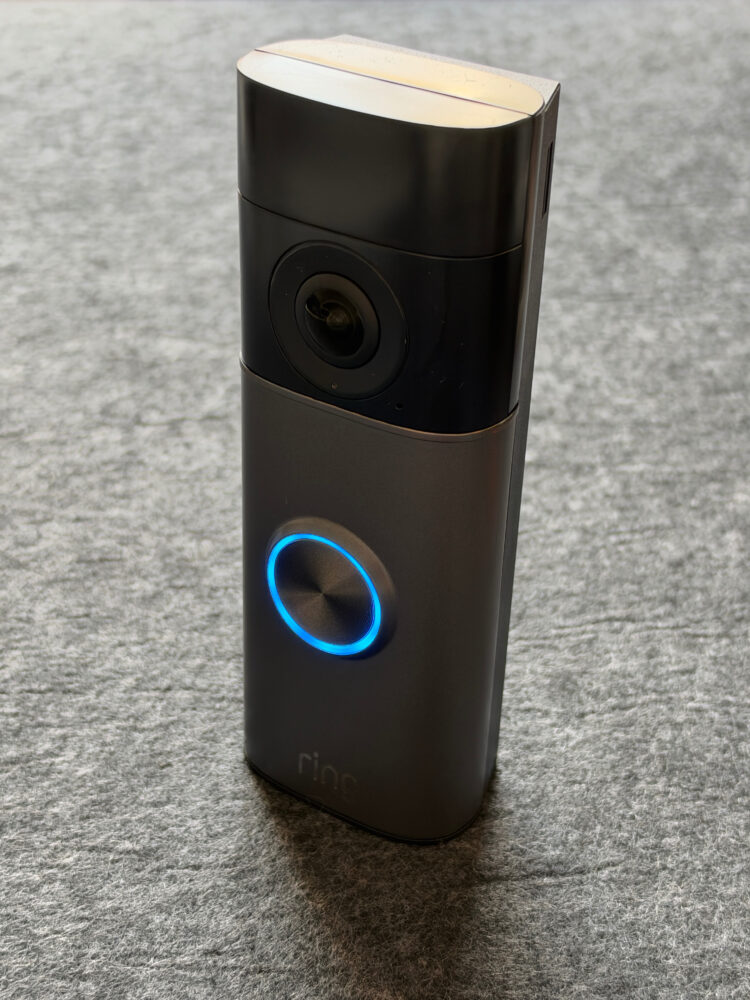
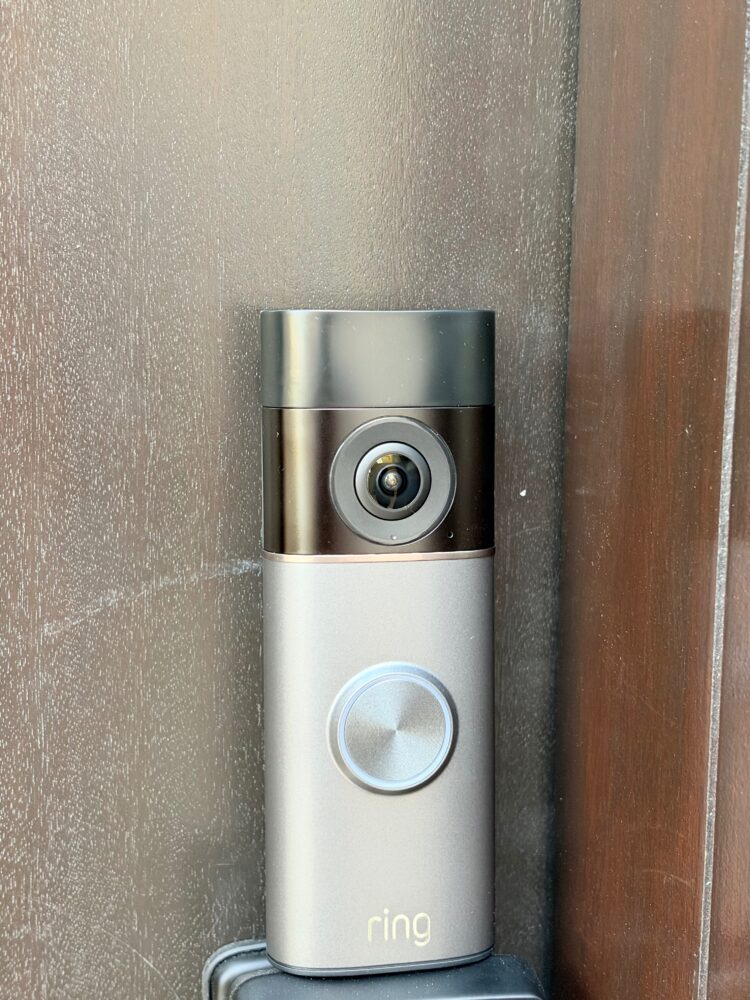
I installed it and have been living with it at my front door, and two things stood out right away: the 4K footage and the freedom of the battery setup. Those are the headline features and the reasons this second generation exists. The install is properly DIY, since you connect the doorbell to the Ring app, screw the mounting bracket to the wall with the included hardware, and click the doorbell into place. Everything else, from radar motion zones to Alexa integration, supports the core idea of a sharper, smarter doorbell that doesn’t tie you to existing wiring. There is a catch, and it’s the same one that follows almost every Ring product, but the hardware makes a strong first impression.
Retinal 4K is a real leap over the old 1536p ceiling
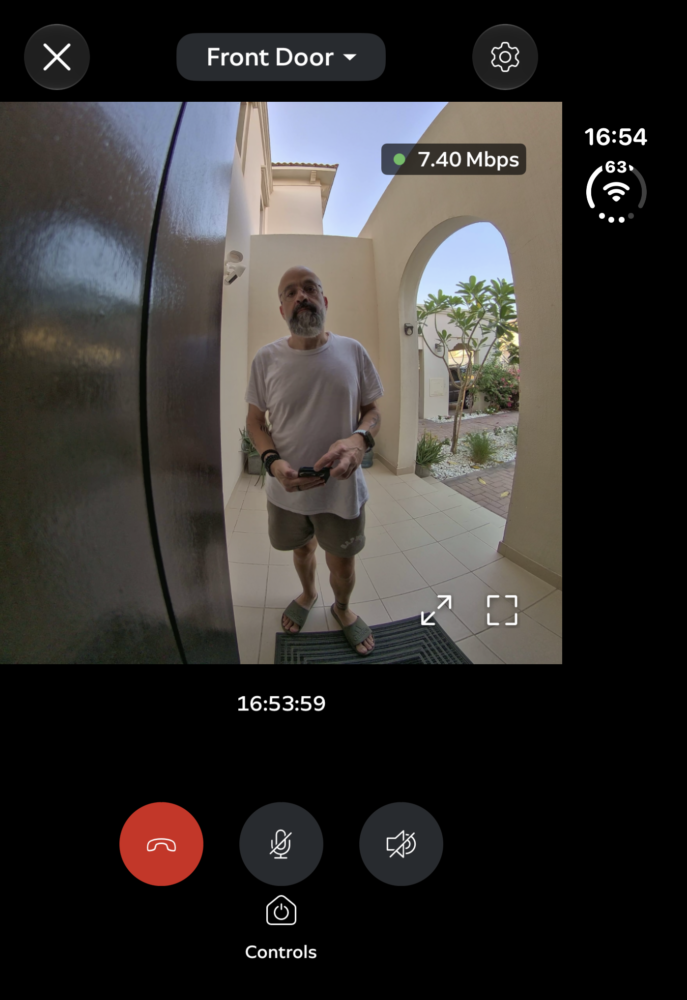
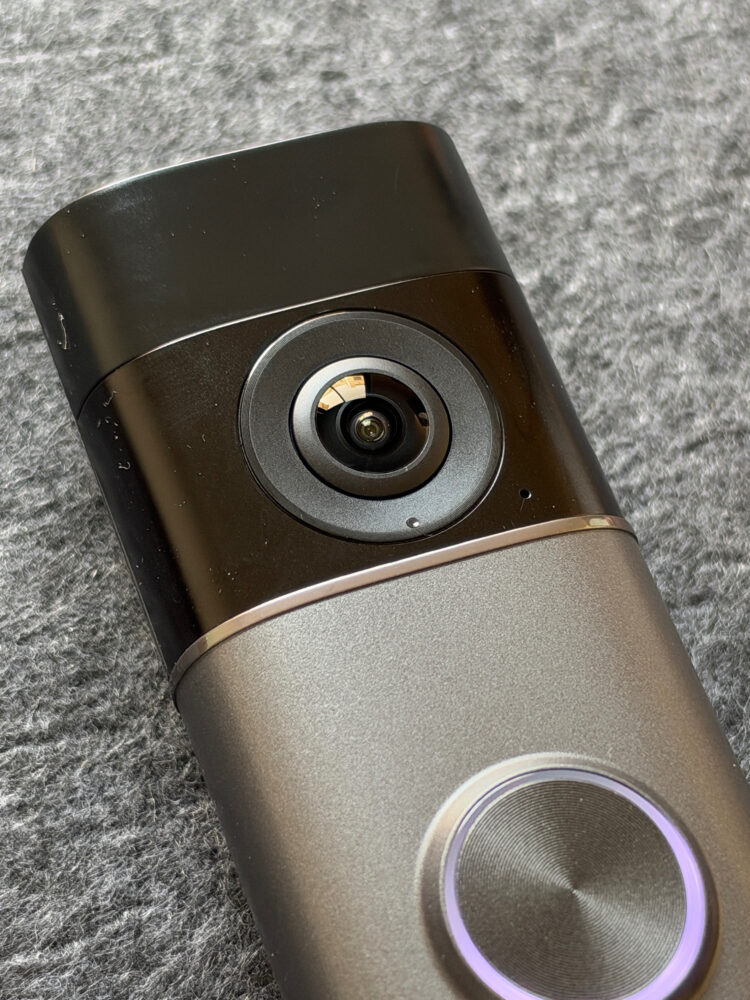
Ring’s Retinal 4K branding is about more than resolution. The company says it tunes the whole chain, from the camera hardware to how the Ring app displays video, for sharpness and colour accuracy, particularly in low light. In practice, the clarity is the thing I appreciated most, because a doorbell lives or dies on whether you can actually identify who’s standing there. Faces, packages, and details at the edge of the frame look clean rather than smeared, which matters when you’re checking a notification and deciding whether to answer. The 140 x 140 degree head-to-toe field of view also keeps the doorstep in frame, so parcels left on the ground don’t vanish below the image.
The 10x Enhanced Zoom is where that resolution pays off a second time. With more pixels to work with, zooming into a face or a number plate holds up far better than digital zoom on lower-resolution doorbells, which usually turns into a Minecraft texture pack after 2x. It’s still digital zoom, so quality softens at the far end, but the detail is there when you need it. Night performance is split into two modes: Low-Light Sight produces true-colour video with just a little nearby lighting, while Adaptive Night Vision kicks in during total darkness with detailed black-and-white footage. For a front door lit only by a porch lamp or streetlight, colour footage at dusk makes identifying clothing and vehicles much easier, and the black-and-white fallback means the doorstep never goes fully blind.
The Quick Release battery removes the biggest DIY headache
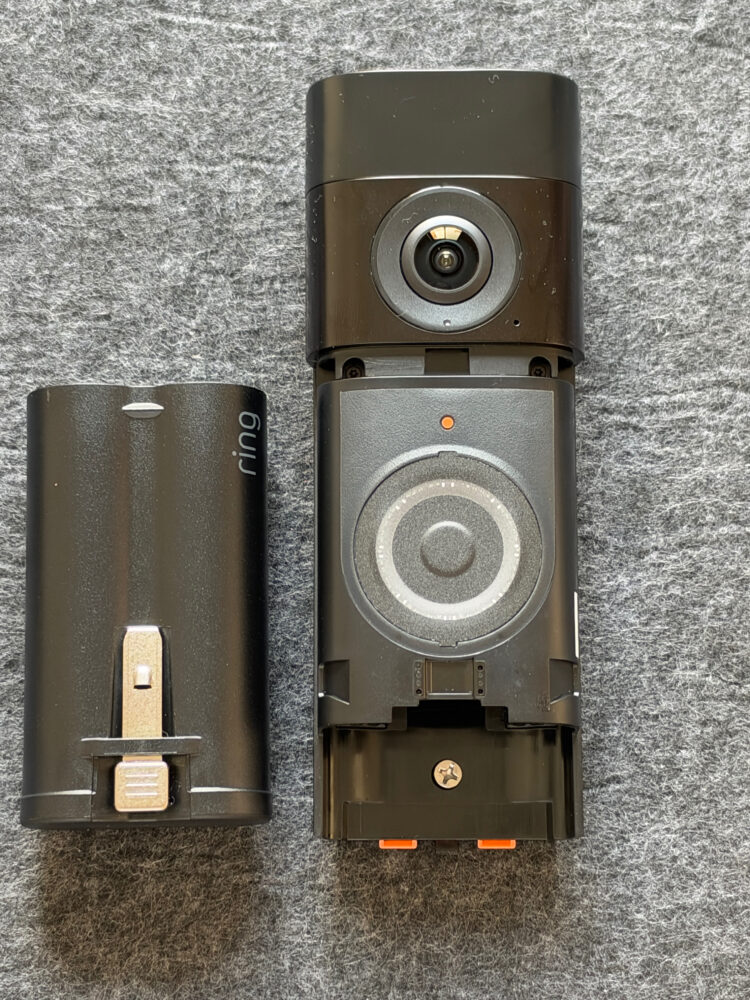
The second thing I love here is the battery approach. The Quick Release Ultra Battery Pack pops out, charges over USB-C, and snaps back in, and Ring says it’s the company’s fastest-charging battery yet. That solves the classic battery doorbell problem, where the device goes offline while you wait for a full recharge. Pick up a spare pack and you can swap and keep going with practically no downtime, turning maintenance into a quick chore rather than an outage. For renters, apartment dwellers, or anyone with a door that has no doorbell wiring, this is what makes the whole product viable.
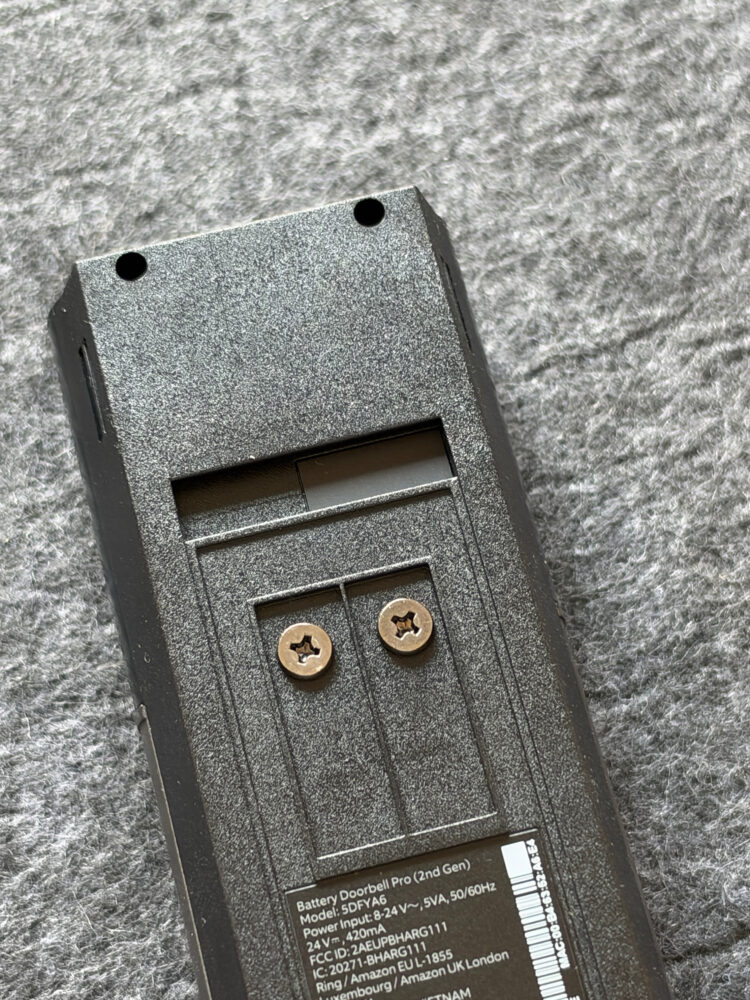
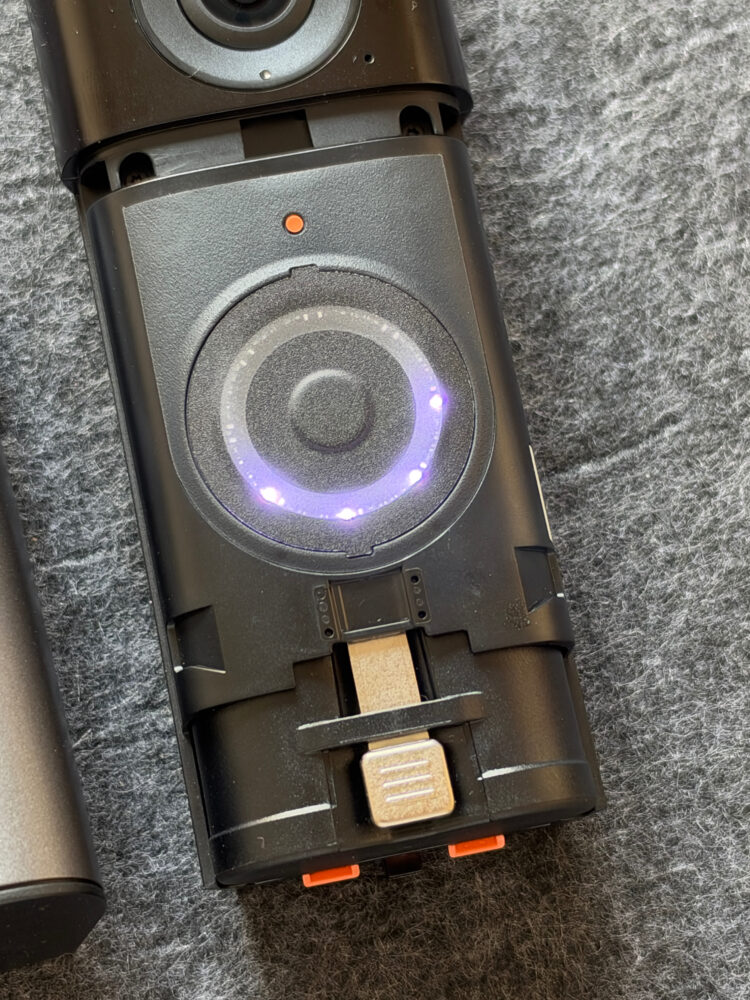
Wiring remains an option using a standard 8-24 VAC doorbell transformer, which keeps the battery topped up and lets you use an existing chime. That flexibility means the same device suits both the “stick it on the wall” crowd and those who want set-and-forget power, and the included corner kit helps when your door sits at an awkward angle. I can’t give you a battery life figure, and it’s worth remembering that 4K recording, radar sensing, and frequent motion events all draw power, so a busy doorway will drain it faster than a quiet one. On paper, 4K and battery power pull in opposite directions, and the fast-charge swappable design is Ring’s answer to that tension.
Radar motion detection is what makes it a Pro
The 3D Motion Detection uses radar rather than relying only on traditional motion sensing, and the goal is precise alerts rather than constant interruptions. Because radar understands distance, you can map out zones that focus on what actually matters, like your doorstep or the spot where couriers leave packages, while ignoring the public street and pavement beyond. That’s more useful than it sounds, because a doorbell that pings you for every passing car and swaying palm frond trains you to ignore it. Anyone who has owned a cheaper doorbell knows that notification fatigue is how people end up missing the one alert that matters. Privacy Zones go a step further, blocking parts of the view entirely so the doorbell won’t display or record a neighbour’s doorway or a shared corridor.
Connectivity gets a proper upgrade with dual-band Wi-Fi 6, which matters because 4K video is a lot of data to push from your front door to your phone, so a mesh system or extender may be needed if your router is far away. The bigger question for anyone living in the UAE is heat, and here Ring’s rated operating ceiling of 50°C is right at the edge of what a summer afternoon can throw at a sun-facing door in July and August. That’s reassuring on paper, but a doorbell mounted on a wall that bakes in direct sunlight can get hotter than the air around it, so a shaded entrance or a spot under a porch is the smarter placement. The IP55 rating also means dust and the occasional sandstorm are covered, which matters just as much as rain in this part of the world.
The Ring app and Alexa tie it together
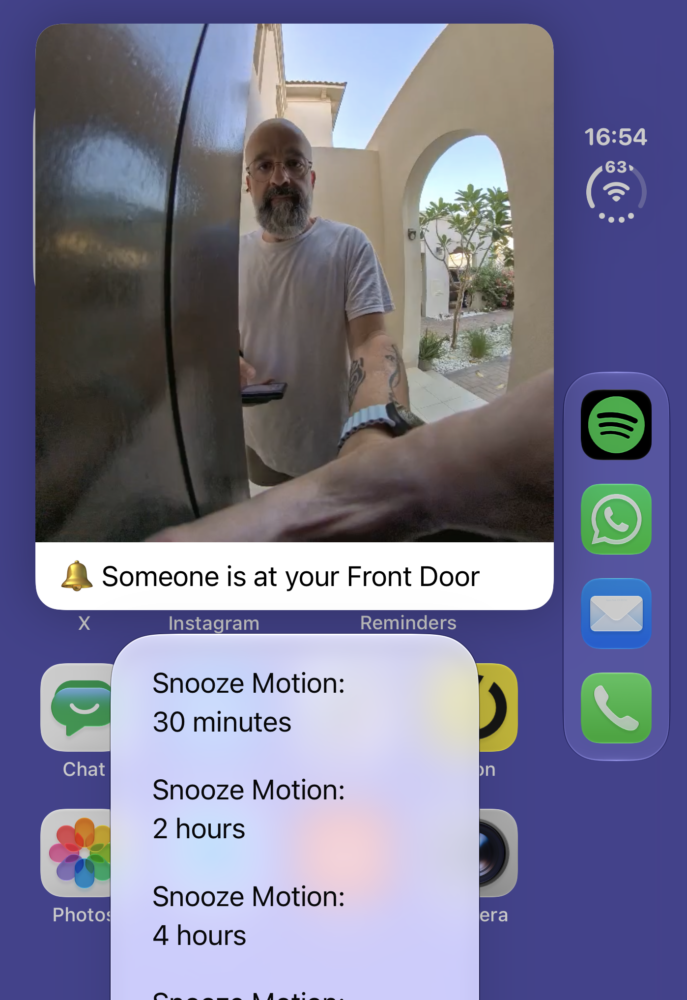
Live View and Two-Way Talk with Audio+ cover the basics, letting you see, hear, and speak to visitors in real time from anywhere, with Ring promising enhanced sound quality over its standard audio. Real-time notifications arrive whenever someone presses the button or motion is detected, and the app pulls in other Ring cameras and devices into one dashboard if you’re building out a wider system. The Control Centre gathers privacy and security settings in one place, which is exactly where they should be for a device that watches your front door all day. Ring also guarantees security updates for at least four years after the device is last sold new, which is reassuring for something bolted to your house.
Alexa integration is a natural fit if you live in Amazon’s ecosystem. Doorbell announcements come through an Echo speaker, and an Echo Show pulls up the live feed without you reaching for your phone, which helps when your hands are full in the kitchen. It’s one area where Ring’s ownership by Amazon clearly works in your favour. If you’re invested in Google Home or Apple Home, though, the experience is far more limited, so ecosystem loyalty is worth factoring into the purchase.
The subscription is where the bill really starts
Now for the familiar Ring catch. Without a subscription, you get live view and real-time alerts, but much of what makes the 4K Pro feel smart sits behind a Ring Protect plan. That includes video history of up to 180 days for every ring, motion event, and Live View session, along with AI-generated Video Descriptions, Single Event Alerts, Doorbell Calls, and Familiar Faces, which is still labelled beta. Ring’s plans are also mid-transition from the Ring Home name to Ring Protect, so expect some shuffling in naming and tiers. The free 30-day trial starts as soon as you activate the doorbell, and it won’t apply if your location already has an active subscription.
Realistically, this is a doorbell you’ll want to pay for monthly, which pushes total cost of ownership well beyond AED 999. Rivals like Eufy built their reputation on local storage without mandatory fees, and that’s a strong argument for budget-conscious buyers. Ring has faced privacy scrutiny in the past, so Privacy Zones and the Control Centre are welcome additions rather than box-ticking. Still, an ongoing fee for a device you’ve already paid premium money for will rub some people the wrong way.
Price and value: premium hardware with an ongoing bill
At AED 999, the Battery Video Doorbell 4K Pro is expensive for a doorbell, and Ring’s own range frames the choice neatly. The Battery Video Doorbell 2K Plus drops to Retinal 2K but keeps the removable battery and the same Low-Light and Adaptive Night Vision pairing, making it the sensible pick if you want most of the convenience for less. At the other end, the Wired Video Doorbell 4K Elite matches the 4K resolution but runs on Power-over-Ethernet and needs professional installation. The 4K Pro sits in the sweet spot, delivering top-tier resolution with genuine DIY freedom, plus radar motion detection and Wi-Fi 6.
The value equation depends on whether you were going to subscribe anyway. If you already use Ring cameras or want cloud recordings and smart alerts, the subscription is part of the deal and this is the best doorbell Ring offers without running cables. If 2K is enough for your doorway, the 2K Plus will save you money, and if you hate monthly fees on principle, a doorbell with local storage may suit you better.
Verdict
The Ring Battery Video Doorbell 4K Pro gets the most important things right. Retinal 4K delivers genuinely sharper footage, the 10x zoom finally has enough resolution to be useful, and the USB-C Quick Release Ultra Battery Pack makes wire-free ownership painless. Radar-powered 3D Motion Detection, Low-Light Sight with Adaptive Night Vision, Privacy Zones, Wi-Fi 6, and tight Alexa integration round it out into a polished, easy-to-install package. The downsides are the high price, a subscription that’s close to essential for recordings and intelligent features, limited appeal outside Amazon’s ecosystem, and a heat rating that UAE buyers should respect with smart placement. If you want the sharpest possible footage without running wires, and you’re comfortable paying for Ring Protect, this is an easy recommendation.