

TL;DR: Stick season 2 deepens Pryce’s past, gives Santi a real crossroads and turns its likeable cast into a true ensemble. A little corny and predictable, but warm, funny and worth the weekly tee time.
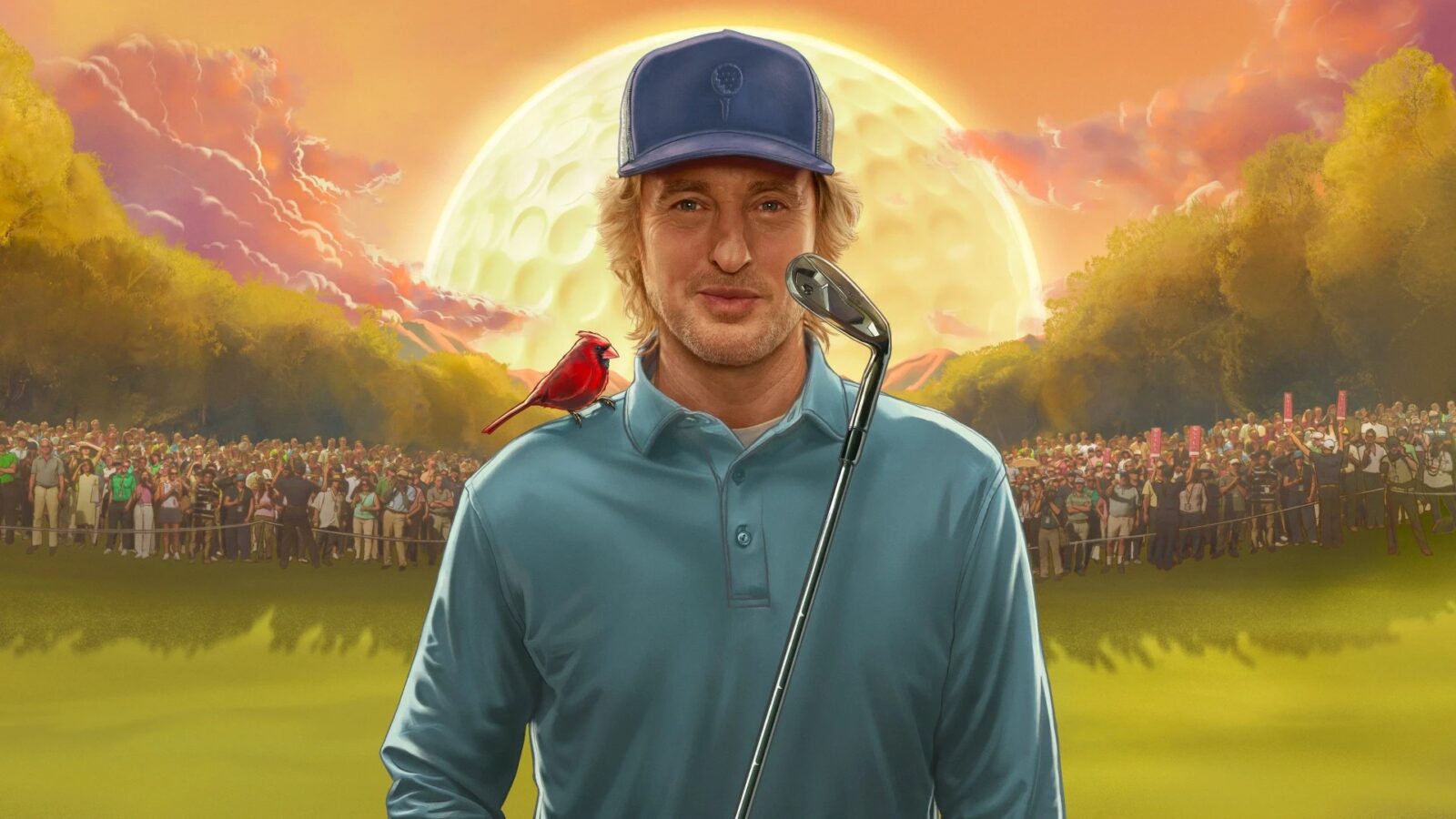
Apple TV’s Stick returns with a two-episode premiere, then rolls out new episodes every Wednesday through December 30 across a ten-episode season. Owen Wilson is back as Pryce Cahill, the former golf star whose career collapsed alongside his marriage after the death of his son, Jett, and a very public blow-up with rival Clark Ross. Season 1 was about Pryce finding Santi Wheeler and, through him, a reason to get out of bed. Season 2 is structured differently, running two parallel journeys that keep crossing paths. Santi, now 18 and suddenly on everyone’s radar, has to decide whether he is ready to turn pro, while Pryce, in his fifties and decades removed from the circuit, flirts with the idea of a comeback against players half his age.
That dual-track design is the best decision the writers made this year. It turns the mentor relationship into a mirror, with Santi walking a road Pryce already knows ends in heartbreak if you take the wrong turns. It reminds me of what made Creed work so well: the veteran isn’t just teaching technique, he’s watching his own past replay in someone younger and trying not to flinch. Pryce never got to parent a grown son, and Santi becomes the closest thing he has, which gives every piece of advice an emotional undercurrent. The show handles that dynamic with real tenderness, even when the scripts underline it a little too heavily.
Owen Wilson finally has to stop deflecting
Wilson’s charm has always been a kind of armour, and Stick season 2 smartly weaponises that against Pryce. The character jokes and self-deprecates his way around anything painful, and this season keeps backing him into corners where that trick stops working. Glimpses into his past reveal that his tendency to sabotage himself started long before the infamous meltdown, which reframes the whole character. His problem was never talent; it was nerve. That’s a much more interesting obstacle for a sports comeback than a bad knee or a rusty swing, and Wilson plays the quiet terror of wanting something again with surprising restraint.
Rhea Seehorn’s arrival as Amanda, his new coach and an old flame with a complicated history, is what unlocks a lot of that. Their chemistry is easy and grown-up, built on two people who know exactly where the other’s weak spots are. Seehorn gives the show a grounded seriousness it needed, and her scenes push Pryce toward conversations he would happily avoid. Peter Dager, meanwhile, continues to prove that casting him was no fluke; he has a natural screen presence that makes Santi’s wide-eyed temptation by money, freebies and fame completely believable.
The supporting cast turns Stick into a proper ensemble
Where season 1 orbited tightly around Pryce and Santi, season 2 spreads the love, and the series is better for it. Marc Maron’s Mitts gets a budding romance with Elena, played by Mariana Treviño, which gives the gruff caddie softer edges without sanding him down entirely. Elena and Zero, played by Lilli Kay, both get room to figure out who they are beyond the golf circus. Judy Greer’s Amber-Linn brings a steadying calm to Pryce’s life, and Billy Zane pops up in a surprise role that I won’t spoil, but it is inspired casting.
Timothy Olyphant remains the show’s secret weapon. Clark Ross gets one of the season’s most surprising arcs, and Olyphant mines it for some of the sharpest comedic beats in the whole run. He plays the role with the swagger of a final boss who wandered into a cosy life sim and decided to stay, and every scene he’s in gets a jolt of energy. The season also introduces a few genuinely unpleasant characters, mostly the people who see Santi as a walking payday, and that added friction keeps the warmth from curdling into syrup.
Heart over handicap, with a little corn in the bunker
Make no mistake, this is a show about vulnerability first and golf second. The sport is framing, not focus, and anyone hoping for gripping tournament drama in the vein of Slam Dunk‘s nail-biting final matches won’t find that intensity here. Instead, Stick leans further into mental health this season, with nearly every character facing big questions about love, self-worth, acceptance and when to let go. I appreciate how sincerely it handles grief, especially in the way Pryce’s loss quietly shapes how he treats Santi.
The flip side is that sincerity occasionally tips into corniness. Some speeches feel engineered to make you reach for the tissues, and the broad shape of where the season is heading is fairly easy to predict. Still, predictability matters less in a show like this, because the payoff lies in the small moments between characters rather than plot twists. If Season 1 was the tutorial, Season 2 feels like the game opening up its side quests, and most of them are worth taking.
Verdict
Stick season 2 improves on its debut by giving Pryce and Santi parallel arcs that genuinely inform each other and by letting its excellent supporting cast breathe. Wilson does some of his most vulnerable work, Seehorn is a superb addition, Dager keeps impressing, and Olyphant steals scenes with ease. It can be sentimental and predictable, and golf purists may wish the sport mattered more. For anyone after warm, funny, emotionally honest comfort television, it’s an easy recommendation on Apple TV.