

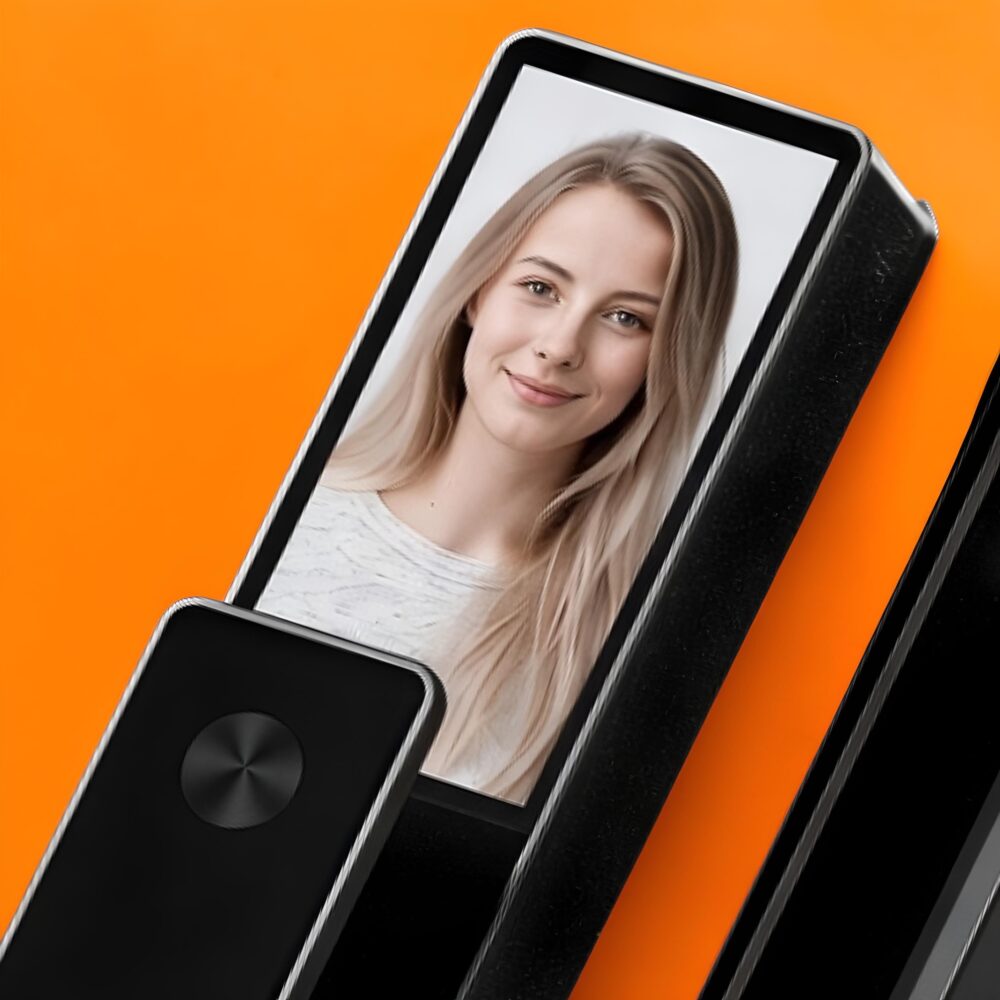
TL;DR: The EZVIZ Y3000FVP Plus makes coming home properly hands-free with fast 3D face unlock, palm vein scanning, eight unlock methods, a night vision camera and an indoor screen, while keeping data local. At around AED 1,400 it’s premium, and you’ll want a spare battery, but it’s an outstanding smart lock.
I’ve lived with enough smart locks to know the routine. You get excited, install it, admire it for a week, and then you’re back to arguing with a fingerprint sensor that won’t accept your thumb after you’ve washed your hands. The EZVIZ Y3000FVP Plus broke that routine for me. It combines 3D face recognition, palm vein scanning, a built-in camera with night vision, a 4-inch indoor screen and eight different ways to get through the door. After living with it on my own front door, I think it’s one of the most thoughtfully designed entry systems I’ve tried. It feels less like a gadget attached to the door and more like the door has become a member of the household.
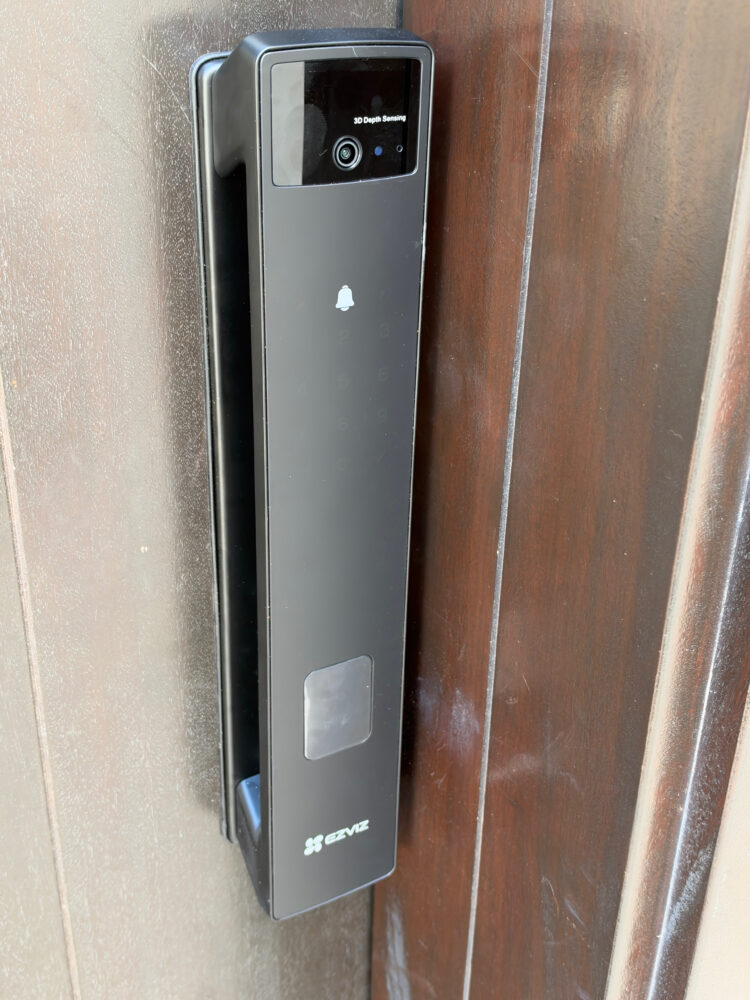
EZVIZ comes from the security camera world, and you can tell. Most smart locks treat the camera as an extra feature. Here, vision is central to the whole product, from how it recognises you to how it watches and records what happens outside. The aim is to merge your lock, peephole and video doorbell into one device, so your front door doesn’t depend on three gadgets and two apps. My unit uses the 6068 mortise lock body. There’s also a 5085 version, so check your door’s fit before ordering, because finding that out after the box arrives is no fun.
Tall, metallic and built like it means business
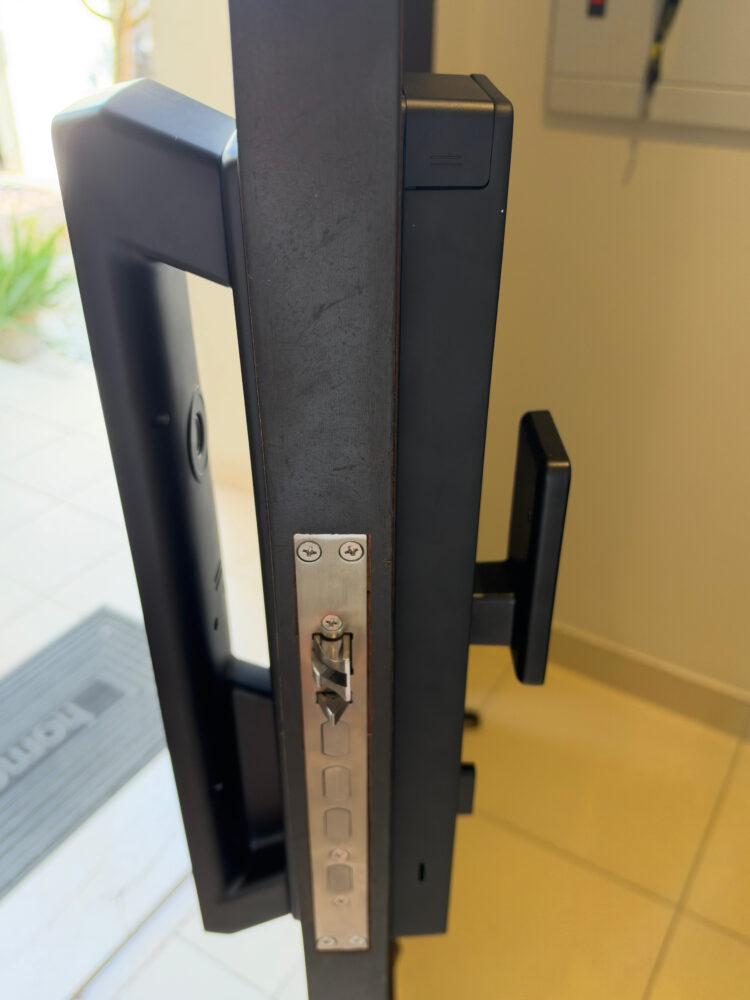
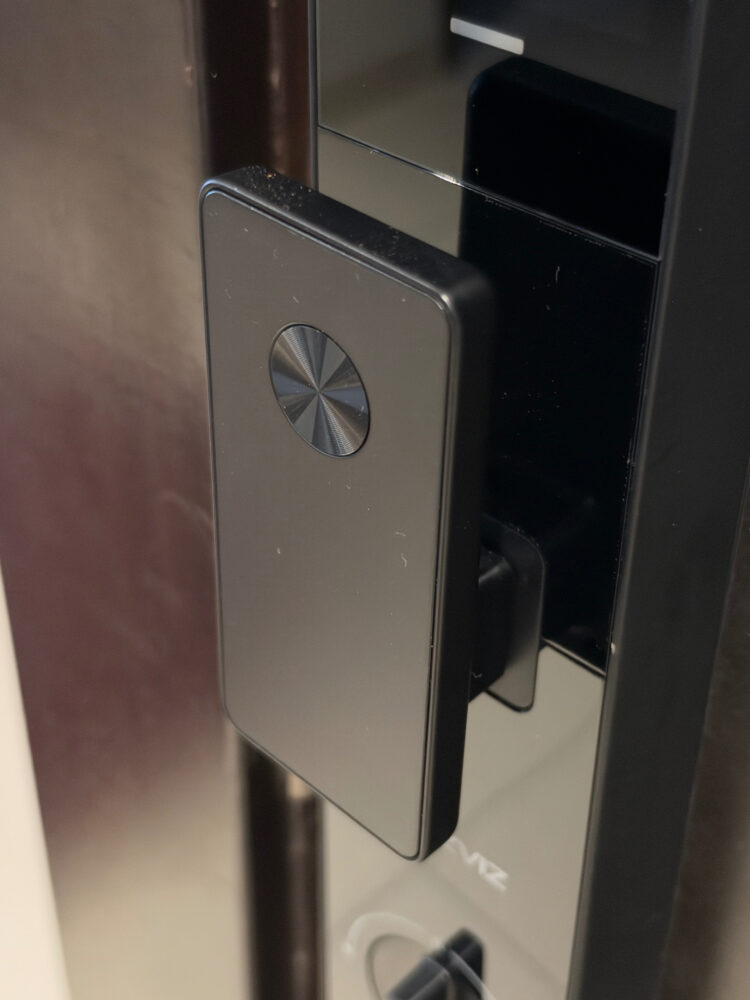
In person, the Y3000FVP Plus has real presence. Both panels are aluminium alloy, and at roughly 40cm tall the front panel is an imposing slab of metallic grey that makes standard keypad locks look like toys. The extra height isn’t for show. It holds the face recognition camera, palm vein reader, fingerprint sensor and keypad without crowding everything into a small area. The handle is smooth and comfortable, which matters more than people think on something you’ll grab several times a day for years.
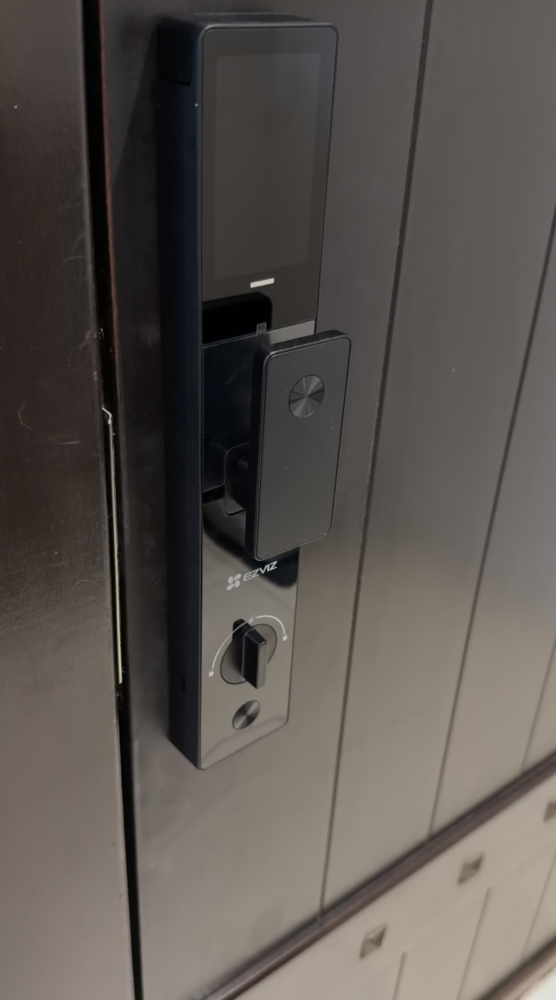
Inside, the rear panel is slimmer but still substantial, and it carries the indoor screen, battery compartment and manual controls. A C-level lock cylinder and an automatic mechanical detection lock body give it proper security credentials beyond the electronics. That’s what I want to see on a premium lock, because clever software doesn’t help if the hardware gives way to a crowbar. The overall look is modern and premium, though if your front door leans traditional, this will look more like a Starfleet access panel than a classic brass handle.
Face unlock that works the way Face ID taught us to expect
The biggest daily improvement is the 3D face recognition. I walk up, the lock sees me, and I’m inside without touching anything. It’s rated to unlock in a second or less, and in daily use it feels just that quick. That sounds like a small change until you remember how often you reach your front door with your hands full. Grocery bags, a laptop bag, a sleeping kid on your shoulder: these are exactly the moments when other smart locks make you put everything down, and the Y3000FVP Plus doesn’t. It reminds me of when Face ID made fingerprint unlocking on phones feel old overnight.
The depth sensing is why I trust it as much as I enjoy it. Flat 2D face recognition has been embarrassed by printed photos plenty of times, and I wouldn’t want that on my front door. Proper 3D mapping means the lock reads the shape of a face, not just its appearance, which is the line between a convenience feature and a security feature. It stores up to 50 faces, so even large households and regular family visitors fit comfortably. Enrolling the family was easy, and having everyone get in hands-free quickly made the old keypad routine feel pointless.
Palm vein scanning is the backup I didn’t know I wanted
Palm vein recognition seemed like a spec-sheet novelty at first. I’ve changed my mind. Instead of reading fingerprint ridges, it maps the vein pattern beneath the skin of your palm. That makes it much harder to fake, and it doesn’t care whether your hands are wet, dusty or roughed up from a weekend of DIY. You hold your palm up and the door opens. It feels very Blade Runner, without the dystopian rain.
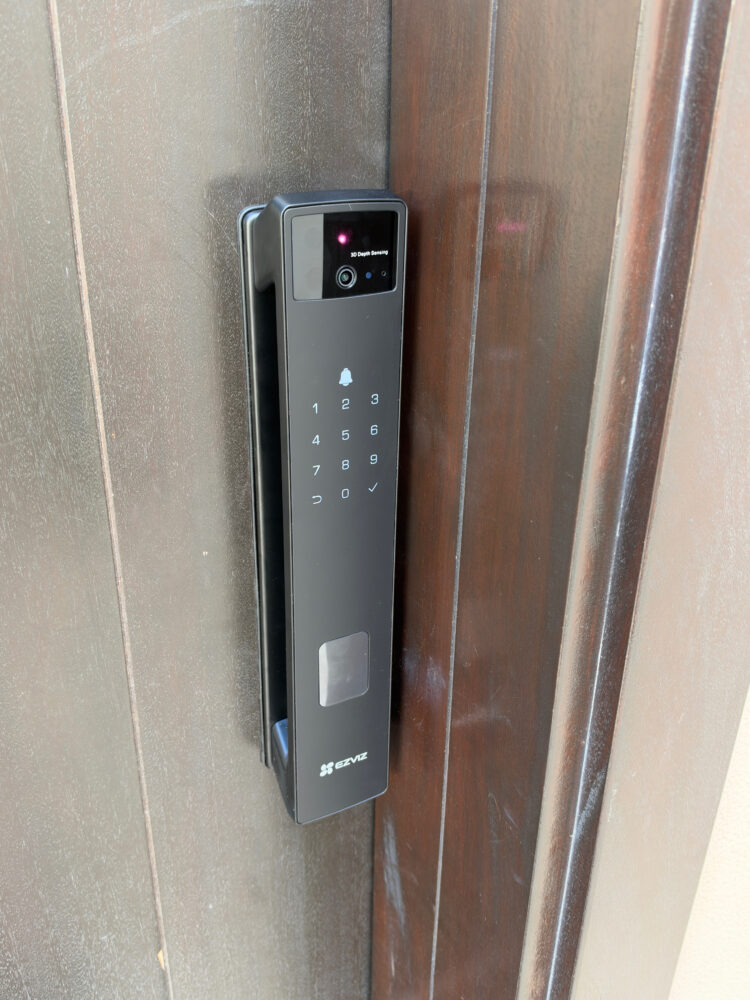
What I value most is how well it pairs with face recognition. A cap pulled low, awkward lighting, or approaching from a strange angle can all make face unlock less ideal, and the palm reader handles those situations without me reaching for a phone or a code. Like faces, it stores up to 50 palm profiles. Having two touchless options means the lock fits how real people actually move through a doorway, not how a product demo assumes they do. That kind of redundancy is what separates a lock you put up with from one you rely on.
Eight ways in means nobody in the house gets left behind
The “8-in-1” label sounds like marketing until you see what it covers. Besides face and palm vein, you get fingerprint, passcode, mechanical key, Bluetooth key through the EZVIZ app, temporary codes and remote unlocking. Each person can use whatever suits them, and that turns out to be the quiet strength of this lock. Kids can use a fingerprint or code, older relatives who don’t want to deal with tech can still use a physical key, and I hardly touch anything at all.
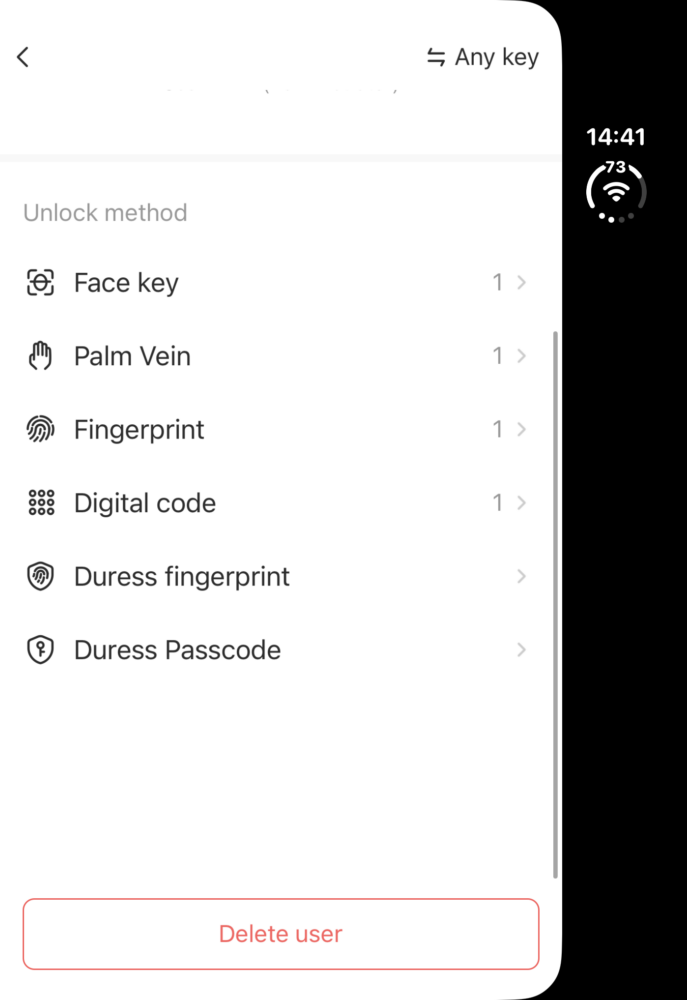
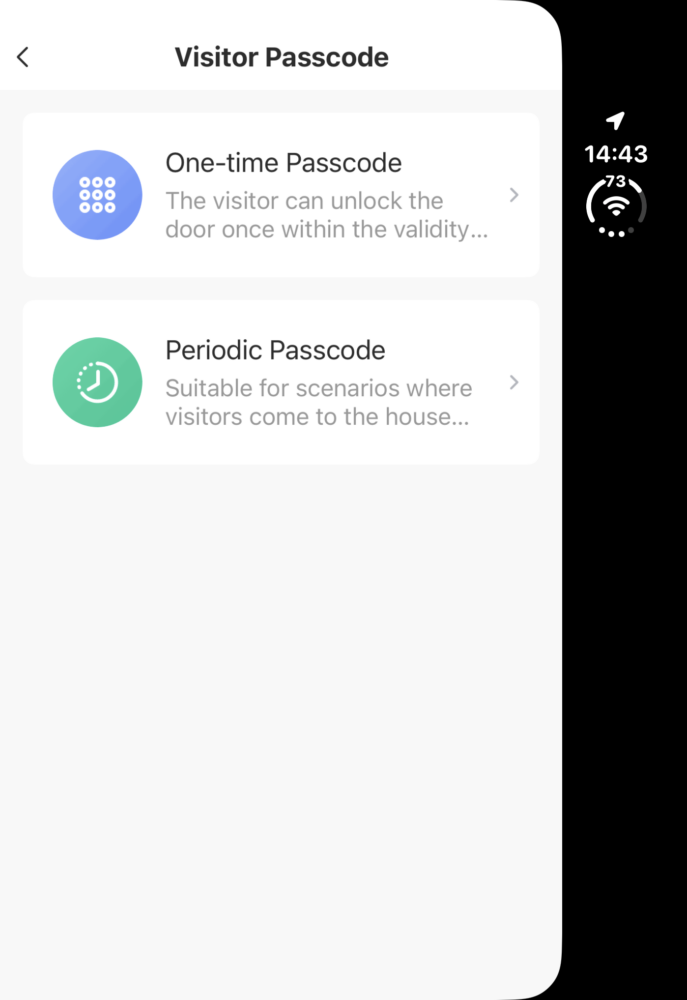
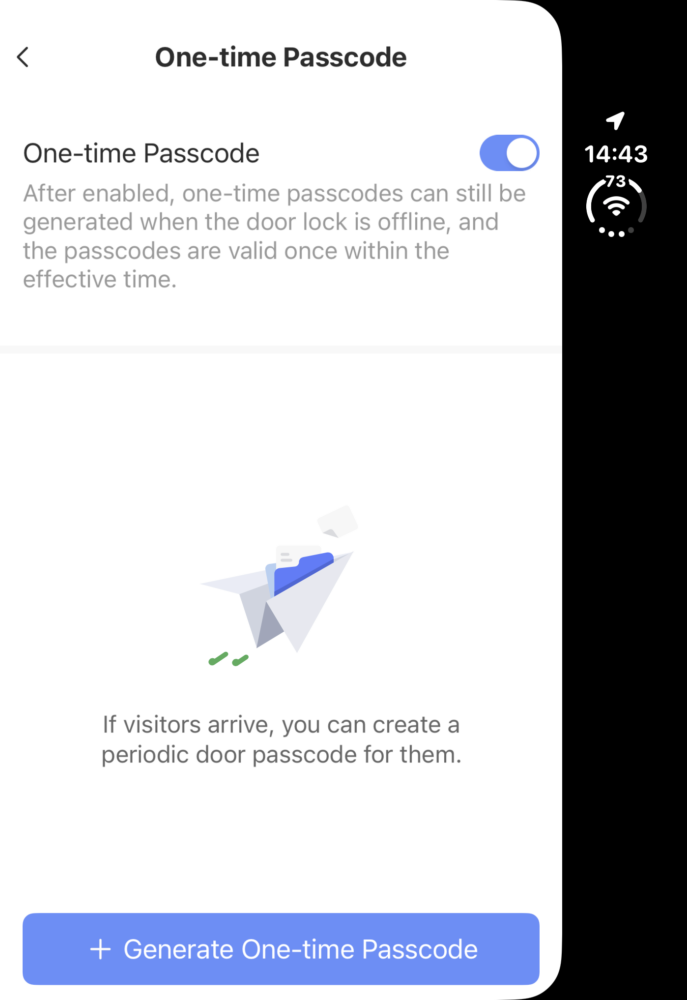
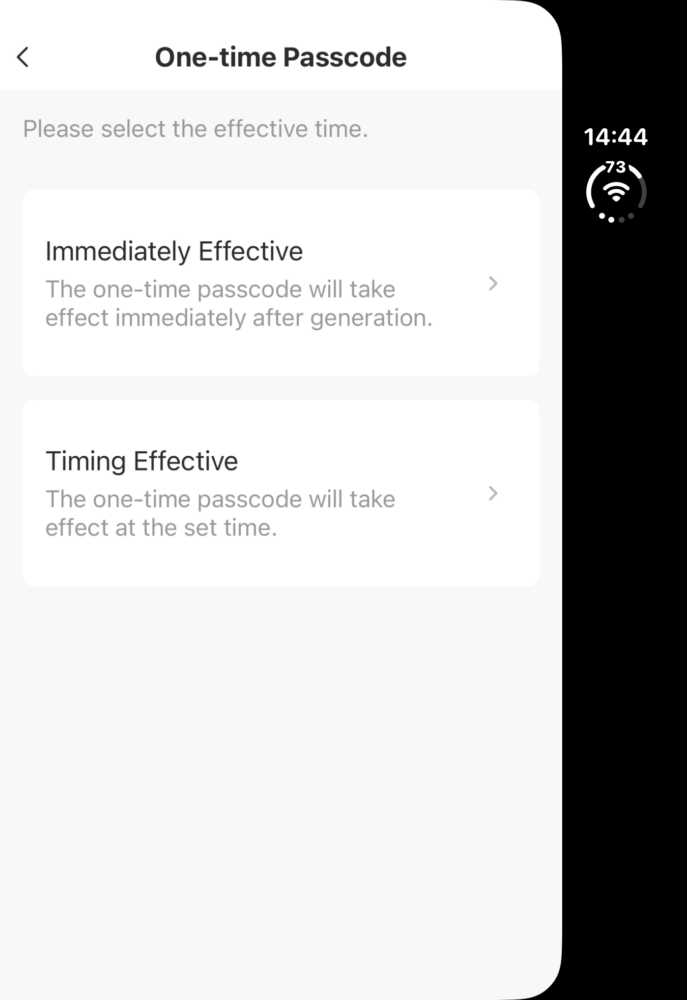
Temporary codes are the feature I use most after the biometrics. Cleaners, maintenance workers and visiting family can get access for a set period without me copying keys or sharing a permanent code I’ll later forget to change. Remote unlocking covers the “I’m stuck at the office and the courier is outside” situation. The lock also shuts itself down after five failed passcode attempts, which stops anyone trying to brute-force their way in. With this many options, it’s hard to imagine a household setup it can’t handle.
A 12nm AI chip in a door lock sounds silly until you think about privacy
Putting a 12nm AI chip and a dual-core CPU inside a door lock initially sounds like the smart home industry showing off. The reasoning becomes clear once you consider what the lock is storing. It holds 3D face models and palm vein patterns for everyone in the house, and all of that recognition data is processed and stored locally on the device. Nothing has to go to a server to decide whether I’m allowed into my own home. That’s the most important design decision in the whole product, because a leaked password can be reset and a leaked face can’t.
The 8GB of built-in storage follows the same approach, keeping video logs of activity at the door on the lock itself, so your doorstep history doesn’t depend on a subscription. Local processing also helps reliability, since a weak internet connection or a server problem won’t leave you stuck outside. End-to-end encryption protects the remote features, and over-the-air updates mean recognition and features can keep improving after installation. That matters for a device you’ll keep for years. As always, the update promise is only as good as the long-term support, so I’ll be watching how long this model stays current.
The indoor screen turns a peephole into a proper security camera
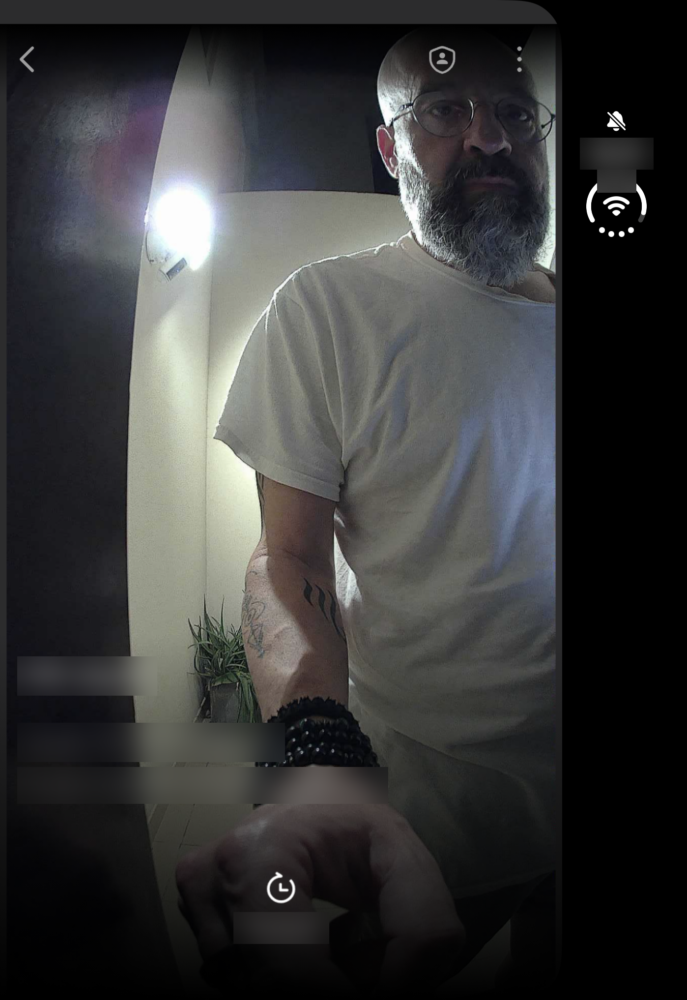
The 4-inch indoor screen is the feature that surprised me most. Instead of squinting through a fisheye peephole at a distorted blob, I see who’s outside clearly on a real display. It’s a quality-of-life upgrade that’s hard to give up afterwards, and it’s especially useful for kids and older relatives who can’t reach a traditional peephole comfortably. Night vision means it doesn’t become useless after sunset, which is exactly when you most want to know who’s knocking.
Through the EZVIZ app, the camera becomes an active intercom with live view and two-way video calls, so I can talk to a courier or let a family member in while I’m out. That effectively replaces a standalone video doorbell, which means one less device to mount, charge and manage. Wandering detection makes the setup proactive. It sends real-time alerts when someone stays near the door longer than they should, and I can play back recorded events afterwards. Most smart locks only react once someone touches them, so having one that pays attention earlier is a meaningful change.
Built to deal with people who aren’t invited, and protect the ones who are
The physical security is just as convincing as the AI. The lock body is built to resist forced entry, and an anti-tamper alarm sounds and sends an alert if anyone tries to force it. Anti-peeping protections deal with the simpler threat of someone watching you enter a code. There’s also a child safety lock that stops little ones from opening the door from inside, which, as a parent, I’d consider essential rather than a bonus. A curious toddler and an unlocked front door is a horror film I never want to see.
The app keeps all of this tidy. Alerts for unlock attempts, tamper warnings, lingering visitors and low battery come through clearly, and the lock status view and activity log let me check what’s happening from anywhere. Being able to confirm the door is locked from my phone has already saved me the classic panic of turning the car around to check. Connectivity runs over 2.4GHz Wi-Fi and Bluetooth, so make sure your router reaches the front door. The one real catch is that everything runs inside EZVIZ’s own app, so if your home is built around another smart home platform, this works more as a self-contained system than a perfectly integrated piece.
Battery life is the trade-off, so I bought a spare pack
The lock runs on a 5,000mAh rechargeable lithium battery, and with normal, moderate use it can go for months between charges. I much prefer that to locks that go through stacks of AA cells, since you just top it up and carry on. Physics still applies, though. A lock that does 3D face sensing, runs a camera, powers an indoor display, handles video calls and watches for loiterers will use more energy than a basic keypad lock. A busy door, constant live view checks and a weak Wi-Fi signal will all shorten that, but for a typical household coming and going a few times a day, charging is an occasional job rather than a weekly chore.
Even so, I bought an extra battery pack and keep it charged for emergencies. When the low-battery warning appears on the lock and in the app, I swap in the spare in seconds instead of waiting for a recharge while the front door sits without power. If you’re ever caught completely off guard, a USB Type-C emergency port on the outside lets you plug in a power bank and get in, which is the kind of fail-safe every smart lock should have. It’s the same logic as keeping a spare controller battery nearby for a long gaming session. A little preparation removes the stress entirely.
Verdict
The EZVIZ Y3000FVP Plus is the smart lock that finally made keys and keypads feel optional in my house. Its 3D face recognition is fast and hands-free in exactly the moments that matter, and palm vein scanning is a smart, hard-to-fool backup that’s genuinely useful rather than a gimmick. With eight unlocking methods, everyone in the household gets an option that suits them, and keeping biometric data and video logs on the device is the right privacy decision for a lock that stores your family’s faces. The indoor screen, night vision, active intercom and wandering detection let it replace a separate video doorbell, while the sturdy lock body, anti-tamper alarm and child safety lock make the physical security just as convincing as the software.