


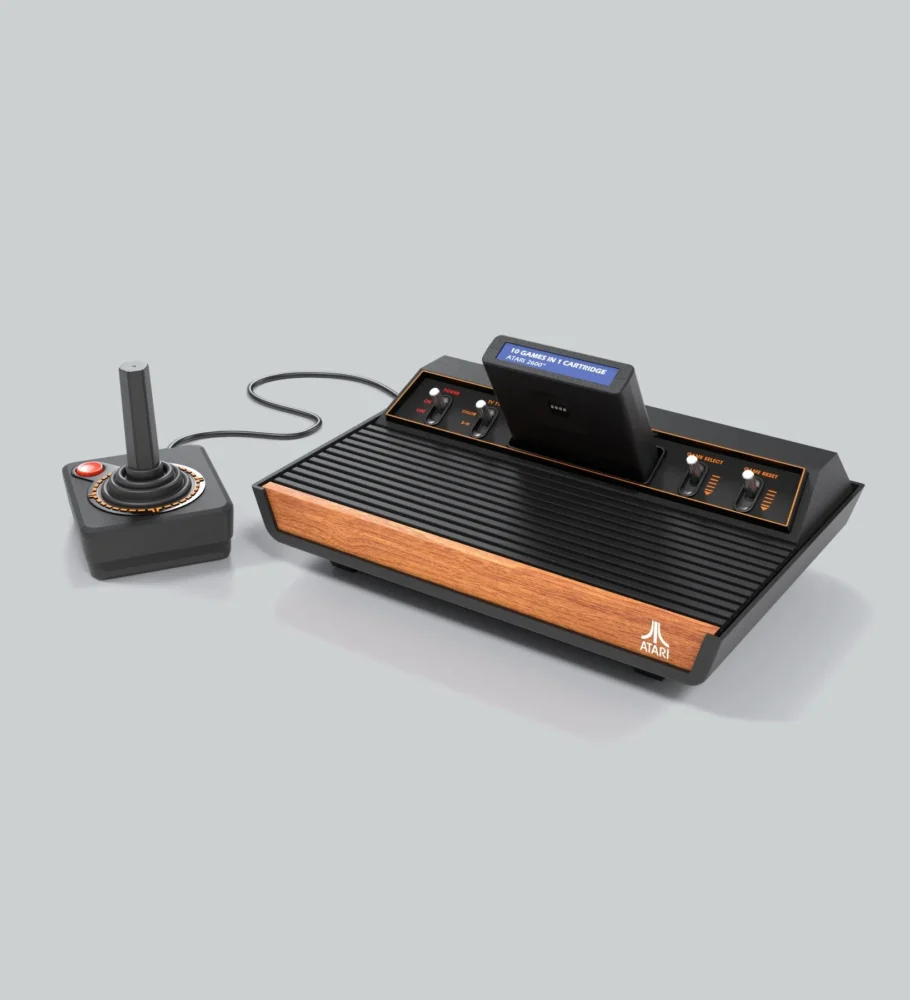

Atari is pulling the plug on the storefront that powered its comeback console. The company confirmed on 21 October that it has stopped accepting new games for the Atari VCS and will shut the system’s software store on 1 February 2027, ending firmware updates along with it. Owners have until 31 January to buy anything else from the official shop.
For a machine that never quite found its audience, the announcement isn’t a shock. The VCS started life as a crowdfunded project, survived a drawn-out development cycle, and finally reached retail in 2021 at $399.99, a steep ask for hardware built largely around nostalgia. Its name was a deliberate callback to the Video Computer System, the original title of the Atari 2600, and it shipped with more than 100 classic games preloaded. Sales reportedly disappointed, and the console has been linked to the heavy financial losses Atari posted across 2021 and 2022.
The more important question for owners is what happens to their libraries, and here Atari’s plan is better than most platform shutdowns. A forthcoming OS update will remove the console’s dependence on Atari’s servers, meaning games already purchased should keep working offline. That’s a welcome contrast to the digital storefront closures that have left players on other platforms worrying about whether “owned” content is really theirs.
Atari is also rolling out a Home Brew app across all VCS units, which the company says will let anyone add games independently and allow developers to keep building and sharing software with the community. In effect, Atari is handing the platform’s future to its most dedicated fans. Migration guides are promised in the coming weeks, and the company is directing concerned owners to its Discord channels for support.
Atari framed the decision as the natural end of something that was only ever meant to be a one-off crowdfunding effort, noting it has supported the platform since 2020. That’s a generous reading. Six years is a short lifespan for a console sold at near-premium pricing, and buyers who expected a living ecosystem may feel differently. The VCS’s PC mode, which lets owners install other operating systems, at least gives the hardware some life beyond Atari’s own software.
The retreat also fits Atari’s recent direction. Rather than chasing its own platform, the company has leaned into retro reissues such as the Atari 2600+ and new releases for legacy hardware. Whether an open homebrew scene can sustain the VCS without official backing is now the real test, and it will reveal whether this console ever had a community worth preserving.