
Following a landmark edition in the French capital, Faisal Bin Homran, Chief Product Officer at the Esports Foundation, discusses the challenges of taking the Esports World Cup global, the economics of competitive gaming and the ambition to establish esports among the world’s biggest sporting events.
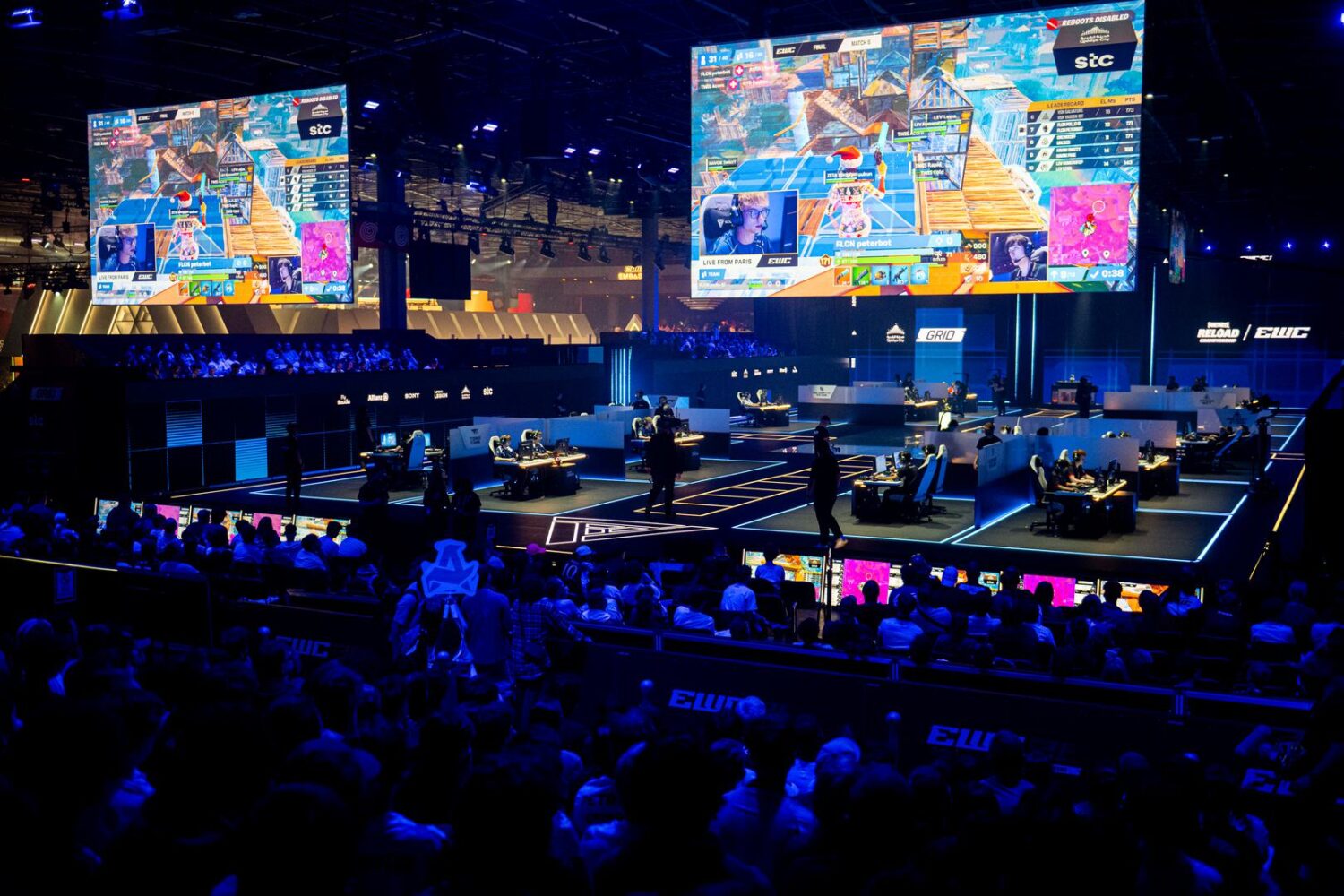
After two editions in Riyadh, the competition arrived in Paris in 2026, taking its first major step towards becoming a truly international sporting spectacle. Over seven weeks, the French capital played host to some of the biggest names in competitive gaming, bringing together thousands of players and hundreds of esports organisations for a share of a record-breaking $75 million prize pool.
The scale was certainly impressive. The 2026 edition featured 25 tournaments across 24 games, with more than 2,000 players representing over 200 Clubs from more than 100 countries. According to figures released by the Esports Foundation, the event attracted 850 million viewers across digital platforms worldwide, generating over 440 million hours of watch time. Ticket sales for esports competitions also increased by 94% compared with the previous edition.
But impressive viewership figures and prize pools only tell part of the story.
Competitive gaming remains an incredibly fragmented industry. Publishers control their respective titles, esports organisations compete across different ecosystems, and audiences are often fiercely loyal to individual games. Add the ongoing conversations surrounding financial sustainability and the difficulties of creating long-term careers in esports, and the challenges facing the industry become considerably more complicated.
The Esports World Cup is attempting to address several of these problems through a single international platform. The question is how effectively that ambition translates into lasting change for competitive gaming.
During my visit to Paris for the 2026 edition, I spoke with Faisal Bin Homran, Chief Product Officer at the Esports Foundation, about the thinking behind the event and its future. From expanding into new markets to building a stronger competitive ecosystem, the conversation offered an interesting look at where the Foundation believes esports is heading.
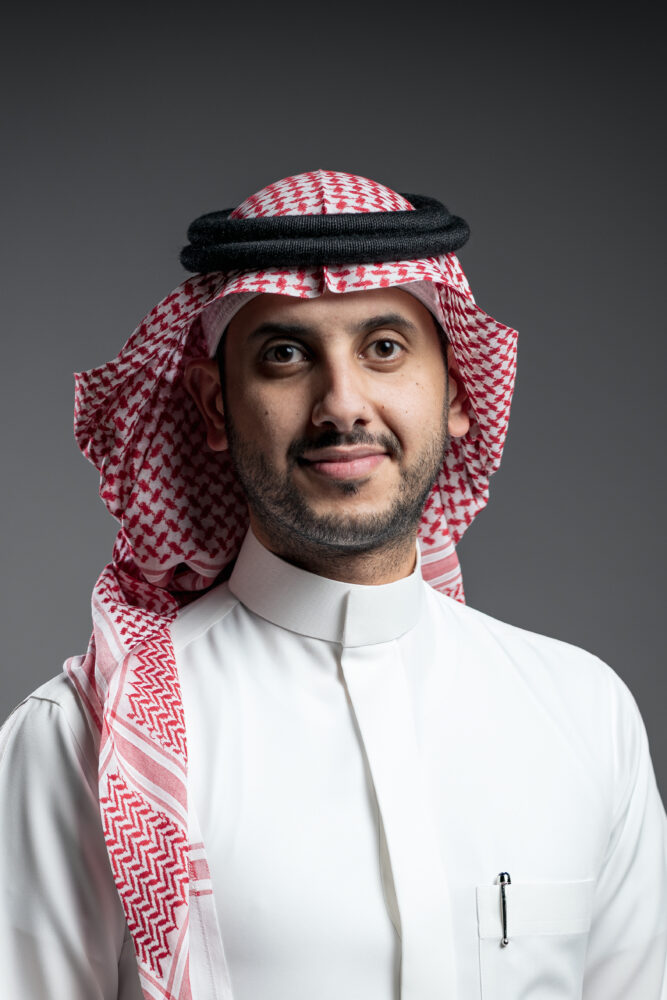
Faisal Bin Homran, Chief Product Officer, Esports Foundation
Taking the Esports World Cup global
For an event that had established its identity in Saudi Arabia, moving to Paris presented an interesting challenge.
Riyadh had served as the home of the first two editions, with the Esports World Cup rapidly becoming one of the largest annual gatherings in competitive gaming. Taking that experience to a European city meant introducing the event to new audiences while maintaining the competitive standards that had already been established. For Bin Homran, preserving that identity was a priority.
“The objective was never to create a European version of EWC,” he explains.
The Foundation’s approach was to retain the scale and standards of the competition while allowing the surrounding fan experience to reflect its new host city.
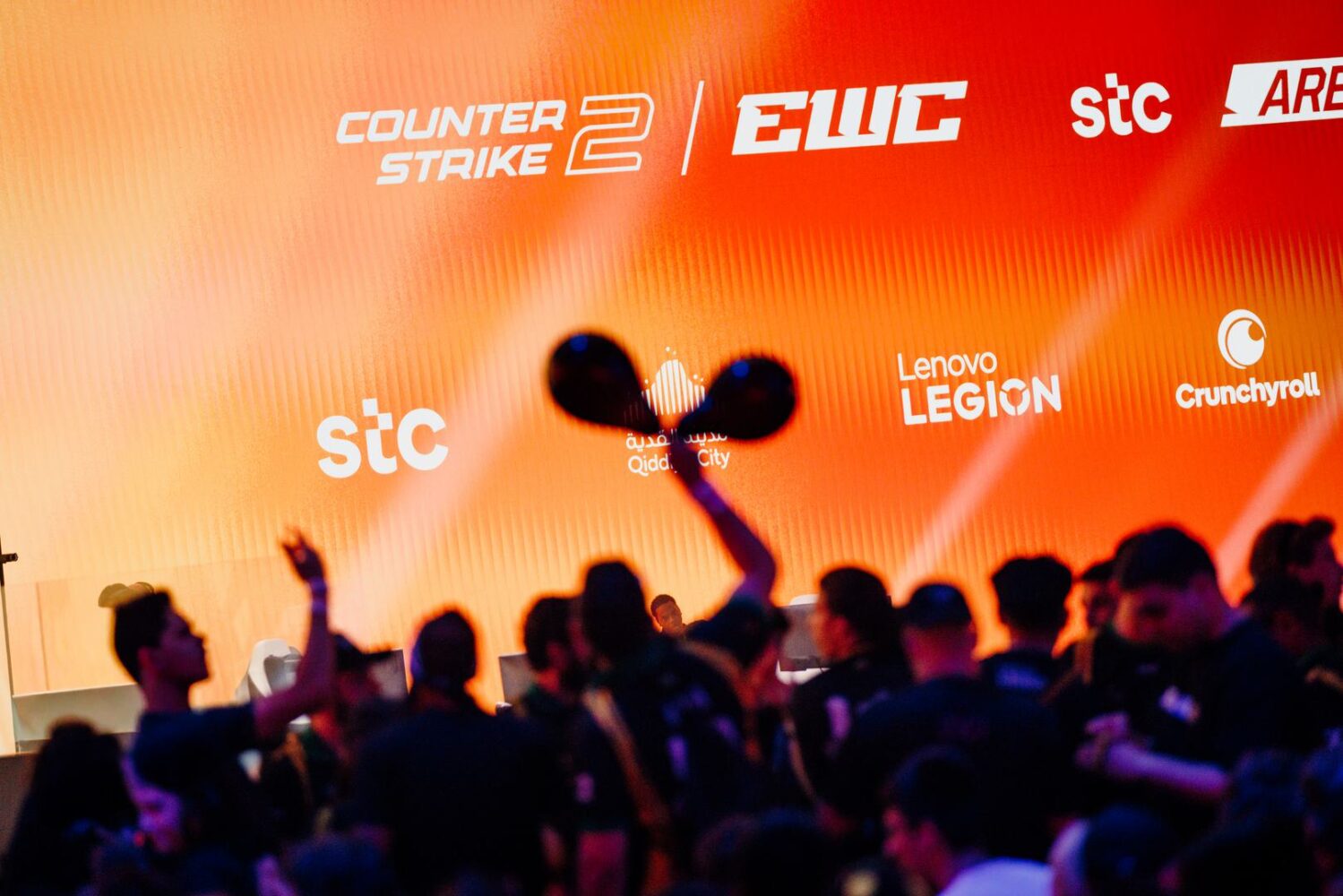
That meant working closely with French and international media, local creators and community partners to develop programming that would resonate with audiences in Paris. French-language communications and creator-led storytelling became important parts of introducing the Esports World Cup to people who might not have followed its previous editions. The event also extended well beyond the competition venue.
Fan Fest and the Esports Festival on the Champs-Élysées brought gaming into the heart of Paris, with community programming and interactive experiences making the event accessible to a wider audience. Appearances by internationally recognised sporting personalities, including Karim Benzema and Giannis Antetokounmpo, provided another connection between esports and mainstream sport. A showmatch featuring Benzema was among the activations designed to bring football and gaming audiences together.
These experiences highlighted a broader ambition for the event. While esports already commands significant online audiences, building a recognisable international sporting property requires a cultural presence that extends beyond the games themselves and Paris offered the perfect opportunity to explore what that could look like.
Bin Homran maintains that Riyadh remains the home and foundation of the Esports World Cup, with the French edition demonstrating its ability to reach international audiences without losing its established identity. The move also raises an interesting question about the future of the event. As the World Cup expands into different markets, how much of its character will be shaped by the host city, and how much will remain consistent regardless of where the tournament takes place?
Finding that balance will be particularly important if EWC intends to establish itself as a fixture on the global sporting calendar.
One tournament, many different gaming communities
Perhaps the biggest challenge facing the Esports World Cup is the nature of esports itself.
Unlike conventional sports, competitive gaming encompasses dozens of titles that operate independently of one another. Each has its own publisher, professional circuit and audience, with communities that have developed their own identities over many years. A Counter-Strike fan might have little interest in Mobile Legends: Bang Bang, while the competitive culture surrounding a fighting game such as Tekken 8 differs considerably from that of a team-based strategy title. Bringing these audiences together under a single banner is an ambitious exercise.
“The strength of EWC is that it does not ask every game to look or feel the same,” says Bin Homran.
Rather than standardising each esport, the Foundation has focused on developing a wider competitive structure that connects them and the Club Championship sits at the centre of that approach.
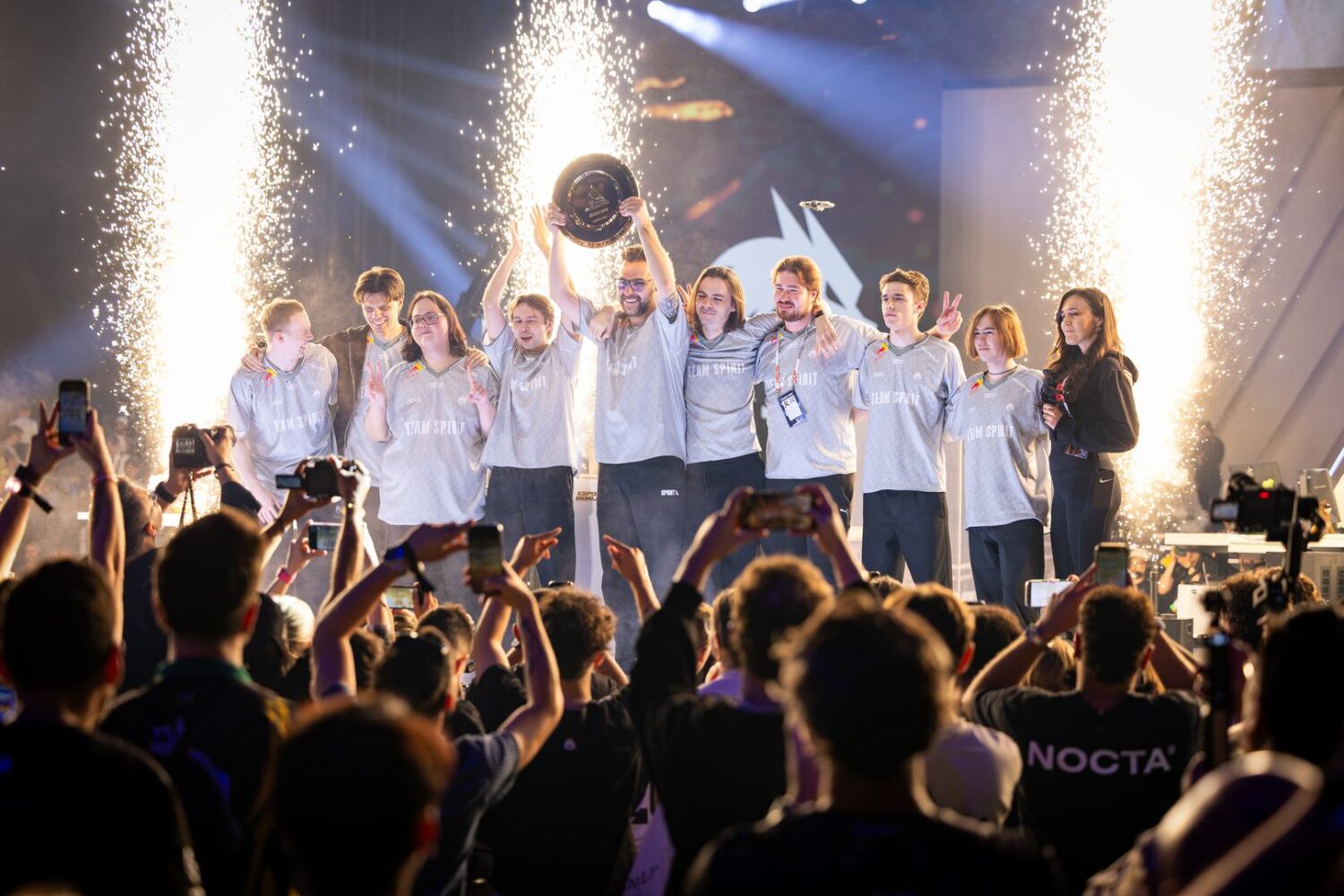
While individual games retain their own tournaments and champions, esports organisations accumulate points based on their performances across different titles. Those results contribute to an overarching championship that rewards Clubs capable of succeeding across multiple competitions. The system gives the Esports World Cup a broader competitive narrative that continues throughout the seven-week event.
Fans supporting a particular organisation may initially attend or tune in for a single game, but the Club Championship gives them a reason to follow that organisation’s progress elsewhere. A result in an entirely different title could influence a Club’s overall standing, encouraging supporters to become invested in games and players they might otherwise overlook.
It also creates another level of competition between esports organisations, rewarding those that have built strong rosters across multiple titles. For Bin Homran, this is how EWC can develop a shared identity while preserving the individual characteristics of its participating games.
The approach could be particularly valuable for the wider industry. Esports has traditionally struggled to move audiences between titles, with fan loyalty often tied more closely to individual games than to the organisations competing within them. Whether the Club Championship can meaningfully change those viewing habits over the long term remains to be seen, but it provides a structure that encourages audiences to discover more of the competitive gaming landscape.
Building an esports season that lasts all year
The other major challenge for EWC is maintaining relevance beyond the main tournament.
For traditional sports, the journey towards a championship can be as compelling as the event itself. Qualification campaigns, emerging contenders and rivalries that develop over the course of a season create the anticipation that surrounds major competitions. Esports already has these stories, but they often unfold independently within each game’s competitive ecosystem.
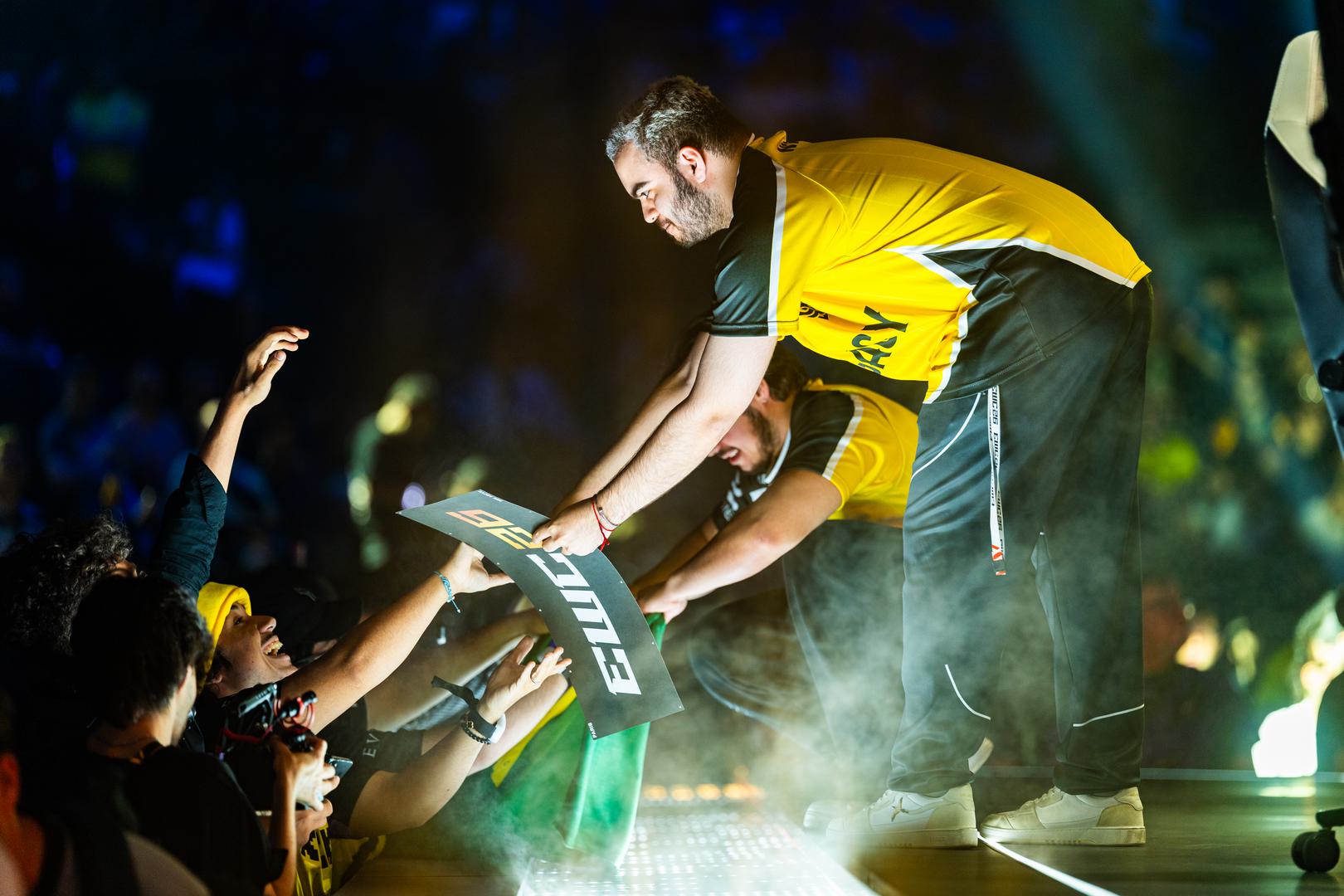
The Esports Foundation wants to connect those journeys through Road to EWC, an initiative introduced in 2026 that links qualification competitions around the world to the main Esports World Cup. “The Esports World Cup is already a year-round journey,” Bin Homran explains.
According to the Foundation, more than 1.5 million players participated in 330 Road to EWC events around the world in 2026.
That is a substantial competitive network, offering players from different regions opportunities to qualify for the main event while creating storylines that develop throughout the year. Fans can follow emerging talent as they progress through qualification events, track the form of established esports organisations and see how competitive scenes in different regions are developing. For players, it creates a more visible pathway towards competing on one of esports’ biggest stages.
However, building that system requires significant cooperation with the companies that own the games. Publishers maintain control over their respective competitive ecosystems, including tournament structures and calendars. Some games have established international leagues, while others depend on a combination of regional circuits and third-party tournaments.
The Esports Foundation cannot simply impose a unified competition structure across all of them. Bin Homran says close collaboration with publishers has therefore been fundamental to the development of EWC.
Through multi-year partnerships with leading game publishers, the Foundation has been investing in competitive circuits and supporting grassroots esports communities.Road to EWC connects those existing competitions to the World Cup, creating clearer qualification pathways while allowing publishers to retain the characteristics of their individual esports.
That cooperation is also important for developing the professional structures surrounding competitive gaming. Grassroots competitions provide opportunities for emerging talent, while stronger regional circuits can help players progress towards international events. For publishers, the Esports World Cup offers an additional global platform through which their existing competitive communities can gain exposure.
The ambition is to create a connected ecosystem in which each participating game benefits from the visibility of the wider event. There are obvious logistical and commercial challenges involved in coordinating so many independent stakeholders.
Nevertheless, the Foundation sees those publisher relationships as essential to making the World Cup a meaningful part of the competitive calendar.
More than watching matches
During the Paris edition, it became clear that the Esports World Cup was investing considerable effort in what happened outside the actual tournaments. For years, major esports events have largely centred on the competitive spectacle. The audience arrives to watch its favourite players or teams, with the matches serving as the primary attraction.
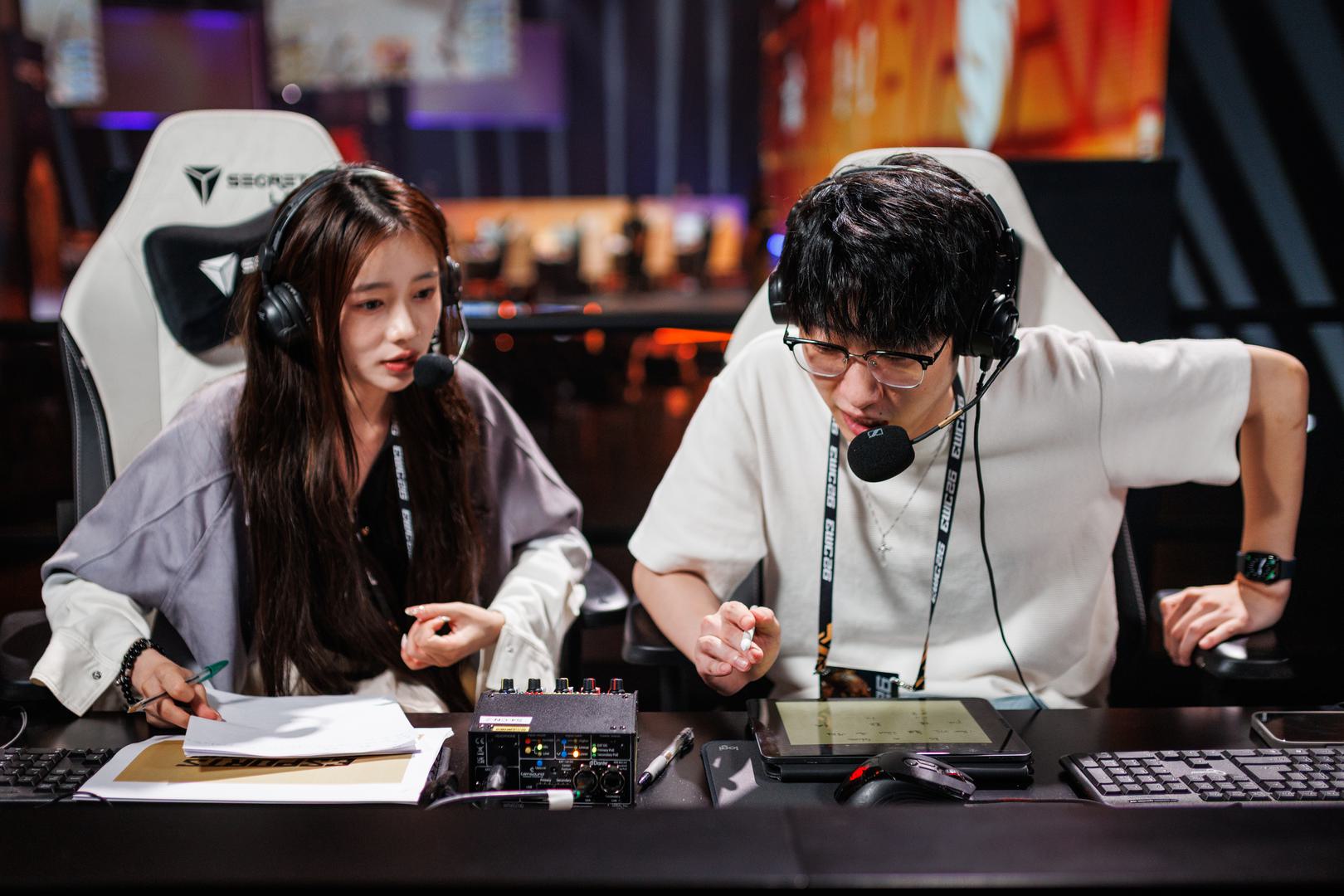
But what happens when the game someone follows is not being played?
“Competition is at the heart of the Esports World Cup, but the experience has always been designed to go beyond watching matches,” Bin Homran explains. The Paris edition demonstrated that philosophy through a programme of fan-focused activities designed to appeal to a broad gaming audience.
Club activations gave supporters opportunities to engage with the organisations they follow, while publisher showcases and hands-on gaming experiences encouraged visitors to explore different titles. Creator appearances and community events provided additional reasons to participate in the festival, even for those who were not necessarily interested in the competitive schedule.
Taking the experience to the Champs-Élysées also helped introduce the event to people outside its existing audience. Sporting personalities such as Benzema and Antetokounmpo provided another route into the wider entertainment conversation, highlighting how gaming increasingly overlaps with established popular culture.
The Club Championship plays a role here as well.
Because the overall standings depend on performances across multiple games, fans have a reason to remain engaged with the tournament even after their preferred title has concluded. Together, these elements help position EWC as a broader celebration of gaming.
There is also a commercial benefit to this approach. Creating experiences beyond the matches gives sponsors and publishers more opportunities to engage directly with visitors, while potentially encouraging fans to spend more time at the event.
For the Foundation, the challenge will be maintaining that variety as the tournament develops internationally, ensuring the wider festival experience remains relevant to each host city’s gaming community.
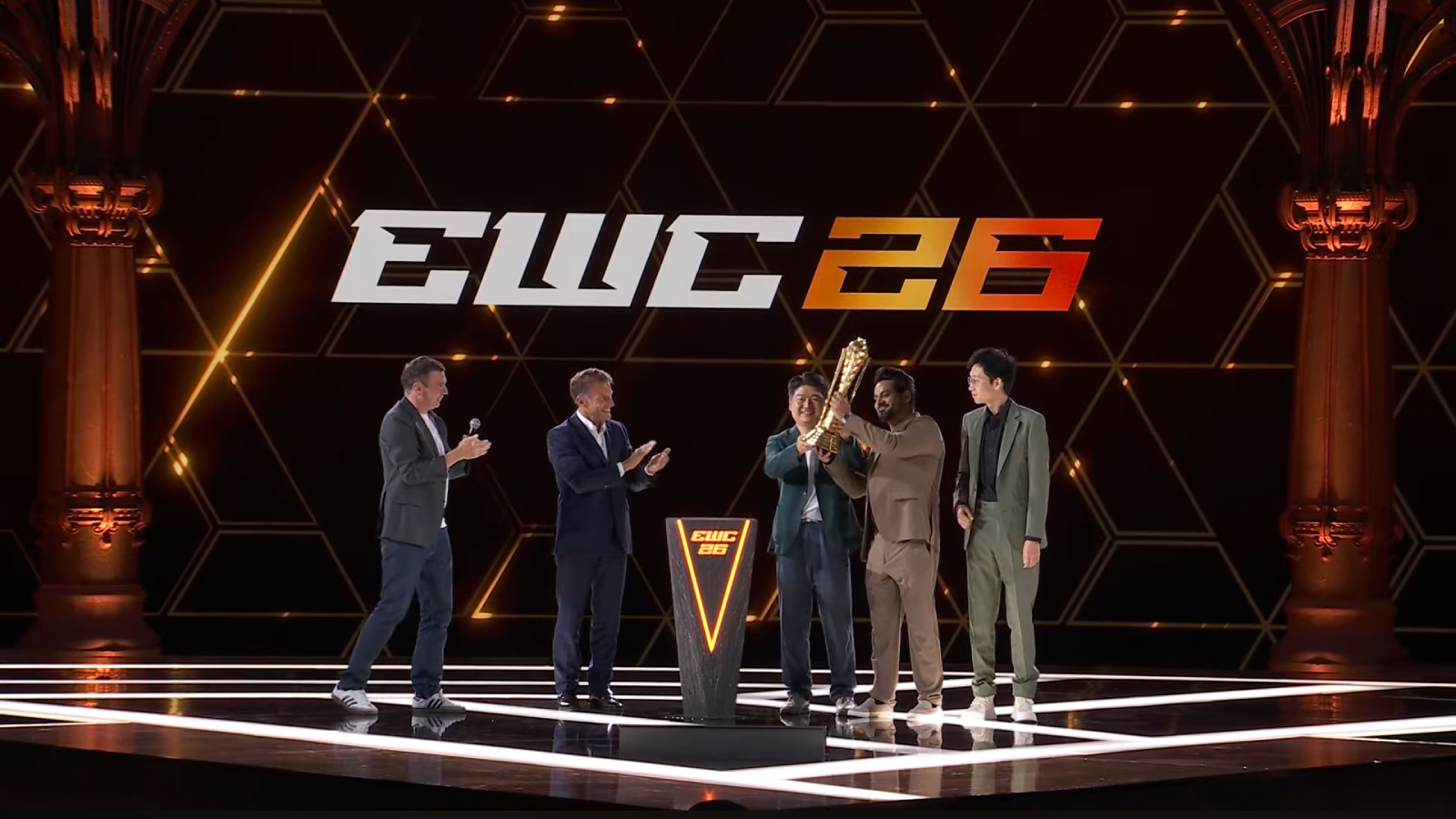
Addressing the industry’s sustainability problem
For all the attention and investment esports has attracted, financial sustainability remains one of its most persistent problems.
Professional organisations often face substantial operating costs, while the revenue generated through sponsorships and other commercial activities can be inconsistent. Audience figures may be impressive, but converting those numbers into dependable revenue has proved difficult for many organisations.
The Esports Foundation believes its investment programmes can help provide greater stability. “Long-term sustainability has been central to how the Esports World Cup has been built,” says Bin Homran.
One of the most significant initiatives is the 2026 Club Partner Program, a $20 million scheme supporting 40 esports Clubs through funding and strategic guidance, alongside opportunities to increase their international exposure. The Foundation says more than $100 million has been provided to Clubs over three years through the Partner Program and Club Championship.
That investment is intended to help organisations strengthen their operations, develop their brands and reach new audiences. The commercial impact of those initiatives is something the Foundation has also been measuring.
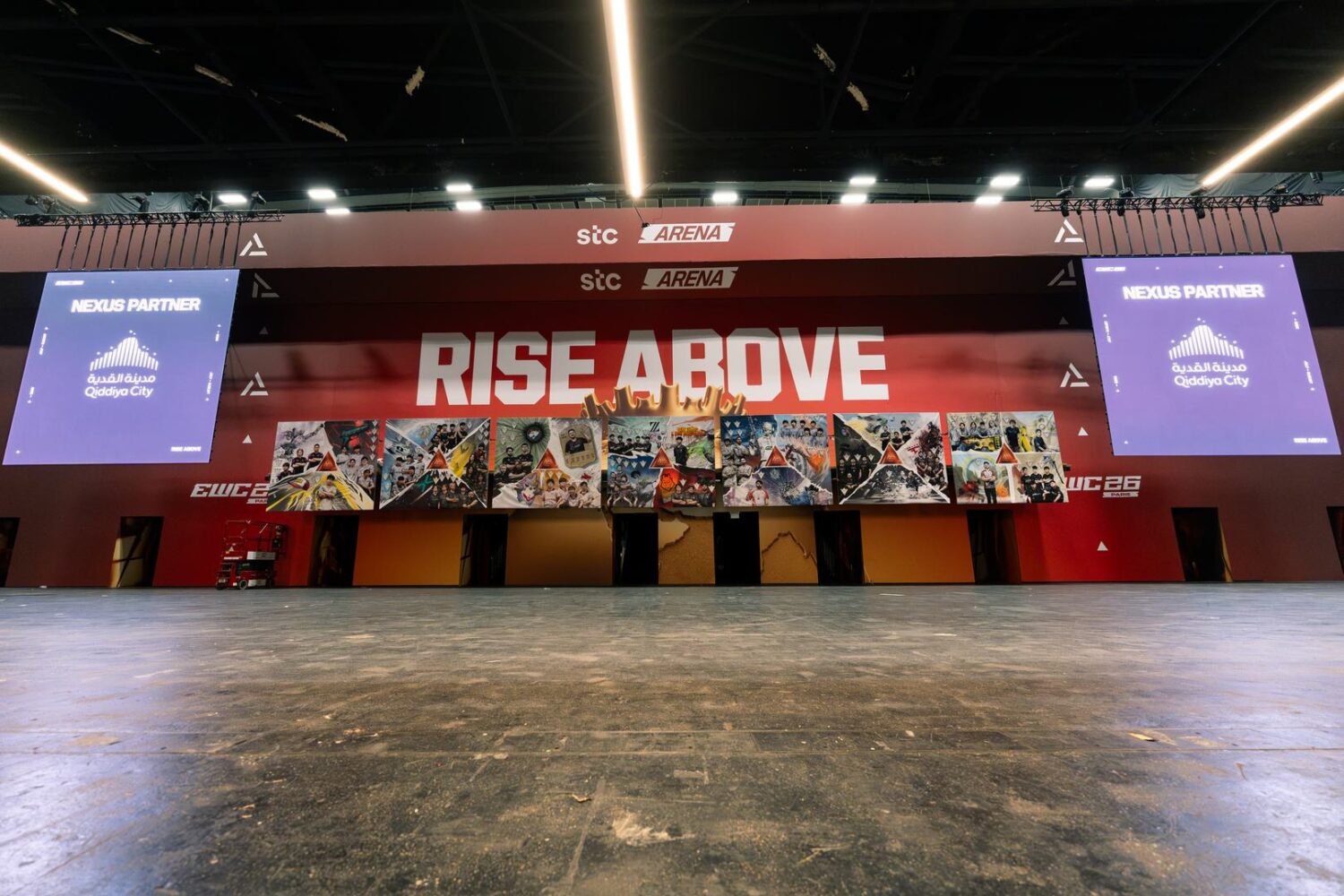
In 2025, participating Clubs generated more than 300 million campaign views and engaged over 10 million fans through more than 370 initiatives. Those campaigns demonstrate the potential reach of esports organisations when their marketing activities are supported through coordinated programmes.
Alongside the Club Partner Program, the Esports World Cup’s $30 million Club Championship provides another significant financial incentive for organisations to compete across multiple games. Road to EWC and the Foundation’s partnerships with publishers are intended to create further value by strengthening the competitive structures surrounding the main event.
Those partnerships offer opportunities to expand the reach of their esports ecosystems. EWC provides brands access to gaming audiences across different regions and competitive communities. However, the bigger question is whether these investments can eventually help esports organisations build sustainable businesses.

Funding and prize money are valuable, particularly in an industry where many Clubs have struggled to maintain profitability. But sustained commercial growth will ultimately depend on their ability to generate revenue beyond tournament winnings and direct financial support. It is an important distinction, especially as esports continues attempting to establish itself as a mature global industry.
The Foundation’s model is designed to provide continuity throughout the competitive calendar, but its long-term success will be measured by how effectively participating organisations can capitalise on those opportunities.
Which games deserve a place at EWC?
With 24 games included in the 2026 edition, another important consideration is how the Esports World Cup decides which titles belong on its competitive programme.
Gaming popularity alone does not necessarily translate into a successful esport. Some games attract enormous player bases without having established professional ecosystems. Others may have smaller communities but highly developed competitive scenes supported by dedicated audiences.
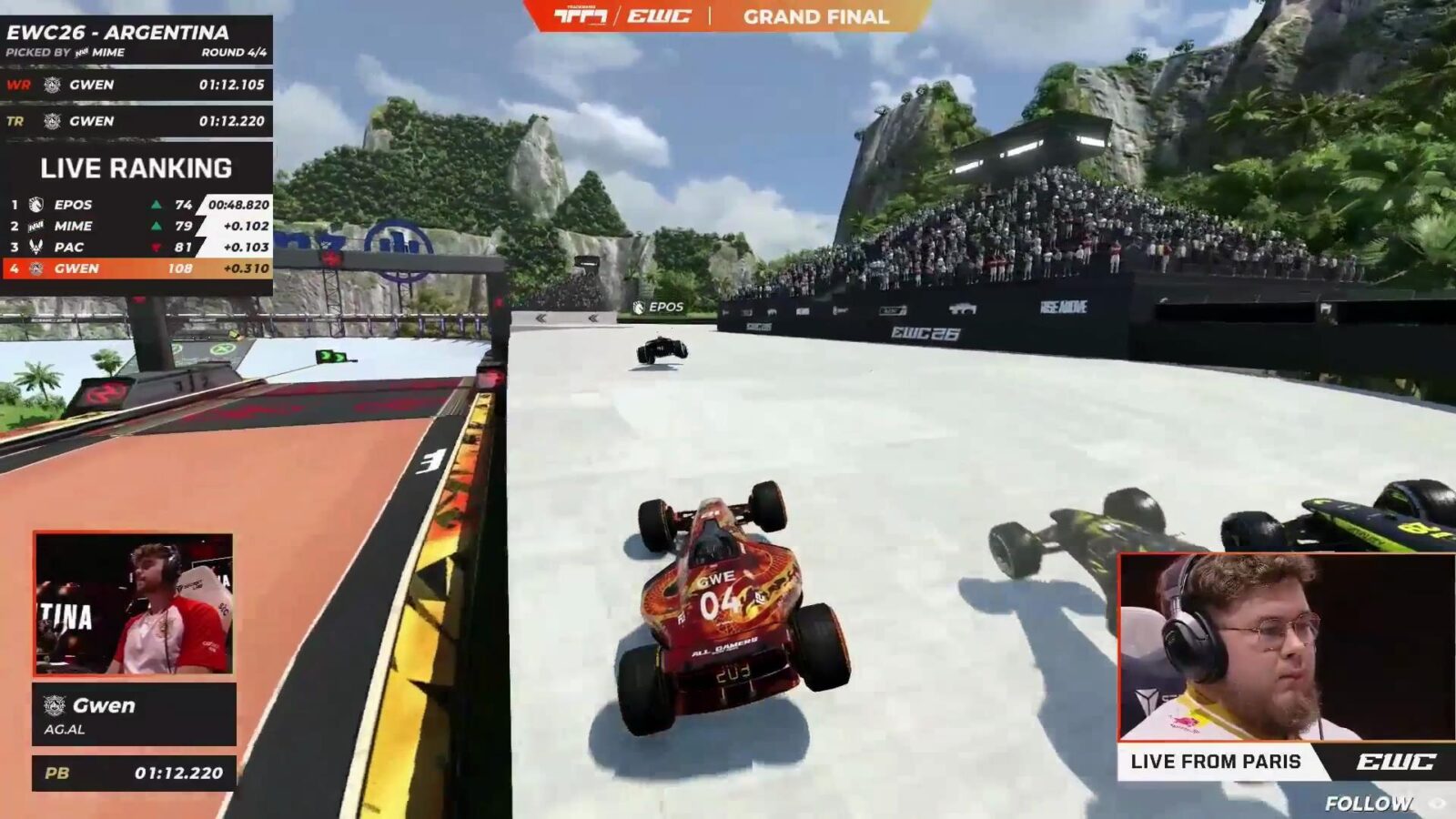
For Bin Homran, the quality of an existing competitive ecosystem is the starting point.
“We look first at where the strongest competitive ecosystems already exist,” he says. That means evaluating whether a title has an established professional community and a competition format capable of supporting play at the highest level. Publisher commitment is another important factor.
The Foundation works with game publishers to understand how EWC can complement their existing competitive calendars and create additional opportunities for players. A strong relationship with the publisher can help connect regional leagues and qualification events to Road to EWC, giving professional competitors a clear route towards the main tournament.
There is also the question of representation. With different genres commanding audiences across various regions, the Esports World Cup needs a lineup that reflects the breadth of competitive gaming.
The 2026 programme’s 25 tournaments across 24 games brought a wide range of competitive communities together, including established international esports and titles with strong regional followings. That diversity is important to the wider identity of EWC, particularly if it wants to introduce audiences to competitions they would not normally follow.
The Foundation’s approach suggests that future additions will be determined by the strength of their competitive ecosystems and how effectively they contribute to the wider event. Simply expanding the number of games is unlikely to be a meaningful measure of progress if those additions do not bring competitive value or long-term benefits to their communities.
Creating more opportunities for women in esports
Another area receiving increasing attention is female participation in competitive gaming. While women represent an important part of the wider gaming audience, their participation at the highest levels of professional esports remains comparatively limited.
For the Esports Foundation, the long-term ambition involves supporting dedicated women’s competitions while creating broader opportunities for female players across the competitive landscape.
“Success means both: strong women’s competitions today and broader female participation across EWC over time,” Bin Homran explains.
Dedicated competitions provide structured opportunities for women to compete professionally while increasing their visibility within the industry. They also help establish role models who can encourage other players to pursue competitive gaming.
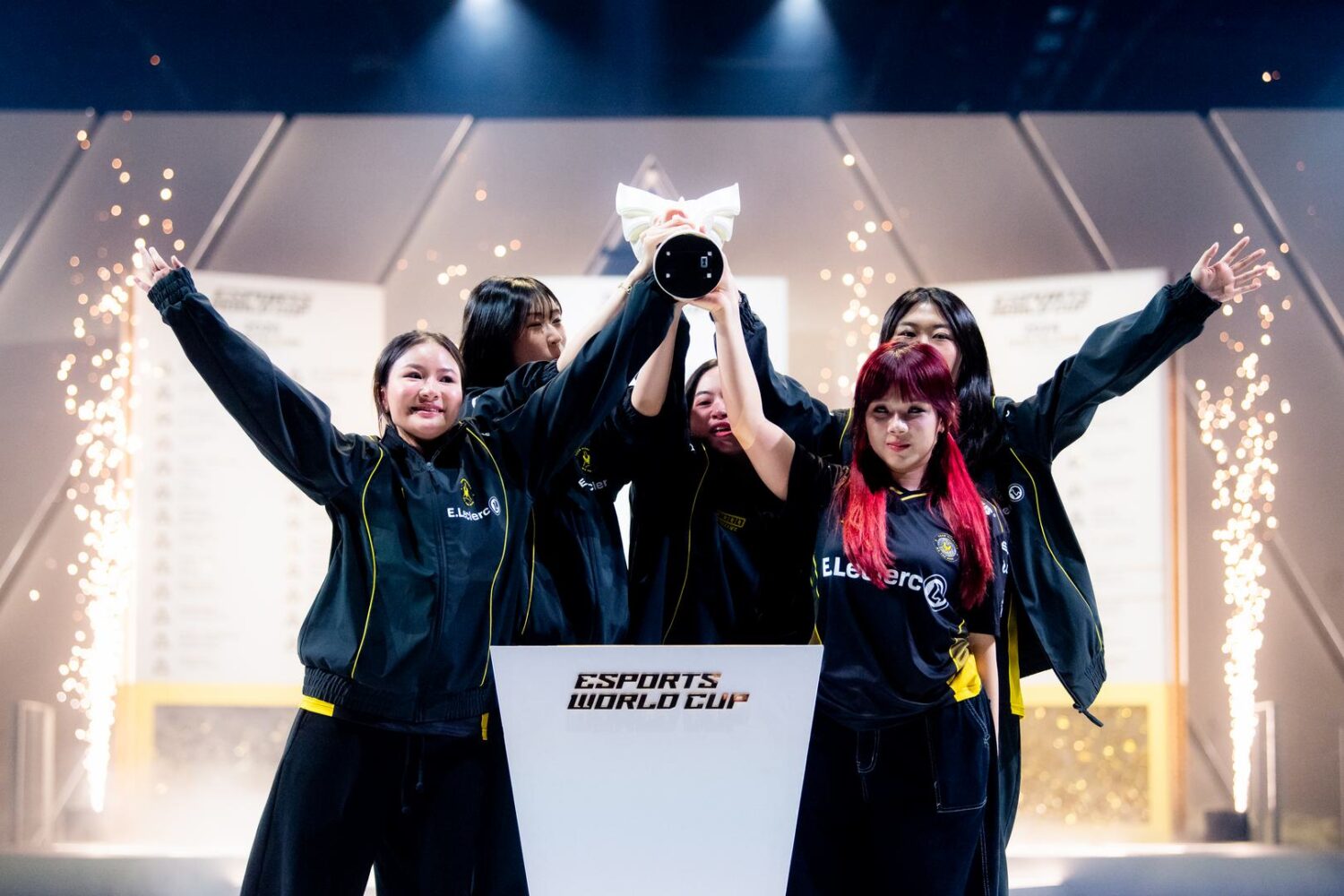
One of the Foundation’s prominent examples is the Mobile Legends: Bang Bang Women’s International, previously known as the Women’s Invitational.
The tournament expanded from 12 to 16 participating teams in 2025, while its qualification reach increased from 46 regions in 2024 to 57 in 2025. For the 2026 edition, the rebranded competition extended its qualification structure to more than 60 regions and returned to the Esports World Cup programme.
That expansion reflects growing international interest in women’s competitive Mobile Legends and provides a wider range of players with opportunities to compete. For Bin Homran, the next stage involves strengthening the pathways that allow female players to develop their skills and build sustainable careers.
Dedicated women’s competitions remain an important part of that process because greater visibility at the highest level can encourage participation throughout the wider ecosystem. However, the longer-term discussion also involves how women can access opportunities across open competitive structures.
Creating more sustainable pathways will require continued investment in player development and competition opportunities. The growth of tournaments such as the Women’s International demonstrates that there is room for expansion. The wider challenge is translating those opportunities into consistent professional representation across more esports titles.
Can esports have its own Olympics?
Perhaps the most ambitious aspect of the Esports World Cup’s long-term vision is its desire to establish competitive gaming alongside the world’s most recognisable sporting events. Comparisons with the FIFA World Cup and Olympic Games are inevitable, particularly given the scale of investment and international participation now associated with EWC.
However, those competitions have something that esports cannot immediately replicate: generations of sporting history.
“The FIFA World Cup and the Olympics have had decades to build the traditions, recognition and fan behaviours that surround them,” Bin Homran acknowledges. The Esports World Cup has completed only three editions, making it a relatively young property compared with established international sporting competitions. However, the Foundation believes it is developing the structures needed to establish a similar sense of anticipation among gaming audiences.
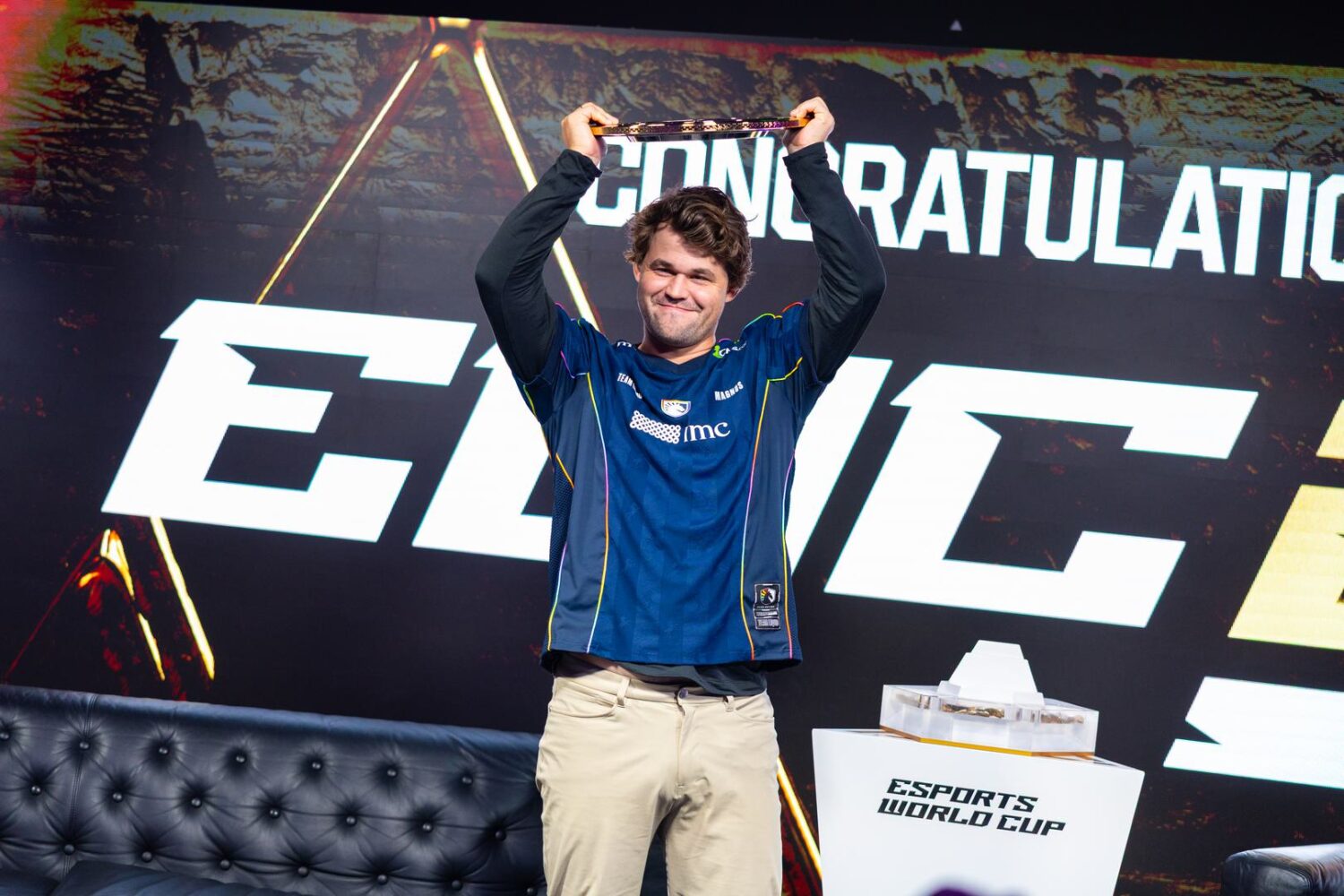
The numbers from Paris offer an indication of the event’s reach.
According to the Foundation, the 2026 edition attracted more than 850 million viewers worldwide and generated over 440 million hours of watch time, while ticket sales to esports competitions increased by 94%. Those figures demonstrate the scale of the audience that competitive gaming can attract when its biggest tournaments come together. But viewership alone cannot create the traditions associated with major sporting events.
The enduring appeal of competitions such as the FIFA World Cup is built around memorable moments and rivalries that develop over time. Fans return because they have an emotional connection to the competition and the history surrounding it. For the Esports World Cup, building that continuity will be especially important.
Road to EWC is intended to create a competitive journey that audiences can follow throughout the year, while the Club Championship introduces an overarching narrative that connects otherwise independent tournaments. The Foundation’s partnerships with publishers are also designed to strengthen the competitive circuits that feed into the World Cup.
Together, those structures could help make EWC easier for audiences to understand and follow across successive editions. The challenge is that competitive gaming changes rapidly. New games emerge, existing titles evolve and professional rosters can change significantly between seasons.
Establishing traditions within an industry defined by constant change will require consistency. Bin Homran believes the focus should be on building recognisable rivalries and moments that fans anticipate from one edition to the next.
Ultimately, that emotional connection will be an important measure of whether the Esports World Cup can develop into something more enduring than an annual tournament.
The next frontier: the Esports Nations Cup
While the Esports World Cup has established a competition built around professional Clubs, the Foundation is already developing another international tournament that introduces a different form of representation.
The Esports Nations Cup is scheduled to debut in Riyadh in November 2027, following its postponement from its original November 2026 window. Unlike the Club-based structure of EWC, the Nations Cup will bring players together to represent their countries.
For Bin Homran, that creates an entirely different competitive dynamic. National representation introduces the possibility of international rivalries that extend beyond established esports organisations.
It could also make competitive gaming more accessible to audiences who do not already follow professional Clubs. While understanding the existing esports landscape may require familiarity with different organisations and their players, the concept of supporting one’s country is immediately recognisable to traditional sporting audiences.
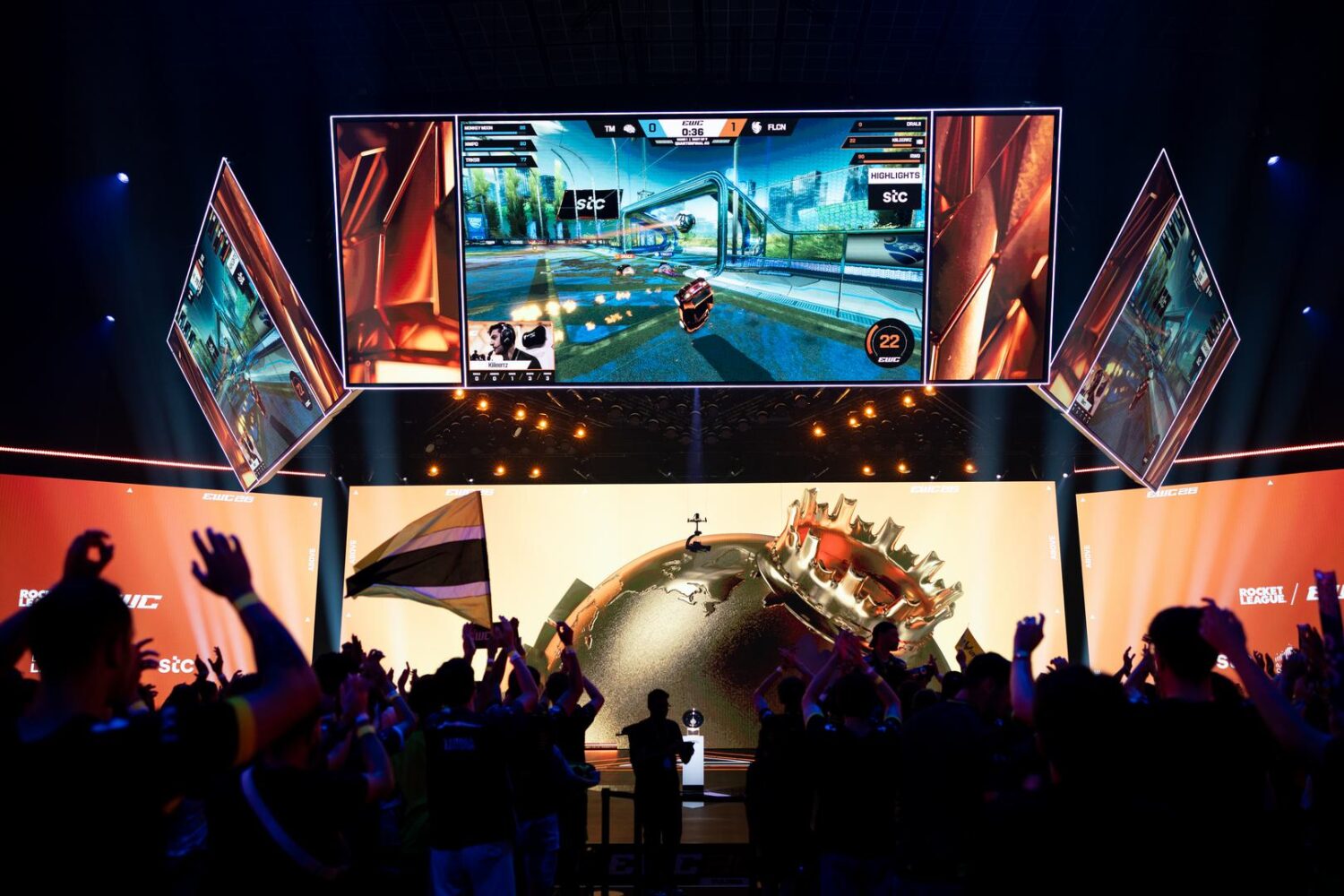
The Foundation believes this could create new opportunities for fans to connect with competitive gaming through national pride. It also provides another platform through which multiple game communities can participate in a shared international competition.
If successful, the Nations Cup could add a significant new dimension to the global esports calendar, creating an alternative competitive narrative alongside the annual World Cup. The project remains in development, but it demonstrates how the Foundation is looking beyond its existing tournament structure to broaden the international appeal of esports.
The road ahead
The Esports World Cup’s expansion to Paris was an important moment for a competition that has rapidly grown in scale since its debut.
The event demonstrated the potential of taking EWC to new international audiences while maintaining the competitive structure developed in Riyadh. It also highlighted the growing ambitions of the Esports Foundation, which is increasingly positioning itself as an organisation involved in the wider development of competitive gaming.
Through Road to EWC and its Club support programmes, the Foundation is investing in structures intended to strengthen the industry beyond the seven-week tournament. There are still significant questions to answer.
Financial sustainability remains a concern for many professional organisations, while the fragmented nature of esports continues to make collaboration between publishers and tournament operators essential. The industry must also find ways to create more opportunities for emerging players and develop compelling competitive storylines that audiences can follow over time.
And if the Esports World Cup genuinely intends to establish itself alongside the world’s most celebrated sporting competitions, it will need to build a level of cultural significance that extends beyond impressive prize pools and viewership figures.
For now, Paris has shown what the next stage of EWC could look like.
The ambitions are considerable, and the Foundation has already committed substantial resources towards achieving them. What happens over the coming years will determine whether that investment translates into something lasting for the wider esports industry.
The Esports World Cup has established a global stage. Its next challenge is giving players and fans enough reasons to keep coming back.