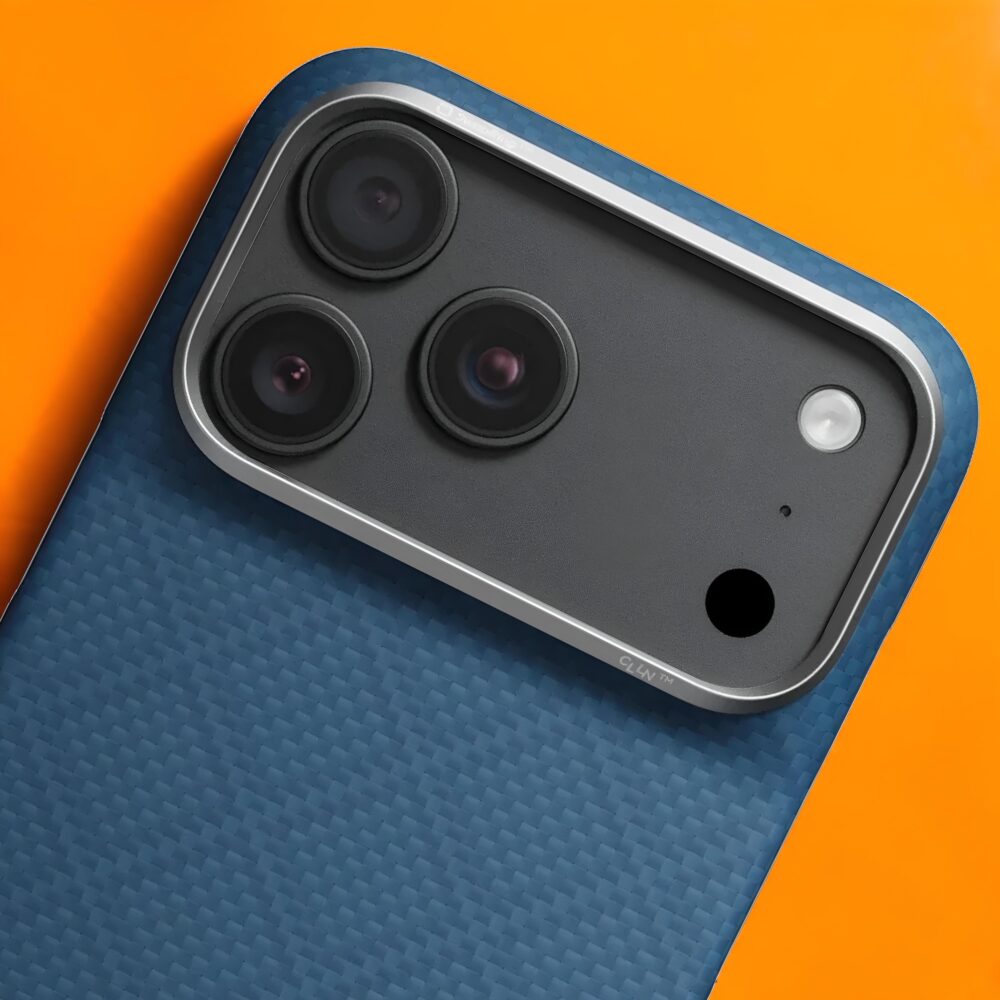
TL;DR: PITAKA’s iPhone 18 Pro Max aramid cases are beautifully thin, light and MagSafe-ready, with PitaTap keeping Camera Control fully usable. The four Edge designs are style-first, everyday-scratch protection, while the $79.99 Summa adds certified drop resistance. Pricey, short warranty, but the best near-naked option for careful owners.
PITAKA has spent years building a reputation around one material, and for the iPhone 18 Pro Max it’s leaning harder into aramid fiber than ever. Rather than review a single case, I’m looking at five from the new range together: the Classic Edge in 600D Black/Grey Twill, the Classic Summa in the same weave, the Monogram Edge in PTK Weaving Sapphire Blue, the Argyle Edge in Abyss Blue, and the Milky Way Galaxy 2.0 Edge in Nearfield Blue. Four of them share the same ultra-thin Edge chassis and differ mainly in weave and personality, while the Summa is the protective flagship of the bunch. That makes this less a five-way shootout and more a question of which philosophy you buy into, and then which outfit you want it wearing. It’s a bit like choosing a lightsaber: the hilt matters less than the crystal inside.
The pitch is simple enough. Aramid fiber is the same family of material used in body armor and aerospace parts, and PITAKA claims it’s five times stronger than steel at a lower weight. On a phone case, that translates into something thinner and lighter than plastic or silicone alternatives while still offering a hard, scratch-resistant shell. The catch, as always with this category, is that “thin and strong” and “survives a drop onto concrete” are not the same promise. Knowing which of these cases makes which promise is the whole game here.
The Edge cases are about as close to naked as protection gets
The four Edge models are the reason most people will even look at PITAKA. The Classic Edge is listed at 1.05mm thick and 21.8g, the Monogram at 1.01mm and 23.39g, the Galaxy 2.0 at 1.29mm and 23.6g, and the Argyle at 1.30mm and 25g. On a phone as large and heavy as a Pro Max, adding roughly the weight of a few coins is close to irrelevant, and a millimetre of wall means the phone keeps its original shape and button feel. That matters more than it sounds, because big flagships already strain pockets and pinky fingers, and every gram of bulk compounds that. If you bought the titanium-and-glass slab partly for how it feels in the hand, an Edge case preserves most of that experience.
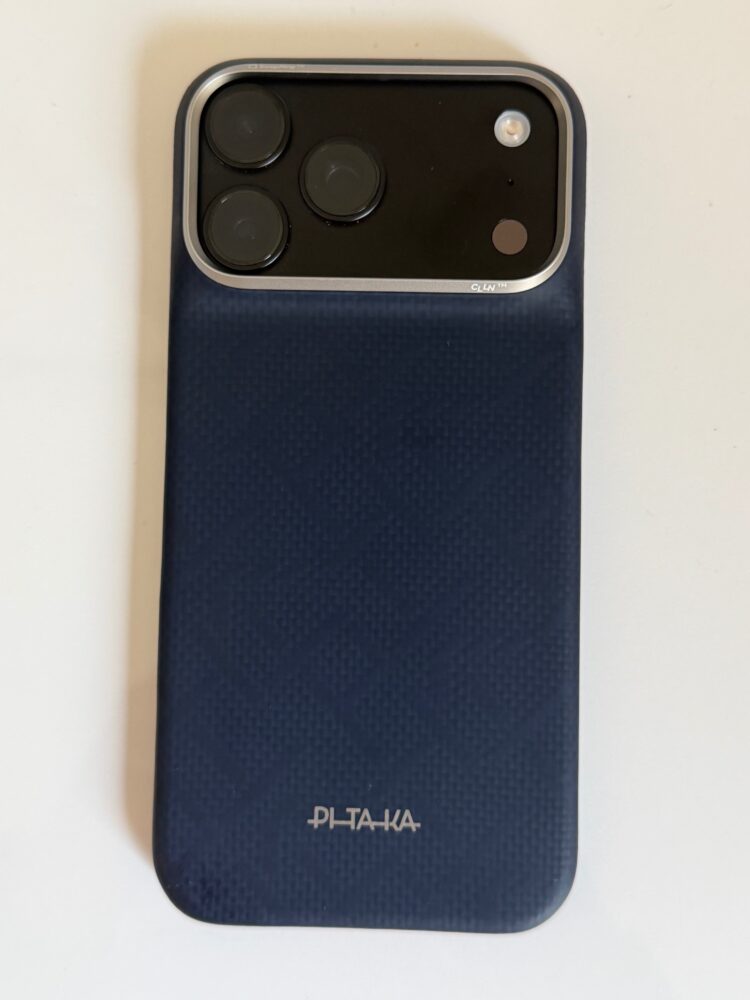
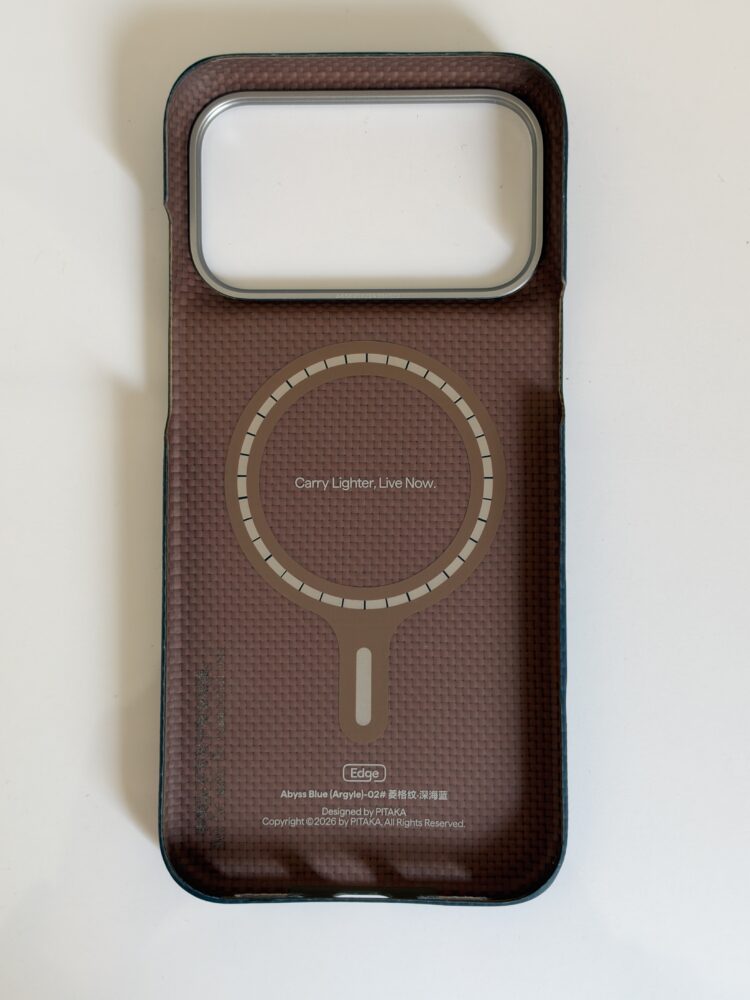
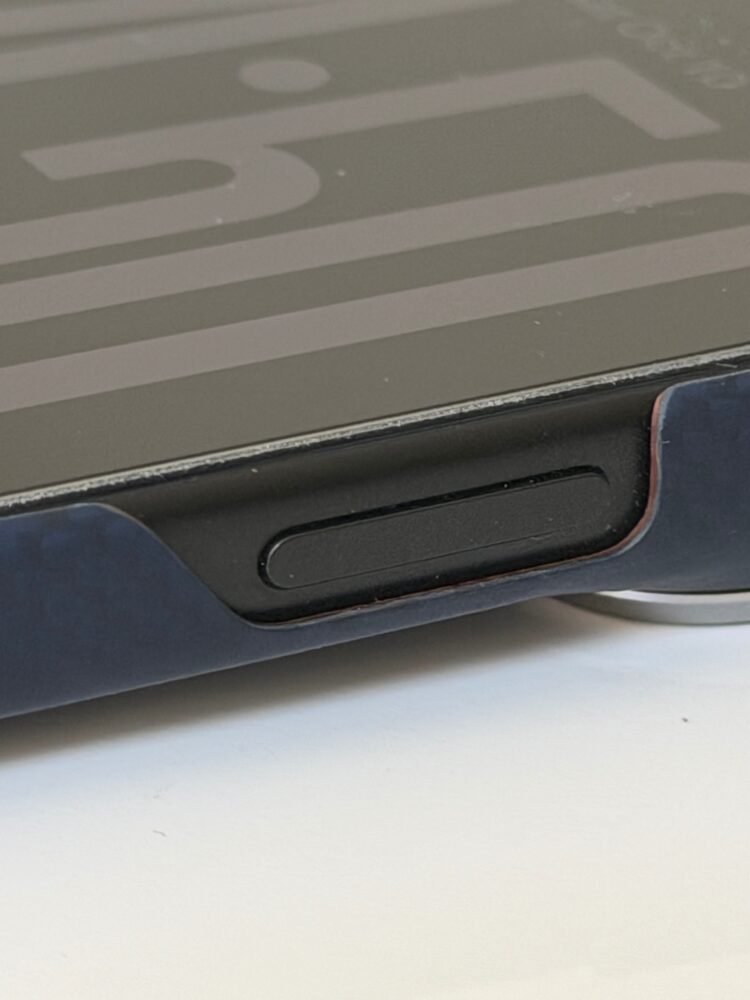
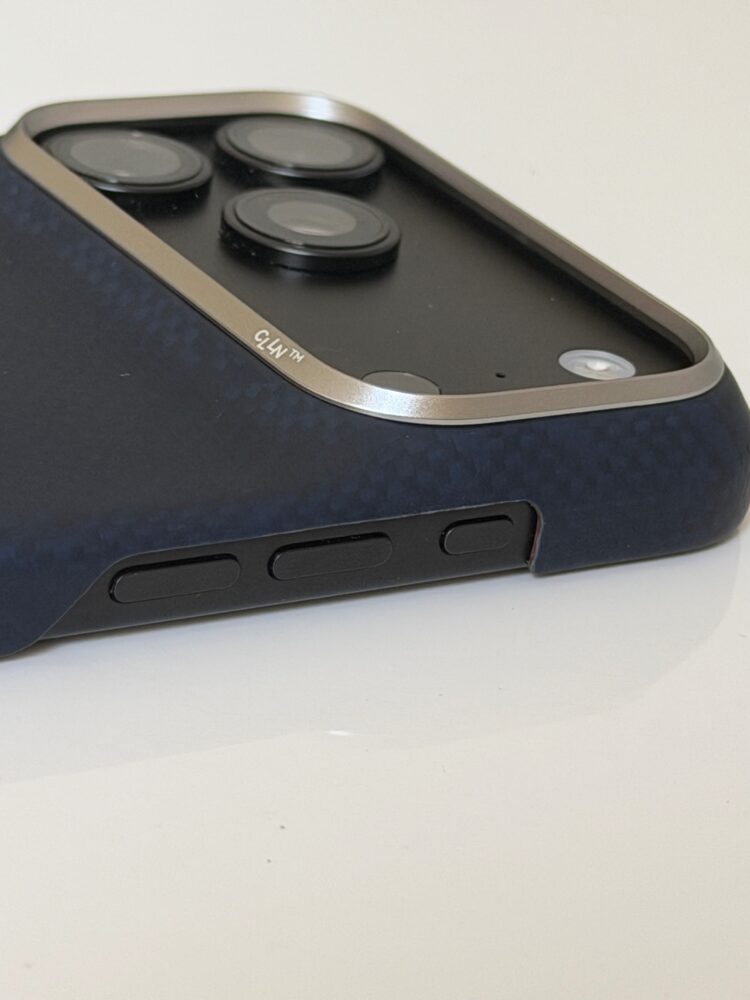
PITAKA is refreshingly honest about the downside, describing the Edge series as protection against everyday scratches and minor knocks rather than serious falls. The new Mammoth Resin, which the company says delivers 1.8 times the impact resistance of the previous generation’s material, raises the floor, but it can’t rewrite physics on a case thinner than a credit card. There are no drop-test certifications listed for the Edge line, and I’d take that omission seriously. These are cases for careful owners, people who want a hard shell against keys, desk surfaces and grubby hands. If your phone regularly cartwheels out of your pocket, keep reading.
PitaTap makes Camera Control work properly through the case
Apple’s Camera Control button has been a headache for case makers since it arrived, because a simple cutout leaves it exposed and a solid cover can kill the touch sensitivity that makes the slide gesture useful. PITAKA’s answer on every Edge model here is PitaTap, which covers the button in aramid with a hidden capacitive layer underneath so taps and slides still register. Visually, that means the weave continues uninterrupted down the side of the phone, which is a cleaner look than a glass insert or a hole. The company says sensitivity is unaffected, and if anything feels off, iOS lets you tune the light-press force in the Camera Control accessibility settings. It’s a thoughtful solution to a genuinely annoying problem, and it’s one of the clearest reasons to pick these over a generic thin shell.
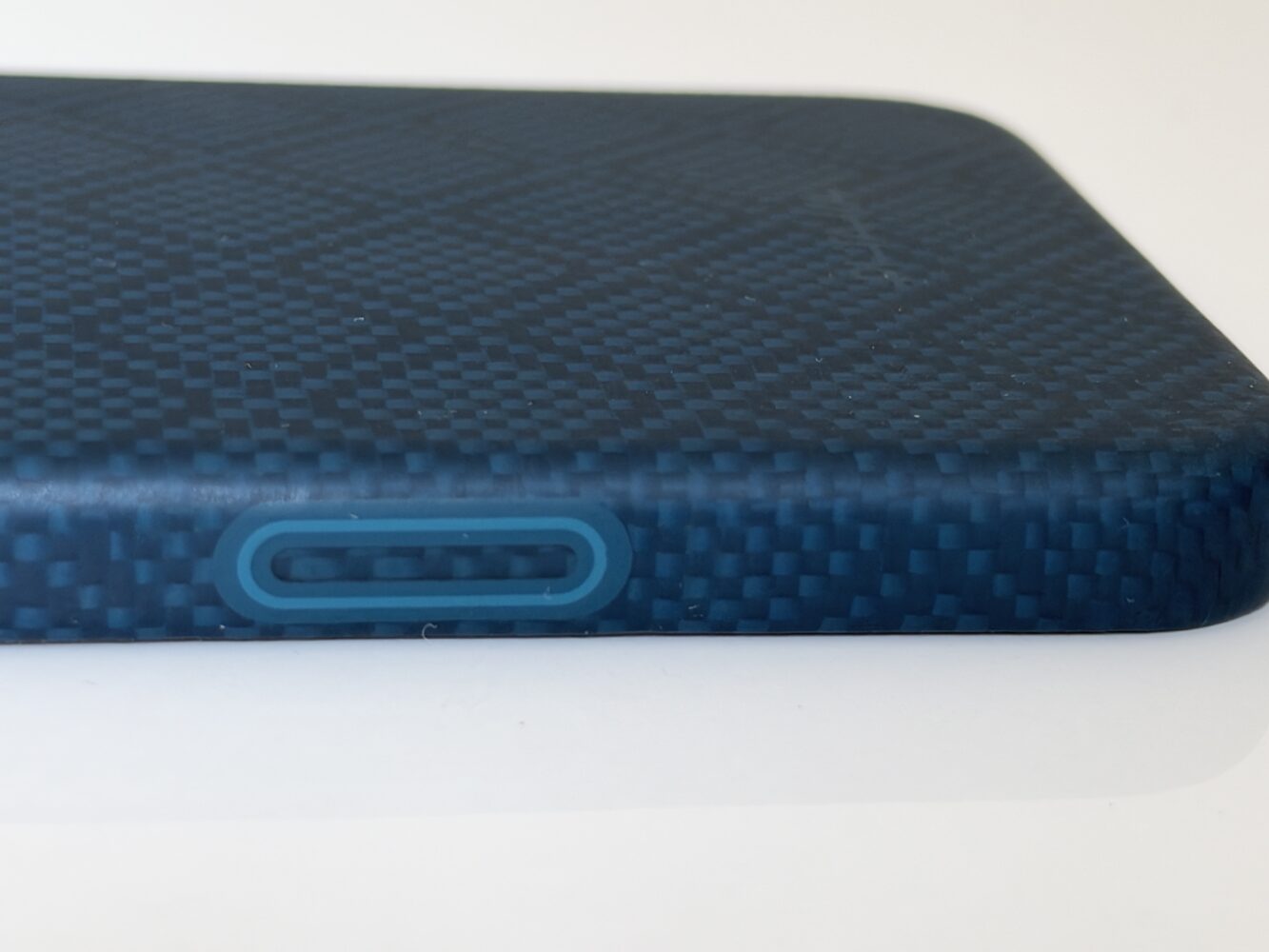
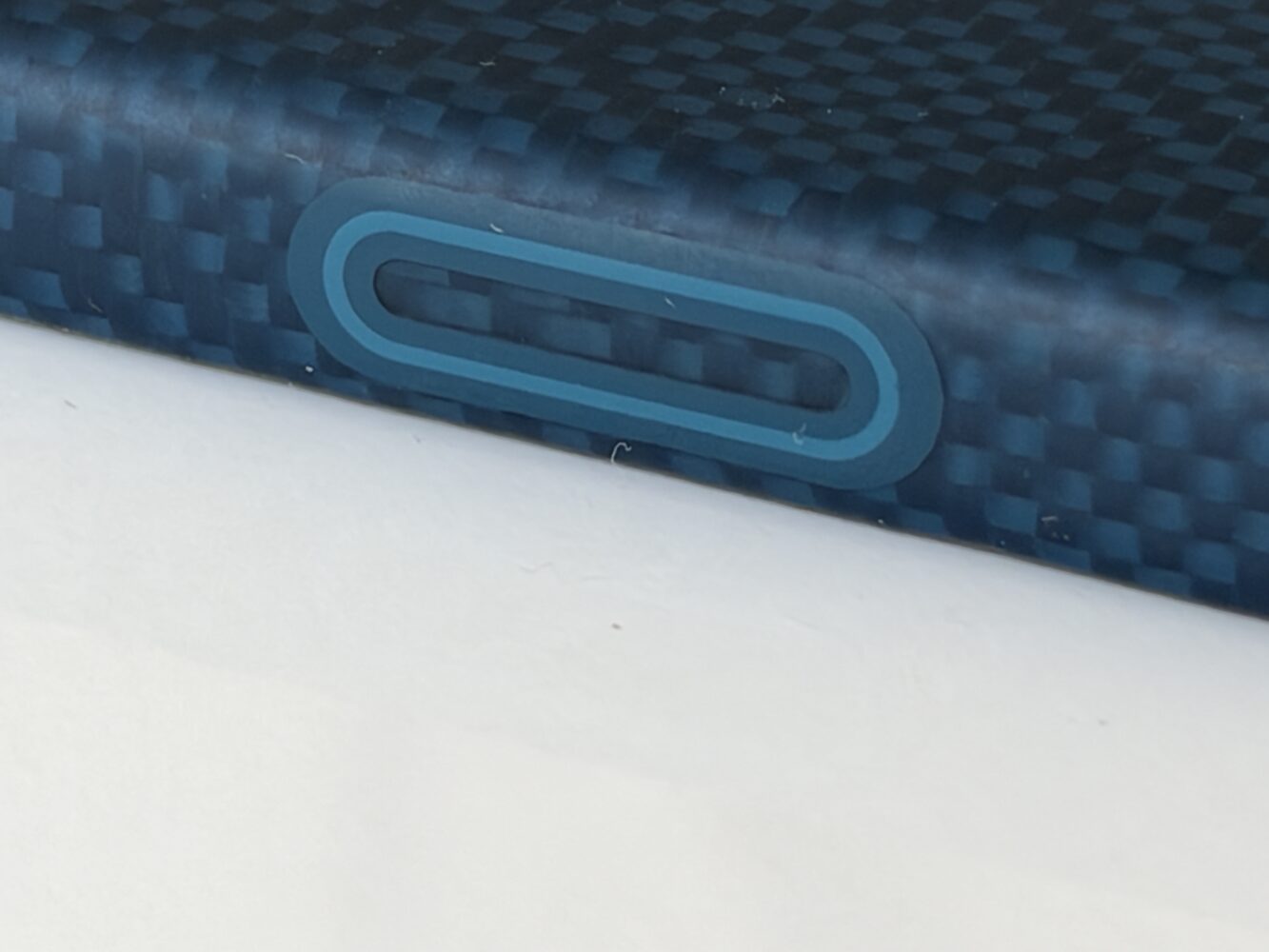
The Summa takes a different route, using a reinforced glass panel over the button instead. That’s arguably the more durable approach and keeps the capacitive behaviour, but it breaks the continuous-fabric look that makes the Edge cases so tidy. Neither choice is wrong, and it neatly reflects the split between the two lines: the Edge prioritises seamlessness, the Summa prioritises toughness. Both approaches beat the cheap-case standard of an open slot that collects pocket lint. For anyone who actually uses Camera Control daily, that alone separates PITAKA from bargain-bin alternatives.
Summa trades the featherweight feel for real drop protection
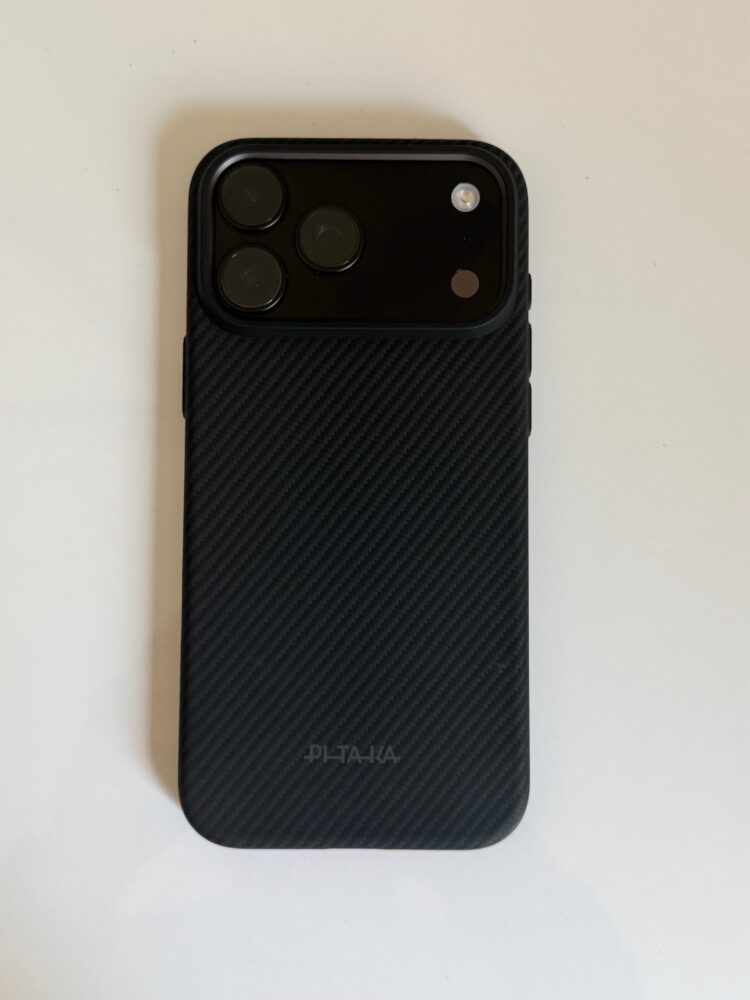
The Classic Summa is the case I’d point most people toward if they’re torn. At 2.08mm and 39.5g, it’s roughly double the thickness and weight of the Edge models, yet that’s still slim by protective-case standards. It wraps the phone fully, pairs the aramid shell with TPU for a hard outer layer and softer cushioning, and uses PITAKA’s Orca Resin, which the company says doubles impact resistance. Crucially, it carries MIL-STD-810H certification for drops from 1.22m, which is roughly pocket-to-floor height. That’s an actual, quantified claim rather than reassuring adjectives, and it’s the number that should drive your decision.
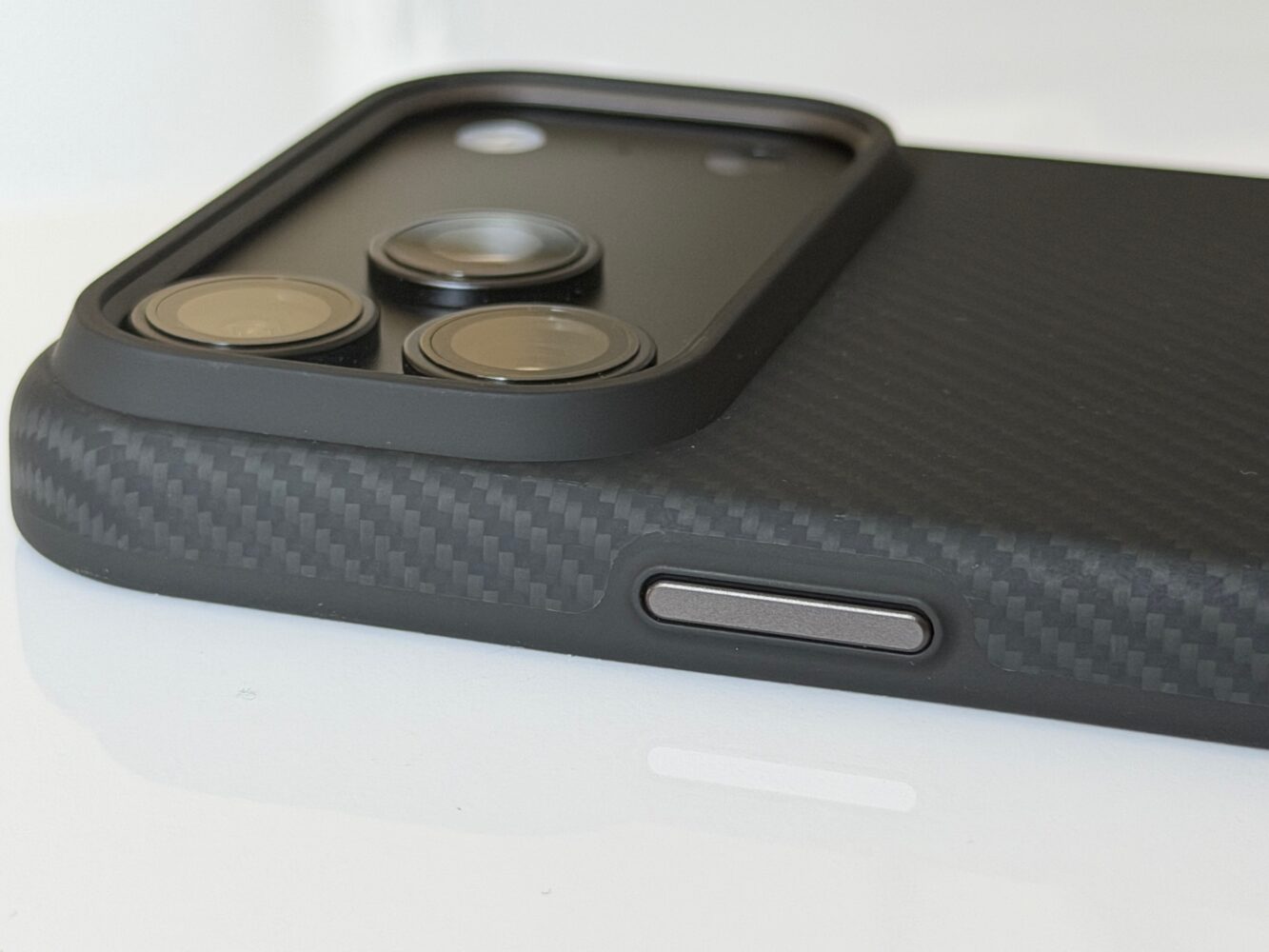
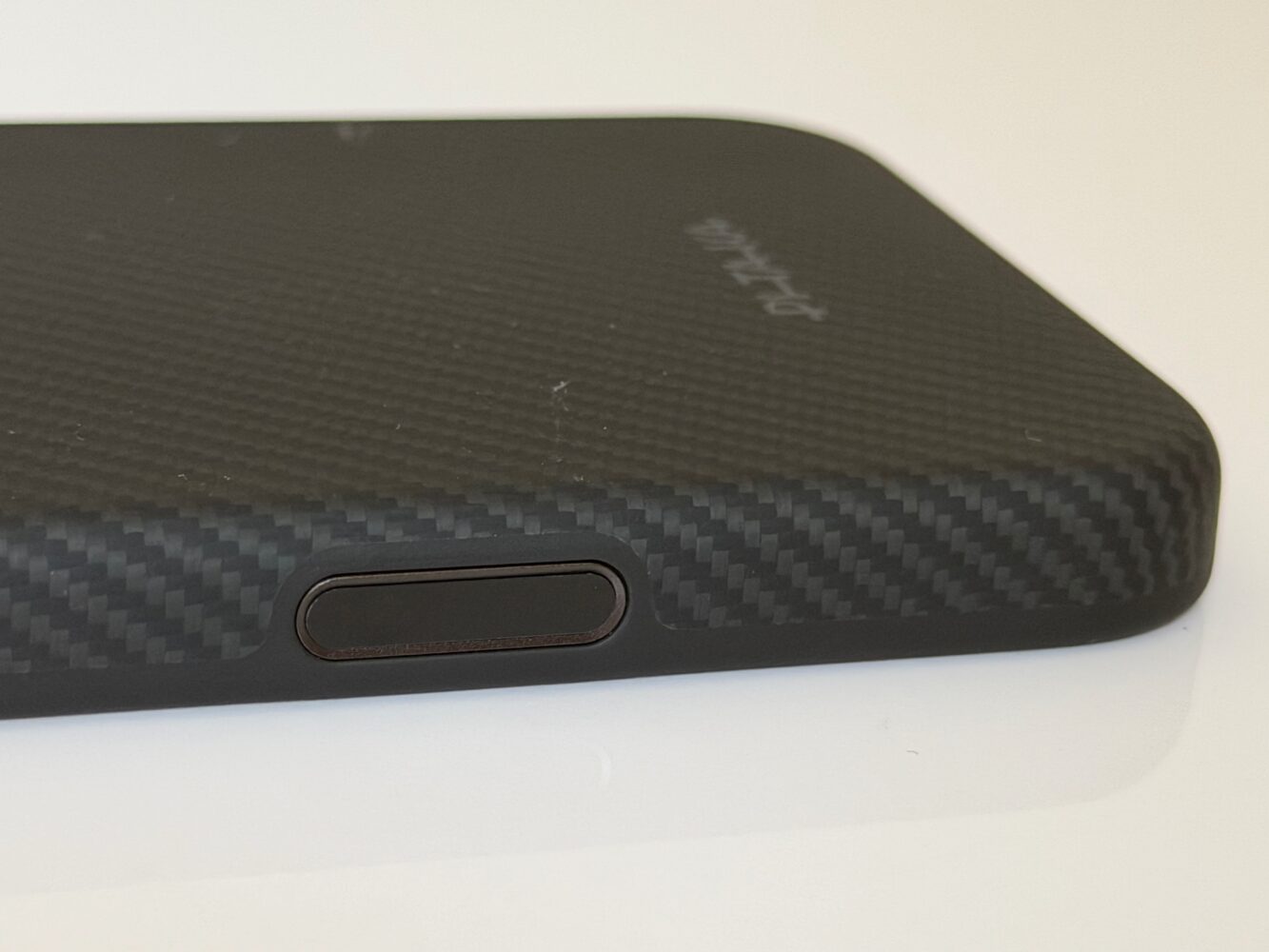
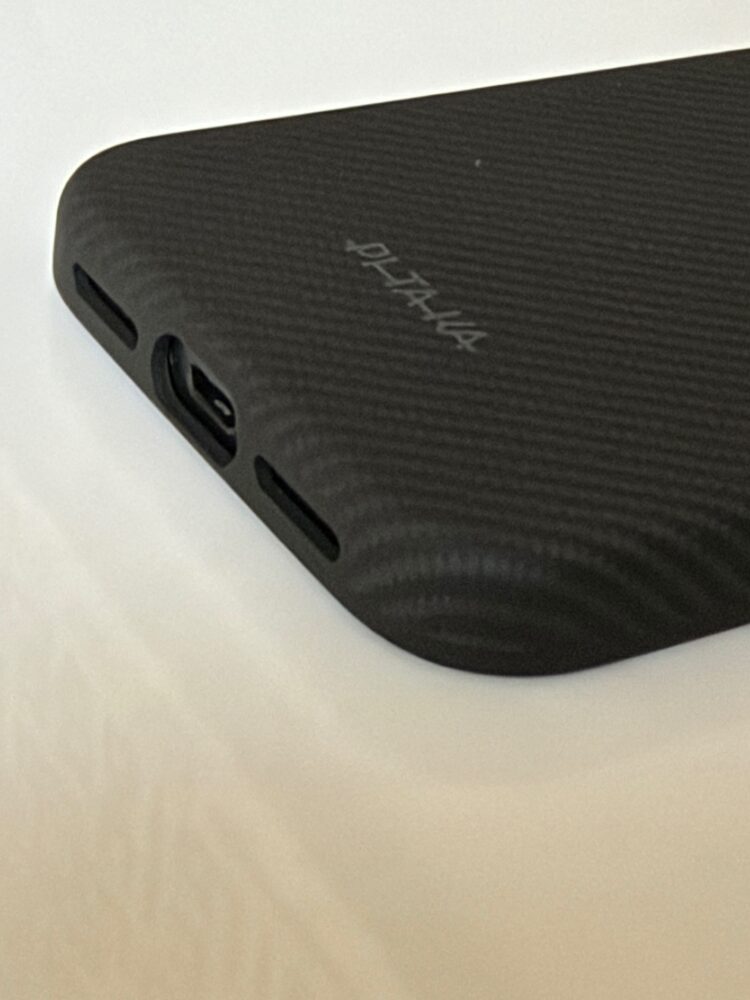
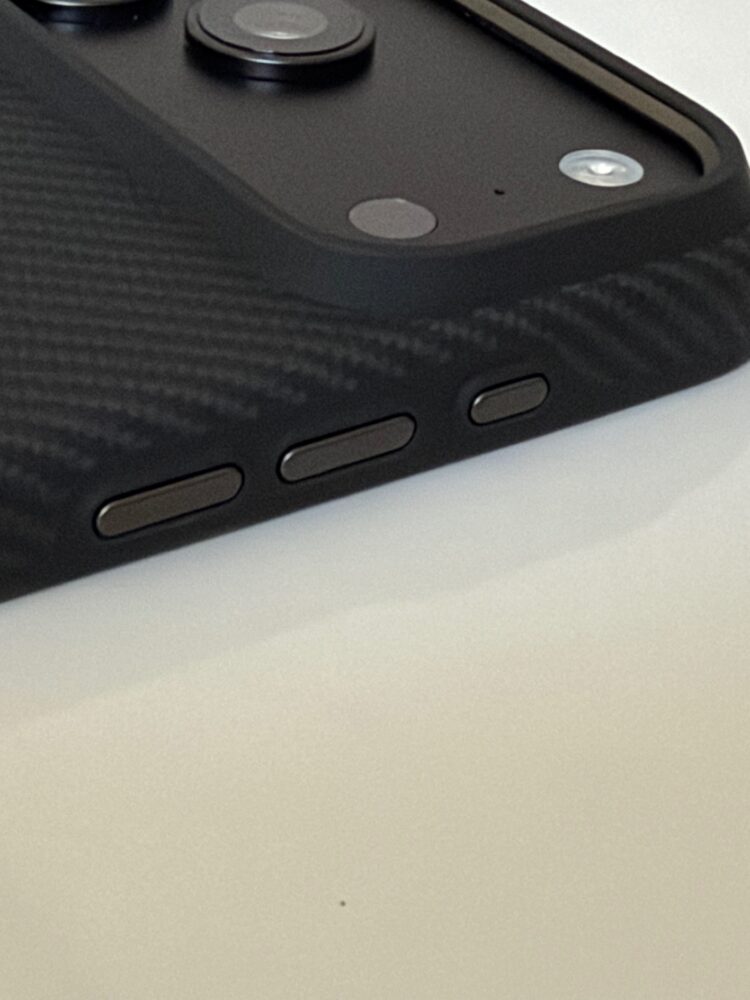
At $79.99, though, the Summa is $20 more than any Edge model, and it lives in the middle of PITAKA’s range rather than the top for protection. The Cairn, not part of this group, is rated for 2.44m drops at a similar weight, so the Summa is really the “protective but still refined” option rather than the bunker. Its smoother, thermoformed finish is easier to wipe clean, while the Cairn keeps a grippier woven texture. One small detail worth knowing: PITAKA says the first batch of iPhone 18 Summa cases ships without the new lanyard hole, so if you want that strap option, check before buying. For a $1,000-plus phone, $80 for a certified, sub-40g shell is reasonable value.
Classic, Monogram, Argyle and Galaxy: one chassis, four personalities
Since the four Edge cases share the same core construction, choosing between them is mostly about taste, and here PITAKA’s design team is clearly having fun. The Classic 600D Twill is the stealth option, a tight black-and-grey weave that looks like carbon fibre trim from a supercar interior and will suit anyone who wants their phone to blend into a meeting. The Monogram’s PTK Weaving in Sapphire Blue works the brand’s own pattern into the fibre, which is either a subtle flex or a logo on your phone depending on how you feel about branding. The Argyle in Abyss Blue reimagines the classic diamond check, giving it a slightly preppy, heritage feel that’s unusual in tech accessories. Then there’s the Milky Way Galaxy 2.0 in Nearfield Blue, a cosmic gradient that leans unapologetically into sci-fi territory and is the one most likely to start conversations.
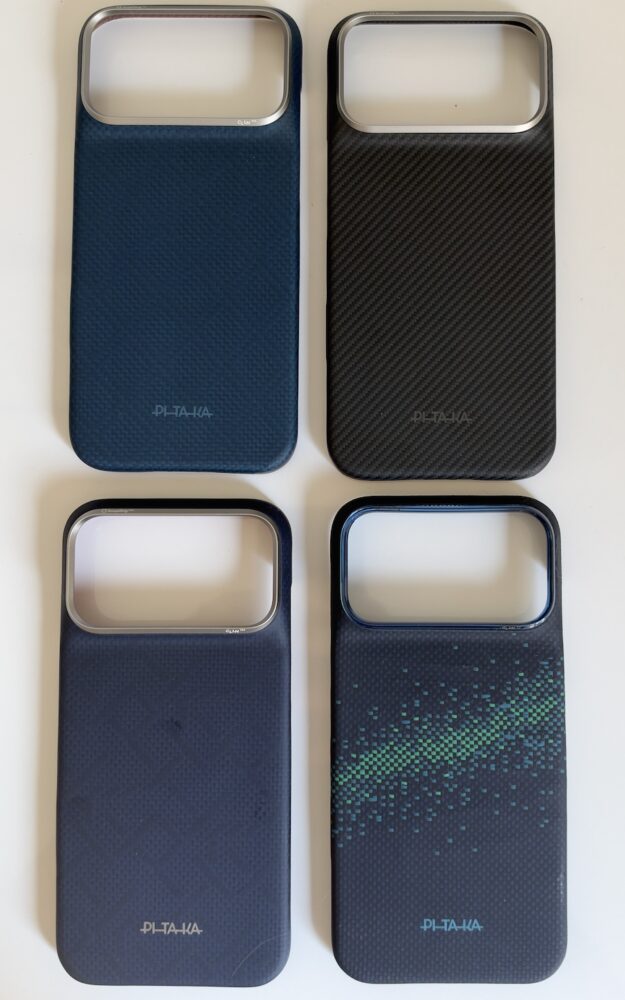
The specs vary slightly between them, with the Monogram the thinnest at 1.01mm and the Argyle the chunkiest at 1.30mm and 25g, which reflects the different weave patterns rather than any change in philosophy. In practice, a fraction of a millimetre and a couple of grams won’t be noticeable on a Pro Max. What will be noticeable is that the patterned options carry the same $59.99 price as the plain Classic, so there’s no premium for the more ambitious designs. That’s a smart move, because it turns the decision into pure personal expression. My only reservation is that the bolder patterns, especially the Galaxy, may date faster than the timeless twill.
MagSafe, NFC tricks and the details PITAKA sweated
Every case here has a built-in magnetic ring, so MagSafe chargers, wallets, car mounts and PITAKA’s own MagEZ accessories all snap on as expected. Wireless charging works through the case, and PITAKA states there’s no interference with cellular, Wi-Fi, Bluetooth or NFC. That last point connects to a nerdy bonus: each iPhone 18 case has an NFC tag near the bottom that you can tap to verify authenticity and access extras on PITAKA’s site. It’s a gimmick in part, but given how heavily aramid cases get knocked off, authenticity checks are genuinely useful. Buying a counterfeit thin case is the fastest way to get the look without any of the strength.
The iPhone 18 Edge redesign also includes smaller refinements that suggest PITAKA listened to past complaints. The speaker cutout now uses precision holes that extend the protective lip, side-button openings are bevelled so they don’t dig into your palm, and a slightly arched “P-angle” near the camera bezel is meant to stop the case cracking during installation and removal. That last one is a tacit admission that previous ultra-thin cases could split if you yanked them off carelessly, so I’d still follow the advice to remove them slowly, starting from the top. The coated surface may pick up fingerprints from lotion or sweat, though they reportedly wipe off easily. Note too that iPhone 17 cases aren’t a safe fit for the iPhone 18 Pro Max, as the camera module height has changed, so upgraders can’t simply carry their old case forward.
Price, and how these cases stack up on value
At $59.99 for the Edge models and $79.99 for the Summa, PITAKA sits firmly at the premium end of the case market. You’re paying for material and engineering rather than bulk, and compared with generic thin polycarbonate shells that cost a fraction of the price, the value argument rests on aramid’s scratch resistance, rigidity and the PitaTap button cover. There’s currently a 10 percent discount when buying any two iPhone 18 Pro series cases, which makes owning a slim daily case and a tougher Summa for travel a little easier to justify. A 30-day return window also takes some risk out of choosing a pattern you’ve only seen in photos. For people who keep a phone for two or three years, the cost per month is modest.
Verdict
PITAKA’s iPhone 18 Pro Max range does exactly what it sets out to do, and does it with real style. The Edge cases wrap the phone in a scratch-resistant aramid shell that adds barely any weight or thickness, while PitaTap keeps Camera Control fully usable without breaking the weave. Built-in MagSafe, NFC authenticity checks and thoughtful design refinements show a lineup that has clearly evolved, not just been resized for a new phone.
Choosing is the fun part, with the Classic twill, Monogram, Argyle and Milky Way Galaxy 2.0 all offering distinct personalities at the same $59.99 price. For extra peace of mind, the $79.99 Summa adds certified drop protection while staying impressively slim. Whatever your style, there’s a PITAKA case here that makes the iPhone 18 Pro Max look and feel even more premium, and it’s an easy recommendation.