
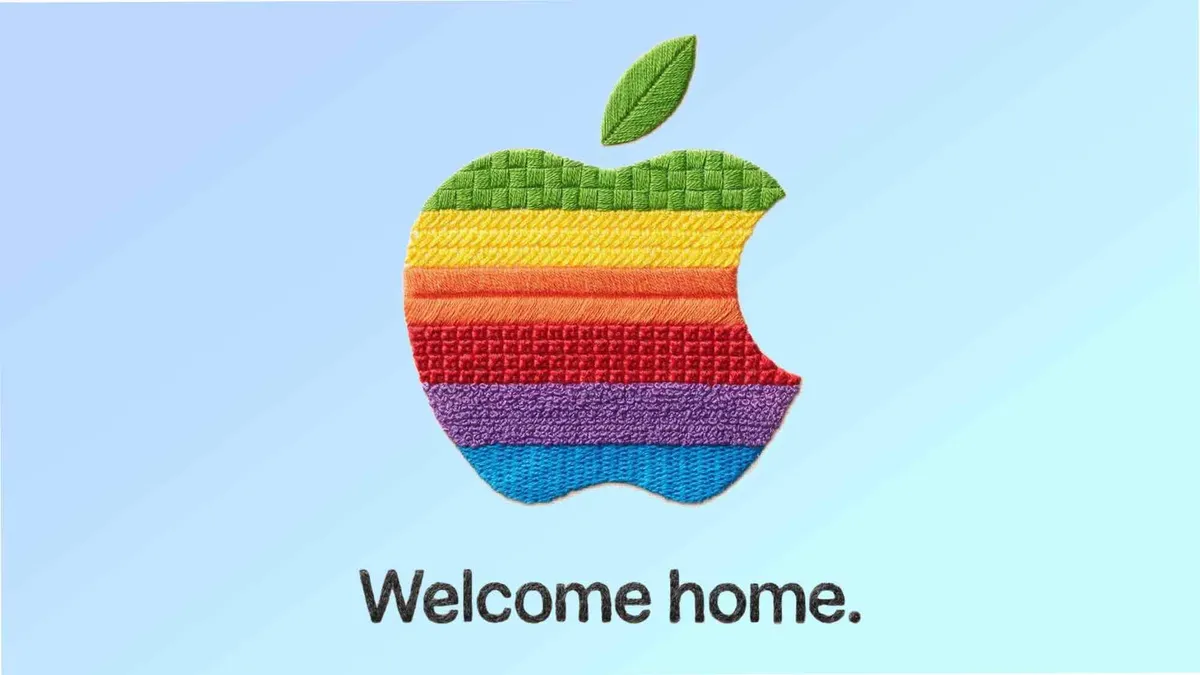
Apple has one more event left in 2026, and this one points squarely at the living room. The company has set October 13 for a launch it is calling “Welcome home.” The teaser was posted by marketing chief Greg Joswiak, and it shows a stitched Apple logo in the old rainbow colors with the tagline underneath. Apple hasn’t said what it will announce, but the message is hard to misread.
Welcome home. October 13. https://t.co/ChelGSDOTI
— Greg Joswiak (@gregjoz) October 8, 2026
The timing is notable. Apple only just finished its September showcase, where the foldable iPhone Duo and iPhone 18 Pro took the spotlight. Holding a separate event weeks later suggests the company has a home story it wants to tell without competing with phones for attention.
That story is overdue. The HomePod, HomePod mini and Apple TV 4K have gone a long time without updates. Meanwhile. According to the rumors, Apple isn’t planning redesigns for its existing hardware. It is expected to upgrade the internals so the speakers and streaming box can run the AI-powered Siri that arrived with iOS 27 last month. If that’s accurate, the refresh is less about new features than about catching up. Right now, Siri can behave differently depending on which Apple device you’re talking to.
The bigger question is whether Apple finally enters the smart display category. A device widely referred to in leaks as “HomePad” has been rumored for a long time. Reports describe a roughly six-inch screen mounted on a speaker base and running a new operating system. Siri would be the main way to control it. Expected uses include smart home control, photo display, FaceTime calls, general questions and access to some apps. It may also recognize individual household members and adjust what it shows for each person, much like Amazon’s Echo Show already does. The launch of upgraded Siri would also explain why the HomePad has taken so long. A home screen built around voice control makes little sense until the assistant behind it works well.
Bloomberg’s Mark Gurman has also reported that Apple may introduce home accessories built by LG, including a thermostat, smart locks, sensors and cameras. That would be a different approach for Apple, which has usually left those product categories to third-party HomeKit makers. A rumored tabletop robot, previously glimpsed in Apple research, appears to be further out.
Apple’s privacy reputation and close integration between devices give it real advantages in the home. But it is arriving late to a market its rivals have spent years developing. The open question is whether a screen, a smarter Siri and a few partner gadgets are enough to win over people who already own Echo or Nest devices, rather than just appealing to existing iPhone owners.