
TL;DR: The Beast is a lean, real-time action throwback powered by a weaponized limo and a fiery Samuel L. Jackson. Thin on plot, big on fun.
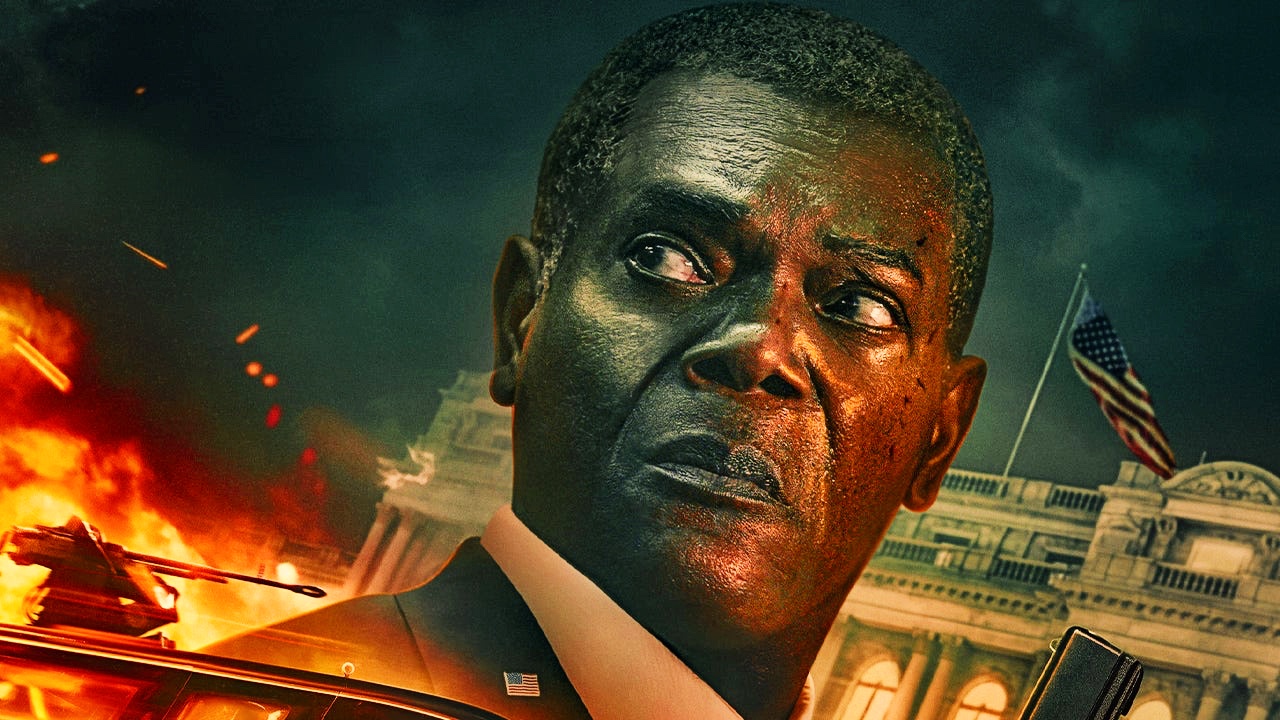
Every few years, Hollywood remembers that a ridiculous premise, a charismatic star and a ticking clock can carry a movie further than a cinematic universe ever could. The Beast is that kind of film. Samuel L. Jackson plays the President of the United States, trapped inside his armored presidential limousine after a terrorist assault wipes out almost his entire Secret Service detail. With a badly wounded agent in the back seat and the country under attack, he has to drive himself to an extraction point through a city that has turned into a combat zone. It’s a pitch so gloriously simple it could fit on the back of a VHS box, and I mean that as a compliment.
The film reunites Jackson with director Renny Harlin, the man behind The Long Kiss Goodnight and Deep Blue Sea, two movies that understood the joy of excess better than most blockbusters. Written by Umair Aleem, The Beast doesn’t pretend to be anything more than a lean, hard-driving action thriller. That honesty is a big part of its appeal. It lands in theaters on October 9, and it feels tailor-made for a loud room full of people who still cheer when a star delivers a good line before something explodes.
Twisted Metal with a presidential seal
The real hook is the car itself. The Beast isn’t just a heavily armored limo; it’s packed with high-tech offensive weaponry, which instantly turns a survival story into something closer to Spy Hunter or Twisted Metal with a government budget. Watching the President use every gadget in the vehicle to fight off waves of attackers scratches the same itch as unlocking a fully upgraded ride in a vehicular combat game. Harlin knows this is the fantasy people are buying into, and he leans into it without winking too hard. The constraint of keeping the action mostly inside one vehicle also keeps the film focused, giving it a tighter shape than most sprawling modern spectacles.
The story plays out in real time, and that decision does a lot of heavy lifting. There’s no room for subplots to wander off or for a sluggish second act to settle in. The stakes widen as it becomes clear that an unidentified alliance has launched coordinated attacks on the United States and multiple other nations, crippling the country’s defenses. That scale is mostly felt through pressure rather than explanation, which is the right call for this kind of movie. The enemy’s motives stay murky, and while that might bother viewers who want airtight geopolitics, it keeps the momentum firmly on the road.
Samuel L. Jackson is the commander-in-chief we deserve
Jackson is the engine of the film, and he’s having a blast. His President is a Vietnam War veteran whose old trauma comes rushing back as the bodies pile up, along with heavy survivor’s guilt over people dying to protect him. That gives the role more texture than a pure “action president” fantasy in the vein of Air Force One. Jackson can switch from wounded vulnerability to full-blown fury in a single breath, and the film is smart enough to let him do both. When the terrorists realize they’ve cornered a man who was trained to fight long before he was trained to give speeches, the movie becomes the crowd-pleaser it clearly wants to be.
Joel Kinnaman plays Taft, the injured Secret Service agent bleeding in the back seat, and the two essentially carry the film as a duo. Their dynamic is a nice inversion of protocol, since the person meant to be protected refuses to put himself first while trying to keep his protector alive and conscious. Kinnaman holds his own and the chemistry works, but this is undeniably Jackson’s show. There’s also a touching wrinkle in the casting of the First Lady, Rosa, who is voiced by Jackson’s real-life wife, LaTanya Richardson Jackson. With her in danger elsewhere in the city, the film gains an emotional thread that sharpens the urgency without slowing the pace.
Synths, LED screens and a city on fire
Harlin turns the streets of Los Angeles into enemy territory, and there’s something unsettling about watching a familiar American city treated as a battlefield. The vibe is pure late-night B-movie, and Tuomas Kantelinen’s synth-driven score pushes that retro feeling even further. It’s the kind of soundtrack that would sit comfortably on a cassette next to the classic ’80s action scores. Combined with the real-time structure, the music gives the film a pulse that rarely drops. This is a movie that knows exactly which era of action cinema it’s paying tribute to.
On the technical side, the limousine scenes were shot on an LED stage, allowing the actors to react to actual visual chaos rather than staring at a green void. That helps the performances feel more grounded, even when the situation is outrageous. Harlin also uses 360-degree shots inside the car, but sparingly enough that they serve a purpose. They help viewers understand the geography of the vehicle and its arsenal, which matters when most of the action depends on that confined space. It’s a thoughtful bit of craft in a film that could easily have relied on noise alone.
Verdict
The Beast doesn’t reinvent the action thriller, and it isn’t trying to. Its villains are vague, its plot is thin and anyone looking for political nuance should look elsewhere. What it does deliver is a relentless real-time ride, a fantastic weaponized limo, a retro synth score and a Samuel L. Jackson performance that blends swagger with genuine vulnerability. Fans of Die Hard-style single-situation thrillers, Harlin’s ’90s work and old-school B-movies will have a great time. It’s an easy recommendation for anyone craving a loud, lean night at the movies.