

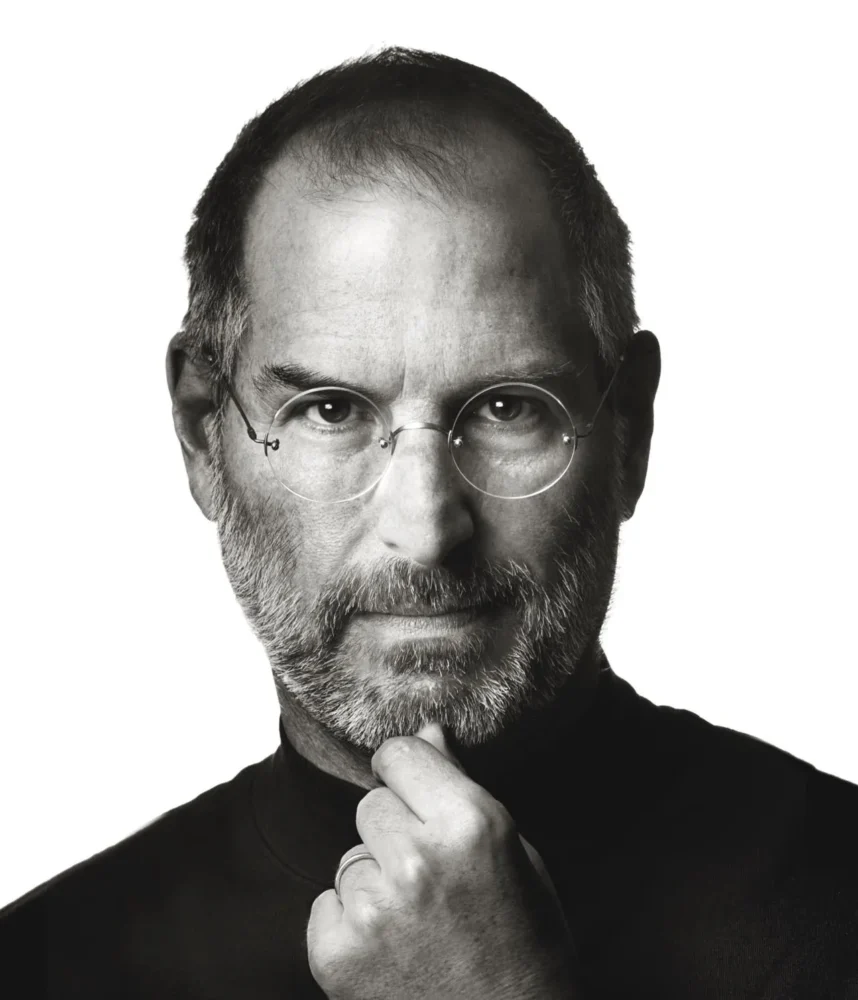
Fifteen years after Steve Jobs died, Apple’s leadership marked the anniversary with something that hasn’t happened before: two of its CEOs speaking at once. John Ternus, now running the company, and Tim Cook, who has moved into the role of executive chairman, each shared short reflections on X on October 5, posted at the same time. Both described what Jobs meant to them personally and to the company he co-founded.
The way Steve taught us to care about every detail, every experience, every person, still guides our work today. Forever grateful.
— John Ternus (@johnternus) October 5, 2026
Jobs died on October 5, 2011, after a long battle with pancreatic cancer. He had stepped down as CEO only weeks earlier and handed Apple to Cook. That transition was among the most closely watched in corporate history, and for years afterward the question of whether Apple could keep innovating without its founder hung over every keynote.
The fact that two executives posted tributes this year says a lot about how Apple has changed. Cook’s anniversary posts had become a familiar ritual over the past decade and a half. They usually honored Jobs as a mentor while quietly reinforcing the continuity Cook represented. Ternus speaking alongside him signals a new chapter. Apple now has a leader who never worked under Jobs as a senior executive, yet whose whole career grew inside the culture Jobs built.
There are people who leave a mark on the world, and then there are people who change it entirely. Steve changed the world and so many lives in the process. He certainly changed my life forever. His spirit lives on in everything he created and everyone he inspired. https://t.co/8p08BcSlTS
— Tim Cook (@tim_cook) October 5, 2026
That background matters. Ternus joined Apple’s product design team in 2001, the year the iPod arrived. He spent the following decades in hardware engineering as the Mac, iPhone and iPad lines grew and changed. Where Cook was the operations specialist who turned Apple into a supply-chain powerhouse and a services giant, Ternus comes from the product side. Recent reports suggest he is taking a more hands-on role with Apple’s design teams. That approach sounds closer to the Jobs era than to the Cook years.
Commemorative posts are, by nature, carefully measured. Neither message will reveal much about Apple’s strategy, and reading too much into a tribute would be a mistake. Still, the timing of the two posts suggests a deliberate show of unity. The outgoing and incoming leaders were placed side by side, both laying claim to the same legacy.
Jobs’ influence is still easy to trace across the lineup, from the iPhone’s central place in Apple’s business to the company’s habit of tightly integrating hardware and software. What remains unclear is how a hardware-focused CEO will interpret that legacy at a time when AI, services and regulation shape Apple’s future as much as industrial design does. The anniversary tributes look backward. The next few product cycles will show whether Ternus can push Apple forward.