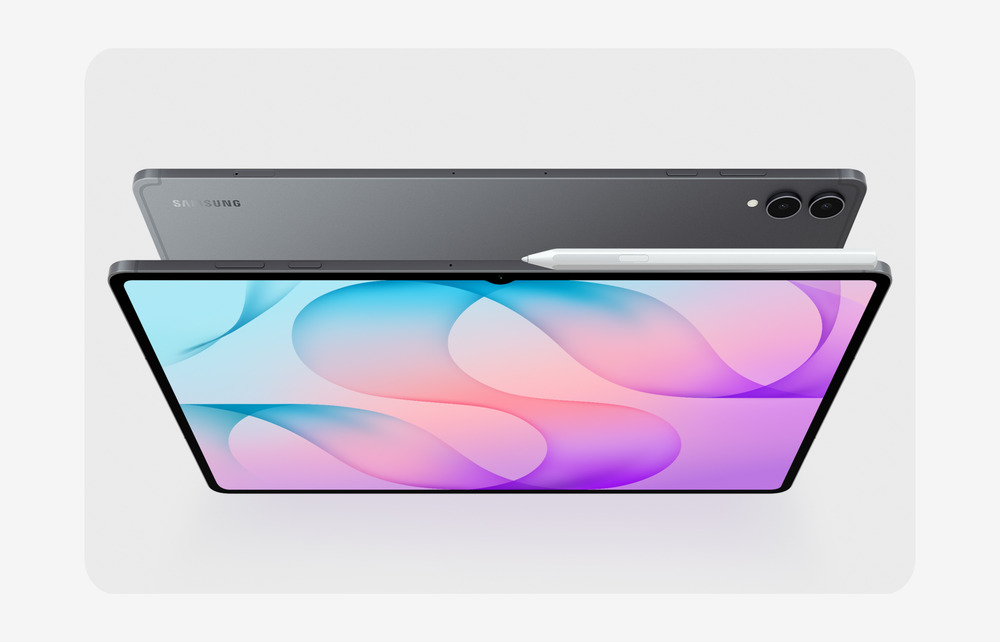

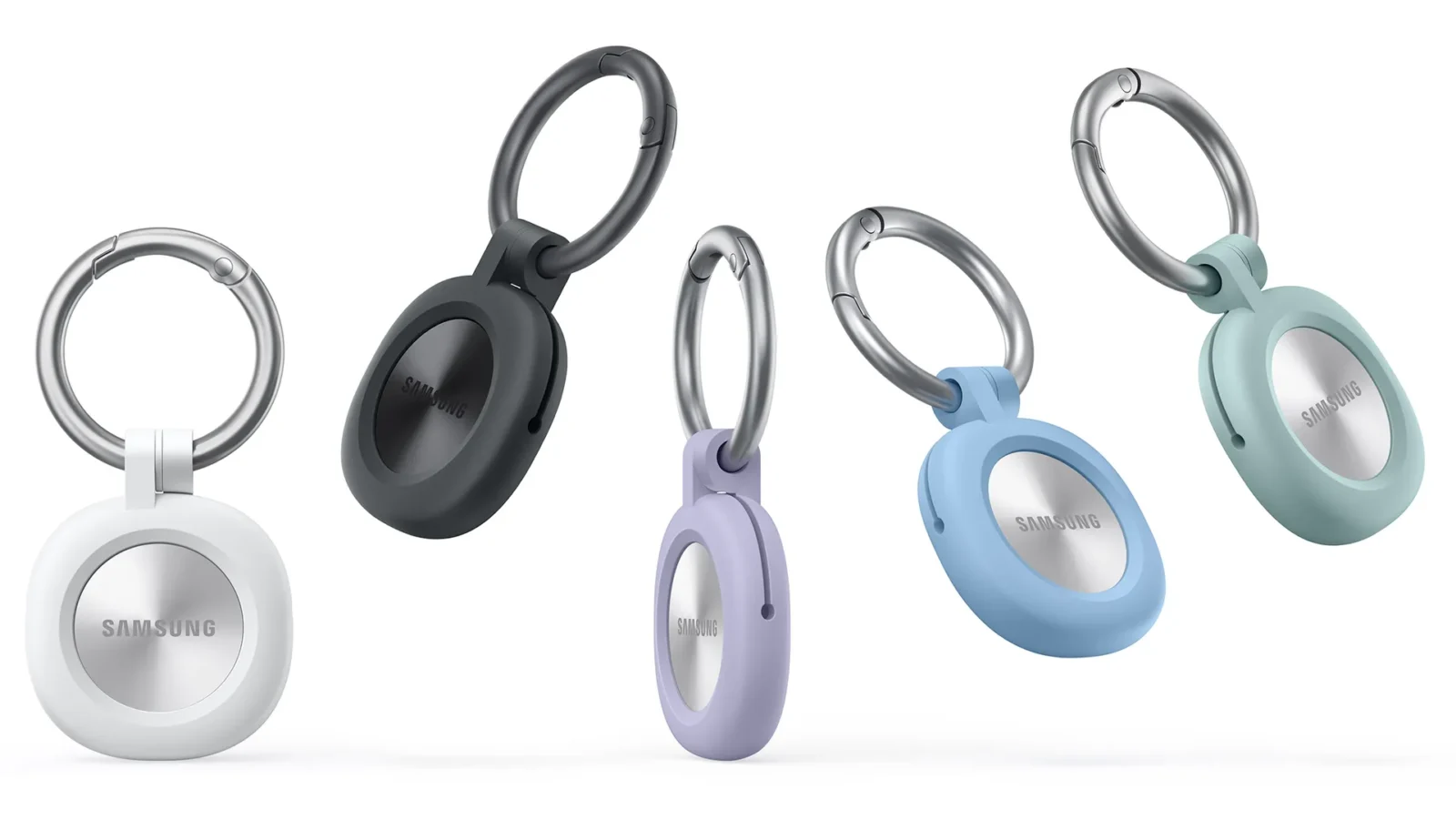
Samsung is finally loosening the grip it has kept on its item trackers. The Galaxy SmartTag 3, announced alongside the Galaxy Tab S12 tablet lineup, is the first in the series to work with both Android phones and iPhones. For a product category built on network effects and ecosystem loyalty, that is a bigger change than the slimmer design suggests.
Previous SmartTags only worked with Galaxy smartphones, which limited their appeal even in Android households. Apple’s AirTag has had the same kind of walled-garden advantage on iOS. By supporting both platforms, Samsung is betting that flexibility matters more to buyers than lock-in. The most obvious beneficiaries are mixed-device families. Samsung says tracking data can be shared with trusted users, so a parent on a Galaxy phone and a teenager on an iPhone could both follow the same tagged backpack, car or dog.
The company hasn’t said how iOS support works in practice. It is not yet clear whether iPhone owners get a dedicated app, whether features differ between platforms, or how well the tag plays with Apple’s own Find My network. Those details will decide whether cross-platform support is actually useful or just a line on the spec sheet.
The hardware is a refinement rather than a reinvention. Samsung says the SmartTag 3 is about a third smaller and lighter than the SmartTag 2, and it adds an aluminium-finished control button. Battery life is quoted at up to 550 days, or 790 days in power-saving mode, a modest step up from its predecessor’s already long endurance.
The more practical addition is a feature Samsung calls Place Notification. Owners can set a geographic boundary and get a push alert when the tag leaves it, so they don’t have to keep checking the app. It is a simple idea that trackers arguably should have offered years ago. It can also feed into smart home routines, for example switching on the lights when a tagged set of keys arrives home.
Locating a lost tag depends on the Galaxy Find Network, which Samsung says now counts around 900 million participating devices. A crowdsourced network like this only works as well as its density in a given area, so real-world accuracy will vary by region.
Buyers outside South Korea will have to wait. The tracker goes on sale there on 7 October, while other markets are pencilled in for early 2027. Samsung hasn’t announced pricing, and that may be the deciding factor now that Google’s own tracking hardware is adding pressure to a crowded market.