
TL;DR: TOEM 2 refines its predecessor’s gentle photography adventure with new tools, generous optional content and a superb soundtrack. It’s short and familiar, but it’s also one of the most genuinely relaxing games of 2026.
There is a particular kind of video game that doesn’t want anything from you. It doesn’t track your login streak, doesn’t nag you about a season pass, and doesn’t flash a countdown timer every time you open a menu. TOEM 2 belongs to that rare category, and it wears the label proudly. It’s a sequel to the 2021 indie photography adventure that quietly won over a lot of hearts, and it arrives on PC and PS5 on September 29, 2026, with a very clear sense of what it is. What surprised me is how confidently it avoids trying to be bigger or louder than the original. Instead, it sharpens the formula, adds a few new tools to the kit, and trusts that a gentle scavenger hunt through a monochrome world is still enough. For the most part, that trust is well placed.
A camera, a to-do list and absolutely no pressure
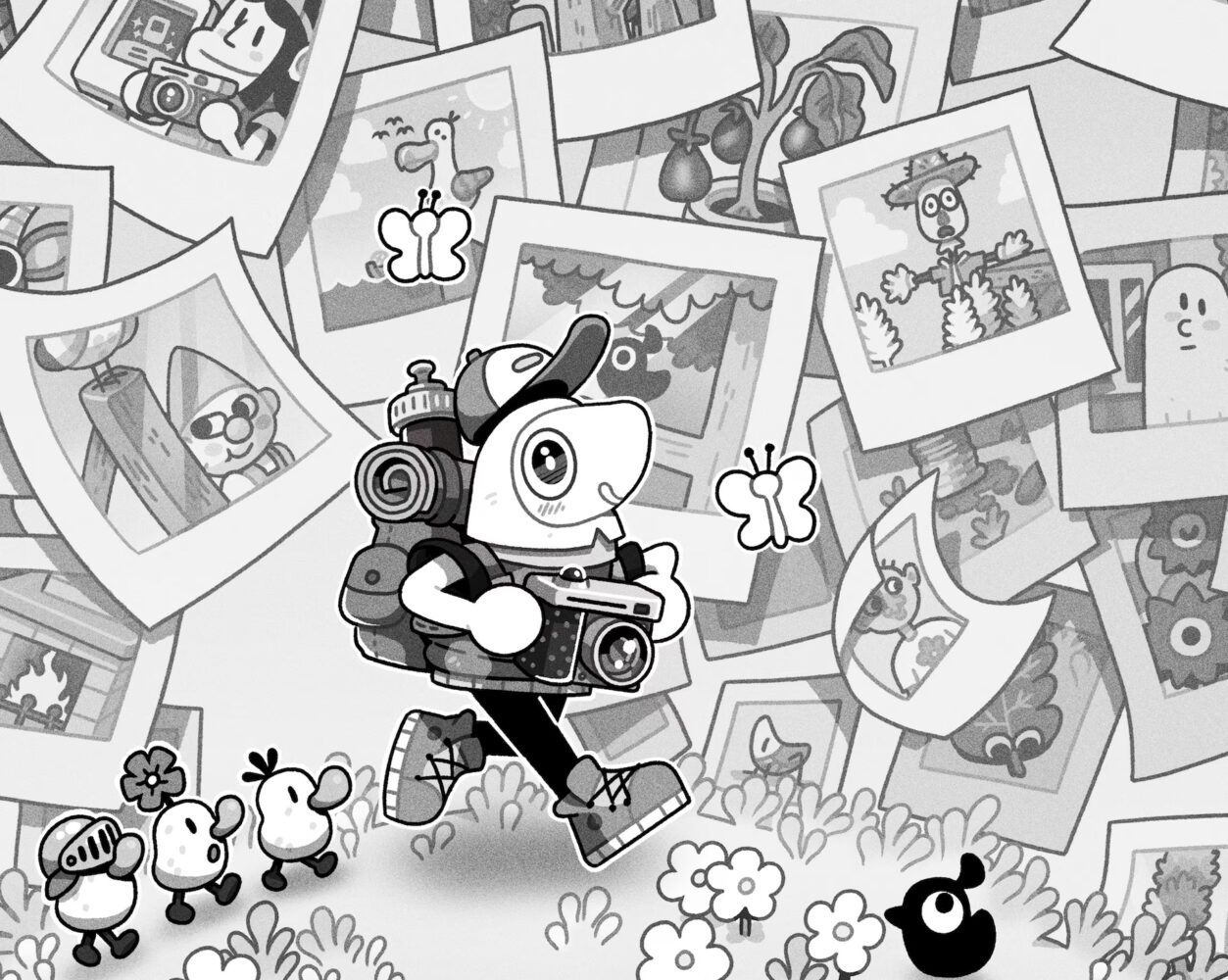
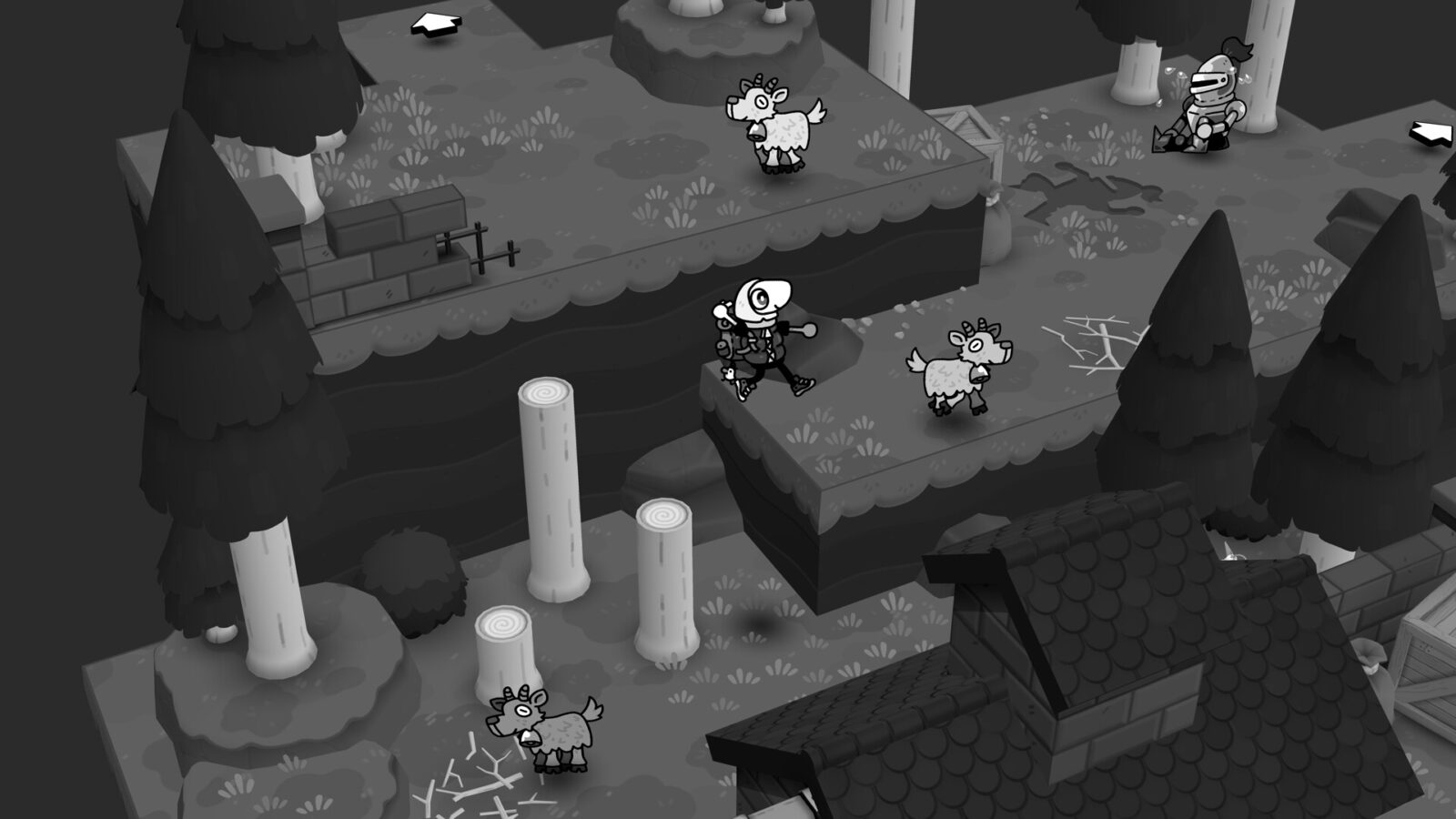
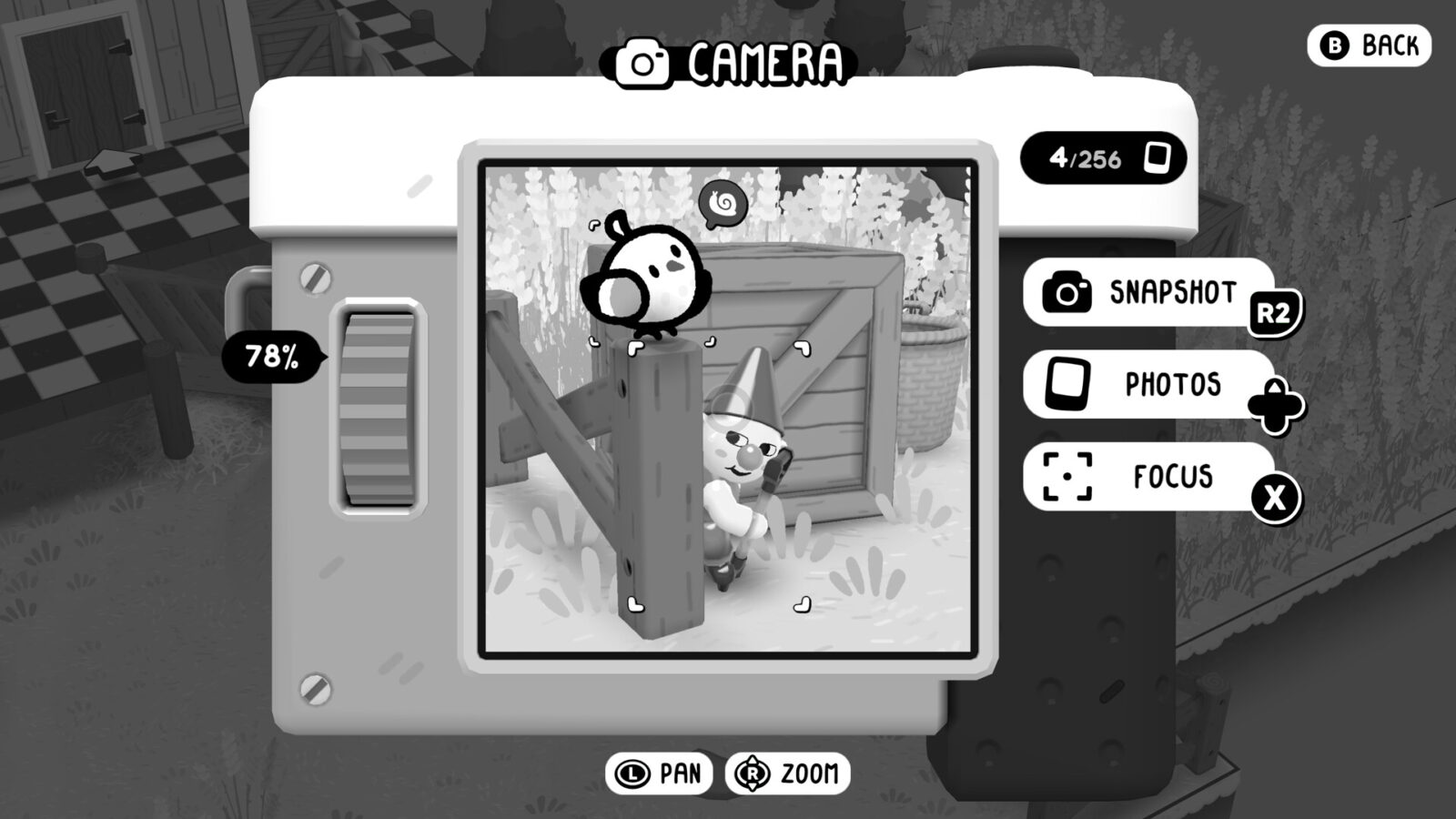
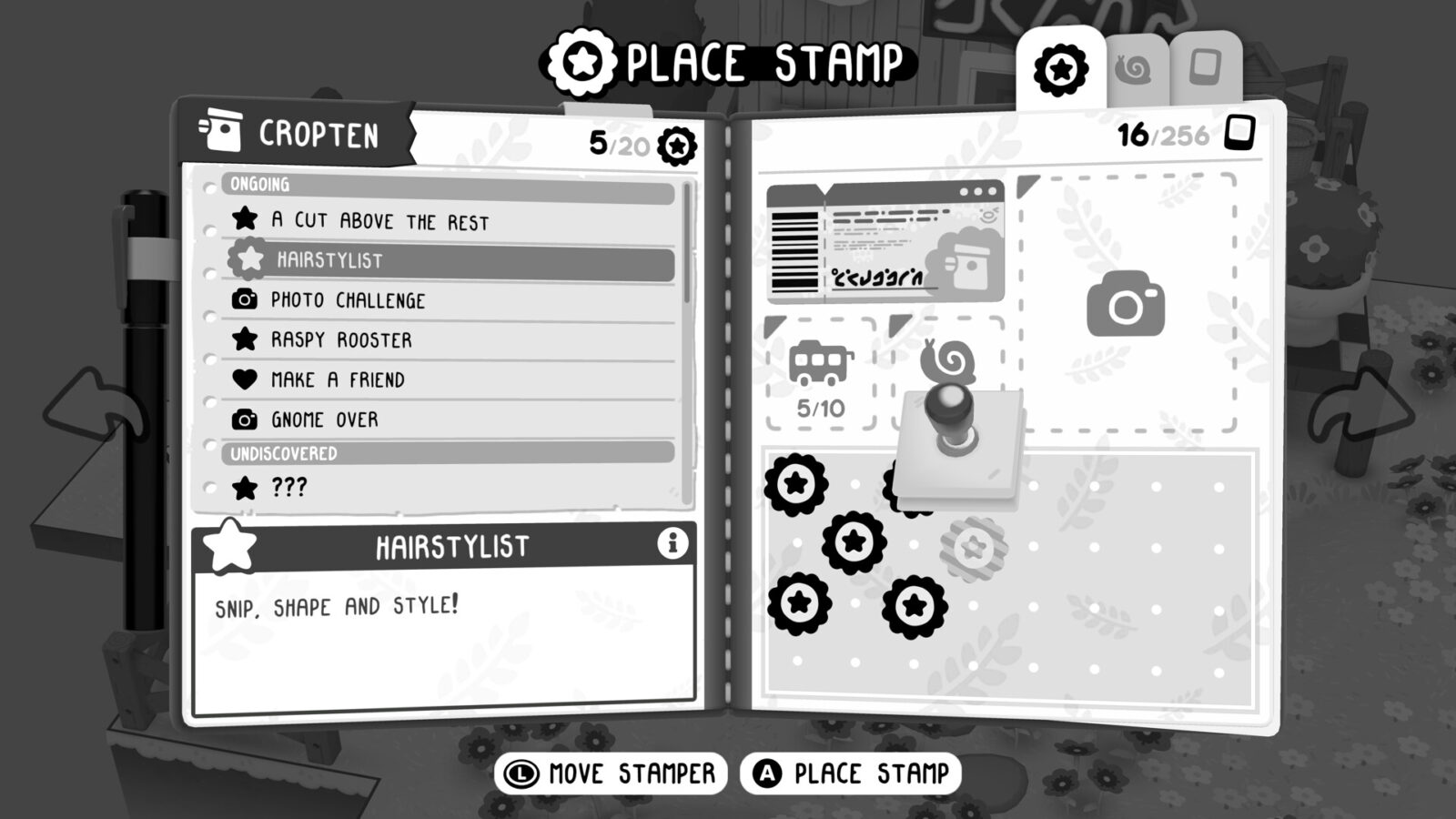
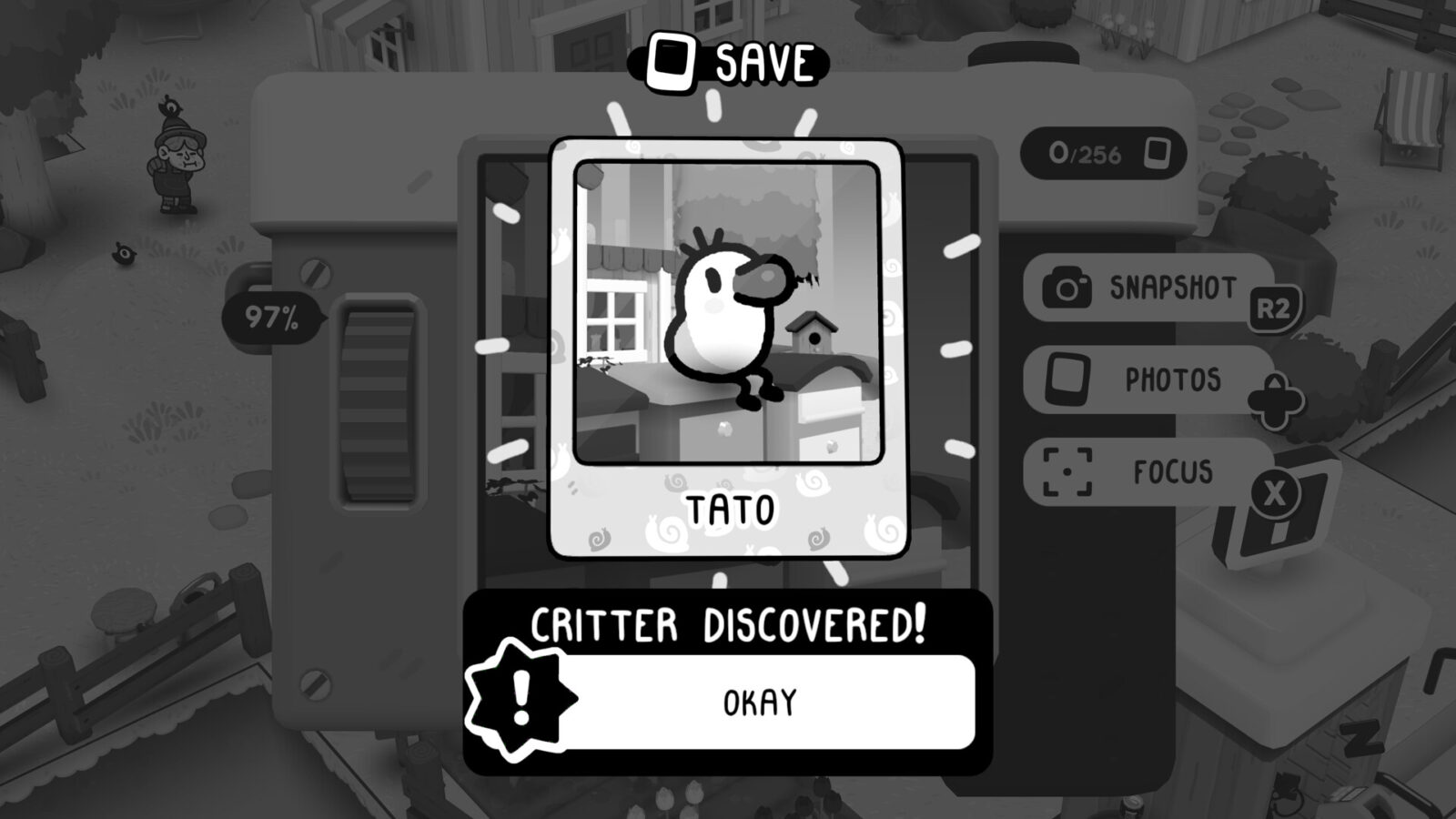
At its core, TOEM 2 is built around a simple rhythm. You arrive in a new area, meet its residents, take on their requests, and snap photographs as you go. Finishing those requests earns you stamps, and stamps are what open the road to the next destination. It’s a tidy progression system because it ties every favor you do directly to forward momentum, so even the smallest errand feels like it’s pushing the journey along. The camera isn’t a gimmick bolted onto an adventure game here; it’s the main way you interact with the world, and looking closely is the actual skill being tested. If Pokémon Snap is about chasing the perfect shot for a score, TOEM 2 treats photography more like detective work, where noticing the right detail is what solves someone’s problem. That distinction matters, because it turns every screen into a small puzzle rather than a backdrop.
New tools give the puzzles more bite
The biggest mechanical change is the addition of area-specific tools. In one region you’ll be handed a hammer, in another a screwdriver, and both are required to progress through the main story and crack certain puzzles. On paper that sounds modest, and it is, but the effect on the flow of play is noticeable. The original leaned almost entirely on observation, whereas the sequel now asks you to think about how you can physically change the environment, not just document it. That gives each location a slightly different flavor, since the tool you’re carrying shapes how you approach the obstacles in front of you. What worked for me is that none of these additions feel like feature creep. They slot into the existing loop cleanly, expanding the vocabulary of the puzzles without drowning the game in systems.
A gloriously optional amount of stuff to do
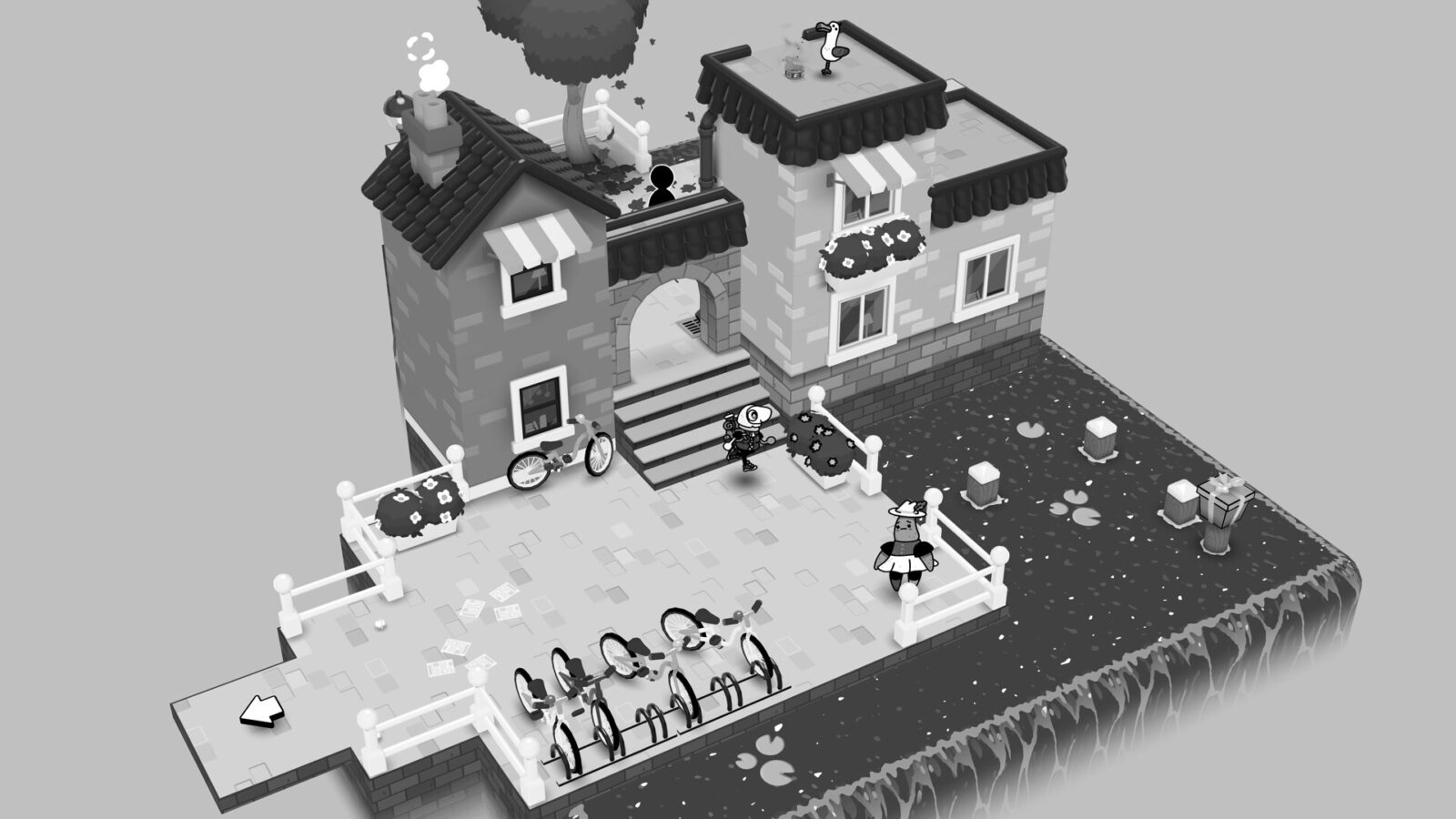
TOEM 2 is generous with side content, and it’s even more generous about letting you ignore it. Each area carries a dozen or more side quests, which is a lot of density for locations of this size. You can push straight through the required requests and move on, or you can linger and chase full completion, and the game treats both approaches as equally valid. This is where its structure really shines, because the extra tasks never feel like homework. There’s also a scattering of mini-games, including one where you whack goblin cut-outs, and notably, they don’t come with time limits. That single design choice says a lot about the game’s priorities. Even when it’s asking you to perform, it refuses to put a clock on you.
The anti-chore cozy game
The cozy genre has a slightly awkward secret: a lot of its biggest names are, underneath the pastel paint, productivity simulators. Water the crops, check the shop, hit the daily quota, repeat until your real-life to-do list feels relaxing by comparison. TOEM 2 goes in the opposite direction, and I found that refreshing in the most literal sense. There are no daily obligations here, no calendar ticking over, no punishment for wandering off to see what’s behind a hill. The game actively encourages you to slow down, to the point where you can meditate in it. Crucially, that calm never tips into boredom, because there’s always another request to chip away at or another oddball detail to photograph. It’s relaxing because it respects your time and attention, not because nothing happens.
Monochrome that’s anything but dull
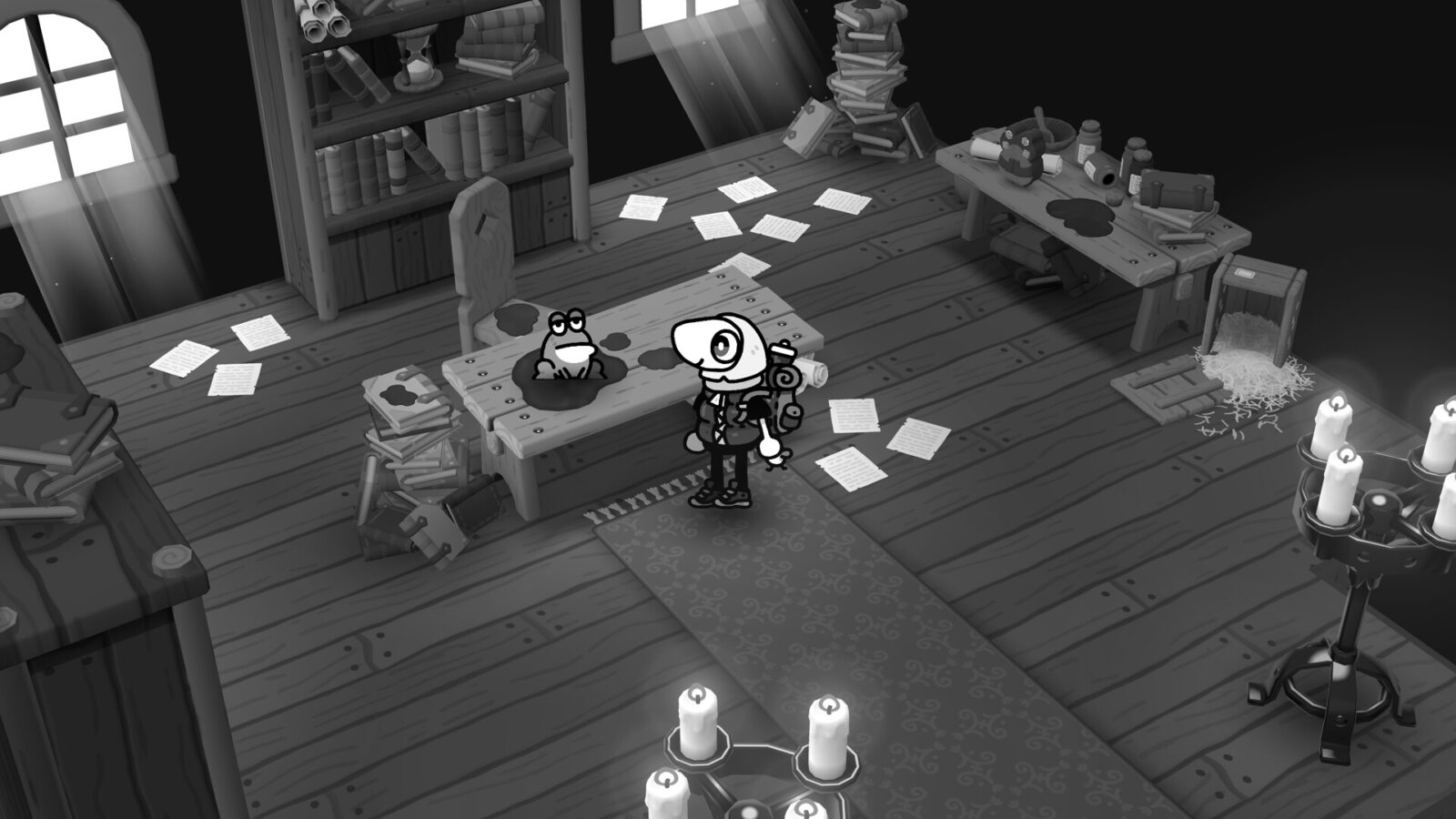
Like its predecessor, TOEM 2 is rendered entirely in black and white, and the choice continues to be one of its greatest strengths. The look evokes a hand-drawn comic strip, full of anthropomorphic animals, whimsical environments and small visual jokes waiting to be spotted. Stripping out color could easily have made the world feel flat, but it does the opposite here, because the game relies on shape, silhouette and composition to guide your eye. That’s a smart match for a photography game, where framing is everything and a stark palette makes subjects pop. The variety across locations keeps things fresh, too, with each area carrying its own personality rather than feeling like a reskin of the last. It’s a world that rewards the exact kind of careful looking the gameplay demands.
A soundtrack you’ll want to take home
Music does a lot of heavy lifting in TOEM 2, and it’s easily one of the best parts of the package. The soundtrack comes from Launchable Socks and Jamal Green, and it’s impressively eclectic, matching the range of characters you meet from town to town. Rather than simply playing in the background, the music is woven into the game as a collectible. You can find cassettes throughout your journey and replay your favorite tracks whenever you like, which turns the soundtrack into something you actively curate. There are also moments built around music and movement, whether that means dancing, doing breathing exercises, or simply soaking in the mood. It’s the kind of audio design that makes the world feel lived-in and gives you a reason to keep exploring even after the main requests are done.
A small story with a sincere heart
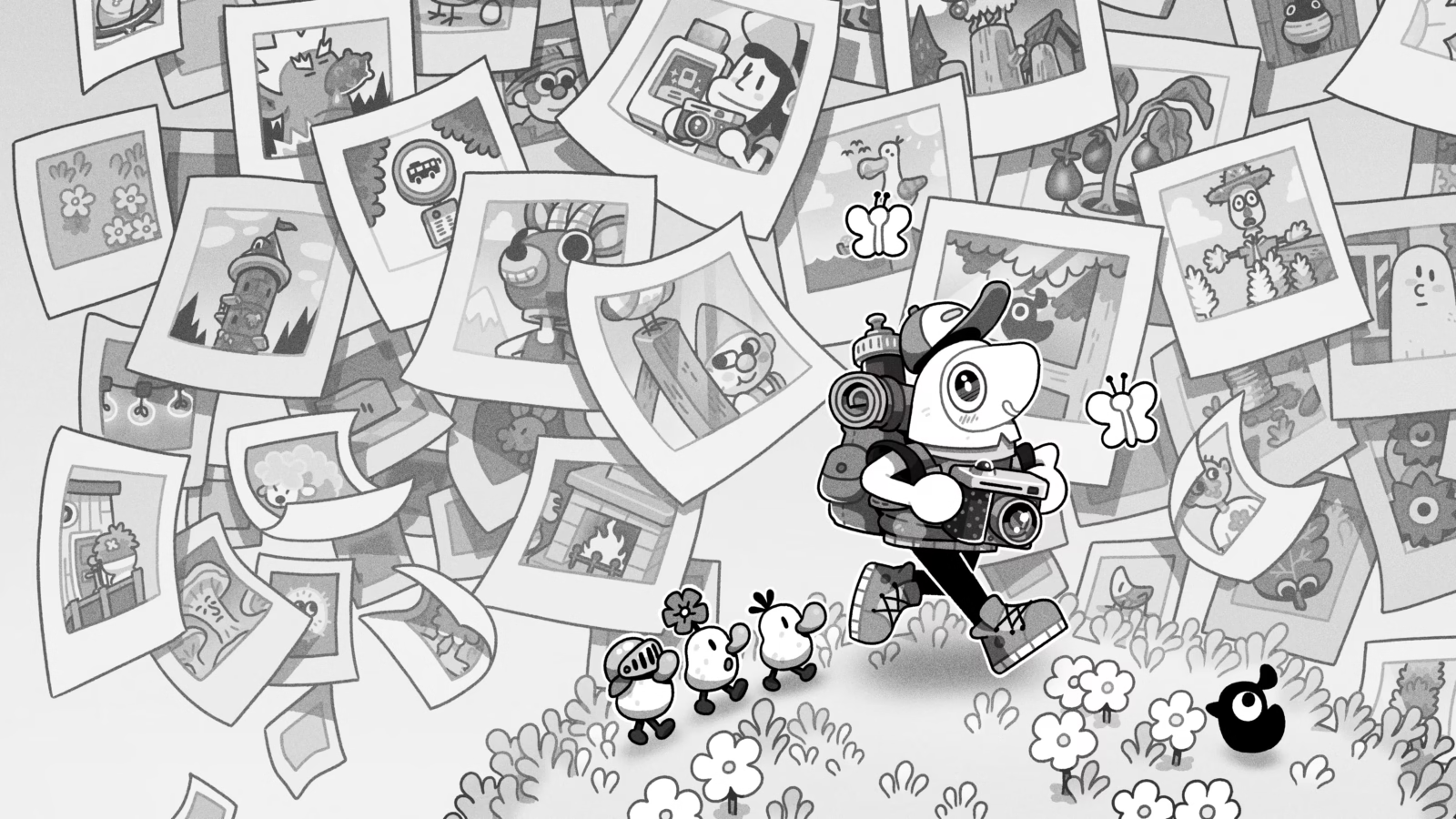
TOEM 2 isn’t a narrative heavyweight, and it doesn’t pretend to be. The story treads familiar ground from the first game, focusing on self-discovery and the simple value of helping the people around you. What keeps it from feeling slight is its sincerity. The message is warm without being syrupy, and it never tips into lecturing, which is harder to pull off than it sounds. Because so much of the narrative is delivered through the requests you complete, the theme is reinforced by what you actually do rather than by long speeches. It’s a gentle, optimistic story that fits the game’s tone perfectly, even if it won’t linger as long in the memory as the art or the music.
The price of familiarity and a short runtime
The obvious catch is that TOEM 2 is a sequel in the most traditional sense. The magic of the first game came partly from how unexpected it was, and that sense of discovery is inevitably dulled when you already know the shape of the experience. Returning players will recognize the loop immediately, and while the new tools and extra content refine it, they don’t fundamentally change it. Length is the other sticking point. The game can be completed in under five hours, which feels appropriate for its tight design but may leave some players wanting more for their money. To its credit, it’s a short game that doesn’t pad itself out, and I’d take five focused hours over fifteen diluted ones. Still, if you’re after a big, sprawling adventure, this isn’t it.
Verdict
TOEM 2 refines its predecessor rather than reinventing it, and that restraint works in its favor. The photography-driven puzzle loop remains delightful, new tools like the hammer and screwdriver add welcome depth, and the black-and-white art and standout soundtrack give the world real personality. Its biggest achievement is removing pressure entirely, with untimed mini-games and optional side quests you can take or leave. It’s short at under five hours and lacks the original’s surprise factor, but for anyone on PC or PS5 craving a calm, clever escape, it’s one of 2026’s easiest recommendations.