
Amazon has shut the door on Meta’s new Muse AI agent, preventing the automated assistant from shopping on its retail platform just weeks after Meta introduced the technology.
The dispute highlights a growing problem for the next generation of AI assistants: agents may be capable of navigating websites and completing tasks for users, but that does not mean website operators are willing to let them in.
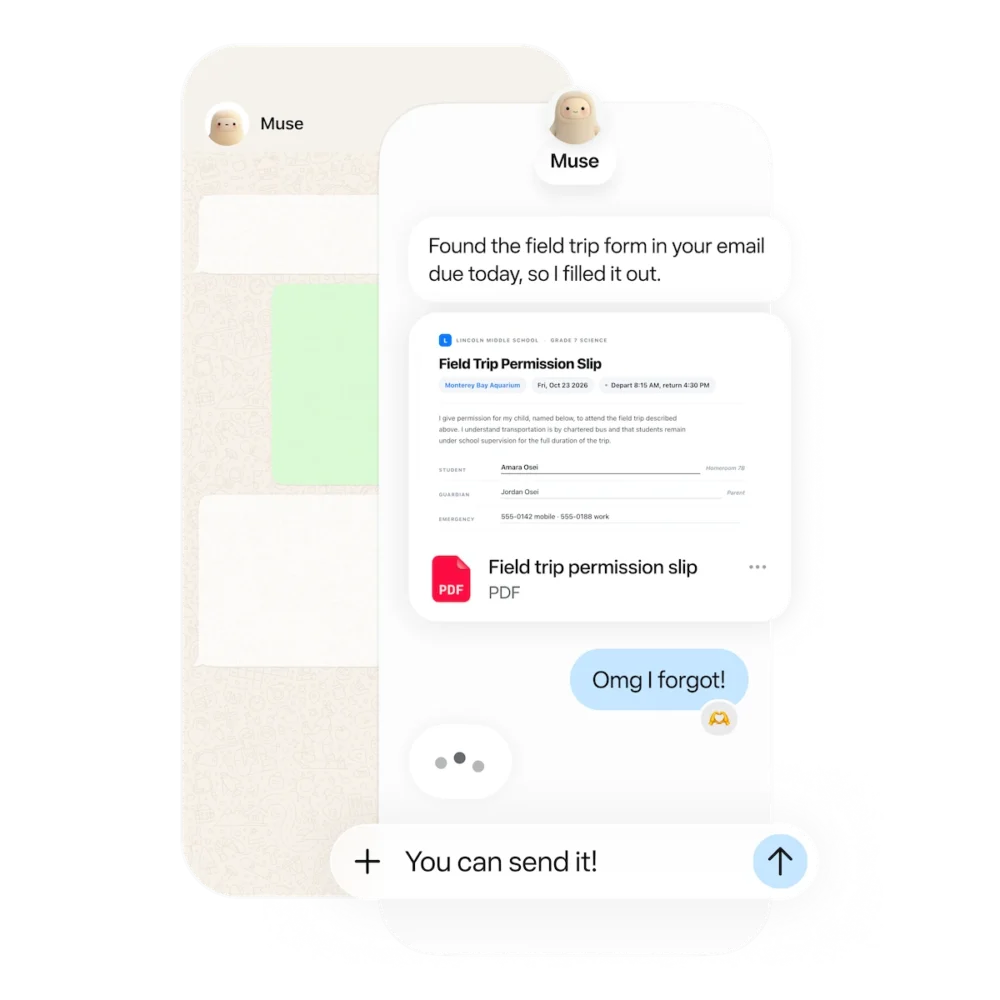
Muse is designed to handle everyday online activities on a user’s behalf, including shopping and booking appointments. Amazon, however, prohibits third parties from deploying automated shopping tools on its marketplace. After Meta declined a request to remove the agent, Amazon began blocking Muse from its retail site on Sunday night.
Users attempting to access Amazon through Muse are instead presented with warnings indicating that the agent violates Amazon’s terms of use.
The confrontation is significant because AI companies increasingly see autonomous agents as the next step beyond conventional chatbots. Rather than simply answering a question or generating text, an agent can potentially browse services, compare options and perform actions for its user. Shopping is an obvious target because it combines product discovery, recommendations and transactions in a single workflow.
That also creates tension with companies such as Amazon, which have spent decades controlling how customers interact with their marketplaces. An external AI agent sitting between Amazon and the shopper could change that relationship considerably, particularly if the agent chooses products, compares prices or eventually handles purchasing decisions without requiring users to browse Amazon directly.
For Meta, the restriction creates an immediate practical limitation for Muse. An assistant marketed around completing online tasks becomes considerably less useful when major websites can simply refuse automated access.
Amazon’s decision also suggests that the emerging agentic AI ecosystem may become fragmented rather than universally accessible. AI assistants can technically be capable of operating across the web while still facing terms-of-service restrictions, technical blocks and commercial resistance from individual platforms.
The bigger question is whether companies will eventually negotiate formal access for third-party AI agents or increasingly reserve automated shopping capabilities for their own systems and approved partners.
For consumers, that distinction could determine whether future AI assistants genuinely work across the open web or function inside a patchwork of corporate boundaries. Muse running into Amazon’s wall this early is a reminder that building capable AI agents may prove easier than convincing the internet’s biggest platforms to let them operate.