

TL;DR: The iPhone 18 Pro Max is heavy, expensive and visually familiar, but its monster battery, A20 Pro performance and brilliantly playful variable-aperture camera make it Apple’s most exciting creator-focused iPhone yet. At AED 5,499 it isn’t an automatic upgrade, but photographers and power users are going to have an absolute blast.
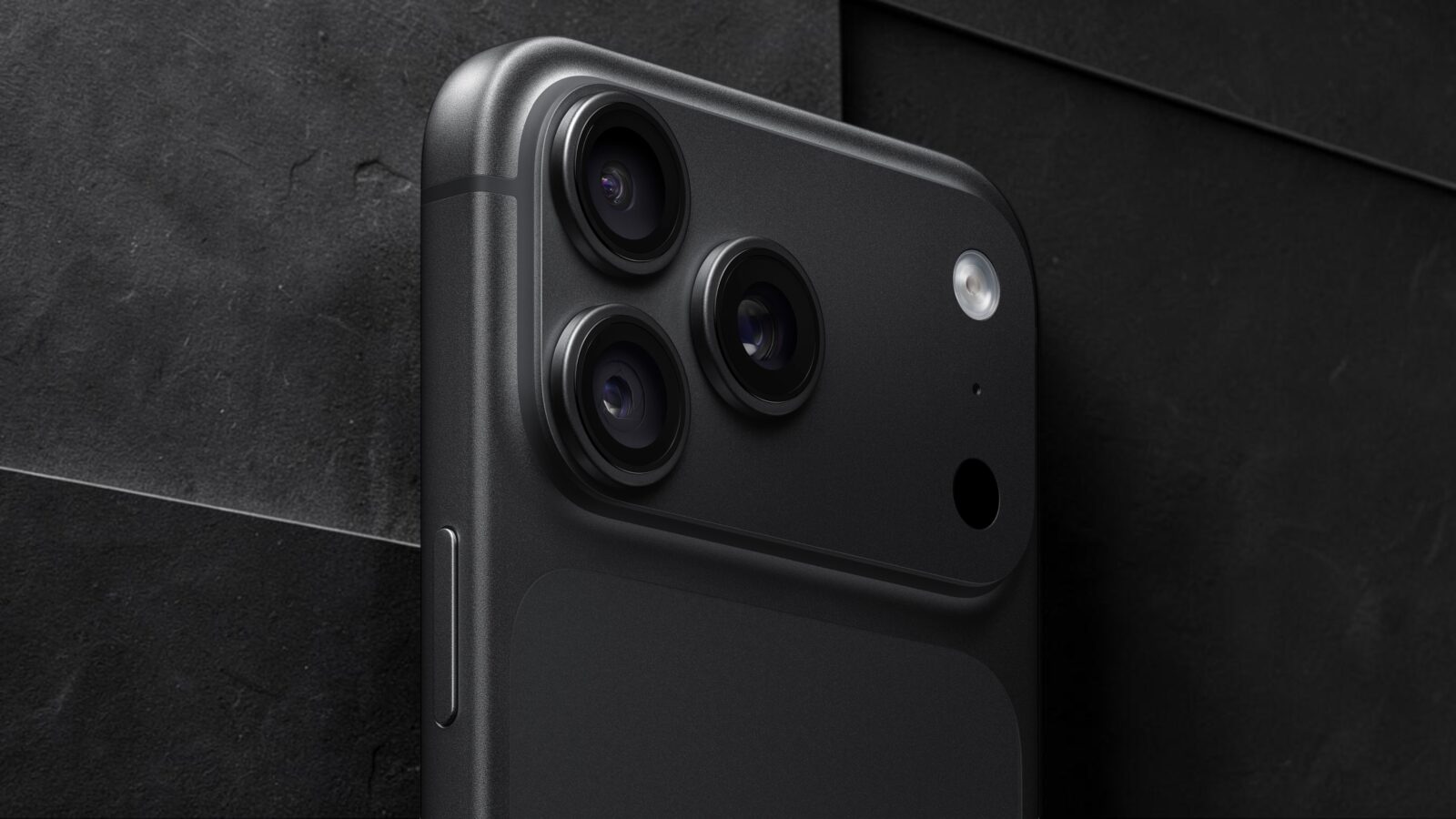
There is a moment with the iPhone 18 Pro Max when you stop looking for the obvious annual iPhone upgrade and realise this generation is playing a completely different game. Visually, this isn’t some dramatic reboot. There is no radical new shape, no camera island performing architectural gymnastics and no design trick engineered specifically to make last year’s phone look prehistoric. Instead, the iPhone 18 Pro Max feels like an already formidable flagship that disappeared into the workshop and returned with considerably more firepower.
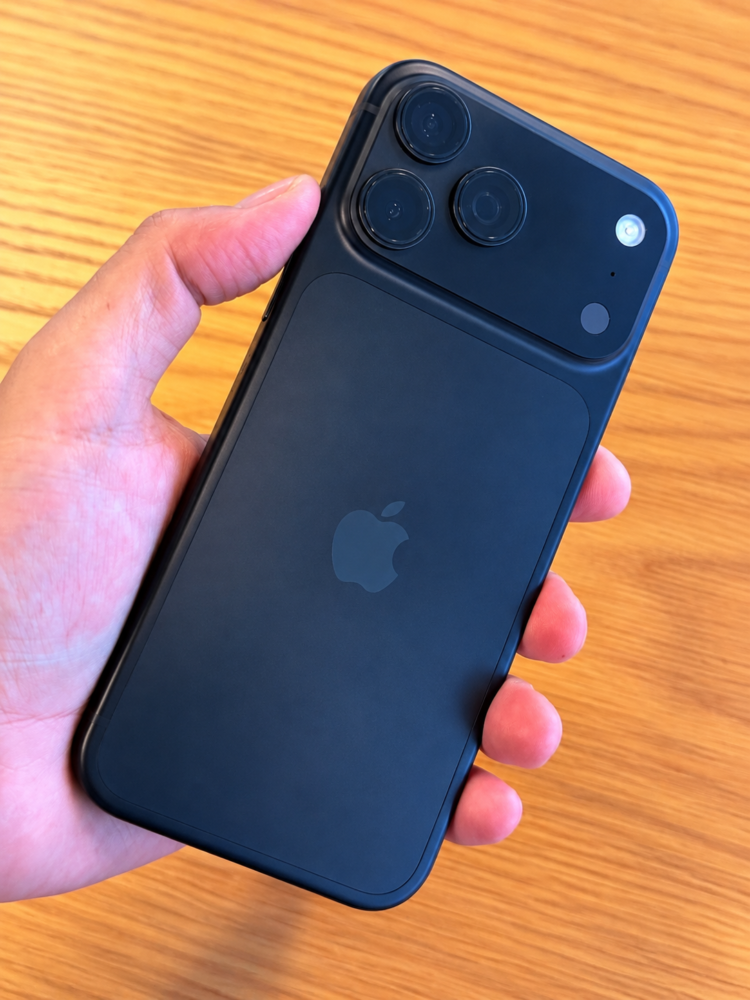
After using it, that approach works brilliantly for me. Battery life takes a substantial leap, charging is seriously quick, the A20 Pro has ridiculous amounts of horsepower, thermal management has received a major overhaul, and the smaller Dynamic Island is a welcome refinement. This is an iPhone less interested in showing off from across the room and much more interested in becoming better once it is actually in your hand.
But none of those things became the reason I kept reaching for it. That would be the camera. The iPhone 18 Pro Max has made photography on an iPhone feel playful again, thanks largely to variable aperture, manual shutter speed and white balance controls, Smart Focus Tracking and Photographic Styles 3. The magic isn’t simply that the resulting photographs can look excellent; it’s that creating them has become part of the fun.
Same iPhone silhouette, considerably more muscle
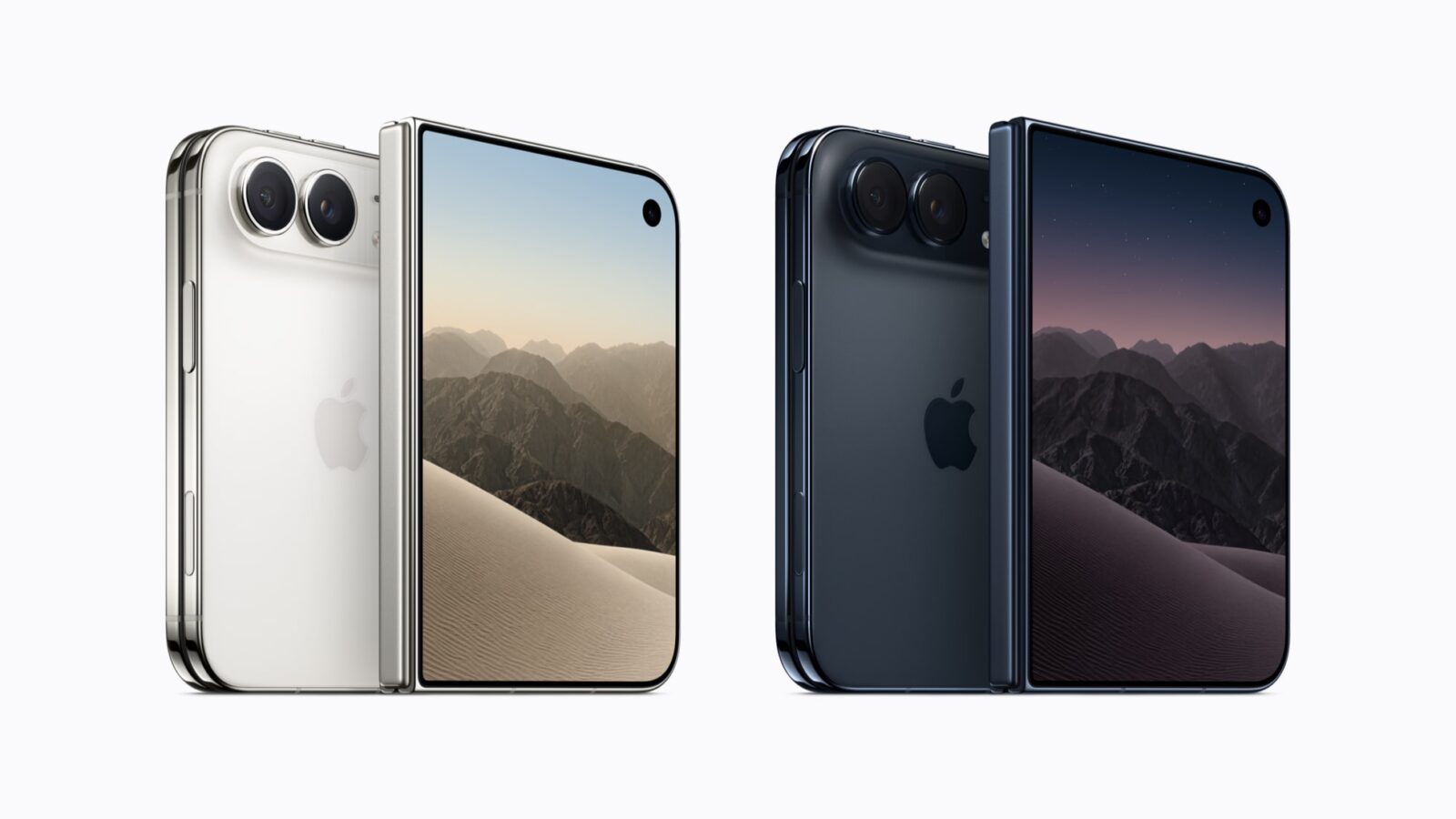
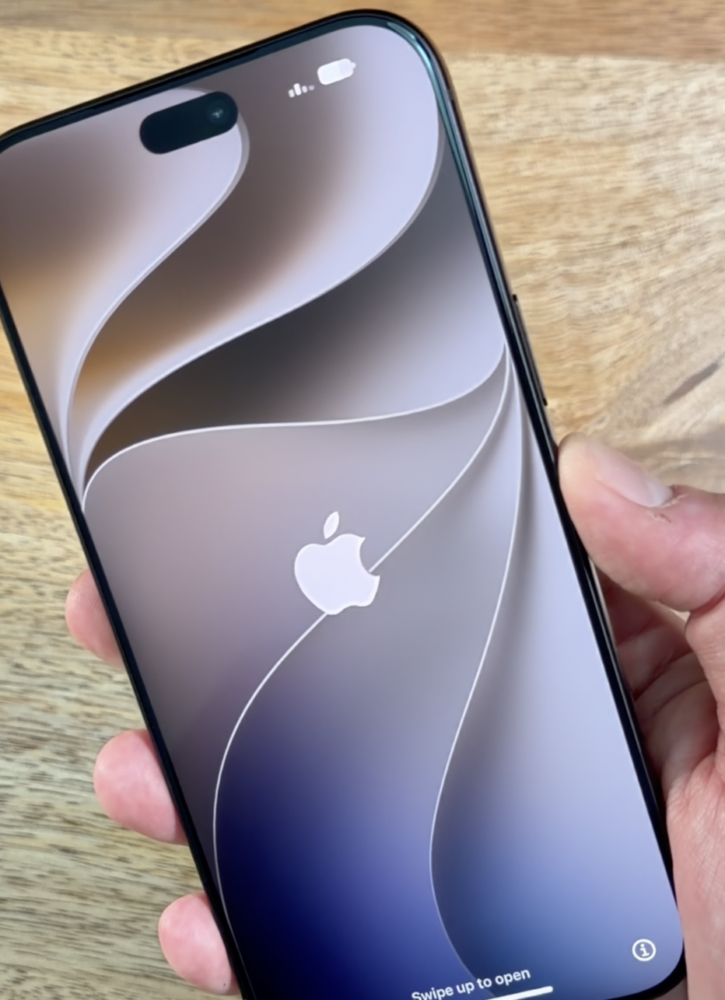
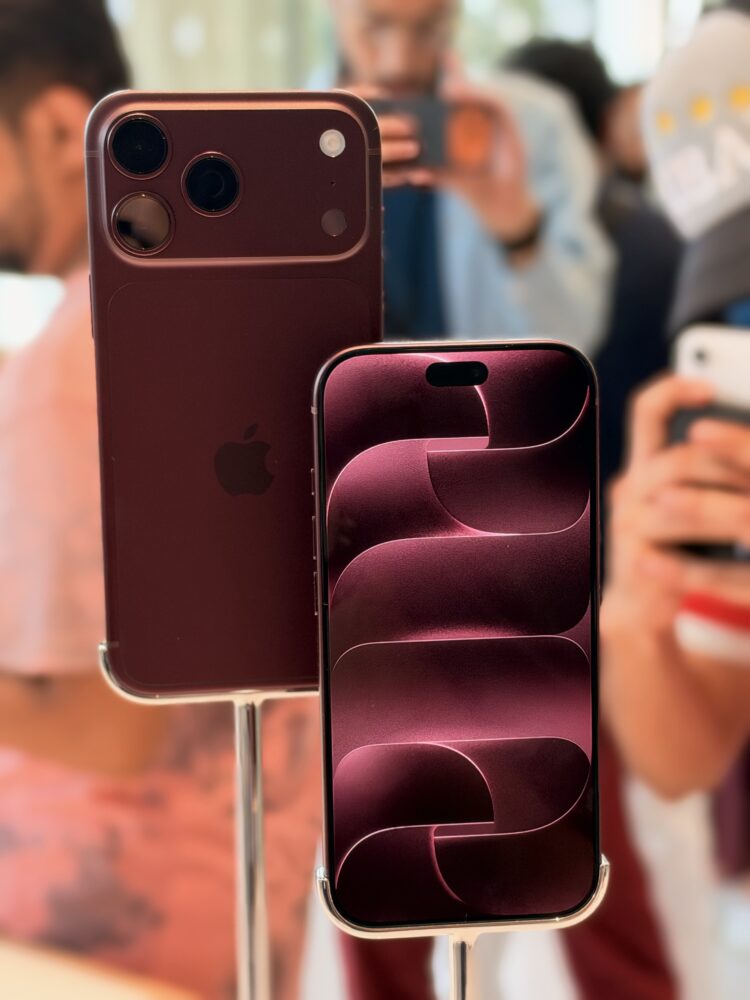
Pick up the iPhone 18 Pro Max and there is absolutely no mistaking what it is. The aluminium unibody design returns alongside Ceramic Shield on the back and Ceramic Shield 2 on the front, while the enormous 6.9-inch Super Retina XDR OLED display offers ProMotion with an adaptive refresh rate up to 120Hz. Outdoor brightness can reach 3,000 nits, which is the kind of number I appreciate when I’m trying to frame a photograph under aggressively bright sunshine rather than admiring a specification in a dark room.
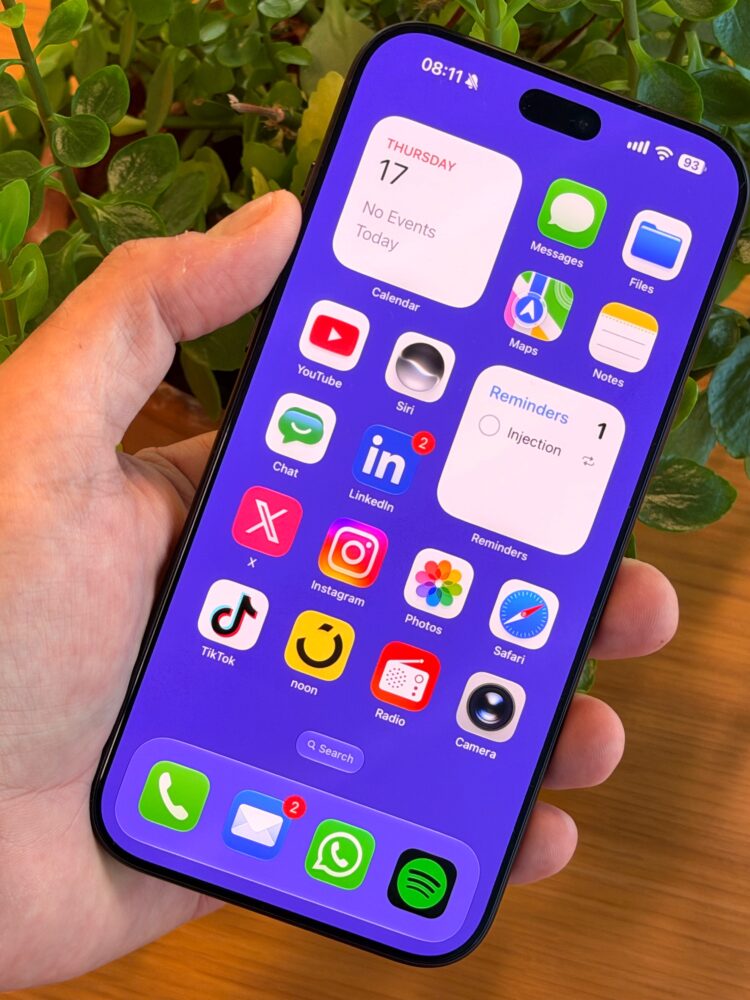
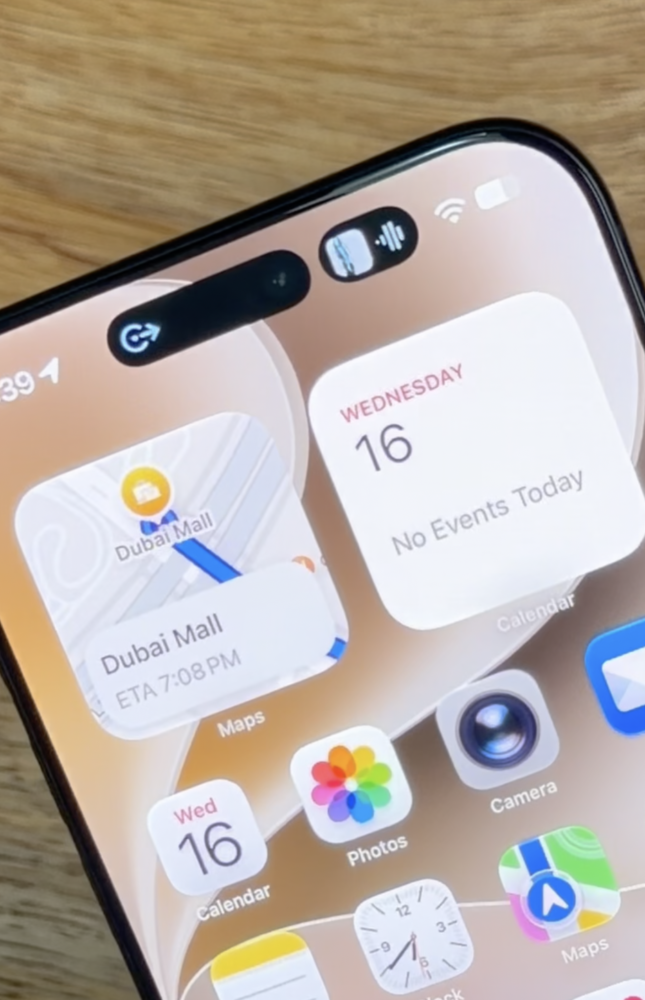
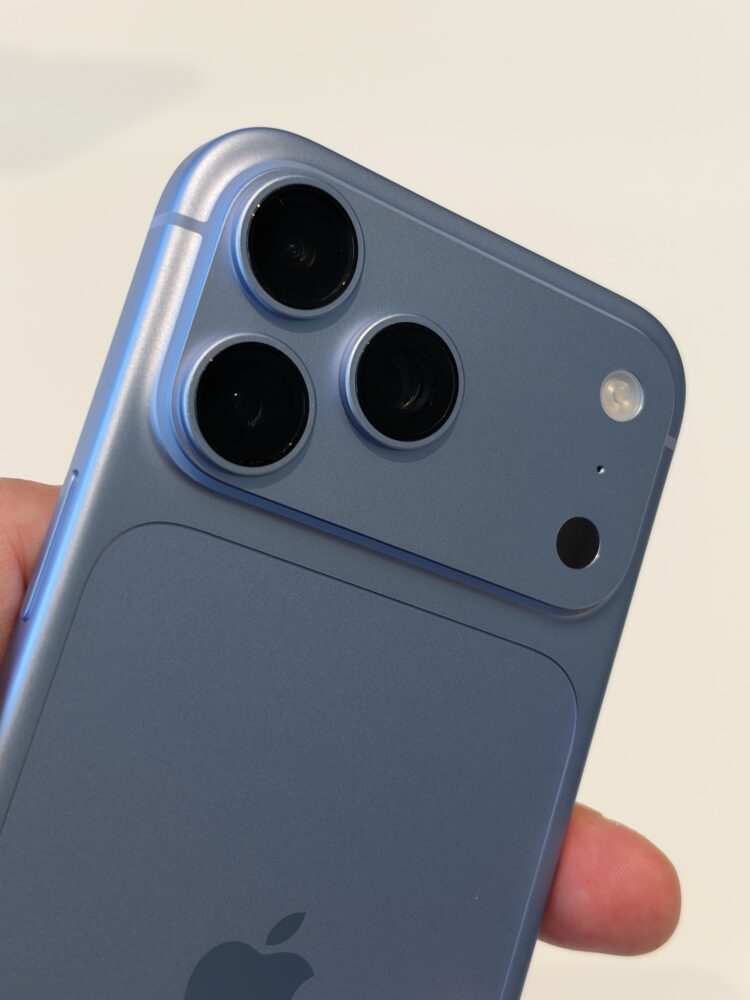
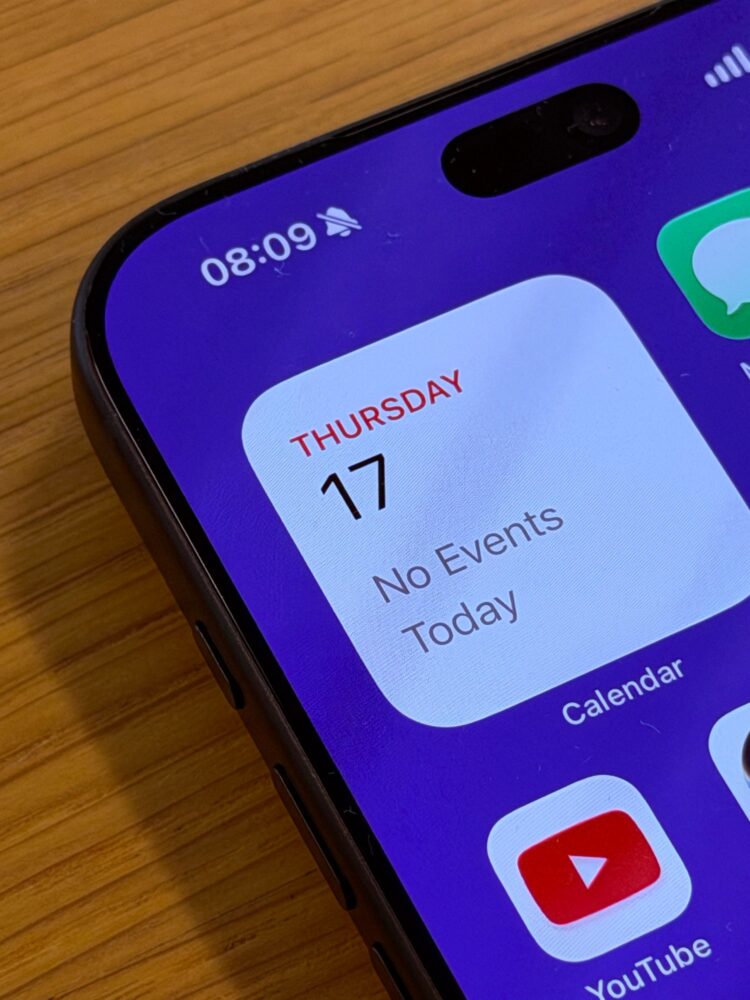
The colour selection includes Black, Silver, Glacier and Burgundy, giving the familiar design enough personality without turning the Pro Max into a gaming peripheral. The Dynamic Island has also been redesigned and can now accommodate up to three Live Activities simultaneously, making that little area at the top of the screen more useful while taking up less visual space. It still isn’t the completely uninterrupted display some people dream about, but I’m perfectly happy watching the Island gradually lose real estate while gaining functionality.
This thing is an absolute unit
Let’s deal with the elephant in the pocket: the iPhone 18 Pro Max weighs 249 grams. It measures 163.4mm tall, 78mm wide and 8.75mm thick, so this isn’t a phone pretending to be delicate. Throw a case around it and your wrist may start wondering exactly when it signed up for an unsupervised strength-training programme.
Strangely, I don’t dislike the heft as much as I expected because the phone feels reassuringly substantial and the extra bulk is doing genuinely useful work. There is more battery capacity to play with and a far more ambitious thermal system inside, two things I’ll happily take over another obsessive attempt to shave fractions of a millimetre from a flagship. Thinness is lovely, but battery life and sustained performance are considerably lovelier.
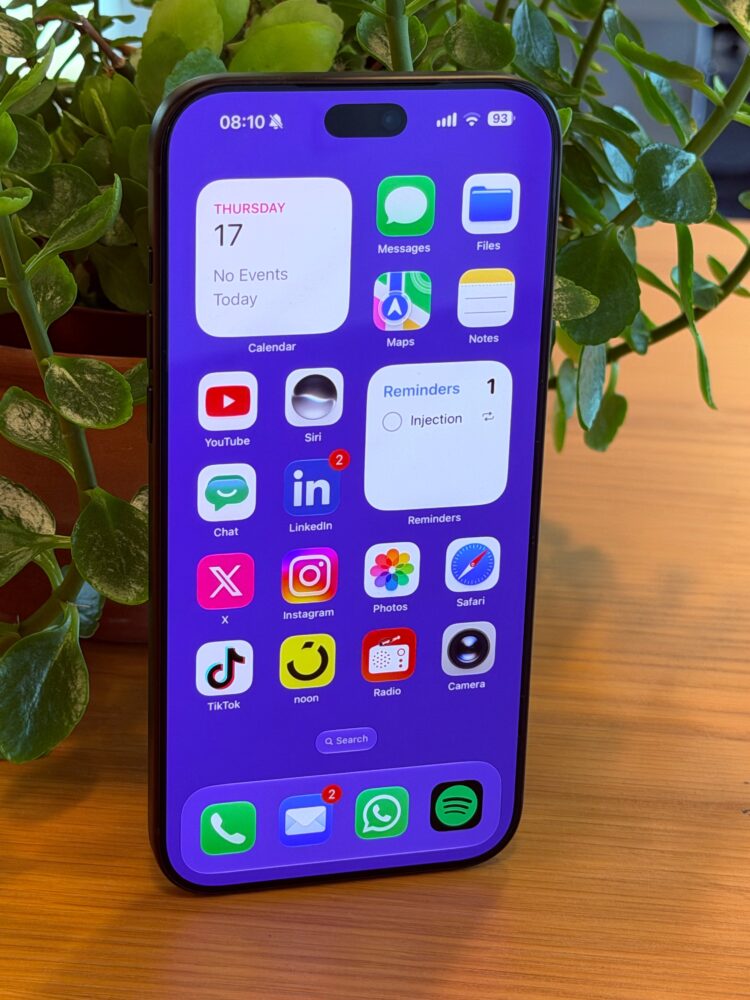
The Pro Max has always been the iPhone for people who looked at the regular Pro and thought, “Yes, but what if there was more iPhone?” The 18 Pro Max simply commits harder to that philosophy. Subtlety left the building somewhere around gram 230.
The A20 Pro just went full beast mode
At the centre of everything is the A20 Pro, combining a six-core CPU, seven-core GPU with Neural Accelerators and a Dual 16-core Neural Engine. At this point, describing a flagship iPhone as “fast” feels almost meaningless. Of course it’s fast; we’re several generations beyond the point where opening Instagram half a blink quicker qualifies as technological progress.
The more interesting numbers concern what happens when all that silicon is actually given something difficult to do. Graphics performance can climb up to 40 percent over the iPhone 17 Pro, memory bandwidth has increased by 50 percent, and the Dual 16-core Neural Engine delivers twice the compute for on-device intelligence. That combination matters for demanding games, computational photography, creative applications and increasingly complex local AI workloads far more than shaving milliseconds from opening Messages.
There is also a healthy amount of headroom here, and I appreciate that in something this expensive. The iPhone 18 Pro Max already feels hilariously overqualified for normal smartphone duties, leaving plenty of breathing room for increasingly ambitious apps and AI features over the coming years. Give me excess horsepower over a processor designed merely to survive until next September.
The cooling system might be the secret weapon
Raw performance becomes considerably less impressive when a phone turns into a pocket toaster the moment you start pushing it, and this is one area where the iPhone 18 Pro Max impressed me. During heavier use, particularly gaming and demanding camera workloads, the phone managed heat far better than I expected and remained comfortable rather than becoming distracting. The redesigned vapor chamber has three times the surface area for heat dissipation, working alongside the A20 Pro’s thermally optimised packaging to deliver up to 40 percent better sustained performance than the iPhone 17 Pro.
That matters because I don’t care how fast a processor is for a few glorious minutes if performance falls apart once the temperature starts climbing. The real test is keeping that power available during longer gaming sessions, high-resolution video recording and demanding creative workloads, and that’s where the improved cooling starts earning its keep. I could push the phone harder without constantly thinking about heat, which is exactly what I want from something wearing the Pro badge.
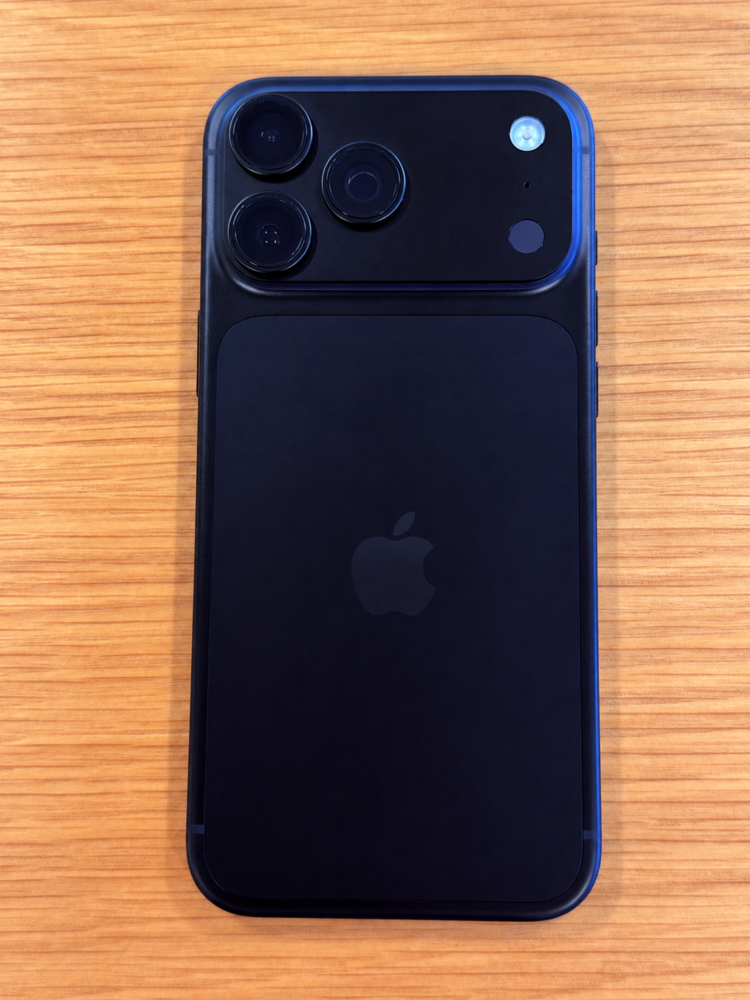
The vapor chamber certainly isn’t the sexiest feature to show someone five minutes after unboxing the phone, but in actual use it became one of the upgrades I appreciated most. A20 Pro already has absurd amounts of horsepower, and giving it enough thermal headroom to actually use that power makes far more sense than chasing another flashy specification. Sometimes the nerdiest upgrade really is one of the best.
The battery has apparently declared war on chargers
Battery life is where the iPhone 18 Pro Max started making its 249-gram weight much easier for me to forgive. During my time with it, I pushed the phone through photography, video, gaming and plenty of time on that enormous 6.9-inch display, and battery anxiety was rarely part of the experience. I could use it aggressively instead of constantly checking the percentage or strategically switching on Low Power Mode before dinner. The 45-hour video playback and 40-hour streamed video playback figures provide some useful context, but what mattered more to me was simply how difficult this thing was to drain during everyday use.
Charging was just as impressive because even when I did manage to hammer the battery, I wasn’t attached to a wall for long. A quick 15-minute wired charge can restore around 50 percent, while MagSafe can reach 50 percent in around 30 minutes with compatible charging hardware. Even a short top-up made a meaningful difference, which meant forgetting to charge overnight never turned into an Avengers-level emergency. Combined with the endurance, that made the Pro Max feel like a phone I could actually push without planning my day around a charger.
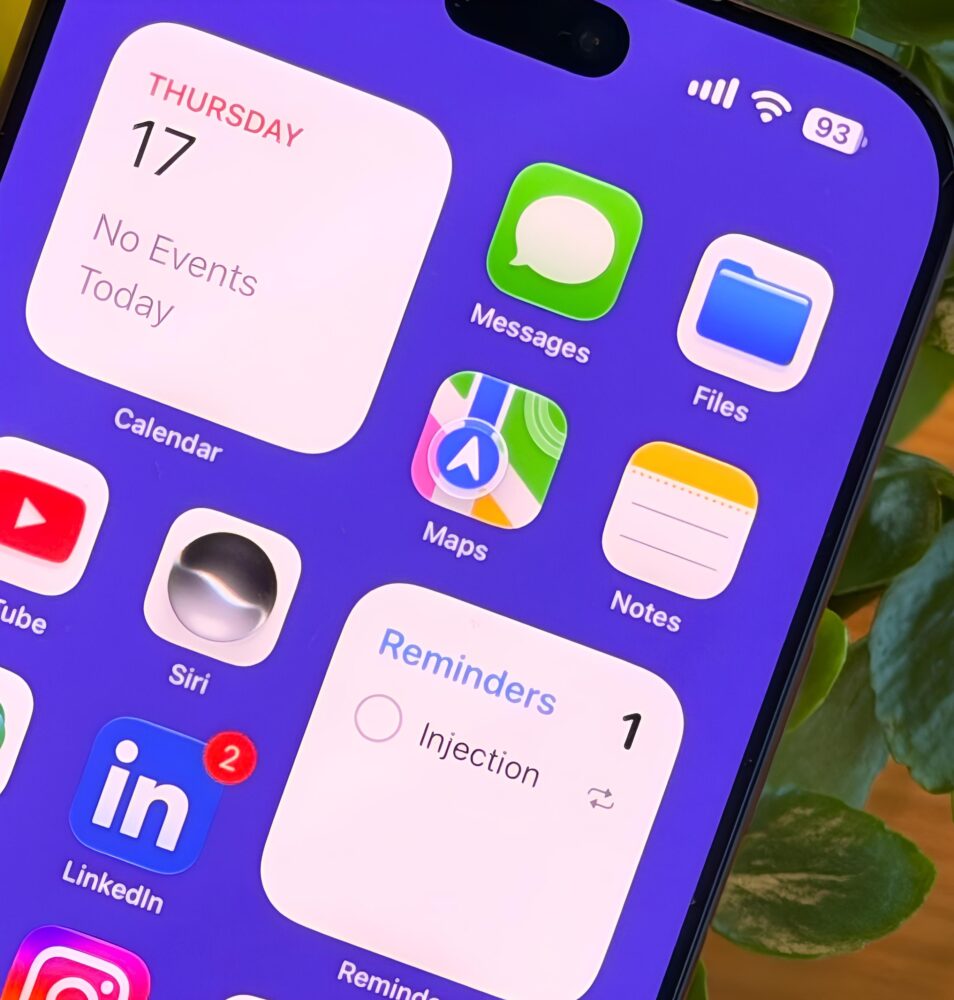
That’s ultimately what impressed me most about the battery: I stopped thinking about it. I shot more photos, recorded more video, played more games and generally treated the phone like the powerhouse it’s supposed to be. The iPhone 18 Pro Max is undeniably heavy, but when that extra weight comes with endurance this good and charging this quick, my wrists and I are willing to negotiate.
Then I opened the Camera app
This is where the iPhone 18 Pro Max became genuinely fun for me. I spent a lot of time experimenting with its three 48MP rear cameras, particularly the 48MP Fusion Main, while the Ultra Wide and Telephoto gave me plenty of flexibility when I wanted to change perspective. The Telephoto offers 4x optical zoom and 8x optical-quality zoom, with the complete system covering a 16x optical-quality zoom range and reaching 40x digital zoom. It’s an incredibly versatile setup, but one camera kept pulling me back.
The 48MP Fusion Main camera with variable aperture is easily the star of the show. Being able to move between f/1.48, f/1.8, f/2.8 and f/4 gave me something I haven’t had enough of on an iPhone: reasons to experiment before pressing the shutter. I could open things up when I wanted more light, stop down when I wanted greater depth, or simply leave the phone to handle aperture automatically when I didn’t feel like playing photographer.
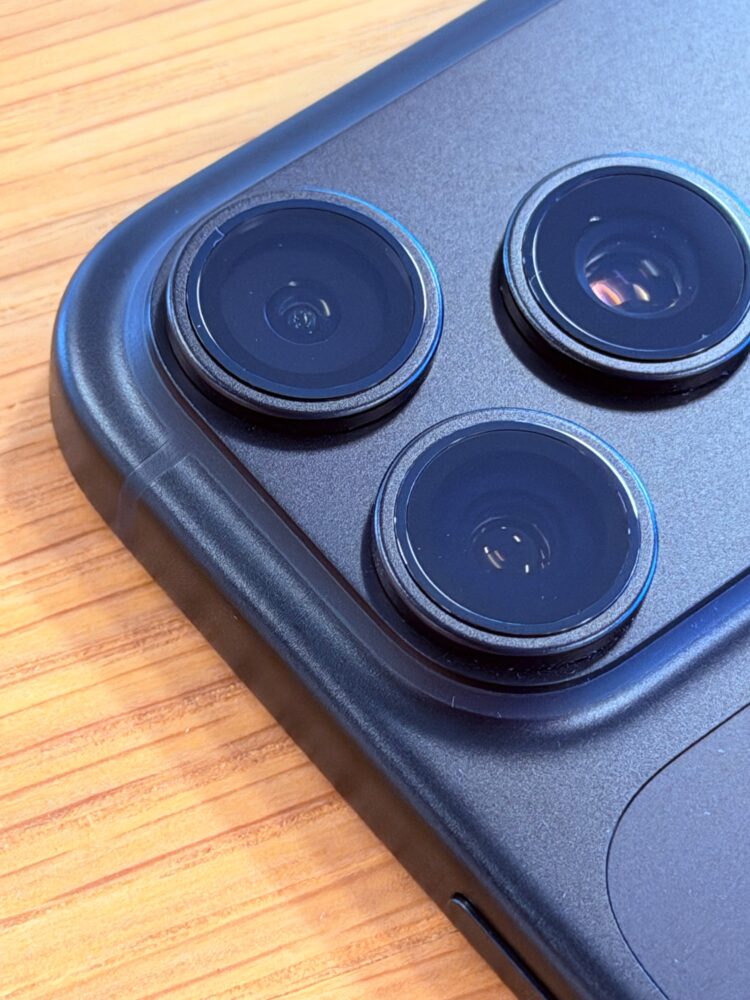
And I definitely wanted to play photographer. I found myself changing aperture, trying different compositions and deliberately looking for scenes where those controls could produce something interesting instead of simply pointing the camera and trusting Auto. Smartphones have become exceptionally good at making photographic decisions for us, but the iPhone 18 Pro Max reminded me how much fun it is when I get to make some of those decisions myself.
The Camera app finally lets me cook
This is where I probably spent far too much time experimenting, because the Camera app finally gives me proper Pro controls for aperture, shutter speed and white balance, alongside a histogram for keeping an eye on exposure. Instead of letting the iPhone make every decision, I could actually shape the shot before pressing the shutter. I also like being able to keep frequently used controls within easier reach, because nobody wants to go menu-diving when the light is disappearing.
The fun really started when I stopped chasing the technically perfect image. I played with slower shutter speeds to introduce real motion blur and light trails, adjusted white balance to change the mood of a scene, and stopped the aperture down to f/4 to create genuine optical starbursts around bright lights. These aren’t effects being slapped onto the image afterwards; they’re creative choices I could make while shooting, and that made photography feel much more hands-on.
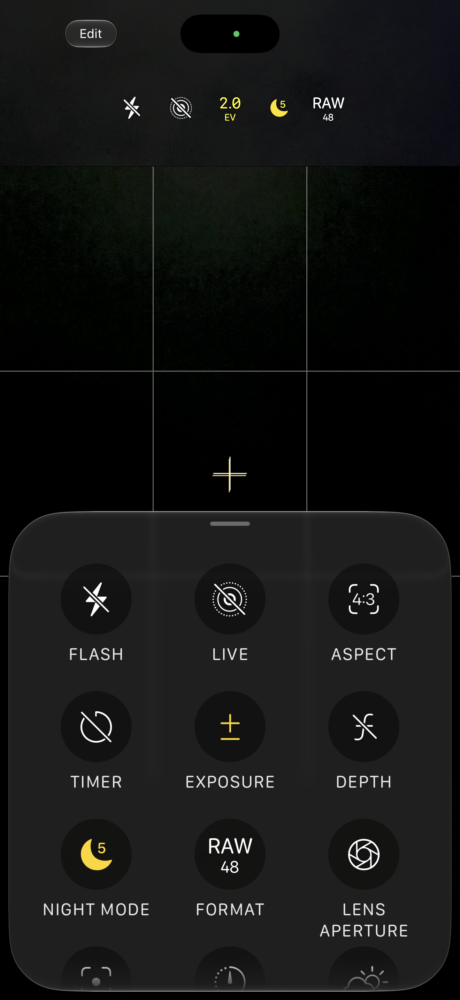
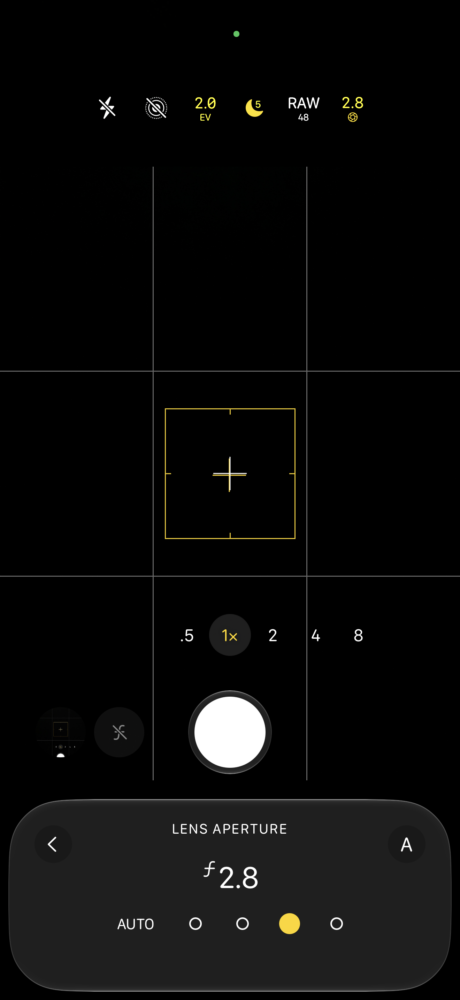
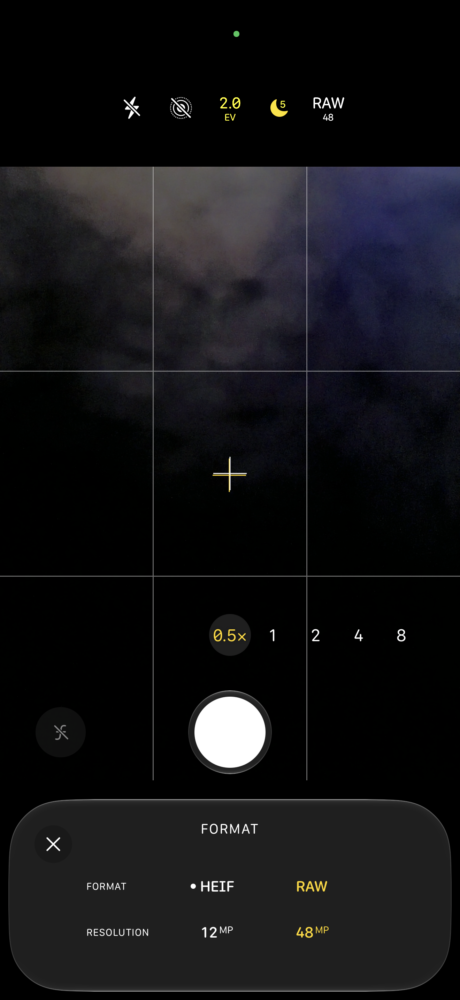
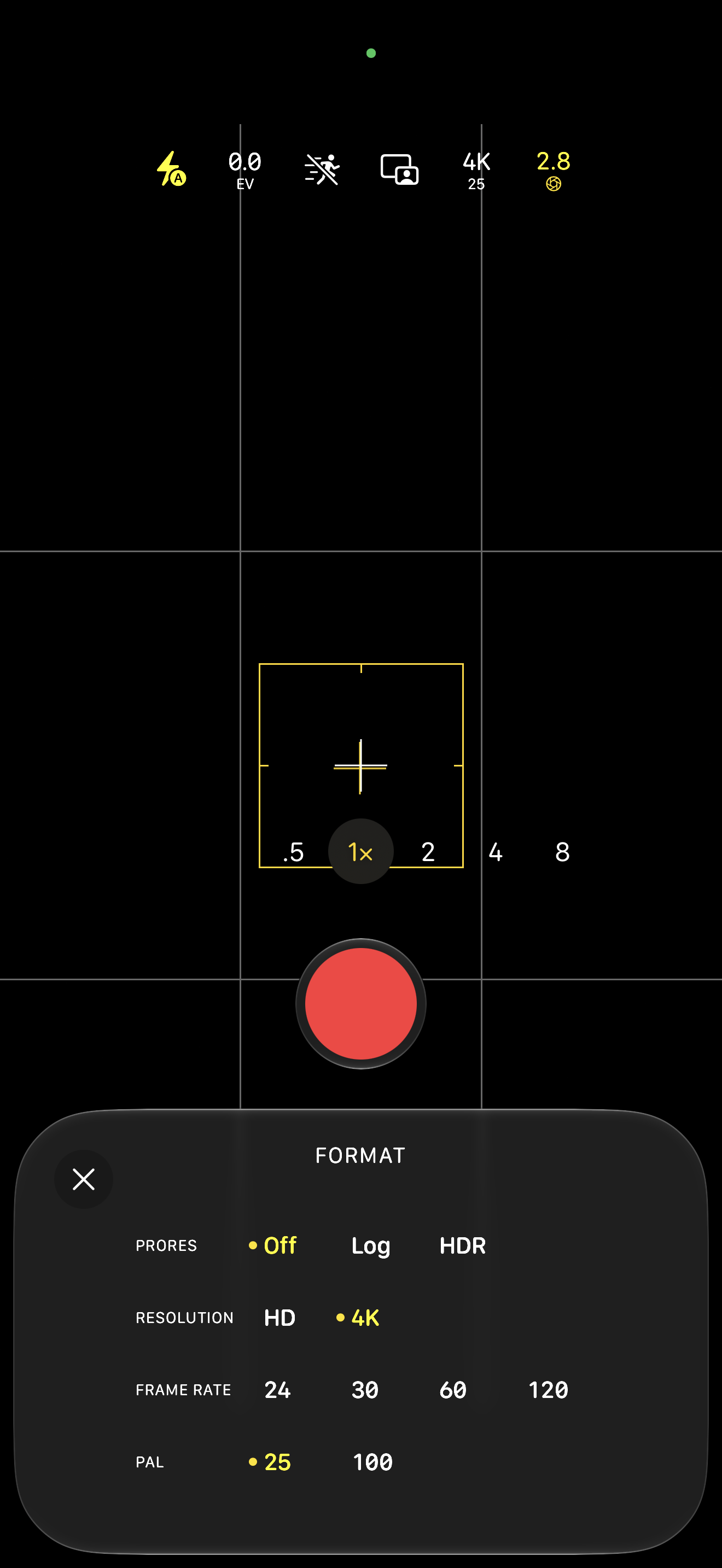
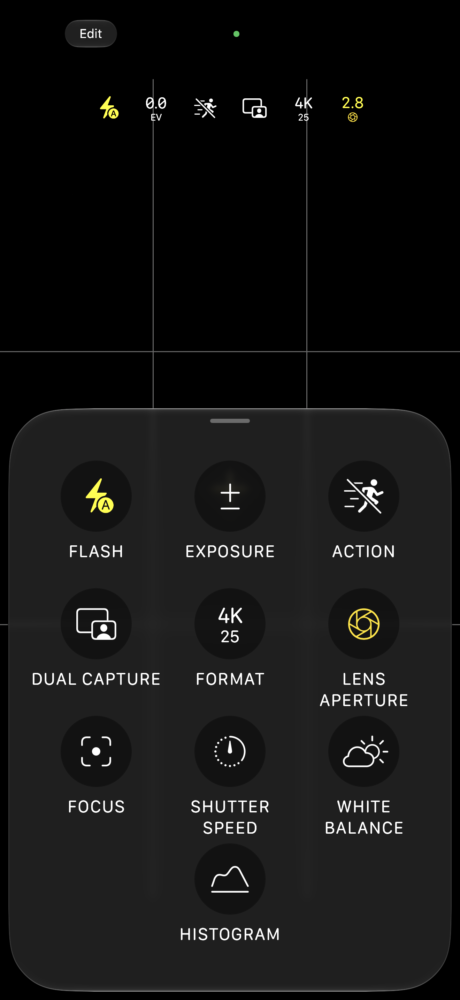
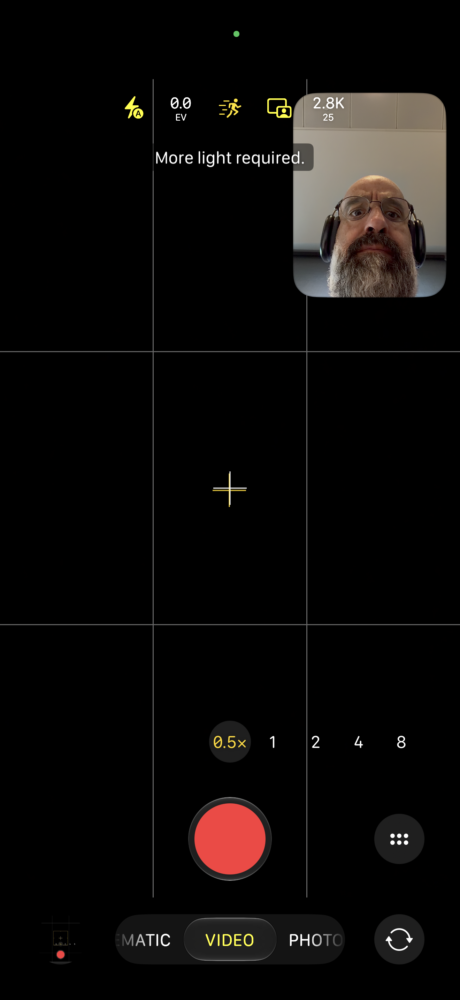
Photographic Styles 3 gave me another playground, with control over tone, colour, texture and grain and plenty of room to chase more film-like looks. I found myself experimenting simply to see what worked rather than relying on the same automatic look every time. That’s what I enjoyed most about the iPhone 18 Pro Max camera: it made me want to create a photograph rather than simply capture one. For me, that’s a far more meaningful upgrade than another megapixel bump.
Low-light photography is where that aperture earns its keep
Low-light shooting is where I really started appreciating what the mechanical aperture brings to the iPhone 18 Pro Max. At f/1.48, the Main camera pulls in considerably more light, and the difference became obvious when I started shooting after dark. Night shots came together faster, with the camera delivering around 50 percent better low-light performance, which meant less time trying to hold perfectly still while hoping everyone else in the frame suddenly developed the discipline of a museum mannequin.
I also enjoyed having the freedom to choose how I wanted the camera to behave. f/1.48 became my obvious choice when I wanted maximum light, while f/1.8, f/2.8 and f/4 gave me progressively more depth and different creative possibilities. I could leave everything on Auto when I just wanted the shot, but being able to take control made nighttime photography far more interesting.

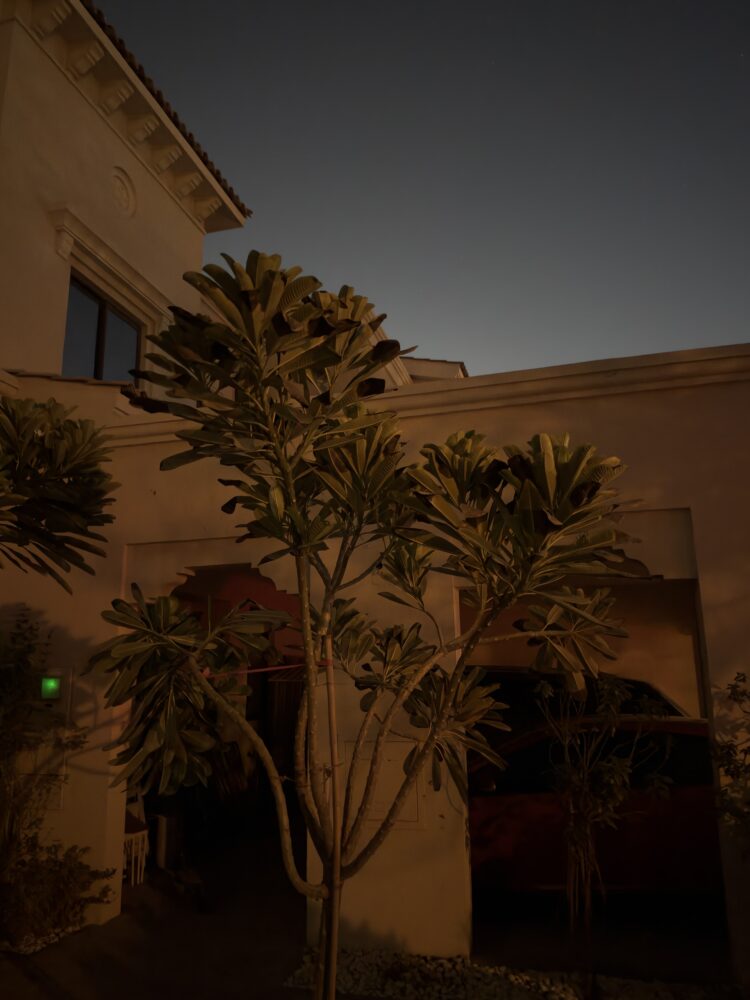
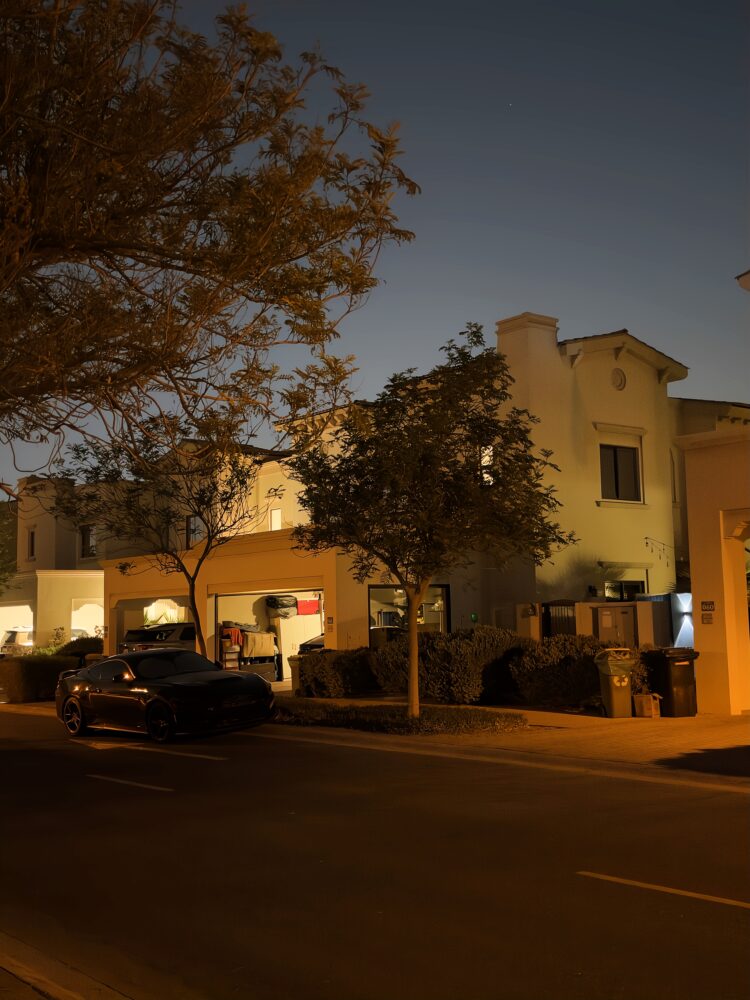
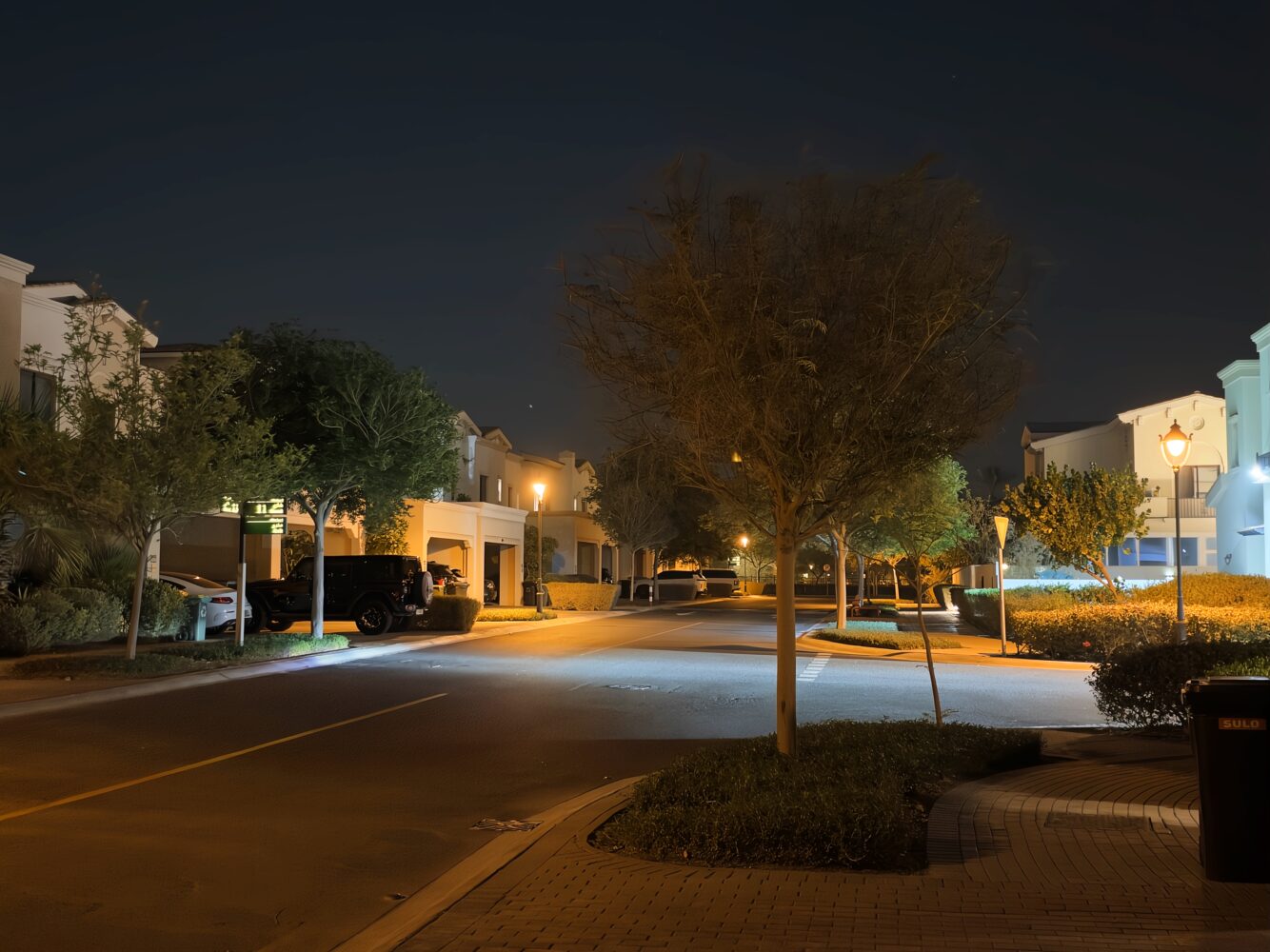
That’s where I had the most fun: opening the aperture when the light disappeared, stopping down when I wanted more depth, slowing the shutter for movement and experimenting with Photographic Styles to change the character of the final image. Instead of Night mode doing all the thinking for me, I felt much more involved in creating the shot. The iPhone 18 Pro Max hasn’t suddenly replaced an interchangeable-lens camera, but it gave me far more reasons to experiment after sunset.
Smart Focus Tracking solves an extremely real problem
Variable aperture might grab the headlines, but Smart Focus Tracking became one of those features I appreciated the moment I started using it. Once I locked onto a moving subject, the camera could keep following it through the frame during photos or video, even if it briefly disappeared and came back. It made shooting unpredictable subjects much easier because I could concentrate on composition instead of constantly fighting to keep focus where I wanted it.
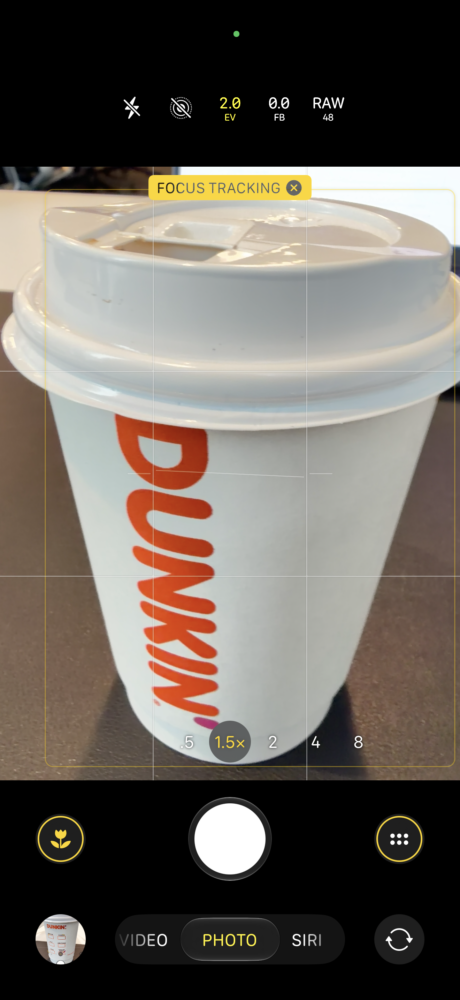
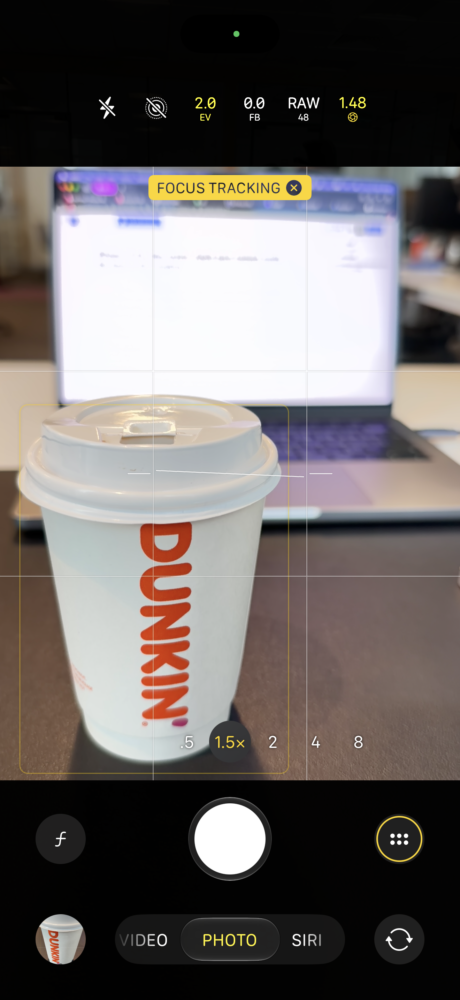
Anyone who has tried photographing children, pets or anything else apparently possessed by Sonic the Hedgehog will understand why this is useful. I found it particularly handy when the subject simply refused to cooperate, because a beautifully composed shot doesn’t mean much when the wrong thing is razor sharp. It’s the kind of computational intelligence I actually want from a camera: quietly doing the difficult work without getting in my way.
That’s also why Smart Focus Tracking fits the iPhone 18 Pro Max so well. I can dive into aperture and shutter controls when I want to nerd out, then let the phone handle focus when capturing the moment matters more than tweaking settings. Pro doesn’t have to mean making everything unnecessarily complicated.
Reference Image might become far bigger than photography nerds realise
Then there is Apple Reference Image, perhaps the least glamorous camera feature with some of the biggest long-term implications. It securely signs pixel-level photo information at the moment of capture, creating a verifiable reference for what the camera sensor originally saw. In 2026, that is considerably more interesting than it might initially sound.
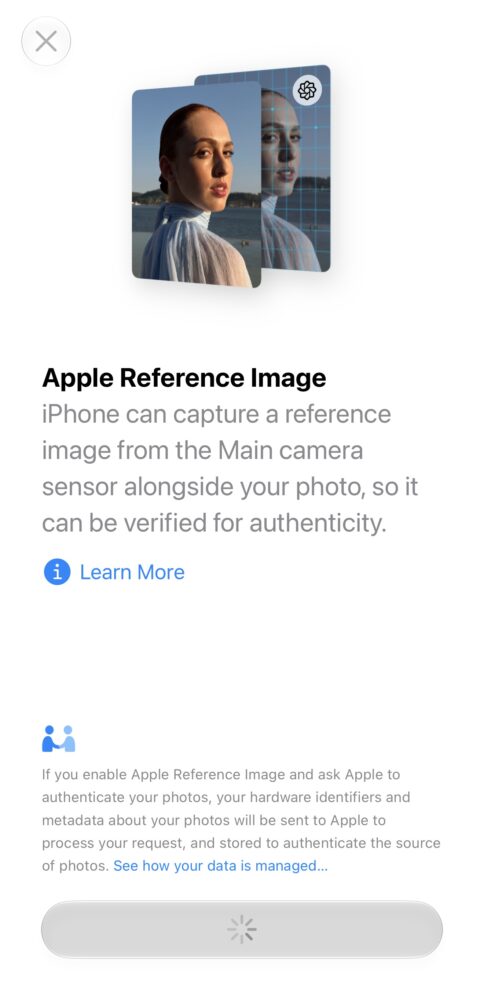
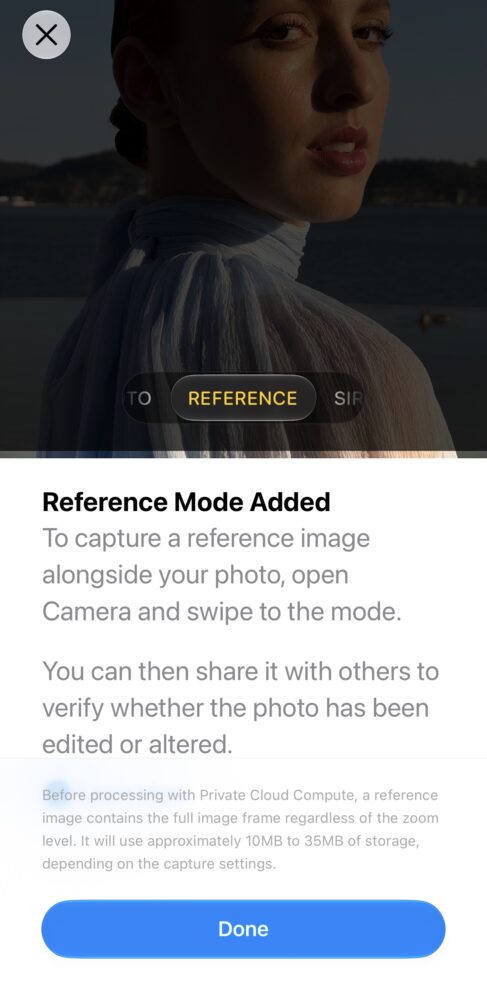
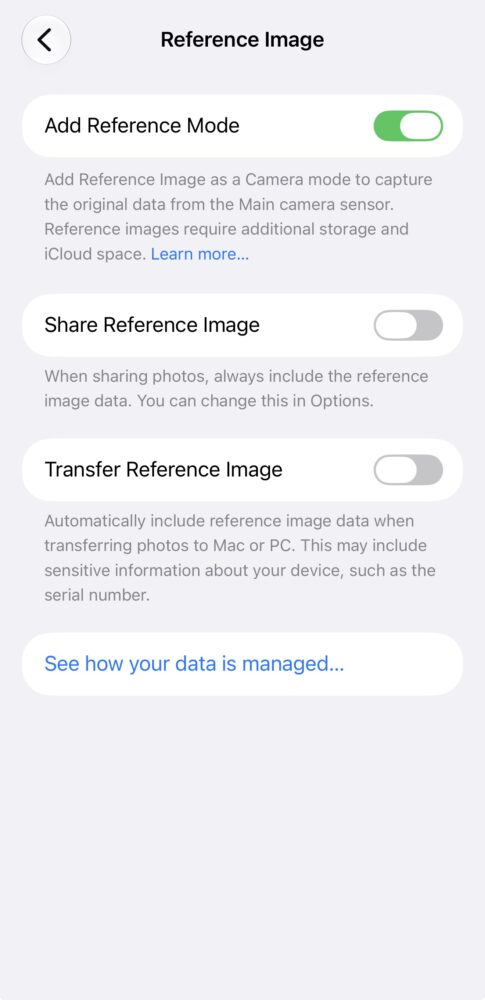
We’re living through an era where seeing an image is rapidly becoming insufficient evidence for believing it. AI-generated and heavily manipulated imagery continues becoming more convincing, while the tools required to create it are becoming available to practically everyone. Having a camera capable of preserving a trustworthy connection to what was actually captured could become enormously useful for journalists, photographers, publishers and creators.
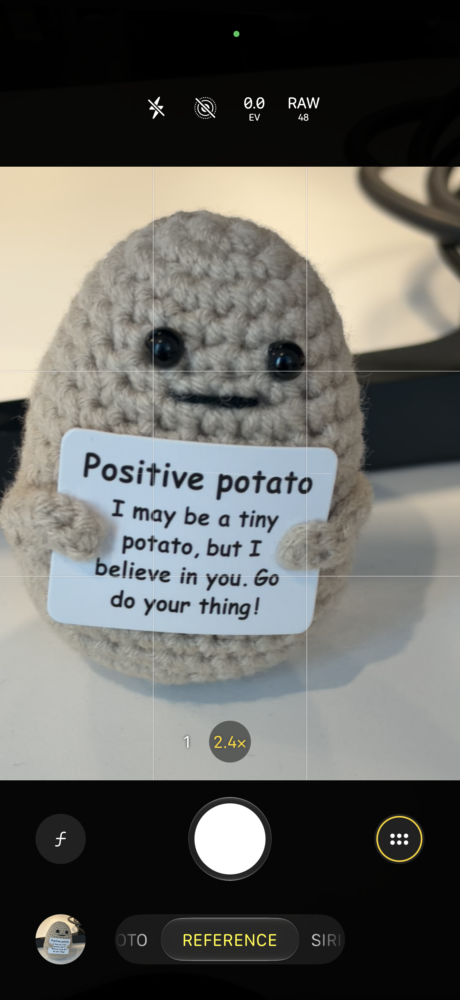

Reference Image isn’t going to single-handedly defeat synthetic media like some photographic Infinity Stone. We’re going to need many more tools for establishing authenticity as generated imagery becomes harder to distinguish from reality. But this is exactly the kind of feature I can imagine looking far more important two years from now than it does during launch week.
The Main camera owns this generation, but creators get the whole arsenal
After spending so much time shooting with the iPhone 18 Pro Max, the 48MP Fusion Main camera is easily the one that defines this generation for me. The variable aperture and f/1.48 opening gave me the most room to experiment, but the 48MP Ultra Wide and 48MP Telephoto proved just as important whenever I wanted to change perspective. Add the 18MP Center Stage front camera, and there is very little this camera system left me wanting while putting together the photo gallery below.
Video is equally stacked, with 4K Dolby Vision up to 120fps, ProRes up to 4K 120fps with external recording, ProRes RAW, Apple Log 2 and genlock. Cinematic mode reaches 4K Dolby Vision at 60fps, while Dual Capture can record with the front and rear cameras simultaneously at up to 4K Dolby Vision at 30fps. It’s an enormous creative toolkit, but the Main camera is still where I kept returning because it encouraged me to experiment rather than simply point and shoot.
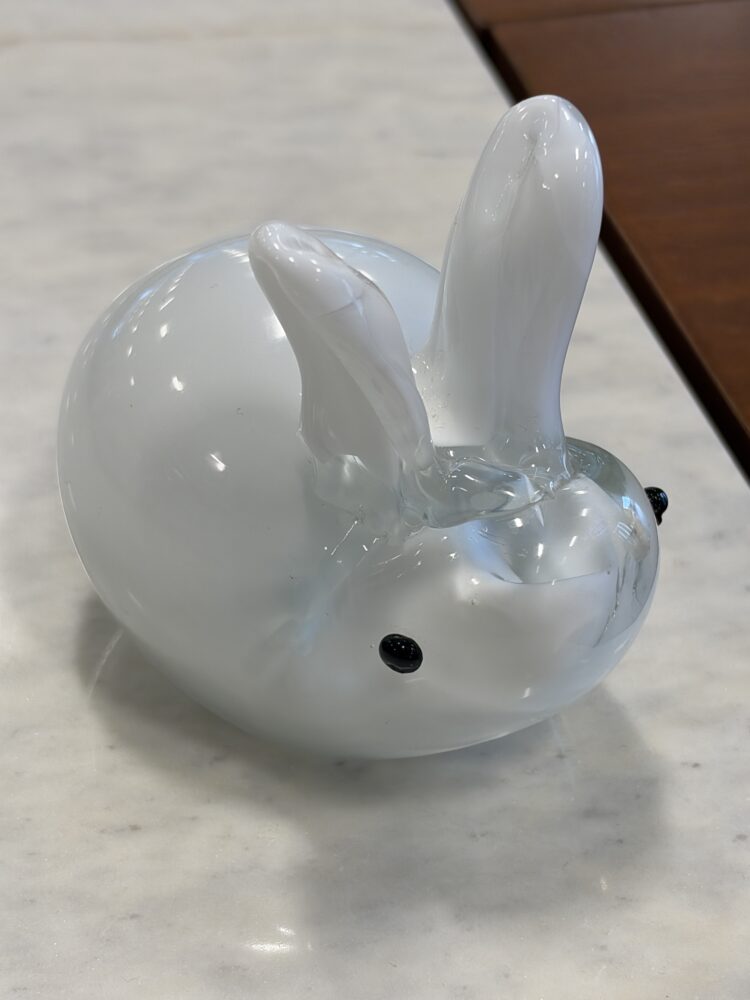
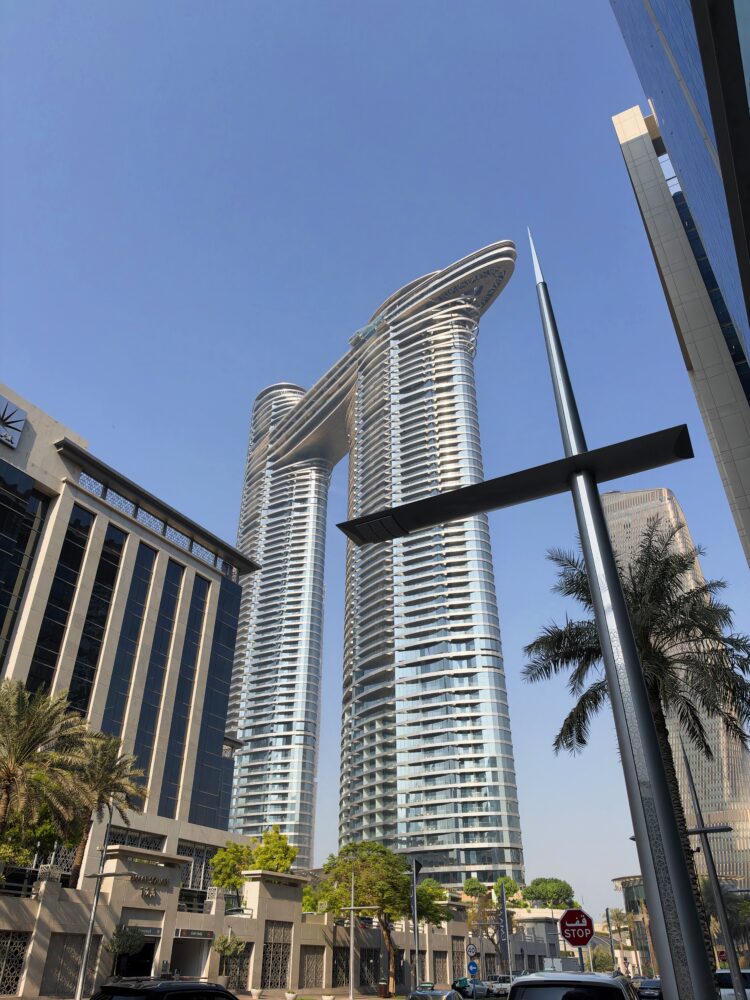
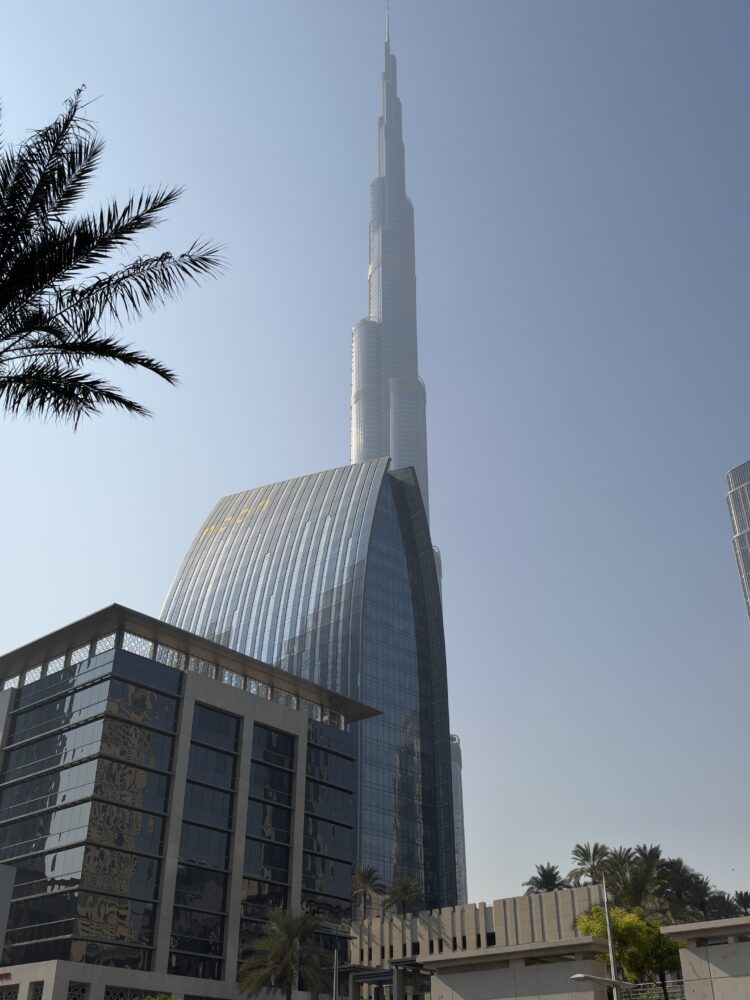
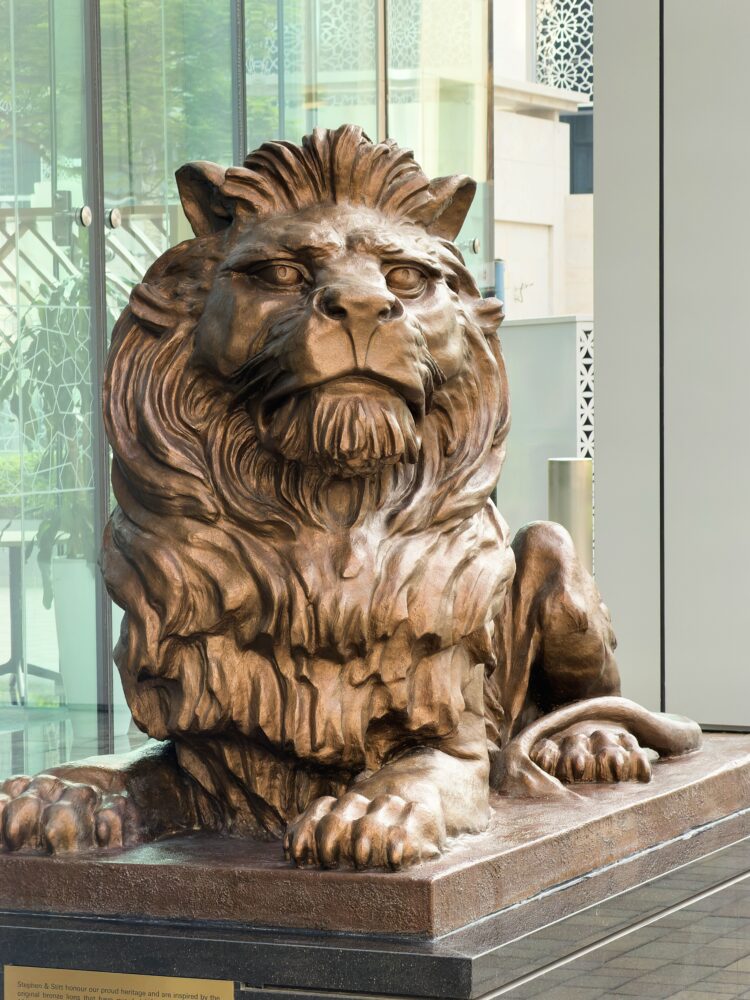
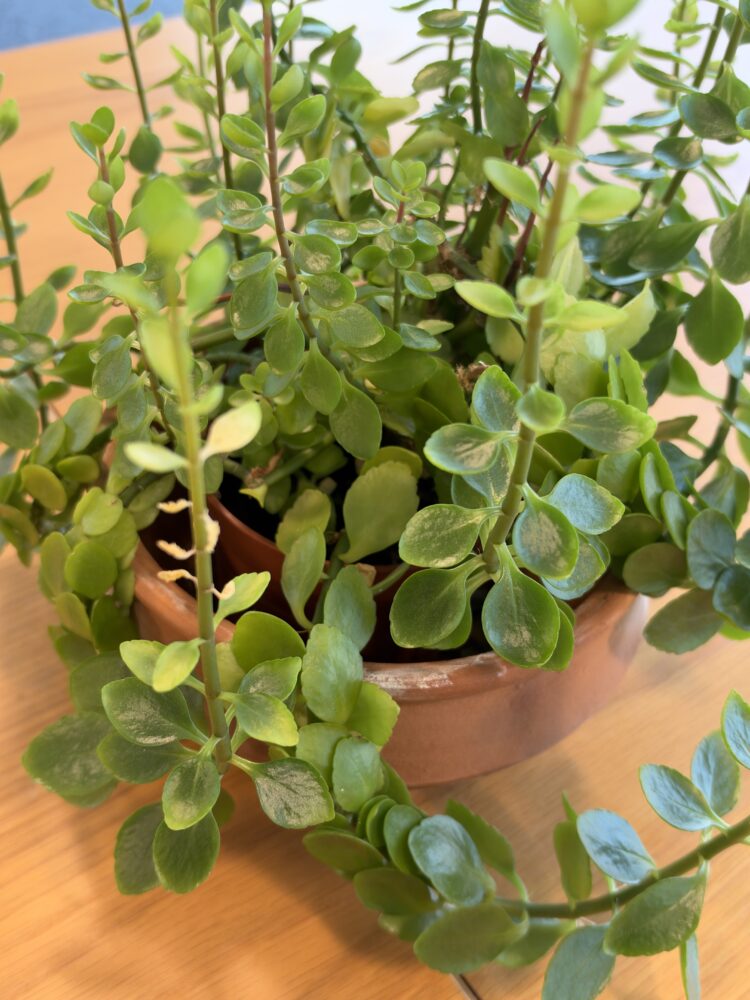
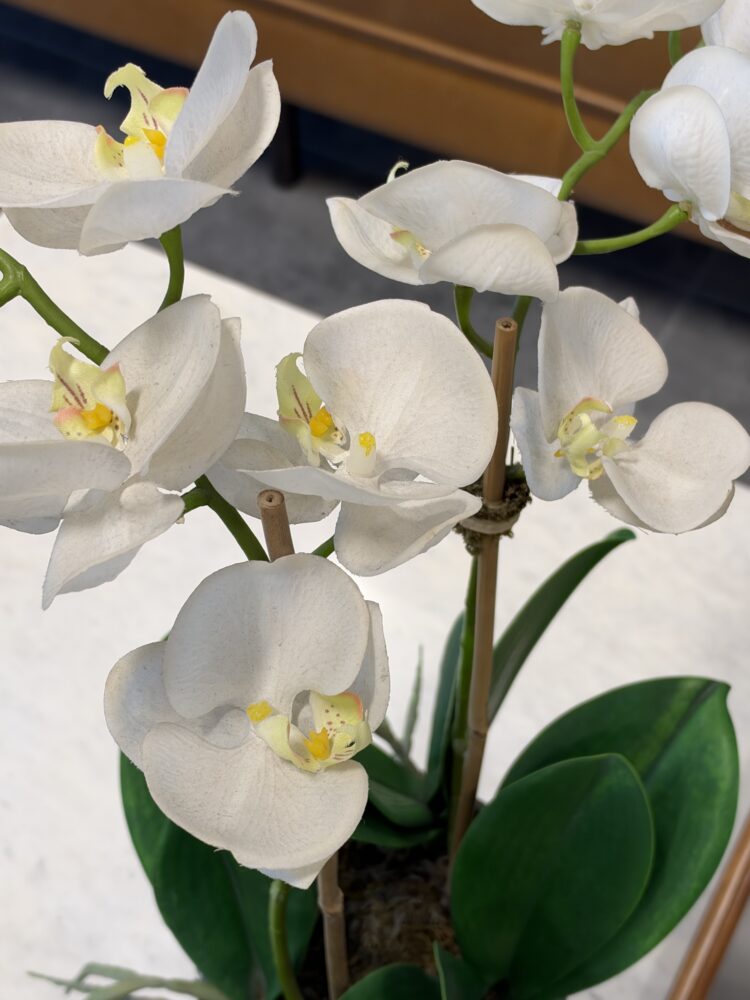
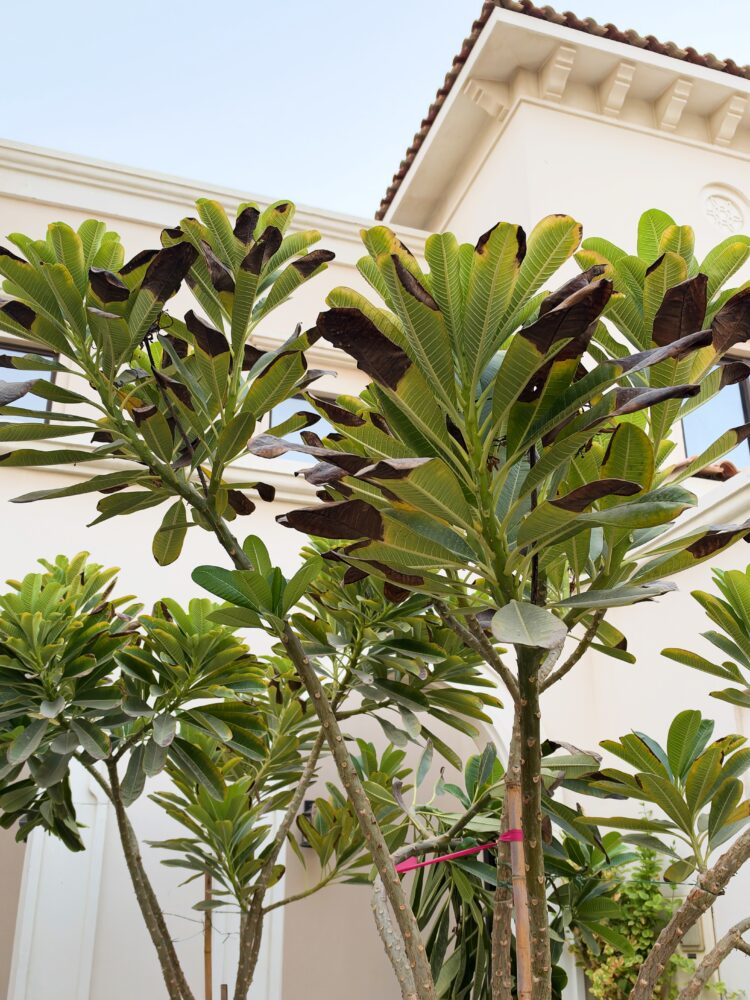
The gallery below is really the best way to finish this part of the review. I deliberately shot across different subjects, lighting conditions, perspectives and camera settings to see how much flexibility I could pull from the system. Specifications can explain what these cameras are capable of, but the photos are where you can judge the results for yourself.
Photo Gallery



iOS 27 makes the whole phone feel alive
The iPhone 18 Pro Max arrives with iOS 27, Apple Intelligence and Siri AI, while the A20 Pro provides the processing foundation for increasingly sophisticated on-device intelligence. Underneath all that are the N1 wireless networking chip with Wi-Fi 7, Bluetooth 6 and Thread, alongside the C2 cellular modem. None of this changes the fundamental familiarity of using an iPhone, but it makes the hardware underneath feel spectacularly well prepared.
What interests me most is how much processing headroom exists here. Smartphones have reached the point where raw CPU speed is only one part of the story; neural processing, graphics, computational photography and increasingly complex local models are becoming equally important. The Dual 16-core Neural Engine and increased memory bandwidth make the iPhone 18 Pro Max feel built around that transition rather than merely reacting to it.
I’m not awarding imaginary points for whatever software might arrive two years from now. What matters today is that this hardware feels hilariously overqualified for ordinary smartphone duties, and that’s exactly how a flagship at this price should feel. If this thing ever complains that opening my email is difficult, I’m staging an intervention.
Should you upgrade to the iPhone 18 Pro Max?
If you’re carrying an iPhone 17 Pro Max, I wouldn’t automatically rush to replace it. The iPhone 18 Pro Max brings up to six additional hours of video playback, graphics performance that’s up to 40 percent faster, and up to 40 percent better sustained performance, alongside the new variable-aperture Main camera. Those are meaningful improvements, but the value of upgrading depends heavily on whether you’ll actually use them.
Creators have the strongest reason to jump because the camera changes aren’t merely another round of computational polish. Aperture and shutter-speed control, Photographic Styles 3, Smart Focus Tracking, Reference Image and the expanded video toolkit create genuinely new creative possibilities. If photography and video are central to what you do with your phone, this generation becomes considerably more tempting.
The iPhone 18 Pro Max increasingly feels designed around people who don’t merely consume things on their phones but make things with them. After reviewing it, that’s what makes this generation click for me. The specifications are monstrous, but the creative freedom is what gives all that hardware a purpose.
Verdict
The iPhone 18 Pro Max feels like Apple taking an already accomplished formula and pushing everything that matters to the Pro audience considerably further. After reviewing it, the combination of monster battery life, A20 Pro performance, vastly improved cooling and that wonderfully nerdy variable-aperture camera made this one of the most enjoyable Pro iPhones I’ve used. Yes, it’s a substantial 249 grams, and the AED 5,499 starting price firmly plants it in premium territory, but I found those compromises surprisingly easy to accept once I started putting all that hardware to work.
The camera is ultimately what won me over. It made me want to experiment, chase interesting light, play with aperture and shutter speed, and actually think about the photograph I wanted instead of simply pointing and shooting. Throw in excellent battery endurance, ridiculous performance and a camera system equally comfortable with casual photography and serious creative work, and the iPhone 18 Pro Max feels every bit like the powerhouse its Pro Max name promises. Photographers, videographers and power users have an absolute beast on their hands, and Apple has finally given camera nerds the keys to the kingdom. I’m absolutely taking them for a spin.